
Abstract:
Latest research shows that the Thwaites Glacier in West Antarctica, known as the "doomsday glacier," may cause sea level rise in the future far greater than previously expected. Researchers have found that current mainstream models used to predict the rate of glacier melt may underestimate key mechanisms in the process of glacier retreat, which means that the future threat of sea level rise in coastal areas around the world may be more serious than the scientific community previously estimated.
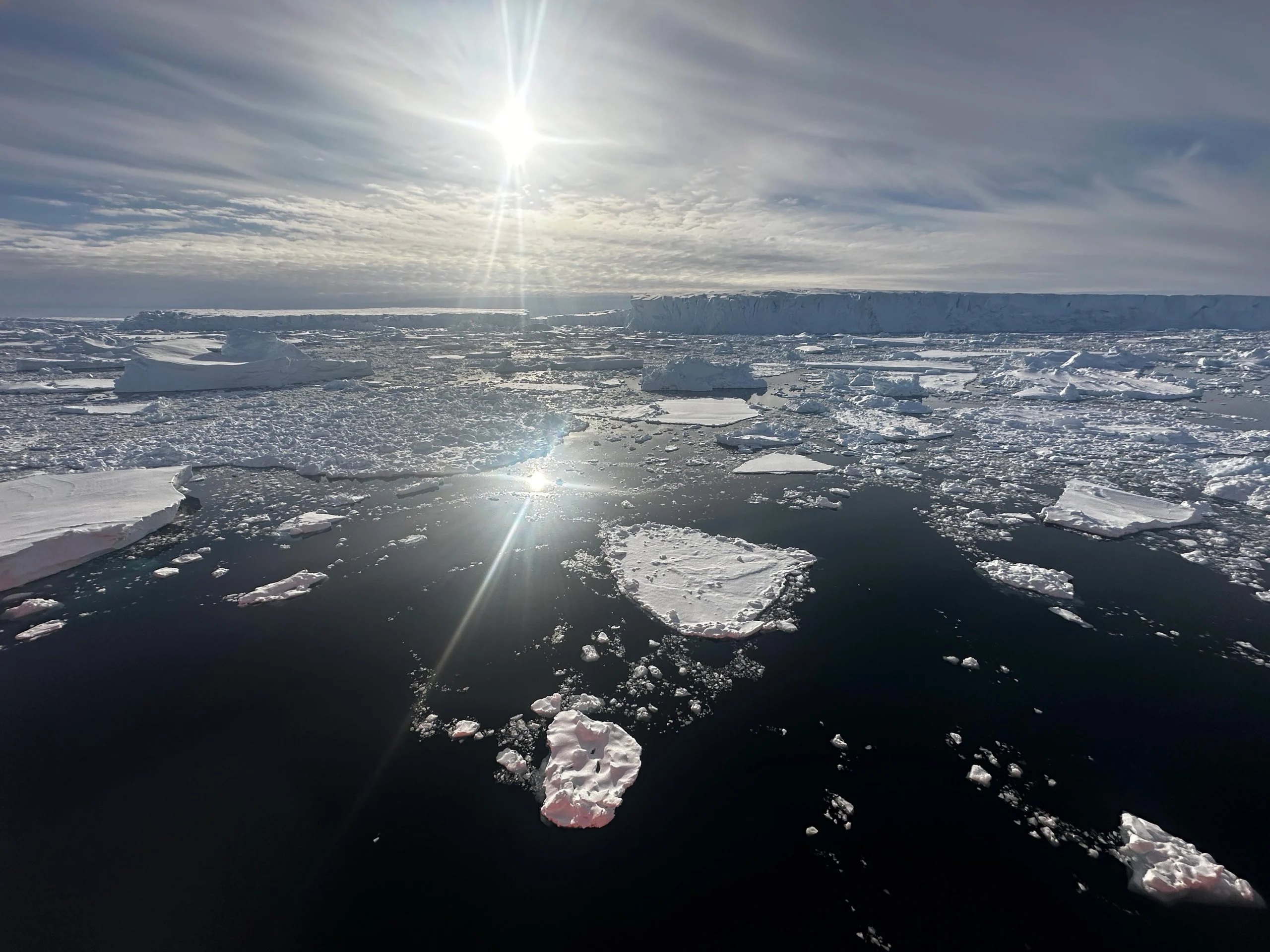
Thwaites Glacier, located in West Antarctica, is one of the most unstable glaciers on earth, with an area approximately the same as the United Kingdom. Due to its important supporting role in the surrounding ice sheet system, once a large-scale collapse occurs, it will not only directly raise global sea levels, but may also trigger chain instability of adjacent ice bodies. Therefore, it has long been called the "doomsday glacier" by the scientific community.
The research team used new computational models and glacier dynamics analysis methods to conduct a more refined simulation of future changes in Thwaites Glacier. The results show that under certain climate warming scenarios, the glacier may retreat much faster than previously predicted, and the resulting contribution to sea level rise may even be about twice as high as current assessments.
Researchers pointed out that traditional models often fail to fully reflect the complex melting process at the bottom of glaciers when simulating the interaction between glaciers and seawater. As warmer water continues to erode the base of a glacier, the contact area between the glacier and the seabed changes, causing the glacier to lose support and accelerate toward the ocean. New research suggests this feedback mechanism may be stronger than previously thought.
Currently, if Thwaites Glacier itself completely melts, it would be enough to raise global sea levels by about 65 centimeters. However, what worries scientists even more is that it also acts like a natural "plug", partially blocking the flow of the massive West Antarctic ice sheet to the ocean. If this glacier is completely unstable, it may further accelerate the collapse of the entire West Antarctic ice sheet, thereby triggering a larger sea level rise.
The research team emphasized that this does not mean that relevant changes will occur in a short time. The evolution of glacier systems often spans timescales of decades to centuries, but current emission pathways and changes in global temperatures will profoundly influence future directions. Even so, climate impacts today may determine the shape of coastlines faced by generations to come.
Scientists say planning challenges for coastal cities, port infrastructure and low-lying island nations will increase further in the future. Higher sea levels not only mean increased risks of coastal erosion and flooding, but also increase the destructive capacity of storm surges, with long-term consequences for hundreds of millions of coastal residents.
Researchers believe that this discovery once again highlights the importance of continued monitoring of the Antarctic ice sheet. As observation technology and modeling capabilities continue to improve, the scientific community is gradually revealing the true sensitivity of polar glaciers to the global climate system. The future fate of Thwaites Glacier will also become one of the key factors that determine the extent of future sea level changes.
Comments