
Abstract:
Researchers recently developed a new bionic robot called "BeetleBot", whose design is inspired by the movement mechanism of beetles. This robot can not only move flexibly in complex terrain, but also has strong environmental adaptability. It is expected to be used in post-disaster search and rescue, dangerous area detection, environmental monitoring and other fields in the future.
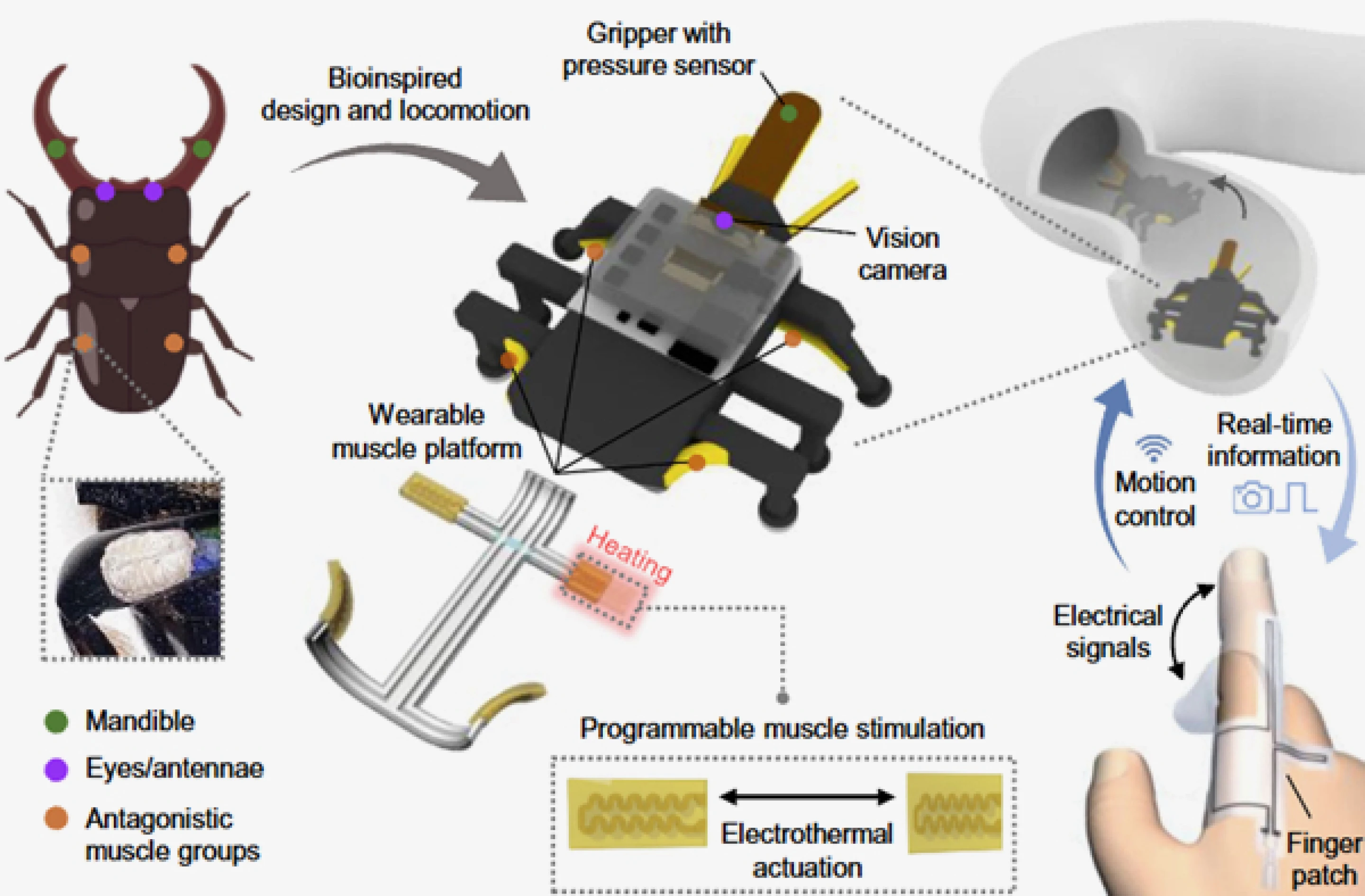
Unlike many small robots that rely on wheeled or tracked structures, BeetleBot uses a design that mimics the body and limb structure of a beetle. The research team hopes to use the locomotion advantages of insects in nature developed over hundreds of millions of years of evolution to enable robots to travel freely in environments that are difficult for traditional machines to reach.
The beetle's ability to maintain stable movement in woods, gravel, sand, and narrow gaps is largely due to its body structure and gait control. By analyzing these characteristics, the researchers integrated relevant principles into the robot design, allowing BeetleBot to move forward stably on uneven surfaces and maintain a high passing ability when encountering obstacles.
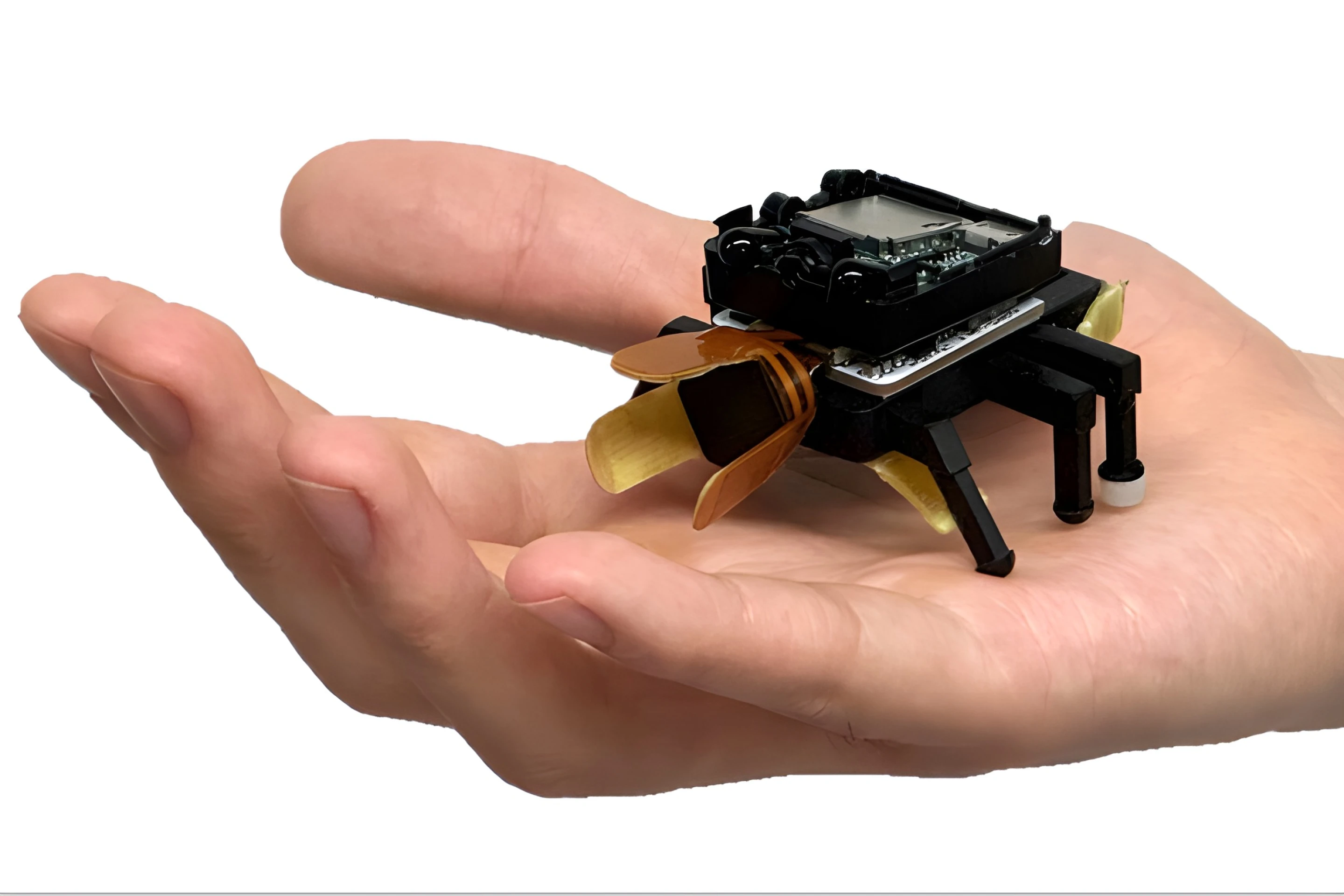
Experimental results show that the robot can not only climb over complex obstacles, but also quickly resume motion after being impacted by external forces or overturning. This self-recovery ability is a function that many traditional small robots are difficult to achieve. However, in disaster scenes or unknown environments, it can significantly improve mission success rates and continuous work capabilities.
The research team stated that existing search and rescue robots are often limited by terrain. For example, the interior of earthquake ruins is filled with gravel, steel bars, and narrow gaps, making it inaccessible for large equipment, while small wheeled robots are easily blocked by obstacles. Robots that imitate insects may play unique advantages in these environments, helping rescuers search for trapped people and transmit back on-site information.
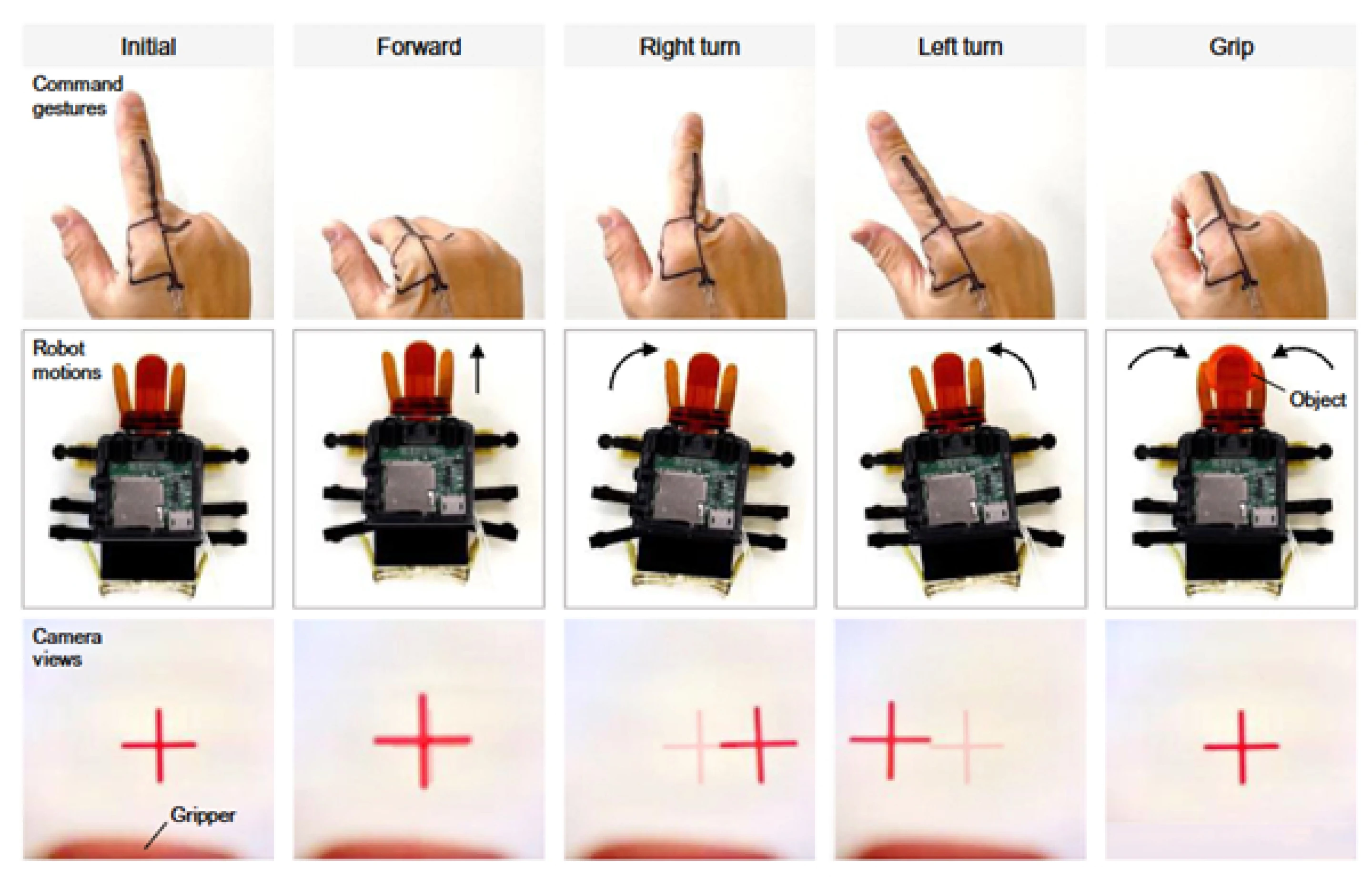
In addition to search and rescue missions, BeetleBot may also be used for industrial facility inspections, underground space detection, and ecological environment research in the future. Due to the small size and high maneuverability of the robot, it can enter areas that are difficult for humans to reach or are dangerous to perform long-term monitoring tasks.
In recent years, bionic robots have become an important direction in robotics research. From imitating dogs, fish, birds to insects, researchers continue to look to the natural world for inspiration in the hope of achieving more efficient and stable locomotion. The emergence of BeetleBot further proves that even tiny insects can provide important design ideas for the next generation of robotic systems.
Researchers believe that as control algorithms, sensors and battery technology continue to advance, this type of insect-inspired robot is expected to take on increasingly important tasks in real-world scenarios in the future, providing new solutions for emergency rescue, scientific research and industrial applications.
Comments