
Abstract:
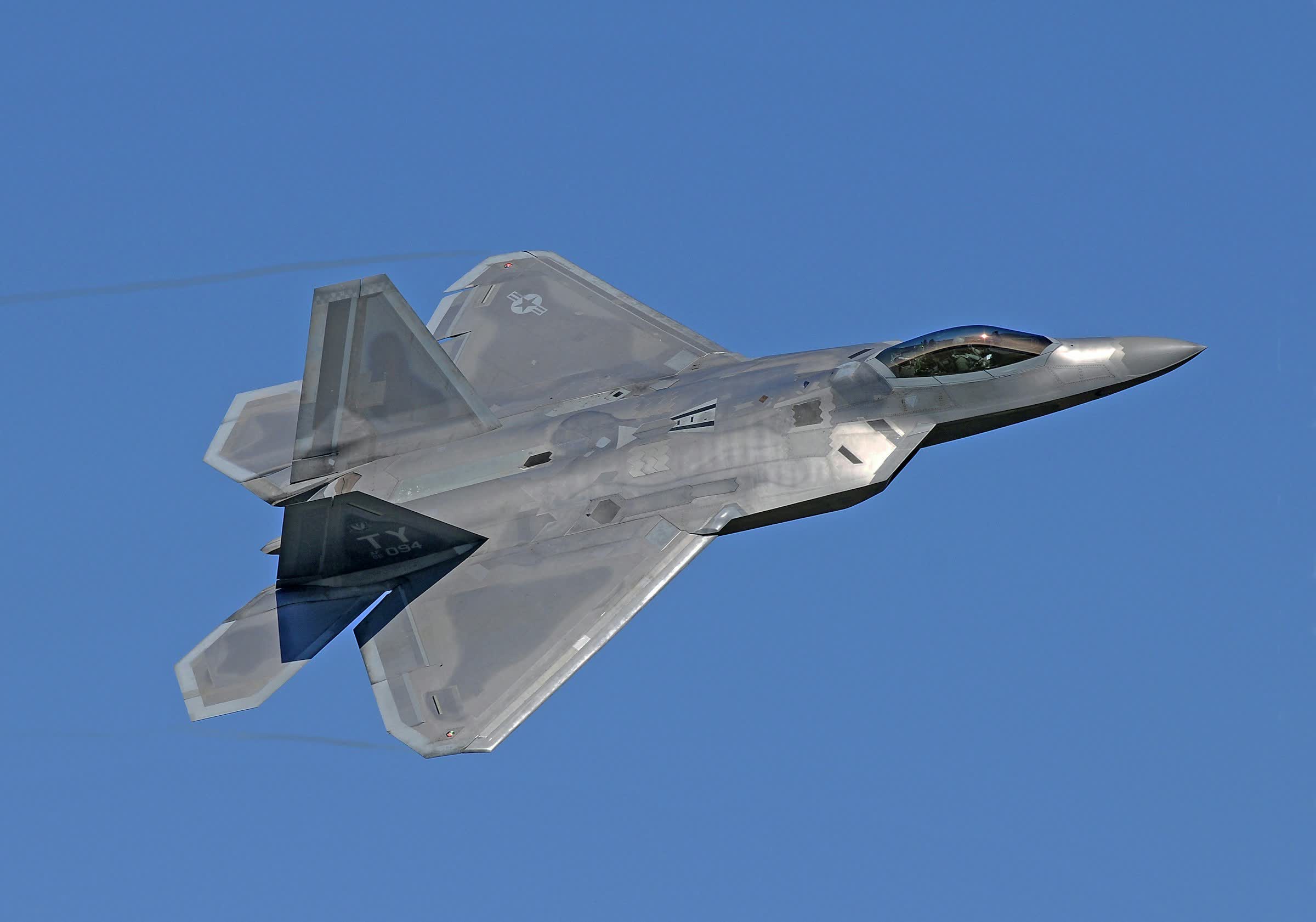
The U.S. Air Force recently announced that it has achieved a new milestone in the process of moving toward an autonomous air combat system. A pilot flying an F-22 "Raptor" fighter jet successfully commanded an autonomous combat drone to perform a mission in a simulated combat environment, demonstrating the prototype of future collaborative operations between manned combat aircraft and intelligent unmanned wingmen.
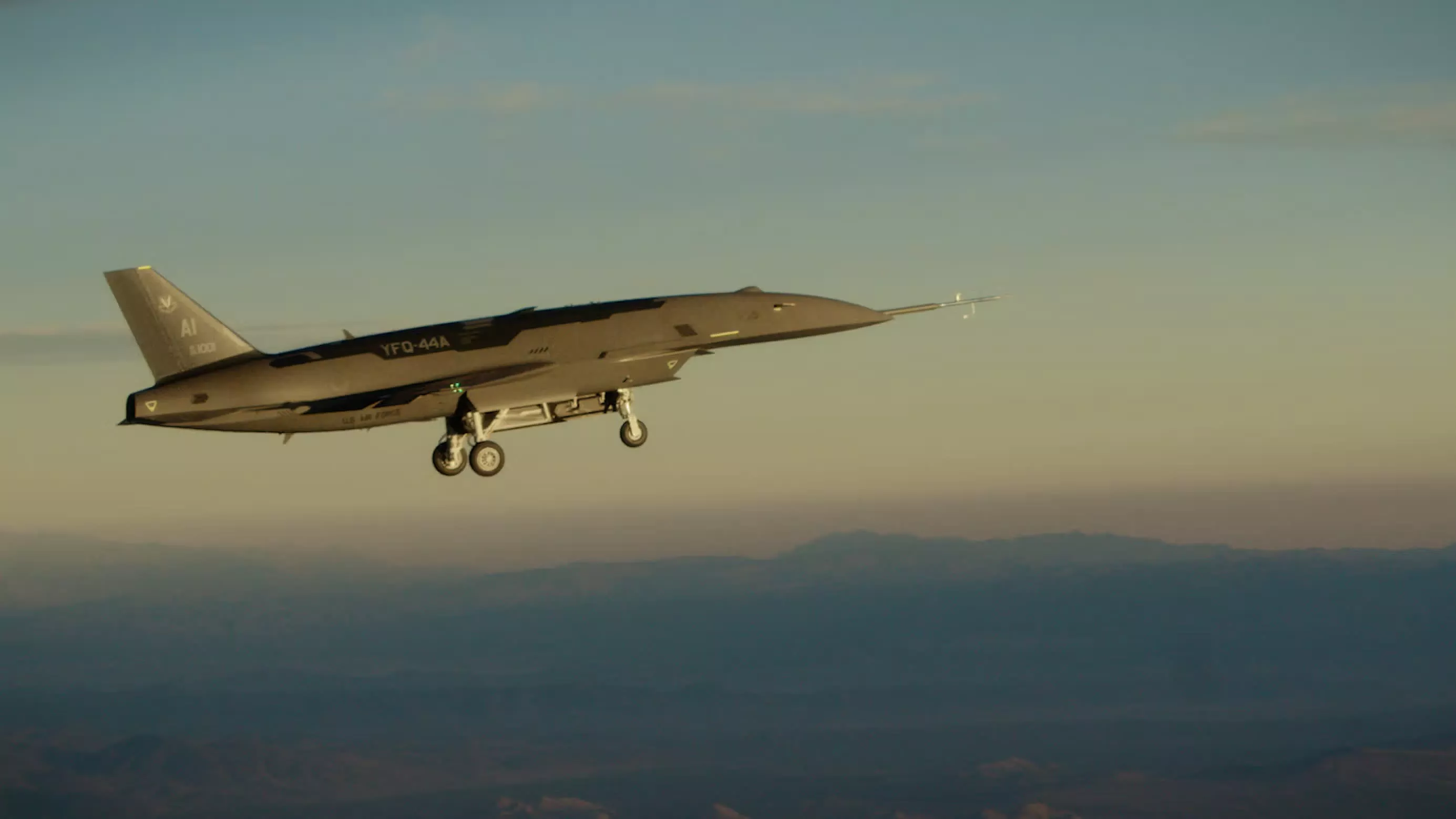
The demonstration took place earlier this month at Edwards Air Force Base in California. The equipment participating in the test includes the F-22 "Raptor" fighter jet and the YFQ-44A "Fury" unmanned combat aircraft developed by Anduril. After the two aircraft took off, the F-22 pilot sent the updated mission plan to the drone through the tactical data link.
After receiving the instruction, the YFQ-44A airborne autonomous system automatically analyzes the task content and independently completes the corresponding maneuvers and simulated combat tasks. Throughout the process, the pilot is only responsible for issuing high-level tactical orders, while specific flight control is performed by the drone's own software system.
The U.S. Air Force emphasized that this was not "one person flying two aircraft" in the traditional sense. The pilot does not directly control the flying attitude of the drone, but is responsible for deciding what tasks the drone should complete, and the autonomous system is then responsible for achieving these goals. This model is regarded as an important development direction for future air combat.
This test is part of the "Collaborative Combat Aircraft (CCA)" project. The project aims to deploy lower-cost, semi-autonomous unmanned aerial vehicles to perform combat missions in conjunction with fifth- and sixth-generation manned fighter jets.
Although this demonstration only involved one F-22 and one YFQ-44A, the US Air Force's long-term goals are more ambitious. In the future, one pilot is expected to command multiple autonomous drones at the same time. These drones can carry additional weapons, sensors and electronic warfare equipment, thereby significantly improving the overall combat capabilities of the formation.
However, the outside world still knows little about some technical details. The U.S. Air Force and Anduril did not disclose the complete cockpit control scheme used in this demonstration, so it is unclear how the pilot sent instructions to the drone. In addition, in a high-intensity air combat environment, whether pilots can effectively manage multiple drones while controlling their own fighter planes remains to be further verified.
YFQ-44A "Fury" is one of the first two solutions selected for the CCA project, the other being General Atomics' YFQ-42A. According to the plan, the U.S. Air Force hopes to deploy 500 semi-autonomous aircraft with combat capabilities by 2032, and eventually form an unmanned collaborative combat fleet of at least 1,000 aircraft.
In fact, the U.S. military has continued to advance related technologies for many years. As early as March 2023, the U.S. Air Force disclosed the results of AI piloting modified F-16 fighter jets for tactical flight and simulated combat testing. In April 2024, the U.S. Defense Advanced Research Projects Agency (DARPA) disclosed that the X-62A VISTA test machine equipped with an artificial intelligence system had competed against a manned F-16 in a real air combat exercise. Although the AI aircraft was equipped with a safety pilot, there was no need for manual takeover during the entire process.
The next focus of the U.S. military will be to verify the collaborative capabilities of these drones in large combat formations. According to the plan, the YFQ-44A Fury and General Atomics' "Vengeance" drone will participate in the "Emerald Flag" exercise in December this year, which will be their first time to participate in a large-scale force application test.
In addition to autonomous combat drones, the U.S. military has also been accelerating projects such as humanoid robots and artificial intelligence command systems in recent years. As relevant technologies continue to mature, a hybrid combat system consisting of manned platforms and a large number of autonomous equipment on the future battlefield is gradually moving from concept to reality.
Comments