
Abstract:
In a key negotiation at the United Nations headquarters in Geneva, representatives from various countries are fiercely discussing the regulation of lethal autonomous weapons systems, also known as "killer robots". After a week of negotiations that ended in the early hours of Saturday, participating countries finally agreed to launch further discussions on the future regulatory framework, but failed to reach an agreement on the legally binding international rules expected by the outside world.
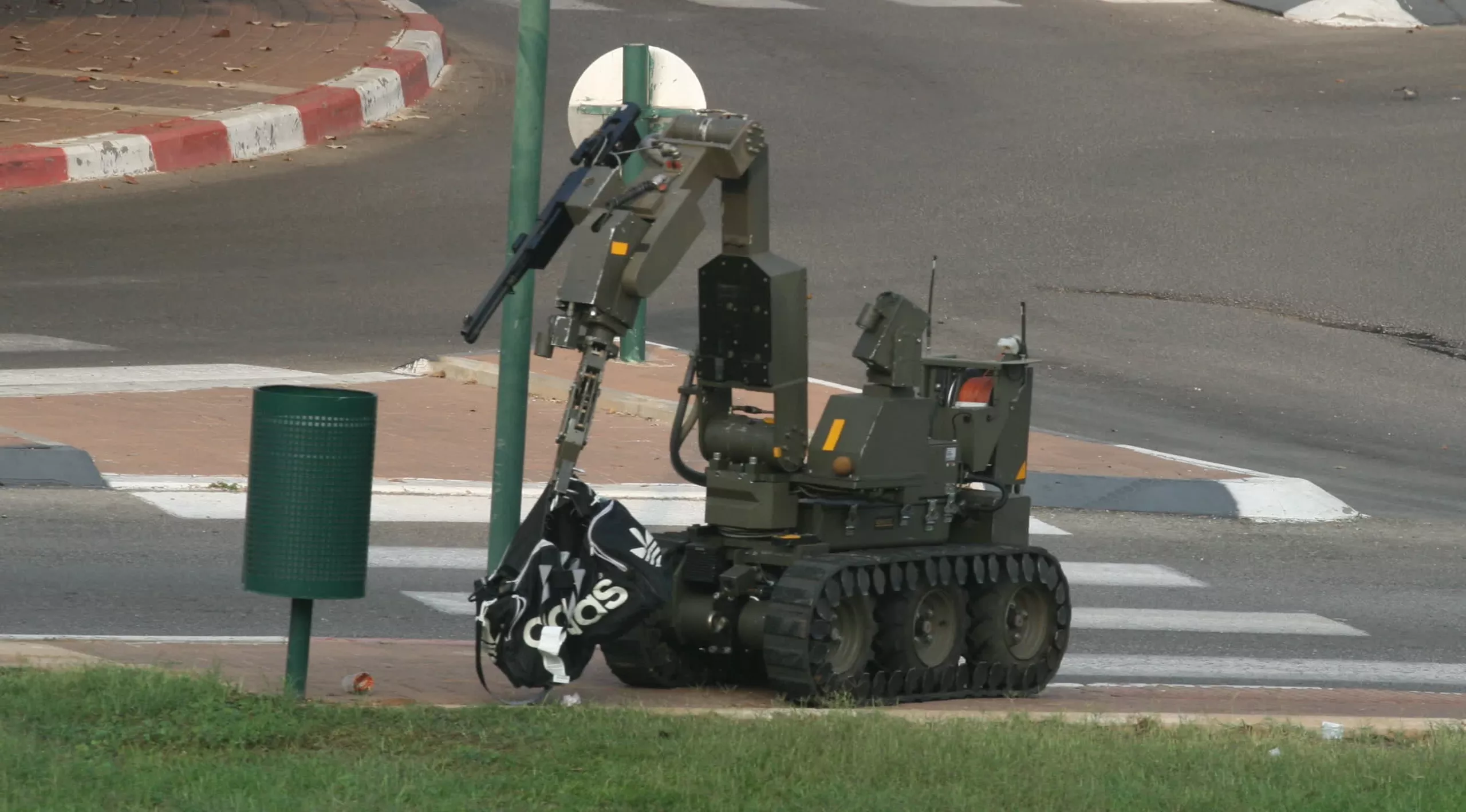
Under the compromise reached at the meeting, countries will study regulatory options for autonomous weapons systems over the next two years. These plans may develop into legally binding international rules in the future, or they may exist only as guiding principles for voluntary compliance. Although some diplomats believe that it is not easy to achieve this result, many countries and humanitarian organizations believe that this is still a long way from truly effective international supervision.
Before the negotiations began, the International Committee of the Red Cross publicly called on countries to formulate relevant legally binding norms within one year to deal with the risks posed by the militarized development of artificial intelligence. The United Nations Secretary-General and the Pope have also expressed support for the initiative. They believe that with the rapid integration of artificial intelligence technology into weapons systems, the international community does not have much time to waste.
Supporters of strict regulation point out that drones and weapons platforms with partially autonomous capabilities have become widespread in conflict areas such as Ukraine, Sudan and Gaza. Although humans still have ultimate control over these systems, their ability to make autonomous decisions continues to increase. Humanitarian organizations are concerned that future weapons systems may have the ability to identify, select and attack targets completely independently, giving machines direct control over life and death.
Georgia Hinds, legal adviser to the International Committee of the Red Cross, said that allowing algorithms and software programs to determine human life and death on their own involves unavoidable ethical issues. She believes that this is not a challenge that can be solved simply by relying on technological improvements, but a moral red line that should not be crossed.
This negotiation faced huge resistance from the beginning. Countries such as the United States, Russia and Israel have previously expressed caution about mandatory international rules. During the negotiations, Russia raised objections to the meeting agenda, causing the meeting process to be blocked. The United States has proposed a longer-term study of non-mandatory guiding principles, rather than immediately promoting a legally binding international treaty.
As the meeting came to an end, all parties finally reached a compromise after a long period of back and forth. Under the agreement, future discussions will continue, but there is no certainty that an international treaty will be reached in the short term, nor is there a commitment that the final regulatory framework must be legally binding. The result clearly fell short of expectations for those hoping for global rules to be quickly established.
After the negotiations, many humanitarian organizations expressed disappointment and once again urged countries to launch formal treaty negotiations as soon as possible. They warn that autonomous weapons technology powered by artificial intelligence is developing far faster than international rules can be set. If supervision continues to lag behind, the situation where machines independently decide to attack and kill targets on the future battlefield may gradually evolve from a theoretical risk to a real problem.
Although this round of negotiations failed to achieve a breakthrough, the regulatory issue of lethal autonomous weapons has become the focus of the international community. As more and more countries increase their investment in artificial intelligence military applications, how to strike a balance between technological development, national security and humanitarian principles is expected to continue to become one of the most controversial topics in the field of global security governance in the future.
Comments