
Abstract:
The U.S. Army announced the five winning projects in the xTechHumanoid competition, which explores how humanoid robots can be used in military operations in the future. The competition received a total of 103 proposals, and military leaders and technical experts ultimately selected five projects involving two different power systems, sensitive fingertip tactile sensors, software, and a humanoid robot named Alex.
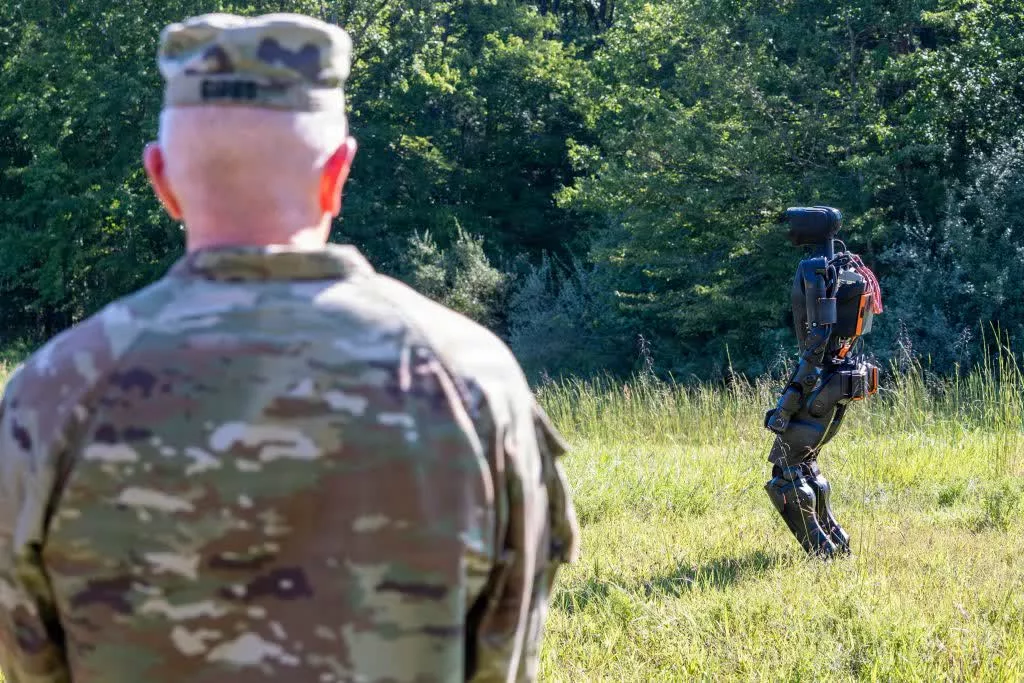
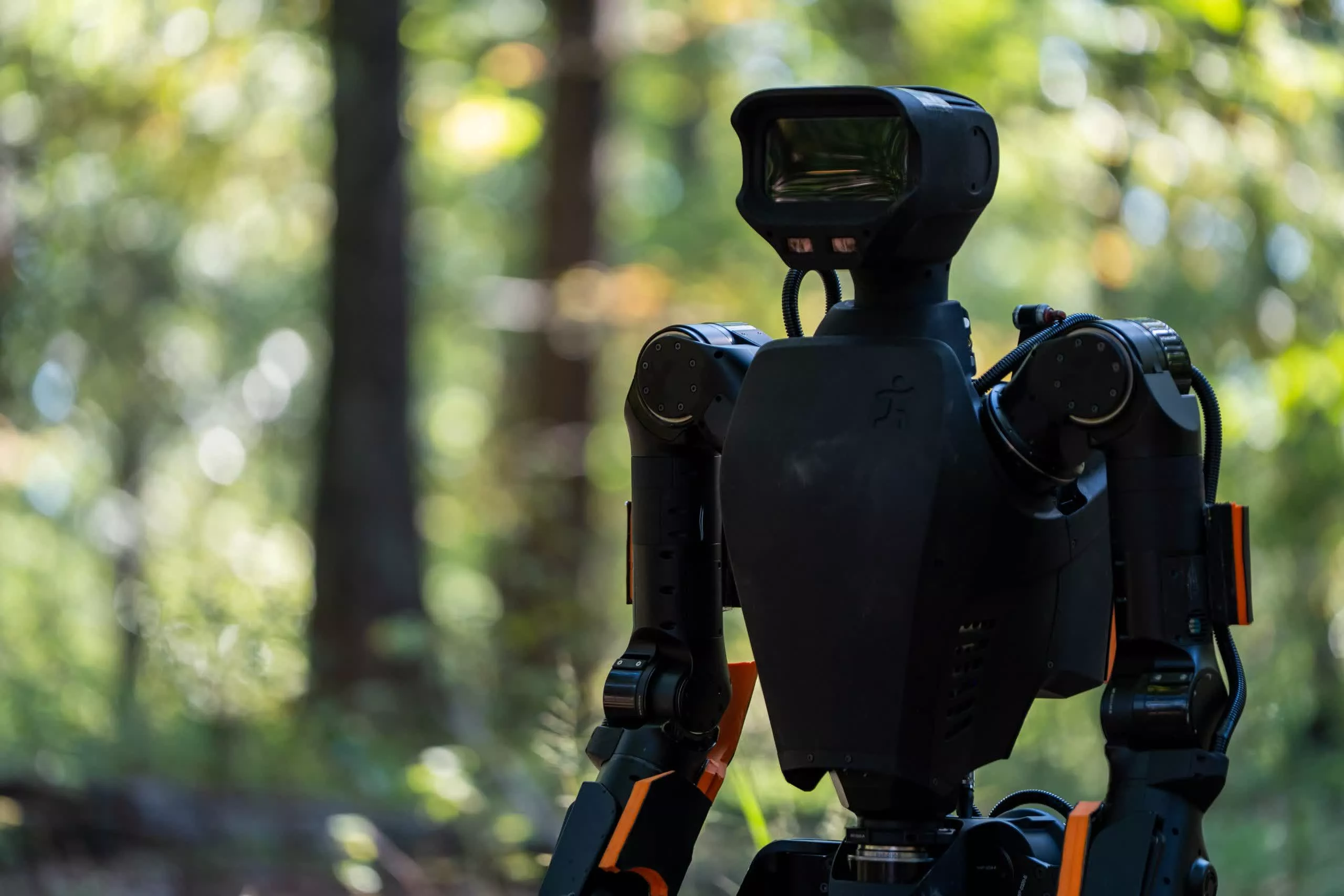
Alex was developed by the Florida Institute for Human and Machine Cognition, a non-profit research organization, and uses customized high-return capability quasi-direct drive actuators to achieve efficient and natural movements. The robot has 29 joints to improve flexibility; the U.S. Army specifically mentioned its ballistic protection capabilities, as well as its hybrid autonomous system that combines artificial intelligence with human control, which can be used for complex and dangerous tasks.
This competition is promoted by the U.S. Army's FUZE xTech program in partnership with the Humanoid Robotics Collaborative Community. FUZE xTech helps the Army introduce new technologies to soldiers through competitions that identify and accelerate the development of dual-use and commercial technologies. The Humanoid Robot Collaborative Community was established in 2023 as a joint force organization aimed at promoting the development of humanoid robot technology and promoting its application in the U.S. Department of Defense and the military.
U.S. Army Chief Technology Officer Alex Miller said that humanoid robots are part of a broader development of autonomy, with the goal of expanding the types of robotic platforms and components the industry can provide to support diverse tasks. The Army needs to identify the problems, mission needs and opportunities facing the force to equip it with the right combination of tools; xTech avoids years of research by examining the current status of the industry and accelerating promising technologies.
Currently, artificial intelligence and autonomous systems are playing an increasingly prominent role in the military, with equipment such as drones, automatic turrets, and aircraft and ships trying to operate with less human control. Humanoid robots are seen as the next step in this development. The United States is not the only major country researching humanoid robots for the battlefield: Reuters reviewed more than 100 Chinese military procurement announcements, academic studies, patents, official publications, government records and defense company data earlier this month and found that China is accelerating research on the military use of humanoid robots and preparing for their future wartime deployment.
Comments