
Abstract:
Facing the problem of tight emergency medical resources and shortage of ambulance personnel caused by the increasing aging population, Japanese technology giant GMO Internet Group recently announced a strategic cooperation with Sansei, a leading ambulance manufacturing company. The two parties will jointly create a new humanoid robot specially designed for ambulance transportation and first aid scenarios. This innovative project aims to introduce cutting-edge artificial intelligence and automation hardware to the emergency scene to assist emergency personnel in performing high-intensity transportation and auxiliary treatment tasks, and improve emergency response efficiency and treatment success rate.
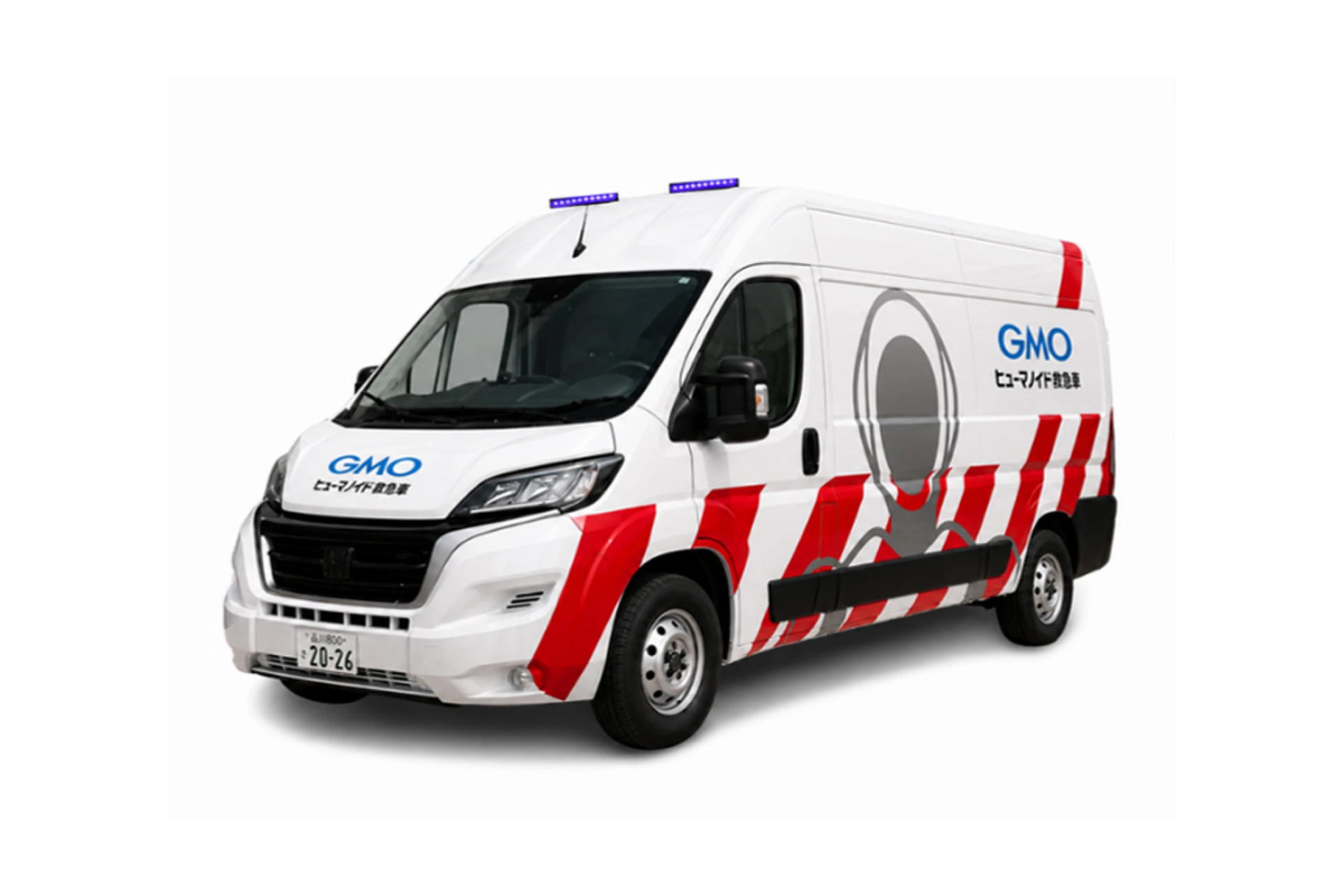
In traditional first aid operations, first responders not only need to conduct preliminary injury assessment and first aid treatment for patients in a very short time, but also carry heavy stretchers and various medical equipment in a complex on-site environment, which consumes a lot of physical energy and is prone to occupational injuries. According to the cooperation plan, the ambulance humanoid robot developed by both parties will have highly flexible mechanical joints and strong load capacity. It can accompany the ambulance and assist in transporting patients in narrow corridors, steps or complex terrain, greatly reducing the physical burden of first responders.
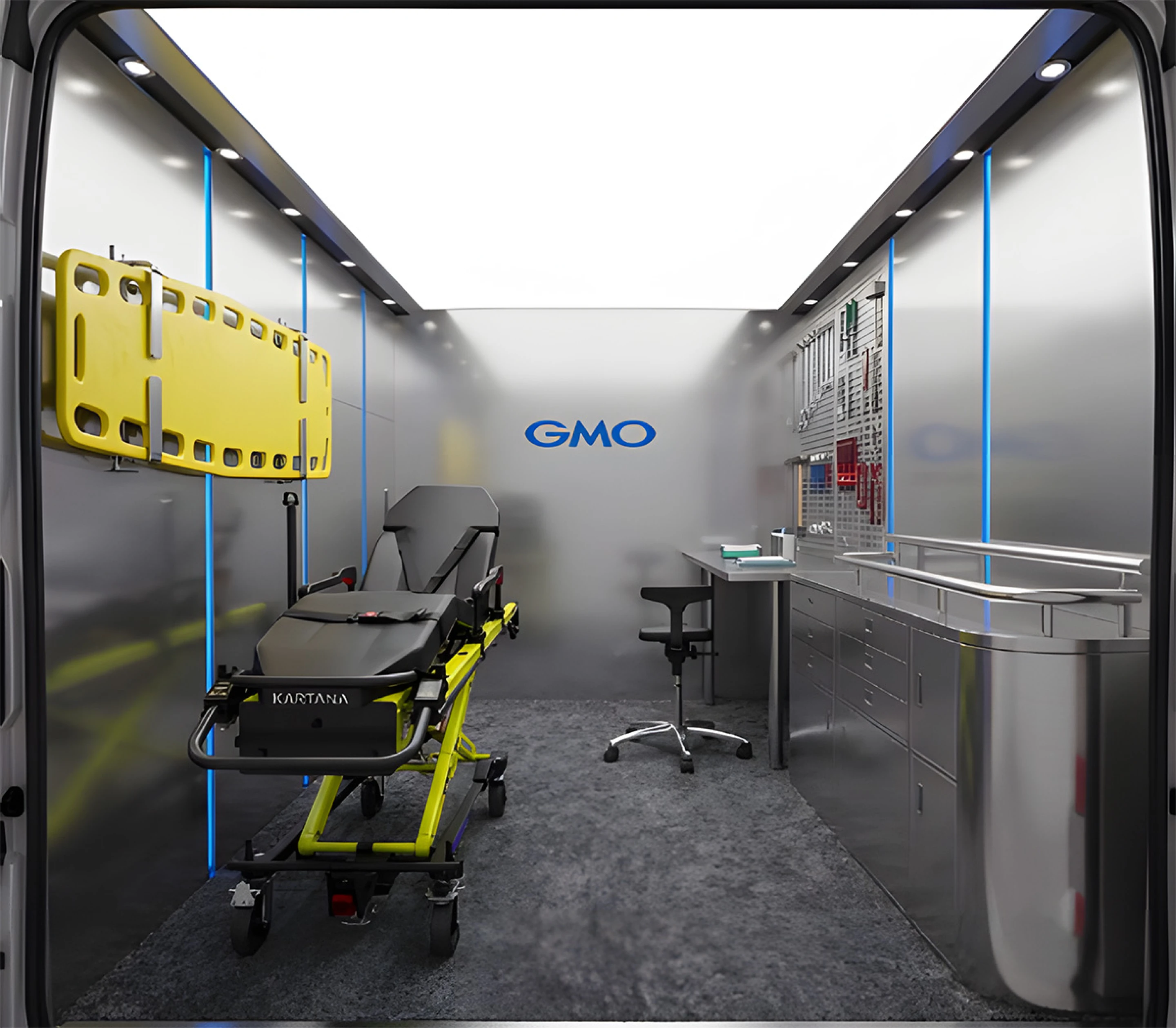
In addition to undertaking heavy physical handling work, this type of humanoid robot will also be equipped with high-precision sensors and artificial intelligence perception systems developed by GMO. While the ambulance is driving, the robot can monitor the patient's vital sign data in real time, and use AI vision and algorithms to assist emergency personnel with auxiliary care operations such as hemostasis, immobilization, and cardiopulmonary resuscitation. At the same time, the robot can also be used as a mobile data terminal to seamlessly transmit the patient's real-time physiological parameters and on-site conditions to the emergency team of the target hospital, gaining valuable golden time for subsequent in-hospital rescue.
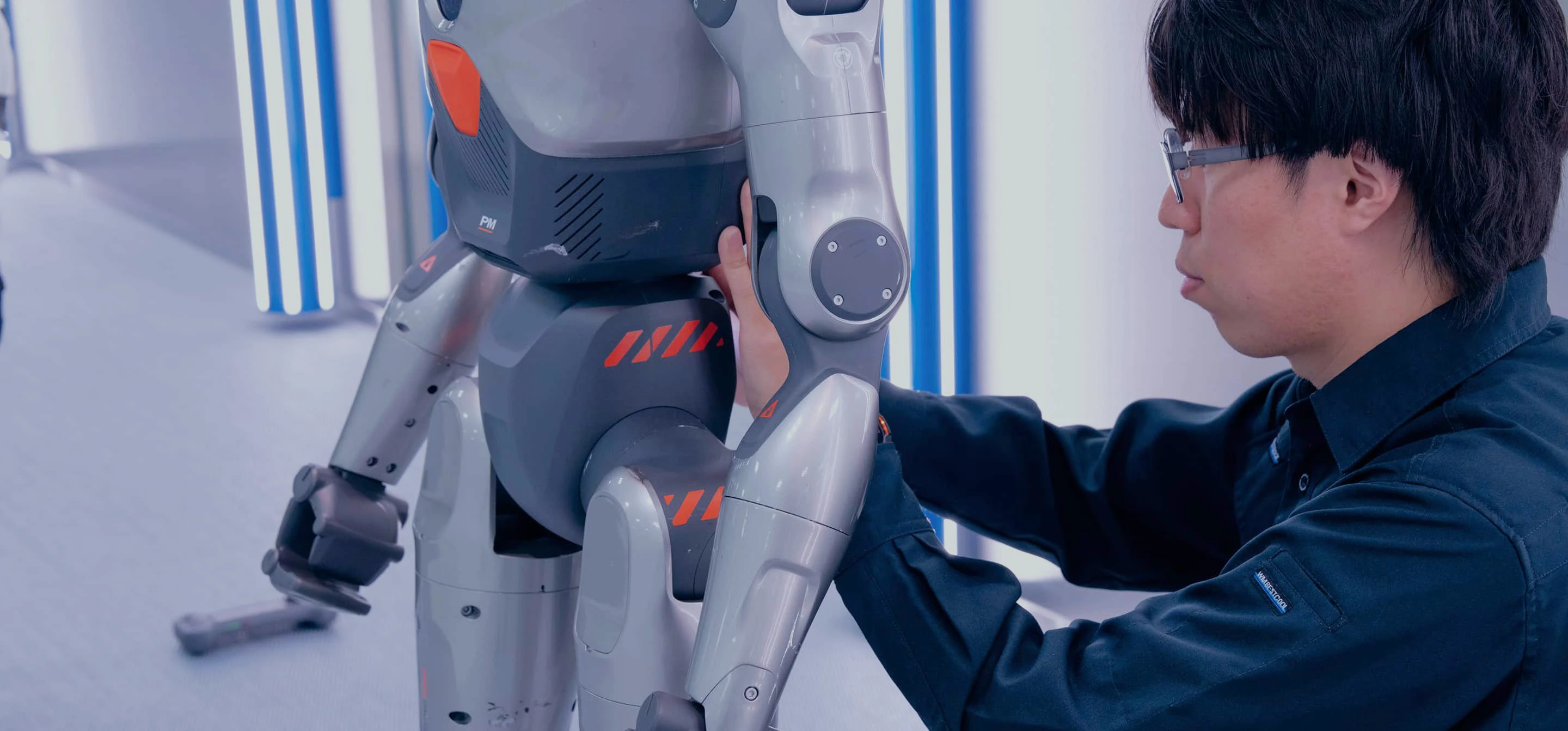
Sansei stated that the interior space of the ambulance is small and is accompanied by severe vibrations during driving, which places extremely high requirements on the robot's body size, dynamic balance control, and earthquake and fall resistance. The R&D team is customizing the trunk structure and fixed brackets of the humanoid robot for the internal environment of the emergency vehicle to ensure that it can operate stably in high-speed vehicles without taking up too much medical rescue space or causing safety hazards to personnel.
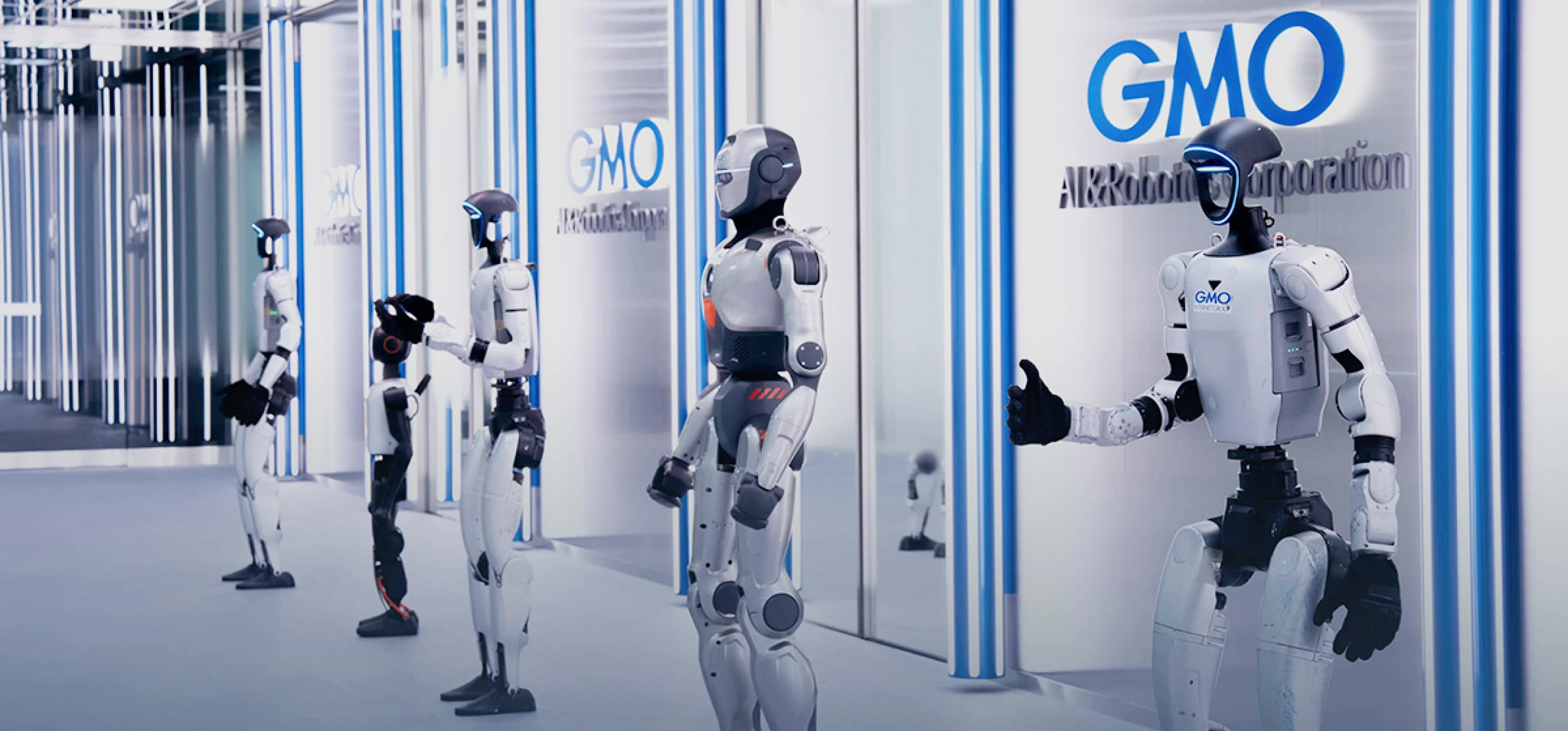
Industry observers pointed out that Japan took the lead in introducing humanoid robots in the field of medical emergency, which is an important technological attempt to cope with the pressure of social service security in a society with a declining birthrate and an aging population. With the increasing maturity of artificial intelligence, flexible drive and high-energy-density battery technologies, this collaborative rescue model of "first responders + AI humanoid robots" is not only expected to reshape the operating standards of modern emergency medical care, but also set a new benchmark for the implementation of humanoid robots in high-risk, high-intensity public service scenarios.
Comments