
Abstract:
"
It is more cost-effective to melt down a robot than to sell it!
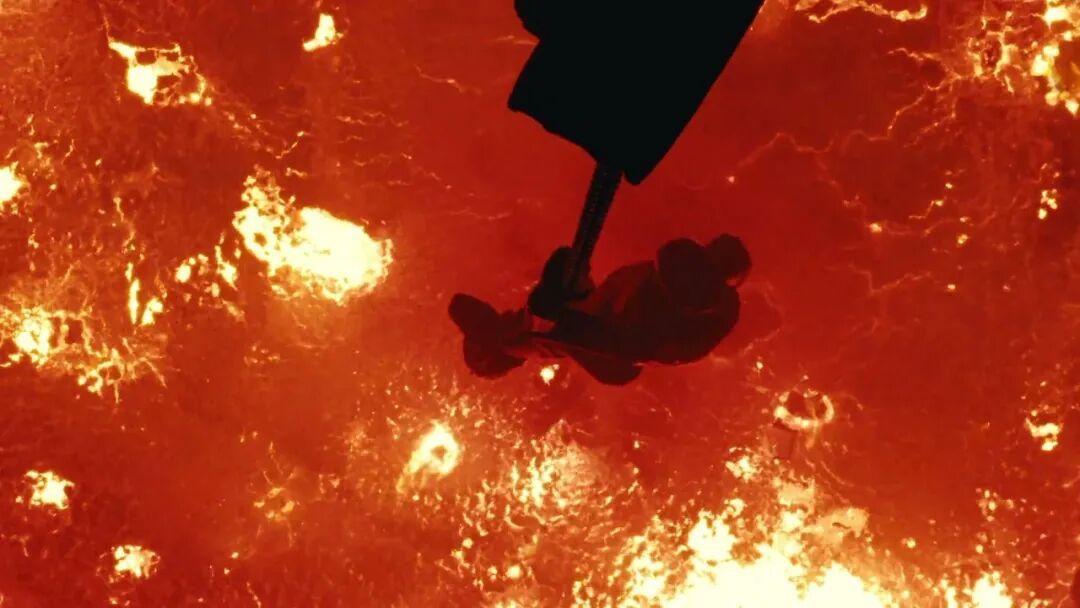
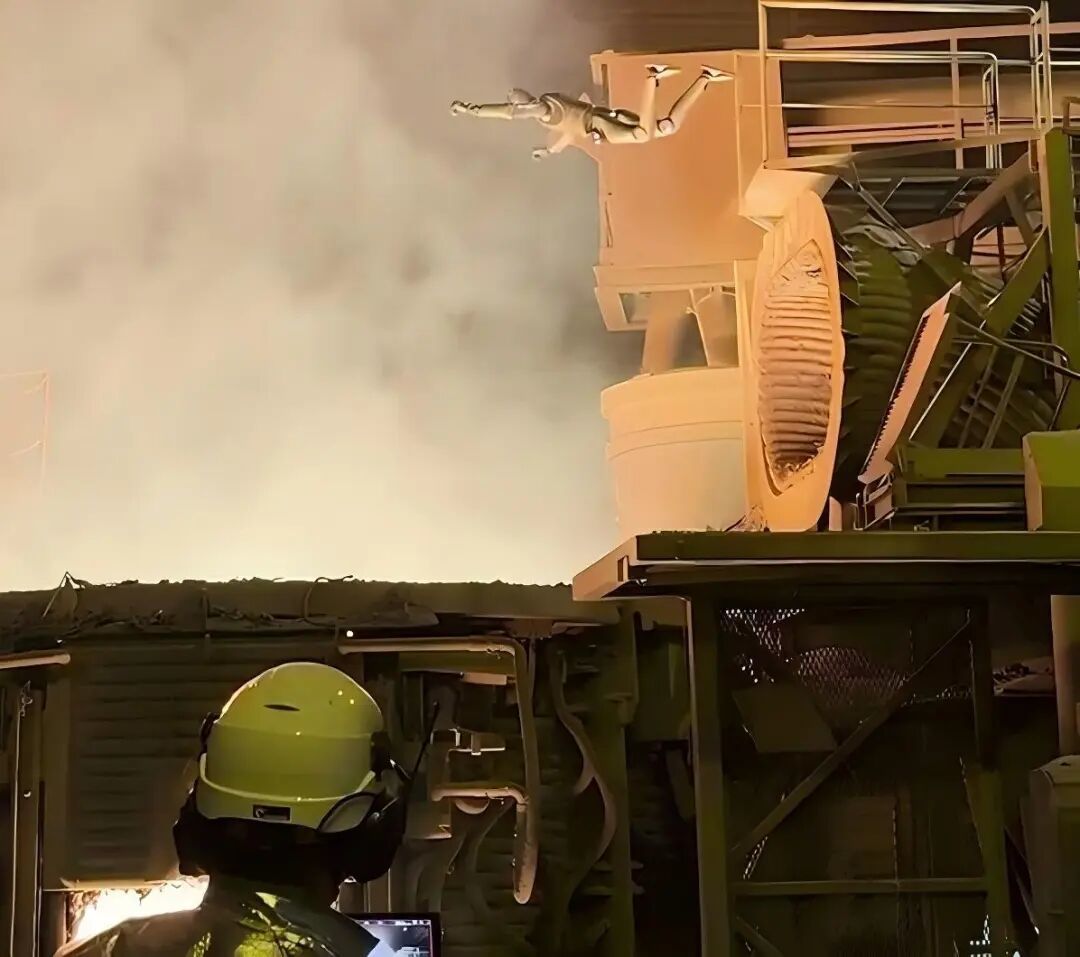
On September 30, 2026, Figure AI released the short film "F.02 Decommission". The company's second-generation humanoid robot F.02 was transported to Imatra, a small town in eastern Finland, and completed its final action in front of a 75-ton electric arc furnace - jumping into molten steel.
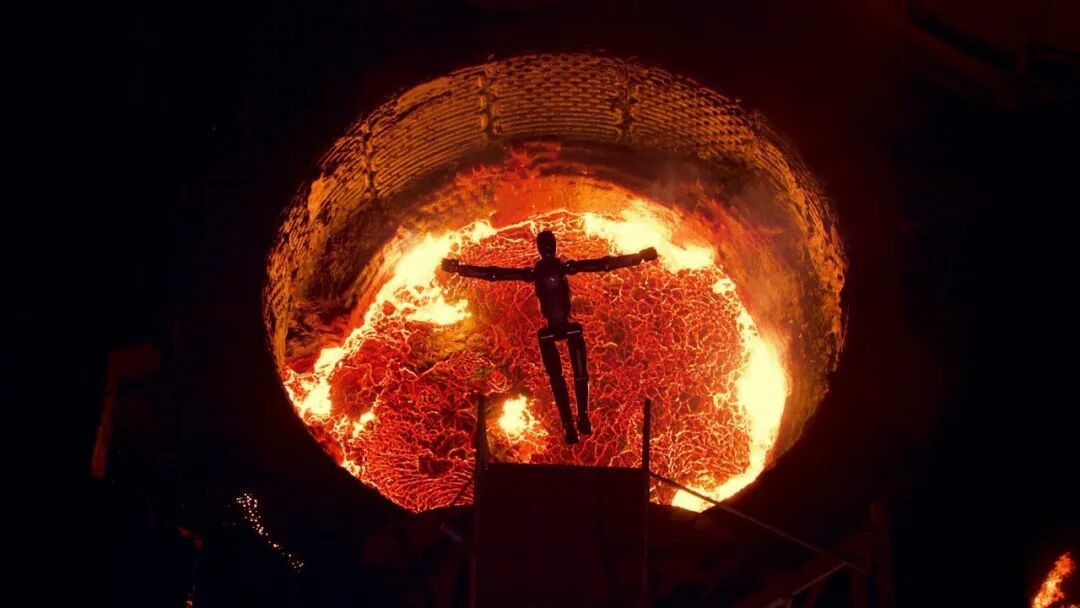
Arnold Schwarzenegger stood nearby wearing a full protective suit, leaving the words "Hasta la vista, F.02".

Beyond the screen, Figure is actually trying to solve a very practical problem: the warehouse can no longer be stacked.
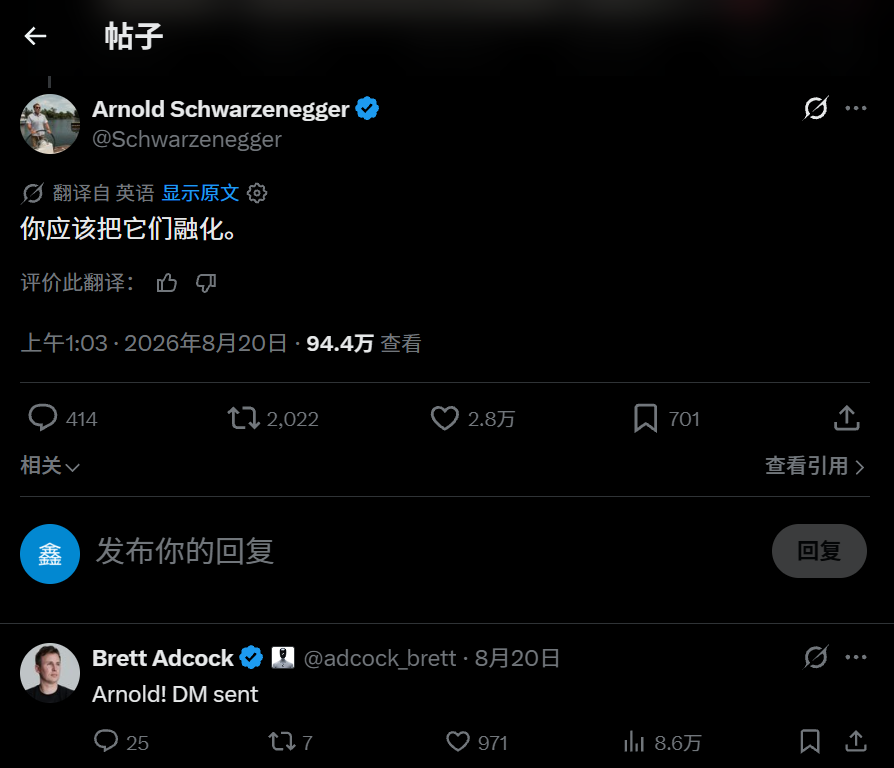
In August this year, founder Brett Adcock posted on social platforms, saying that the F.02 was a good machine, but the company had no place to put it, and asked netizens how to send it away. Someone suggested holding a charity auction, but he replied: No, it must be destroyed, otherwise the intellectual property rights will be leaked. Afterwards, he conducted a poll, and 1,422 people participated, and "Blow Up" took 46.3%. Schwarzenegger gave another option in his comments: You should melt them.
Melt down. Figure adopted. The official reason is that the F.02 is filled with proprietary hardware such as custom actuators, and dismantling one unit takes too much time for engineers and will slow down the progress of the F.04.
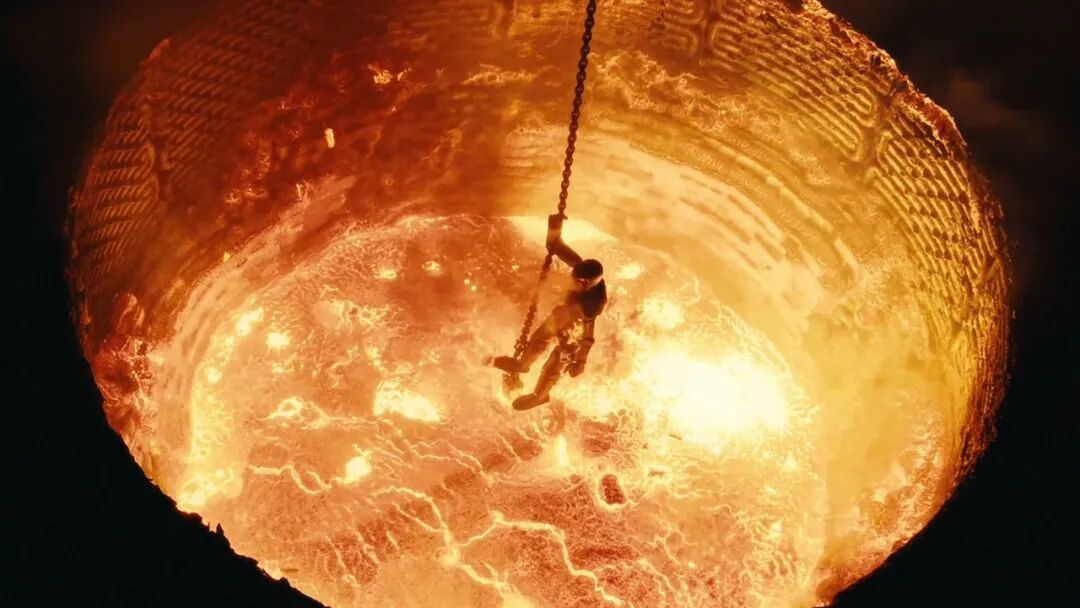
A company would rather put its entire fleet into a furnace than dismantle it, auction it, or change hands. The consequences behind this choice are more worthy of calculation than the short film itself. And if it chooses the furnace route, the robot has to jump in by itself - it is this additional condition that turns an asset liquidation into a globally reposted performance.
01.
There is a small rare earth mine, why doesn't Figure demolish it?
F.02 worked at BMW's Spartanburg factory for eleven months, moved more than 90,000 parts, and participated in the production of more than 30,000 X3s.
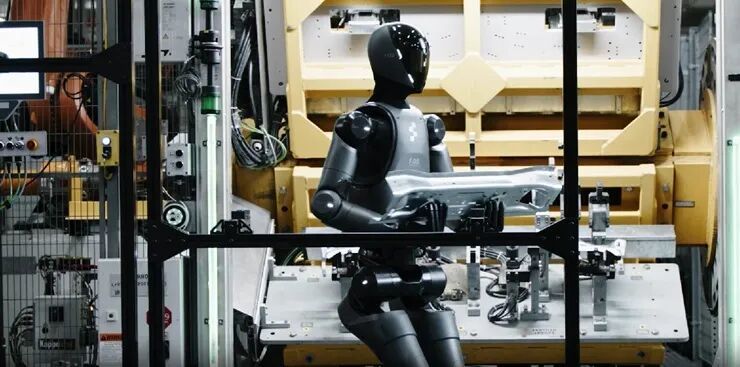
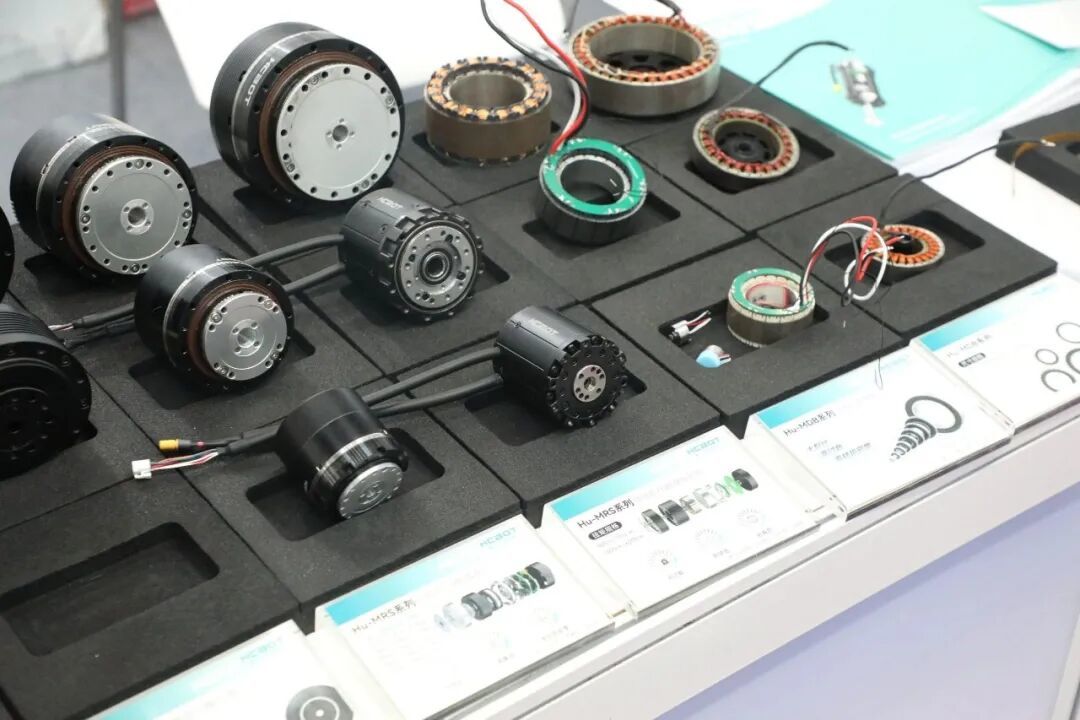
Global electronics recycler Re-Teck has calculated how much such machines are worth after they are retired. According to its disassembly estimates, a standard humanoid robot has 10,000 to 15,000 parts, 200 to 500 major subassemblies, 20 to 40 motors, and 1,000 to 3,000 special fasteners. The most valuable among them is 3.5 to 4 kilograms of NdFeB permanent magnets, all in the joint motor. According to Re-Teck, every retired humanoid robot has a small rare earth mine buried in its body.
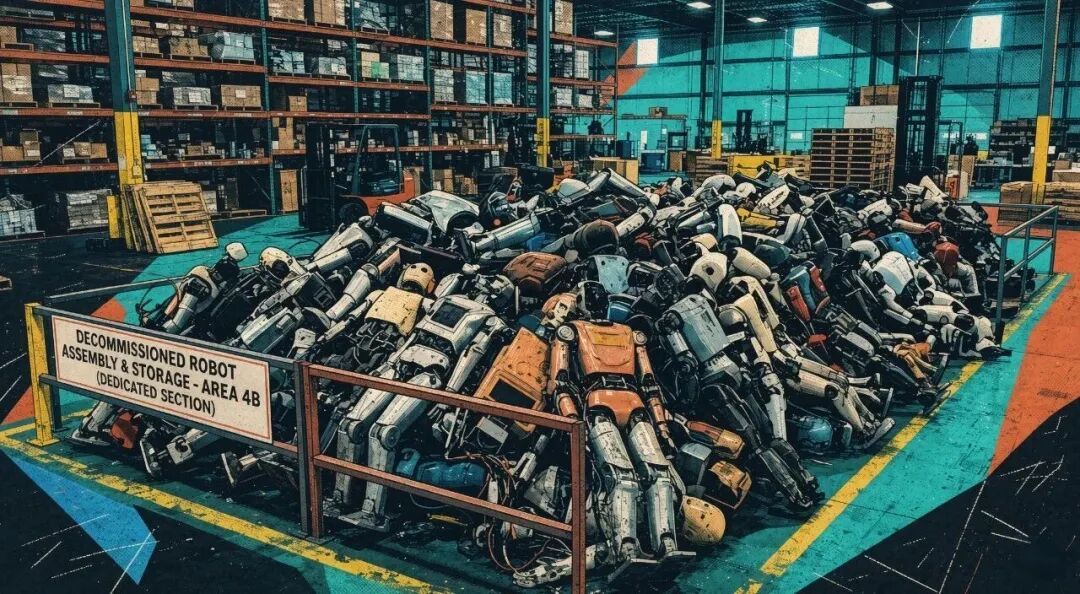
The problem is that the mine cannot be dug. The conventional method of recycling electronics is to crush the entire vehicle and then sort it. However, once the magnets are crushed, they are mixed with aluminum, titanium, and carbon fiber to contaminate each other, and finally become a pile of useless mixed waste. If you want to completely remove the rare earths, you can only dismantle them manually - find a skilled technician and remove them joint by joint.
Manual disassembly presents another layer of trouble for Figure: taking it apart means laying out all the internal structures for people to see, which is exactly the last thing it wants to happen.
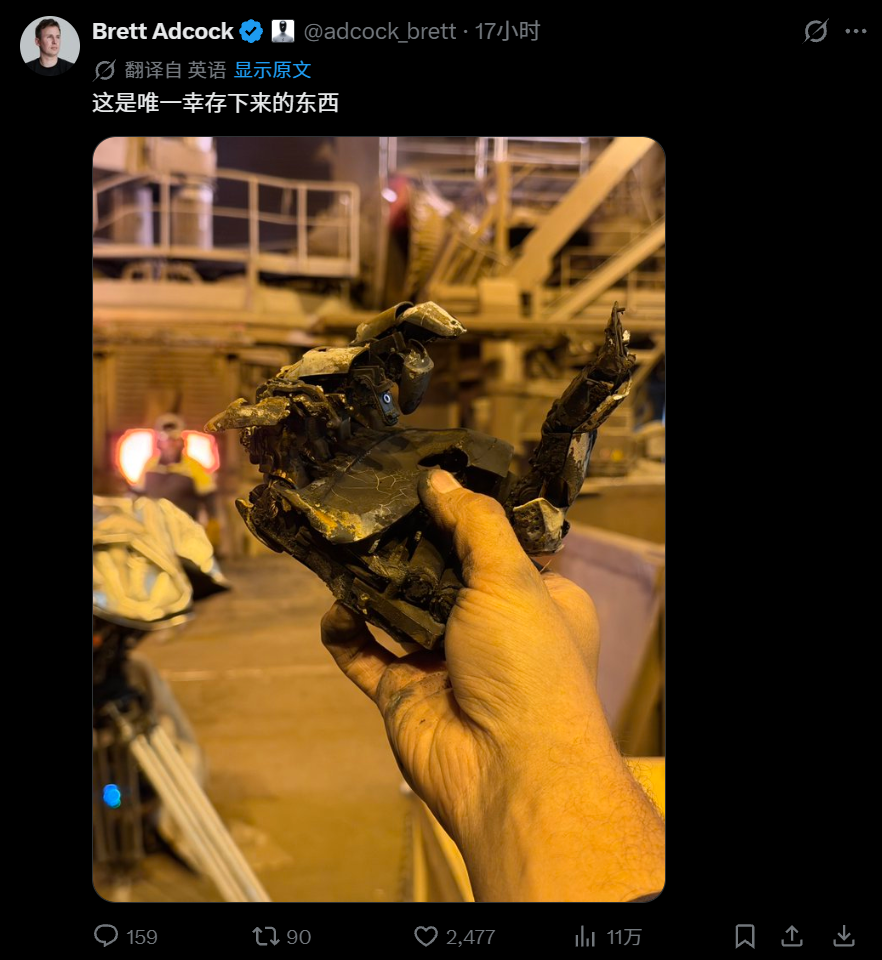
So it chose the cleanest path. This step didn't even get off the ground: Foundries in the United States and Mexico refused when they heard they wanted a humanoid robot packed with lithium batteries to jump into their furnaces. Figure once asked former members of "MythBusters" to help find a venue, but in the end only the factory in Imatra, Finland, nodded.
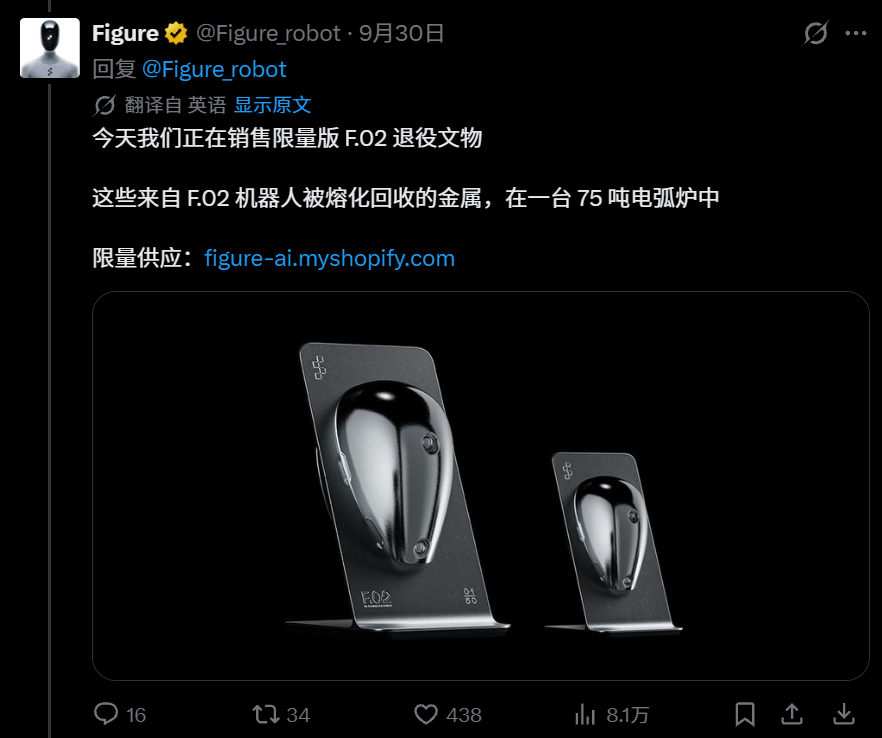
The steel ingots cast after cooling the molten steel have been shipped back to the United States and are being processed into limited edition commemorative F.02 collections for sale. The official only said that the quantity was very small, and the quantity and price were not announced. A destruction left behind a batch of souvenirs that could be sold.
There is another layer of account Figure that has not been mentioned. As long as there is a functioning previous-generation robot on the market, customers will have a ready reference when discussing the price of F.03. After most of the fleet was melted down, this reference point basically disappeared. For a company preparing to launch new products, the benefits of destroying old machines go beyond keeping secrets.
02.
What does "jumping into molten steel independently" prove?
At the San Jose headquarters, engineers rolled out giant air mattresses downstairs and let the robot jump down from the second floor over and over again. In order to make the movements more realistic, they found professional stuntmen as reference, and trained a new model in the simulation environment - the goal was to enable a robot that had never entered that factory to find the right position and jump in on its own.
The conditions in Finland are much harsher than those at the training ground. Three graphite electrodes supply the 75-ton electric arc furnace. Figure has a 24-hour window of 6 furnaces of molten steel. Each furnace only takes about 20 minutes from tapping to surface crusting. The high temperatures at the scene caused cameras and other electronic equipment to malfunction. According to Figure, the robot still completed its own strategy in this environment, and specifically emphasized at the end of the article: This is not an AI-generated picture.
How difficult this movement is depends on what you use as a reference.
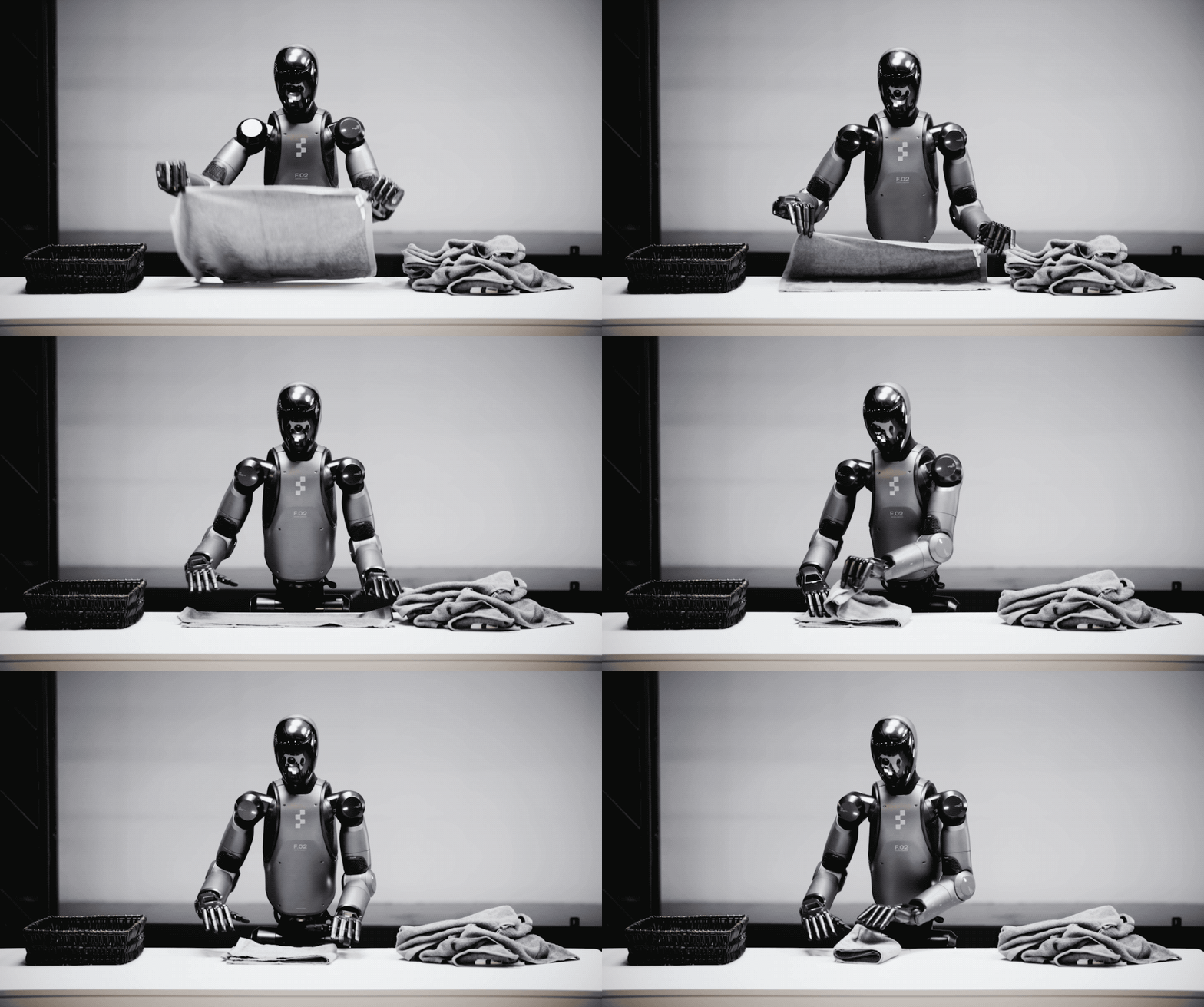
In the same year, media reported that Figure’s Helix 2.5 was used to do household chores such as making beds, folding towels, and putting away toys in 30 unfamiliar homes. It succeeded 237 times out of 420 trials, with a success rate of about 56%. This number is not an official figure for Figure, but Adcock himself has said that this version has not yet been able to work independently for a long time in any strange family.
56% and "seamless operation" seem contradictory when put together, but they actually measure two different things.
Jumping into molten steel is a one-time thing. If it jumps crookedly, it will be a piece of scrap metal. There is no image, and no one will know how many failed that day. It naturally does not produce a denominator. Folding towels is different, you can repeat it, you can count it, and every mistake is recorded.
Figure did not announce the success rate or number of retries for this jump, nor did it say how many movements after the jump were corrected in real time by onboard sensors, and how much was pre-calculated. Without these numbers, "seamless operation" can only be regarded as a manufacturer's statement, not a verifiable conclusion.
A jumping task with a clear target point, clear termination conditions, and which can be practiced repeatedly in the simulation is not on the same level of difficulty as an operation task that involves dealing with soft, deformable objects with an almost infinite number of placements in an unfamiliar room. If you can jump into molten steel, it means that the upper limit of motion control is high enough; if you cannot fold a towel, it means that the lower limit of general intelligence has not yet been reached.
The industry is stuck at the lower limit, but it does not mean that the production line will slow down. Machines are still being used for takeout and in factories and warehouses. Every machine that goes down the production line today will sooner or later face the same problem: which way to go on the day of retirement.
03.
If it were China, would this fire be successful?
Figure This set of operations can be successful, provided that it is disposing of its own assets and the venue is far away in Finland.
The system in China is moving in another direction. On March 1, the revised "Technical Specifications for Pollution Control in the Treatment of Waste Electrical and Electronic Products" (HJ 527-2026) came into effect, covering the pollution control requirements for the entire process of storage, dismantling, product utilization and disposal of waste electrical appliances, and clearly expanded the coverage of management objects. On April 1, the "Interim Measures for the Management of Recycling and Comprehensive Utilization of Wasted Power Batteries of New Energy Vehicles" issued by six departments including the Ministry of Industry and Information Technology came into effect. It implements "omni-channel, full-chain, and full-life-cycle" management, focusing on "integrated scrapping of vehicles and electricity." A national traceability information platform is also required to issue digital ID cards to power batteries. The entire process from production to scrapping is coded and the flow can be traced.
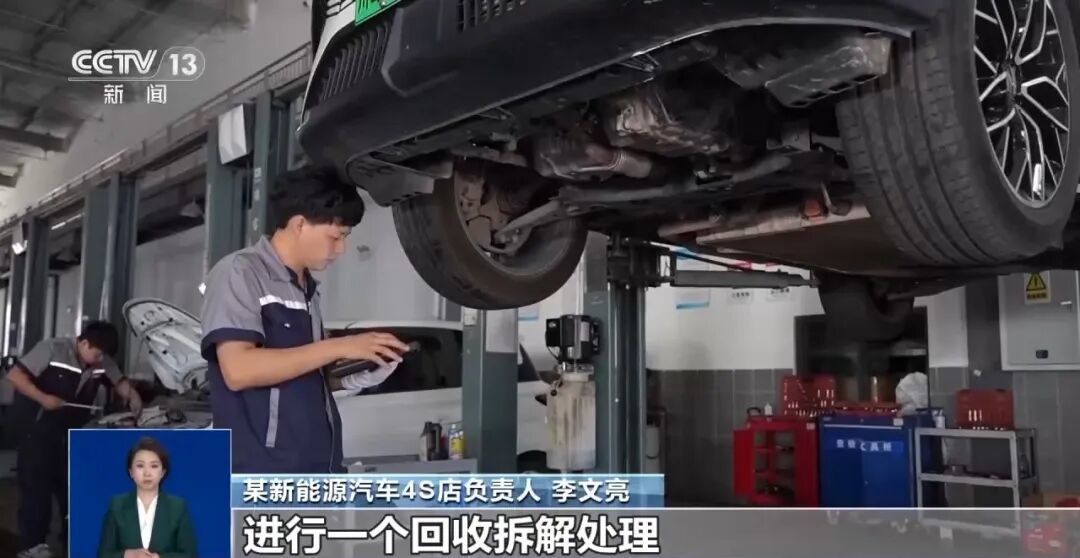
Neither of the two regulations is directly aimed at humanoid robots: one deals with discarded electrical and electronic products, and the other deals with vehicle power batteries. But they have mapped out what this system looks like - coding, traceability, traceable flow, and extended producer responsibility. Humanoid robots are equipped with batteries, storage and rare earths. When they are decommissioned on a large scale, they will most likely be included in this framework.
The hurdles Figure encounters will be more difficult to overcome under this set of ideas. When it was looking for foundries in the United States and Mexico, the reason for rejection was the lithium battery in the fuselage. The battery must be coded and the flow direction must be traceable. If the whole machine is put into the furnace with the battery, the accounts will not be reconciled.
The same is true for rare earths. 3.5 to 4 kilograms of NdFeB are all in the joint motor. China is the world's main production and processing place of rare earth permanent magnets. Mixing these into molten steel is unjustifiable from an industrial perspective.
The prices of new phones are still going down. Yushu Technology's prospectus shows that the unit price of its humanoid robots has dropped from 593,400 yuan in 2023 to 260,700 yuan in 2024, and further dropped to 167,600 yuan in the first three quarters of 2025. During the same period, the gross profit margin of its main business rose from 44.22% to 60.13%. The second-hand market has also collapsed. The old engineering prototypes that were bought for 300,000 to 800,000 yuan are now only sold for 30,000 to 60,000 yuan.
Figure sent away a fleet in a furnace. The more likely path for China in the future is dismantling, tracing, and remanufacturing. The two roads correspond to two different businesses.
04.
Why does this company have to specifically state "this is true"?
Figure specially added a paragraph at the end of the announcement: At a time when AI-generated images are flooding, it is necessary to make it clear - they really trained the robots to jump autonomously, really transported them to Finland, and really made them jump into molten steel.
It speaks volumes that a company has to specifically state "this is real" for its videos.
The reason is not hard to guess. For a scene of a robot jumping into molten steel, you can use a generation tool to create a decent version in a few hours and send it out. The number of reposts may be higher than the real thing. The audience can't tell the difference, and the platform doesn't mark it. Figure can only add a sentence at the end of the article.
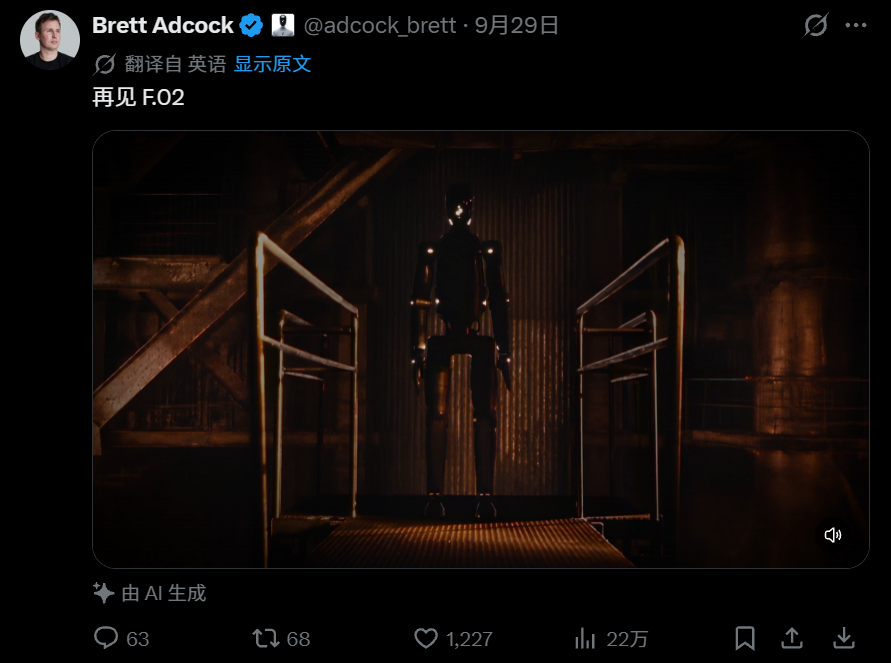
On September 28, Adcock first released a trailer, which was honestly labeled "Made with AI" - it was made by AI, but it was labeled.
After the feature film came out, things got a little out of control. Some reports on the Chinese platform add a lot of experiences to F.02 that have not been mentioned by the official: they say that it has passed the UL 1748 safety certification, that it has worked as a bilingual tour guide at Tokyo Haneda Airport for half a year, that it has sorted 37 million packages in Amazon warehouses, and that the weight (42 kilograms of special alloy) and battery (3 high-energy-density solid-state lithium batteries) are clearly stated. Looking back at Figure’s official announcement, there’s not a word of this.
When an international science and technology news enters the Chinese platform, it is often separated by several layers of narration. Each layer may be rewritten by the generation tool, and readers cannot see any annotations.
One part was made by AI and marked; one part was really taken and must be declared; the other ones were compiled by AI and were not marked.
The same machine is an asset that must be destroyed in Figure's ledger, leaving a success rate that cannot be falsified in its capability coordinates. In the institutional framework, it is sooner or later a pile of rare earths and batteries to be dismantled, but in the communication, it becomes another robot that has never existed.
Most of the F.02 fleet is gone, with a few remaining at headquarters. The status of the robots that are currently rolling off the production lines in China will depend on whether they are placed on a disassembly line or a furnace on the day they are retired.
Comments