
Abstract:
Pope Leo XIV recently issued another warning about the application of artificial intelligence in the military field, calling on governments to take specific actions to ban weapon systems that can independently determine attack targets and carry out fatal strikes. He emphasized that major decisions involving human life, freedom and the use of force must always be under effective, informed and responsible human supervision and cannot be left to artificial intelligence to make independently.
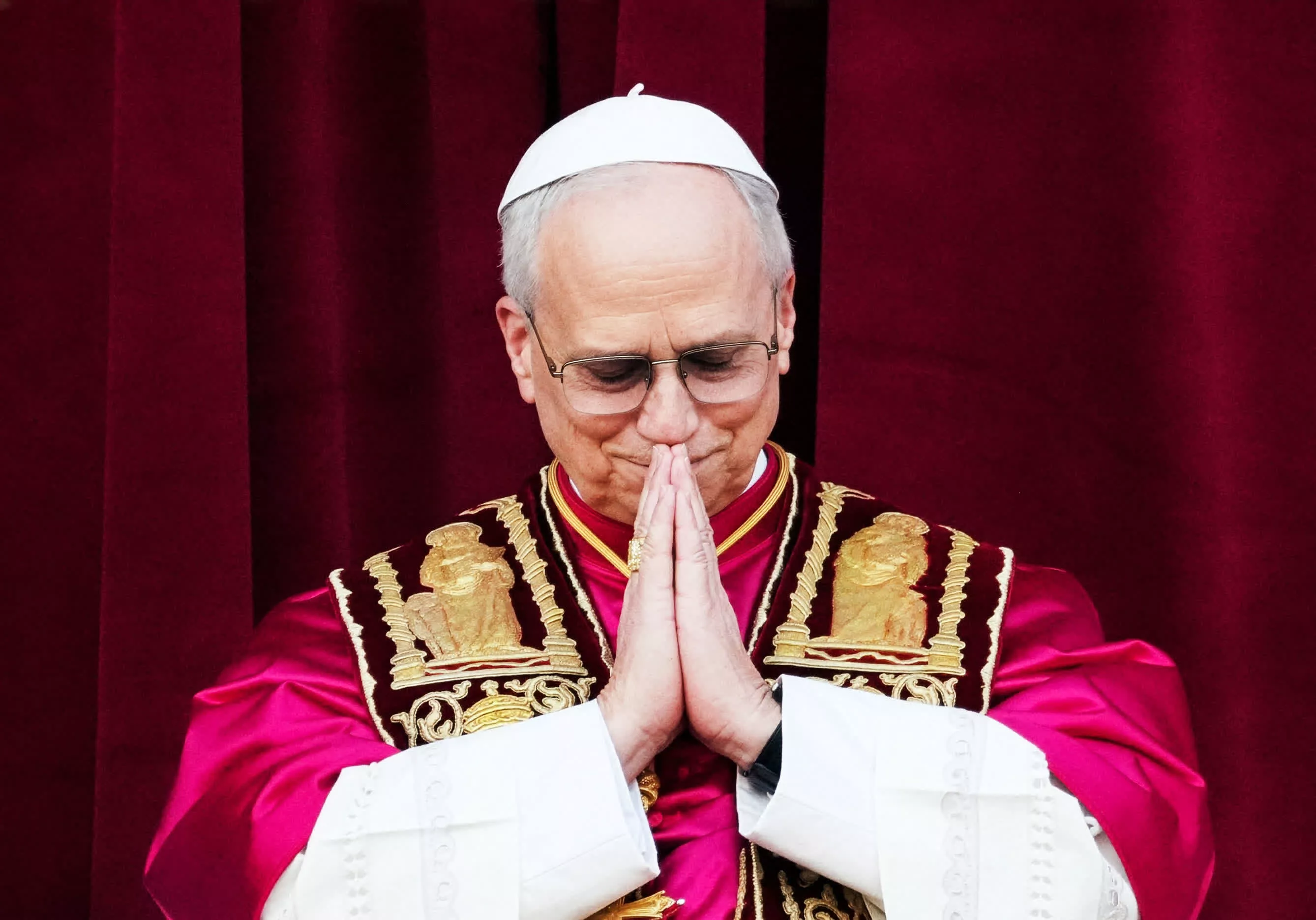
On October 30, local time, Pope Leo XIV met at the Vatican with scientists, technical experts and representatives of related institutions who participated in a special conference on artificial intelligence. The conference, titled "The Future of Artificial Intelligence: A Dialogue between the Vatican and the Scientific Community on the Development and Application of Intelligent Technologies," was co-organized by the Vatican's Pontifical Academy of Life Sciences and the Future of Life Institute and focused on the technical, ethical and social issues brought about by the development of artificial intelligence.
In his speech, the Pope recalled the speech delivered by his predecessor Pope Francis to the leaders of the Group of Seven in 2024. At the time, Francis described artificial intelligence as a tool that was both exciting and worrying, and made clear that no machine should be given the power to decide whether to take human life. Leo XIV believed that this warning is still relevant today.
Leo XIV pointed out that the future of artificial intelligence is not predestined. As a technology developed by humans, its development direction ultimately depends on humans’ own choices. Therefore, humans not only have the responsibility to guide the development of artificial intelligence, but also must change or even reject certain applications when necessary. The real question that needs to be discussed is not just what artificial intelligence can do, but more importantly, what purpose humans want it to serve.
He particularly emphasized that artificial intelligence must accept effective ethical constraints, especially not allowing algorithmic systems to decide who should be targeted or who should be subject to border control without substantial human supervision. Placing a person on a military target list or a border control database risks being reduced to a set of data, while the real lives and individual rights involved are ignored.
Therefore, the Pope called on countries to conduct the so-called "disarmament" of artificial intelligence, and specifically urged countries that are about to hold a relevant conference in Geneva, Switzerland, in November to take concrete measures to promote the ban on lethal autonomous weapons.
The so-called lethal autonomous weapons refer to weapon systems that can identify, select and attack targets without direct human intervention. With the development of artificial intelligence, computer vision, drones and automated military systems, this type of technology has become an important issue in the international community's discussion of military ethics and rules of war. The core controversy is that once machines gain the ability to independently decide attack targets, the attribution of responsibility, the consequences of misjudgment, and human control of war may all face new challenges.
In addition to military uses, Leo XIV also expressed clear objections to whether artificial intelligence should obtain legal personality. He pointed out that machines are just tools, not people. Artificial intelligence does not have real bodies, emotions, life experiences and interpersonal relationships, and it cannot understand love, friendship, labor and responsibility from its own experience.
He believes that if the artificial intelligence system is given legal personality or independent rights, it may obscure the real responsible subject. When AI causes harm, victims may have to deal with a technical system that cannot bear moral responsibility, and the responsibilities of developers, operators, and actual users may therefore become more unclear.
The Pope also emphasized that the development of artificial intelligence must serve the common interests of the entire society and cannot just become a tool for a few companies and interest groups to obtain power and wealth. The medical care, knowledge, tools and development opportunities brought about by technological progress should benefit different countries and social groups more equitably, especially those who are most in need.
In his view, there is currently no shortage of principled discussions on the ethics of artificial intelligence in the world. The real urgent issue is to establish a system that can transform these principles into practical constraints. The international community needs to formulate common standards, establish an independent supervision mechanism, and clarify the accountability system in the development and use of artificial intelligence, so that relevant decisions can be reviewed and effective remedies can be provided when damage is caused.
This speech continues the core position of Leo XIV's first encyclical "Magnifica Humanitas" ("Great Humanity") issued in May this year. The document lists artificial intelligence as one of the key topics, calls on countries to strengthen legal supervision to prevent technological development from harming human dignity, and warns that the application of artificial intelligence in war, the labor market, and public decision-making may have far-reaching impacts.
Leo XIV’s further focus on the issue of lethal autonomous weapons has also brought the Vatican’s position into a more direct connection with the international community’s ongoing discussions on military artificial intelligence governance. Relevant meetings under the framework of the United Nations Convention on Certain Conventional Weapons will be held in Geneva from November 16 to 20. International supervision of lethal autonomous weapons will be one of the topics discussed.
The Pope did not call for a complete cessation of artificial intelligence research, but advocated the establishment of clear boundaries for applications that may cause irreversible personal harm. He hopes that countries can establish effective regulatory systems through international cooperation to ensure that technology is always under human responsibility and control, rather than allowing the development speed of artificial intelligence to exceed the ability of human society to manage risks.
Comments