
Abstract:
According to the latest batch of official audit documents disclosed under the U.S. Public Records Act, some law enforcement agencies have long entered false, extremely vague or unfounded reasons to circumvent internal compliance reviews when calling the automatic license plate recognition (ALPR) network of the well-known security monitoring company Flock Safety. These records show that in the absence of strong external independent supervision, the high-precision vehicle movement monitoring network originally designed to combat major crimes is being abused by some police officers for daily snooping that lacks a legal compliance basis.
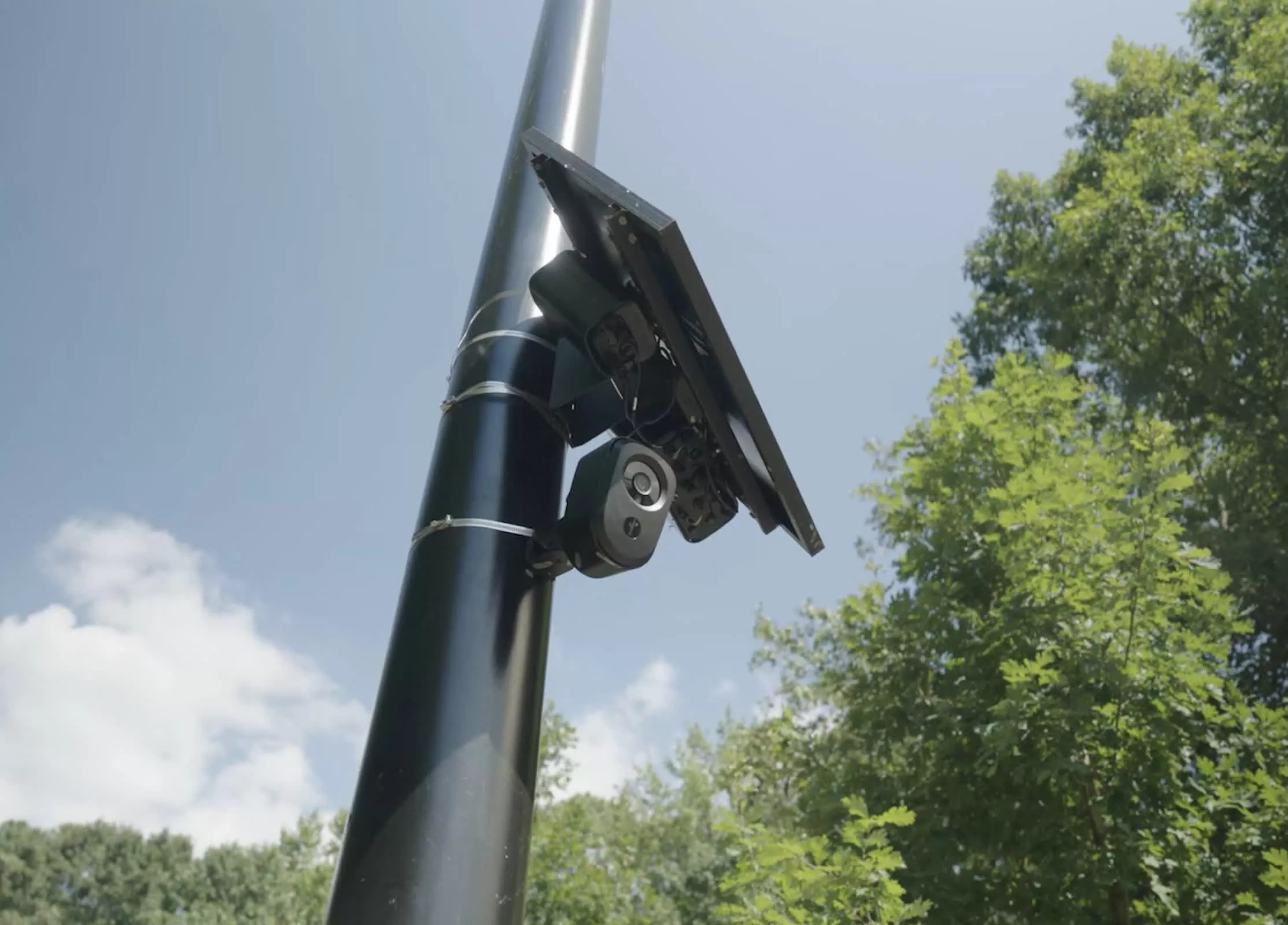
The automated license plate recognition network built by Flock Safety covers thousands of communities, business districts and traffic arteries across the United States. Its roadside solar cameras can capture passing vehicles around the clock, not only recording the complete license plate number, but also using AI computer vision algorithms to identify the vehicle's brand, model, body color, stickers and even vehicle damage details, and uploading massive amounts of whereabouts data to a cloud database. In order to prevent the abuse of public power and respond to the public's privacy concerns about "panoramic surveillance", various jurisdictions and system providers usually require law enforcement officers to enter clear legal reasons into the system when retrieving the historical whereabouts of vehicles, such as the associated specific crime case number (Case Number) or the reason for the criminal investigation, so as to establish an audit trail for subsequent tracing.
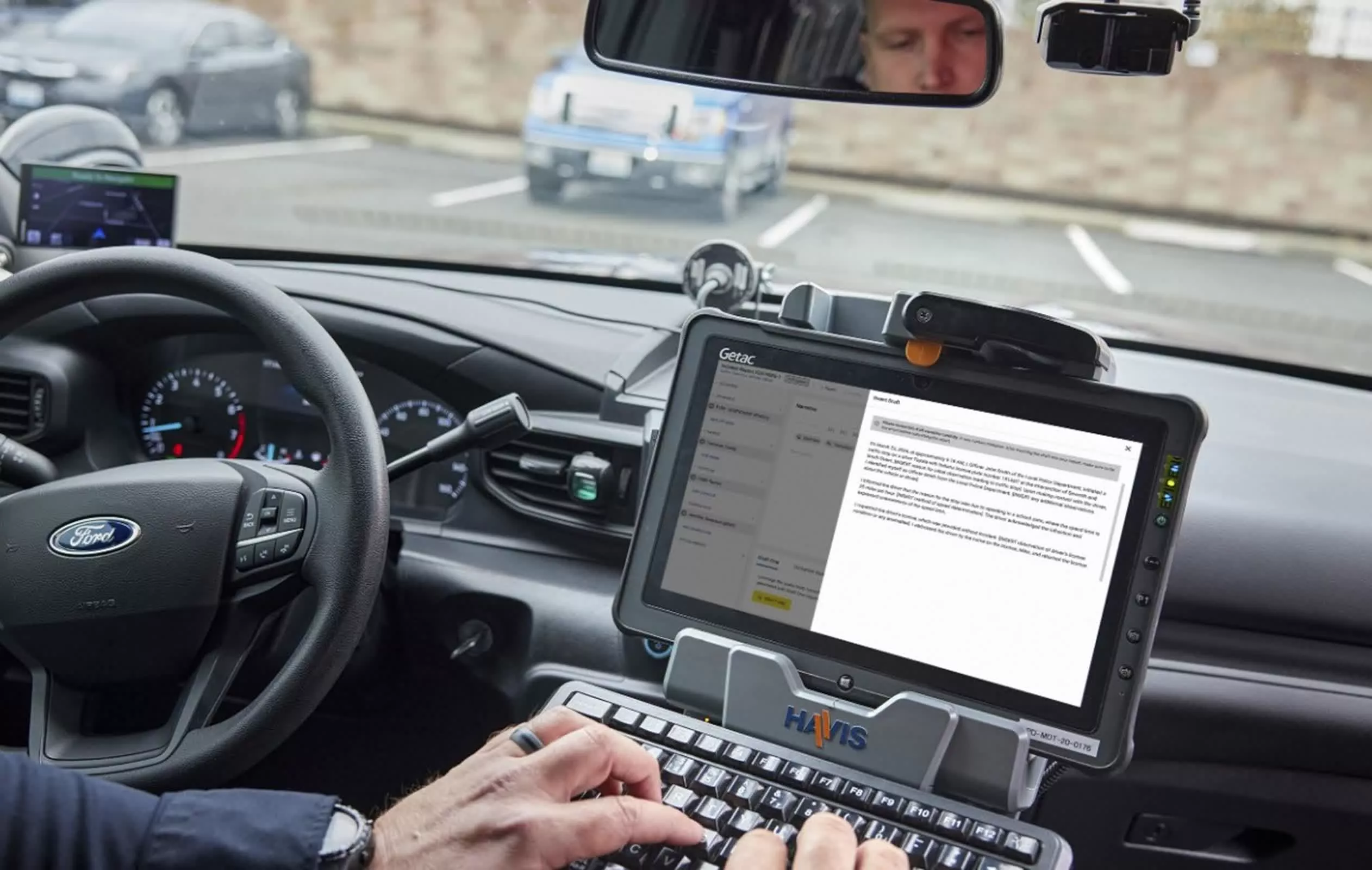
However, the latest system audit logs obtained show that this internal control mechanism that relies on law enforcement personnel to fill in the information consciously is ineffective. The records are full of credentials that police officers made haphazardly in order to quickly retrieve surveillance records. In a large number of query records, police officers only need to enter "test", "casual look", "daily patrol", "no case number", or even single letters or garbled symbols, and they can unimpededly retrieve the target vehicle's precise driving trajectory and timestamps across the city over weeks or even months.
Not only that, the audit records also exposed deeper breach risks. Some of the inquiries are said to have no connection to specific active criminal cases and involve unauthorized background checks conducted to track ex-spouses, acquaintances or simply out of personal curiosity. Civil liberties and digital privacy rights organizations severely criticized this, pointing out that license plate recognition technology is essentially building an indiscriminate panoramic monitoring network of the whereabouts of all citizens; when internal audit thresholds are perfunctory and false excuses are not blocked at the system level or personnel penalties are imposed, the abuse of surveillance power becomes an inevitable norm.
Privacy advocates call for legislative and regulatory agencies to no longer rely on formalistic "internal self-auditing" of public surveillance infrastructure dominated by private companies. Governments at all levels must issue legally binding mandatory regulations, establish a third-party periodic data audit mechanism independent of the police station, force the system to block query operations with missing compliance case numbers in real time, and hold law enforcement officers who violate regulations and misuse citizen's whereabouts big data accountable for legal and administrative responsibilities to prevent modern digital surveillance technology from further eroding citizens' constitutional privacy rights.
Comments