
Abstract:
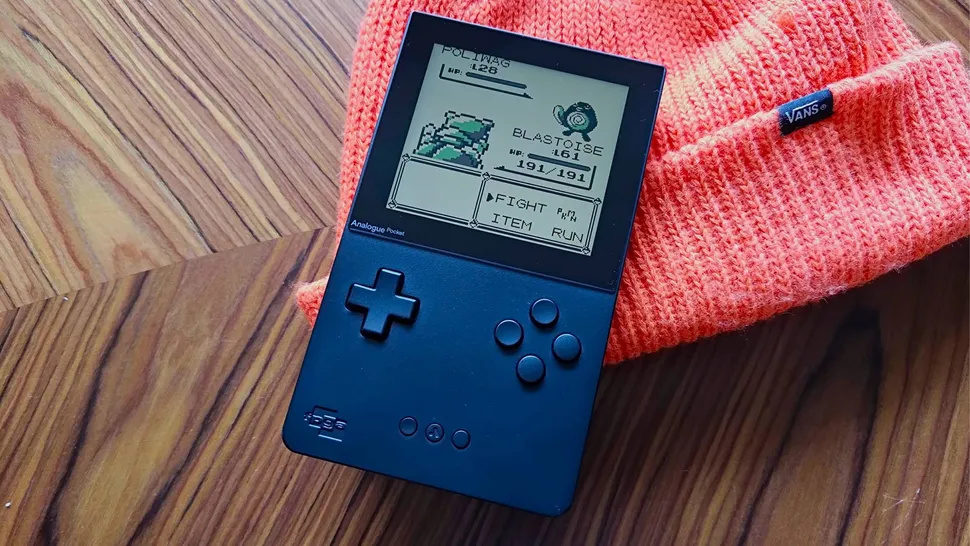
One of the most eye-catching features of Analogue Pocket is openFPGA - a name given to its support for multiple open source homemade simulators. But looking across all areas of the retro development community, the maintainers of these FPGA simulator cores have to deal with low-quality, improvised code from would-be contributors. The developer responsible for the SNES emulator for the Analogue Pocket platform is one of many developers who are frustrated by these AI-generated codes.
Yesterday, a contributor named nasonliu submitted an "experimental MSU-1 streaming" feature for Pocket's SNES core. MSU-1 is essentially a virtual enhancement chip designed for the console. It does not exist in reality. It is a standard established by emulator developers to allow Super Nintendo ROM modifiers to add CD-quality audio and similar optimizations to various games.
"It would be cool if it worked, I never thought I'd see anyone implement this feature," said agg23, the developer who ported the SNES FPGA core to Analogue Pocket. But you must have already felt the next twist. "You sent me a code change of nearly 50,000 lines without any application. It was completely generated by a large language model, and you actually expected me to review it," agg23 continued, "There is too much irrelevant junk code in it."
In other words, this MSU-1 feature contains 50,000 lines of machine-generated code, which agg23 must manually review line by line before it can be incorporated into the simulator core.
"This kind of behavior is unacceptable," agg23 added. "You forcefully push 'your' work with almost no mental effort, taking up other people's time and energy, and completely uninvited. I hope for the sake of all responsible maintainers, you will stop doing this kind of thing. Again, I think it's awesome that you and your big language model can make this happen. But this has no place in my world."
You may remember that the developers of the PS3 emulator RPCS3 also expressed a similar attitude. Earlier this year, they implored contributors to “no longer submit poor-quality AI-generated code.” It should be noted that RPCS3 does not completely prohibit contributors from using AI, but requires developers to thoroughly understand every line of code they write before submitting the code.
Many programmers firmly believe that AI is just a tool to improve coding efficiency. But in the community of enthusiasts who build emulators and explore new ways to play classic games, experienced developers are now being inundated with AI-generated code submitted by novices—novices who write code based on feel and don’t even fully understand what they are doing.
Comments