
Abstract:
The remake of Nintendo's classic game "The Legend of Zelda: Ocarina of Time" has made an amazing start on the Nintendo Switch 2 platform. In just four days after the game was released globally, sales exceeded 5.2 million copies, making it the fastest-selling Nintendo self-published game on the Switch 2 platform. This achievement not only broke the sales record for many works in the series, but also gave Nintendo an important market-leading work during the year-end holiday sales season.
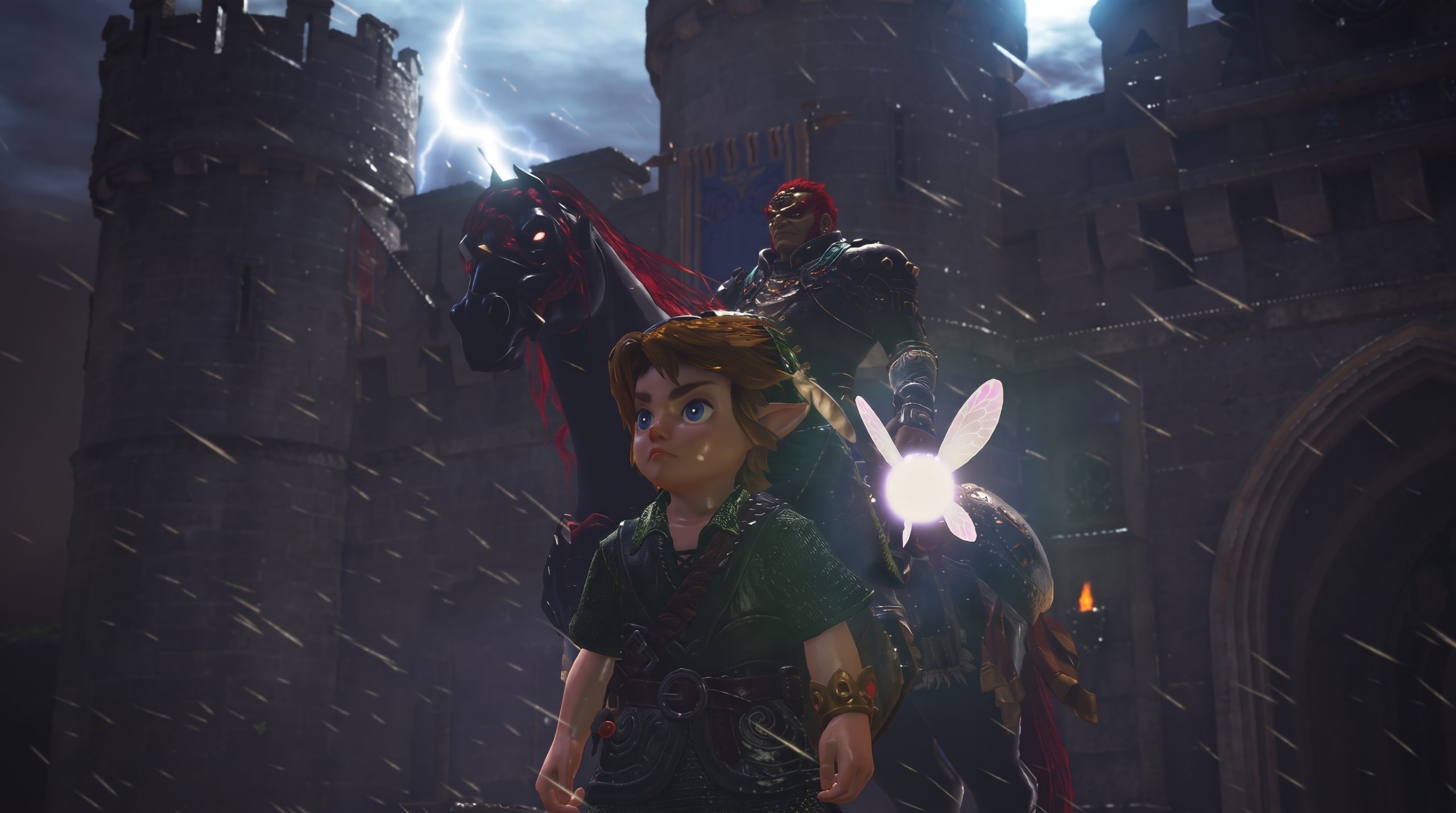
According to Wccftech report on November 13, 2026, Nintendo announced this sales data on November 11. The remake of "The Legend of Zelda: Ocarina of Time" officially launched on Switch 2 on November 5. Global sales exceeded 5.2 million copies in the first four days after its launch, of which the Japanese market contributed about 810,000 copies. The statistics include both physical and digital sales.
This work is a complete remake of the 1998 Nintendo 64 classic game "The Legend of Zelda: Ocarina of Time". The new version features remastered graphics, scenery, and character designs, as well as an orchestral score, character voices, expanded cutscenes, and a redesigned camera and operating system. While retaining the core experience of the original game, the game has also been adjusted to suit the operating habits of modern players.
The original version of "Ocarina of Time" has sold approximately 7.6 million copies on the Nintendo 64 platform. This remake reached approximately 68% of the historical sales of the original version in just four days, showing that this classic work still has strong market appeal nearly thirty years later.
Judging from the sales performance of the Switch 2 platform, the 5.2 million copies has surpassed the 5.05 million cumulative sales of "Dragon Strike: Full Power" previously announced by Nintendo, temporarily rising to second place on the platform's sales list. The number one ranking is still "Mario Kart: World" launched with Switch 2, with cumulative sales of 16.48 million copies as of September 30, 2026.
The performance of the "Ocarina of Time" remake also exceeds that of many newer games in the series. Its sales within four days have exceeded the historical cumulative results of "The Legend of Zelda: Reappearance of Wisdom", "The Legend of Zelda: Awakening of the Gods 2" and some handheld works. However, compared with the two most successful works in the series in recent years, there is still a clear gap: "The Legend of Zelda: Breath of the Wild" has sold approximately 35.76 million copies, while "The Legend of Zelda: Tears of the Kingdom" has sold approximately 22.71 million copies.
It is worth noting that the physical version sales in the UK market also performed well. According to local retail data, the physical sales of the "Ocarina of Time" remake in the first week were approximately 35% higher than the combined initial physical sales of "Breath of the Wild" on the UK Switch and Wii U platforms in 2017, making it one of the best-performing new games in the UK physical game market so far in 2026.
Nintendo’s launch of the remake also has obvious hardware promotion significance. In 2017, the original Switch gained strong market momentum with Breath of the Wild when it was launched. This work not only attracted original Nintendo users, but also caused many players who had not purchased a Nintendo console before to start paying attention to Switch.
Now, Switch 2 also needs heavyweight works that can attract consumers. Although "Ocarina of Time" is a remade game, its first-release results show that classic IP can still be an important force in driving new console sales. Especially in the context of rising memory chip costs and pressure on game console hardware prices, a widely known work can help Nintendo maintain market attention during the year-end shopping season.
Wccftech's report also mentioned a controversial historical background: before the advent of "Breath of the Wild", although the Zelda series had a large number of loyal players and a high industry reputation, it was not Nintendo's most commercially dominant game brand. Some previous works in the series have relatively limited sales, making it difficult to compare with Nintendo's core commercial IPs such as the "Mario" series.
"Breath of the Wild" changed this situation. It has redefined the gameplay structure of the series and attracted a large number of new players through its open world design, free exploration mechanism and highly open physical interaction system. The subsequent launch of "Tears of the Kingdom" further consolidated this market position, making the Zelda series develop from a classic action-adventure game in the traditional sense to one of Nintendo's most important global commercial brands.
The success of the "Ocarina of Time" remake also shows that Nintendo does not necessarily need to completely change the gameplay of classic works to regain market attention. As long as the graphics, controls, and experience are properly modernized, it's still possible for a title with a strong player base to perform well on a new generation of hardware.
From a business perspective, what Nintendo gained this time was not only a successful game launch, but also an opportunity to further prove the value of the classic game library in the early stages of the launch of Switch 2. The four-day sales of 5.2 million copies is enough to make the "Ocarina of Time" remake an important work on the platform. Whether it can continue this momentum and challenge the cumulative sales of "Breath of the Wild" and "Tears of the Kingdom" will depend on subsequent market performance.
Comments