
Abstract:
The following is a review released by foreign media Wccftech on the Nintendo Switch 2 version of "The Legend of Zelda: Ocarina of Time" (The Legend of Zelda: Ocarina of Time) remake. Author Nathan Birch gave it a super high score of 9.5/10, describing it as "a new benchmark for classic remakes". Not only is it completely worth playing, it is even hailed as the unshakable pinnacle of the series.
It is never easy to remake a classic old game, and Nintendo has set itself an extremely difficult task with the upcoming Switch 2 version of "The Legend of Zelda: Ocarina of Time." Nintendo's classic on the N64 platform is undoubtedly the most critically praised work in the history of gaming, and it has incredibly maintained this throne for nearly three decades. It is not only a milestone in the development of early 3D games but also the entire action-adventure genre. As everyone has seen since the remake was announced, players have their own obsession with every polygon and pixel of the original version. Even Eiji Aonuma, the veteran producer of the series, said he was "quite nervous" about the remake.
So, does the new version of "The Legend of Zelda: Ocarina of Time" retain the wonder and excitement of the original? Or is it that its magic tank has bottomed out? You will find out after reading this review.
The beginning of a legendary story
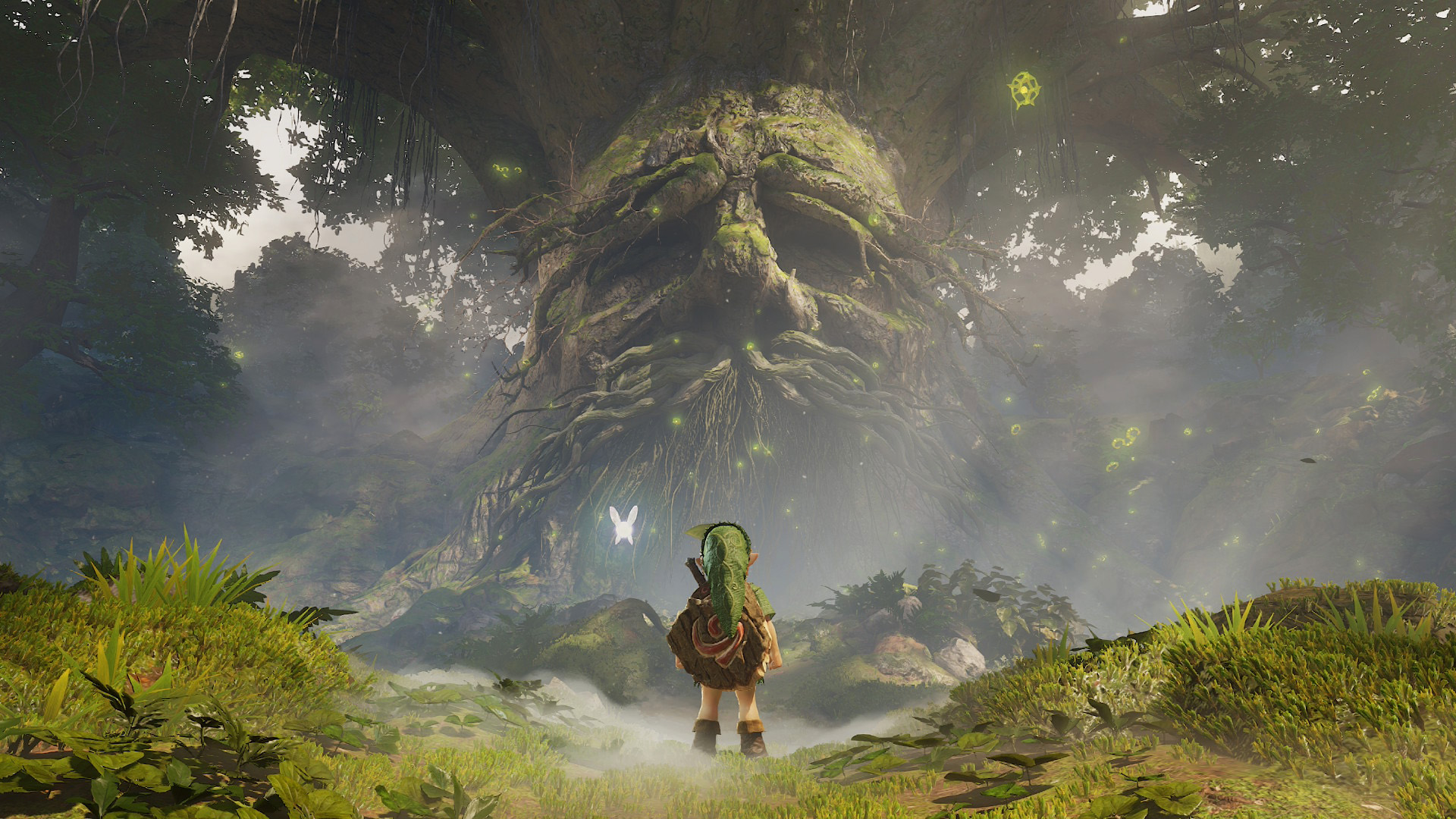
While it's hard to imagine anyone being completely unfamiliar with the story of The Legend of Zelda: Ocarina of Time, I have to remind myself that the game is indeed nearly thirty years old. Players will play Link. When the story begins, he is the only child among the eternally childlike Kokiri tribe who does not have a fairy companion. However, the elder of the Deku tree who guards the forest has serious physical abnormalities, so the elder appoints the fairy Navi to accompany Link and asks him to destroy the monster that has taken root in his body. It turns out that an evil man named Ganondorf placed a curse on the Deku tree. Link is then sent to Hyrule Castle to warn Princess Zelda of this looming threat.
As usual in the series, the princess gave Link a task: to collect three spirit stones. Link successfully gathered them after going through many hardships, but when he returned to the royal city, he saw a hellish situation in front of him. The city of Hyrule fell, and when Link rushed to the castle gate, he happened to see Zelda fleeing in a hurry under the escort of bodyguard Impa, with Ganondorf chasing after her. Zelda desperately throws the Ocarina of Time to Link while running away. Link used the Ocarina and the Spirit Stone to open the secret chamber of the Temple of Time, thereby opening the door to the legendary Triforce and the Holy Land. But unfortunately, the wily Ganondorf had already expected that the immature hero would do this, and took the opportunity to seize the Triforce and invade the Holy Land, while Link was exiled through time and space at the last moment. The real adventure begins here.
Narrative, worldview and growth epic
Although some people have tried to disparage "Ocarina of Time", saying that it was just amazing at the time, I have always firmly believed that from the perspective of storytelling, worldview construction, and the overall rhythm and structure of the campaign process, it is legitimately the best "Legend of Zelda" game in history. It’s a well-executed coming-of-age story that perfectly captures the stumbling steps of entering a new world—freedom, exploration, danger, and, of course, girls (in this game, the female characters do have a crush on Link, don’t they?). After the time and space jump, the game cleverly incorporates deeper and darker clues, such as death, loss, responsibility, and the subsequent melancholy and relief. The design of the main campaign perfectly reflects this mental journey: the first half is brisk and exciting, but the second half takes a sharp turn, becoming darker and more dangerous. The game presents a chapter-like structure. Every area and maze temple you explore has its own unique atmosphere and irreplaceable meaning in the overall campaign.
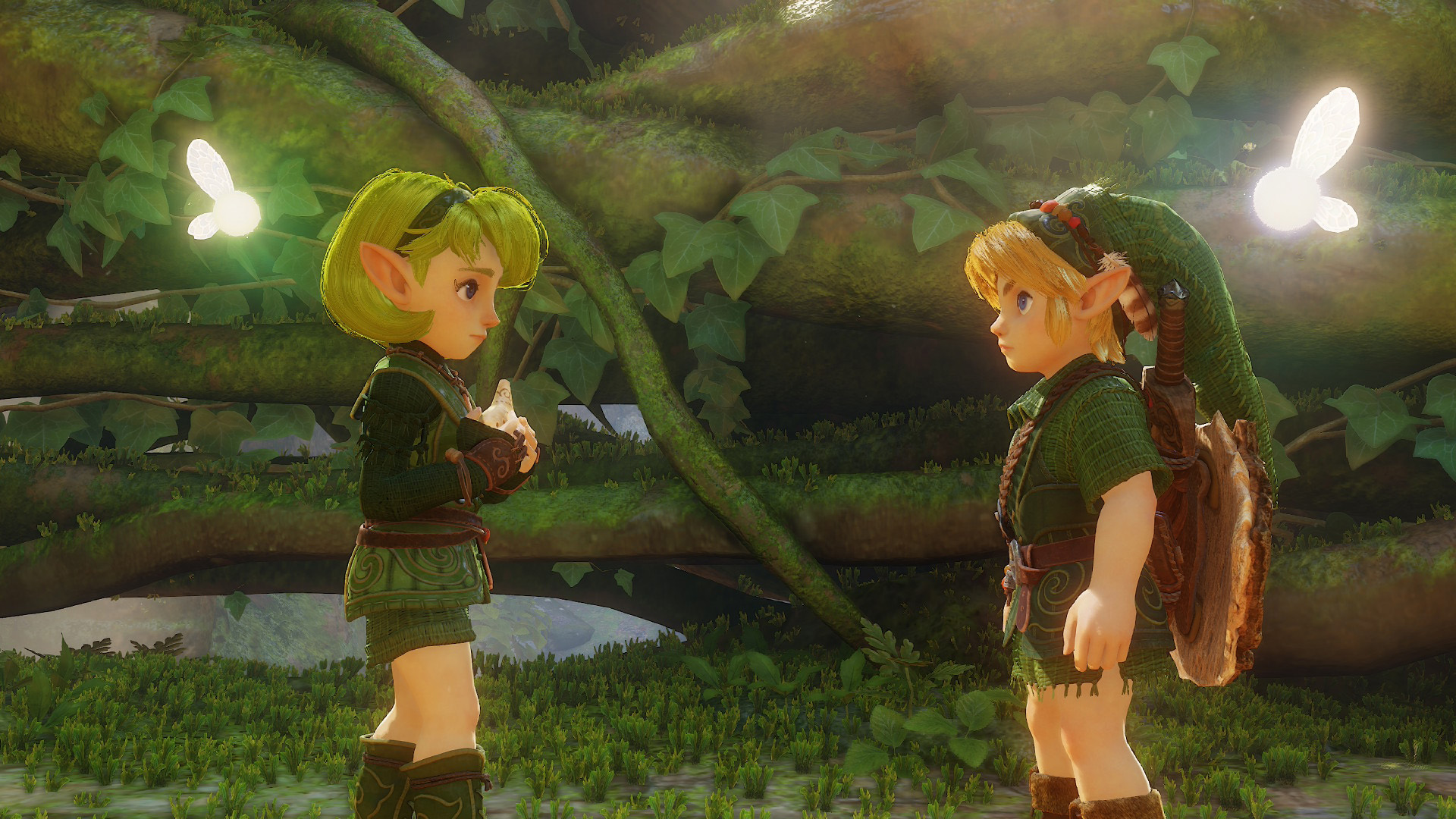
I’m pleased to report that the remastered version of Ocarina of Time accurately retains and sublimates the original’s fantastic story, worldview, and campaign experience. Those touching scenes in the original version, but unable to be fully realized due to the limitations of the N64's capabilities, are now transformed into highly contagious emotional climaxes through detailed and lifelike cutscenes and solid dubbing. The scene where Link says goodbye to Thalia before embarking on his journey is now heartbreaking, and the shock of facing Ganondorf's oppression for the first time is spine-chilling. I'm very pleased that Nintendo didn't shy away from the gloomy and gloomy undertones of the story, while at the same time retaining the original funny and nonsensical fun parts.
Puppet animation texture and stunning audio-visual transformation
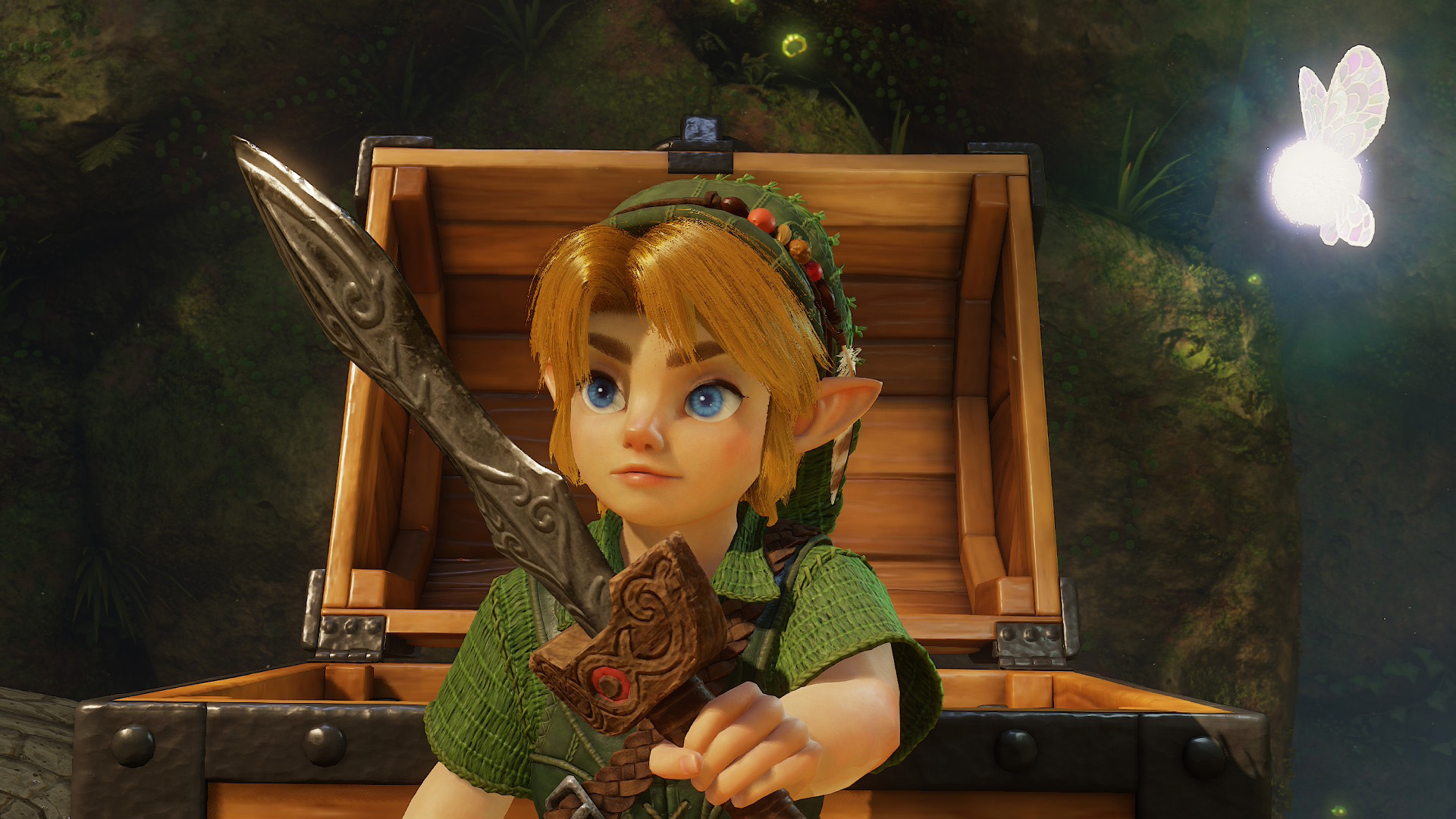
The overall visual presentation of this work is extremely brilliant. Those early preconceived complaints that the graphics looked like “Unreal Engine Demo” or “bad AI textures” were completely unfounded. This game is actually filled with a very unique and interesting personality. After the announcement of the remake, Takaya Imamura, the original designer of "Star Firefox", published a post speculating that the game might draw on a marionette-like visual style similar to "Star Firefox". Now it seems that this speculation has been completely successful (Nintendo officials later confirmed this). Most of the passerby NPCs in the game have a strong puppet show feel to them, with some even looking like they were carved out of sponge foam (which is a completely complimentary compliment). The characters have a great physical touch and are brimming with weird, unique charm.
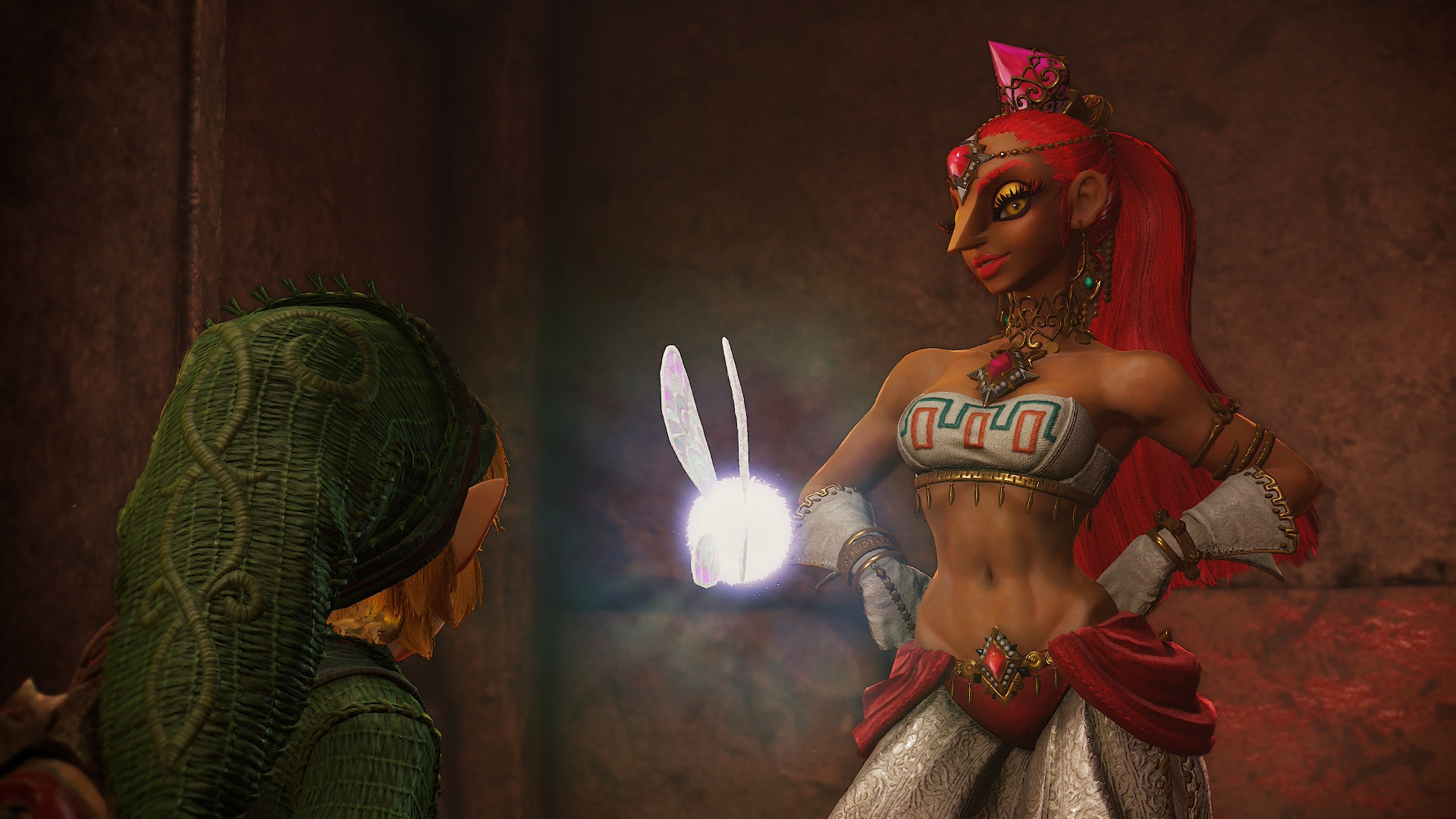
What’s even more amazing is that the core highlights are completely focused on several key characters: Zelda, Ganondorf, Thalia, and Link himself. Okay, the baby Link does sometimes look a bit like he's ready to kill you at any moment, but the adult Link is arguably the best-drawn version to date. As for adult Zelda? There is no doubt that she is the most beautiful and best version we have ever seen. The whole work perfectly blends fairy tale color with Jim Henson-style puppet fantasy, and perfectly fits the atmosphere of the story.
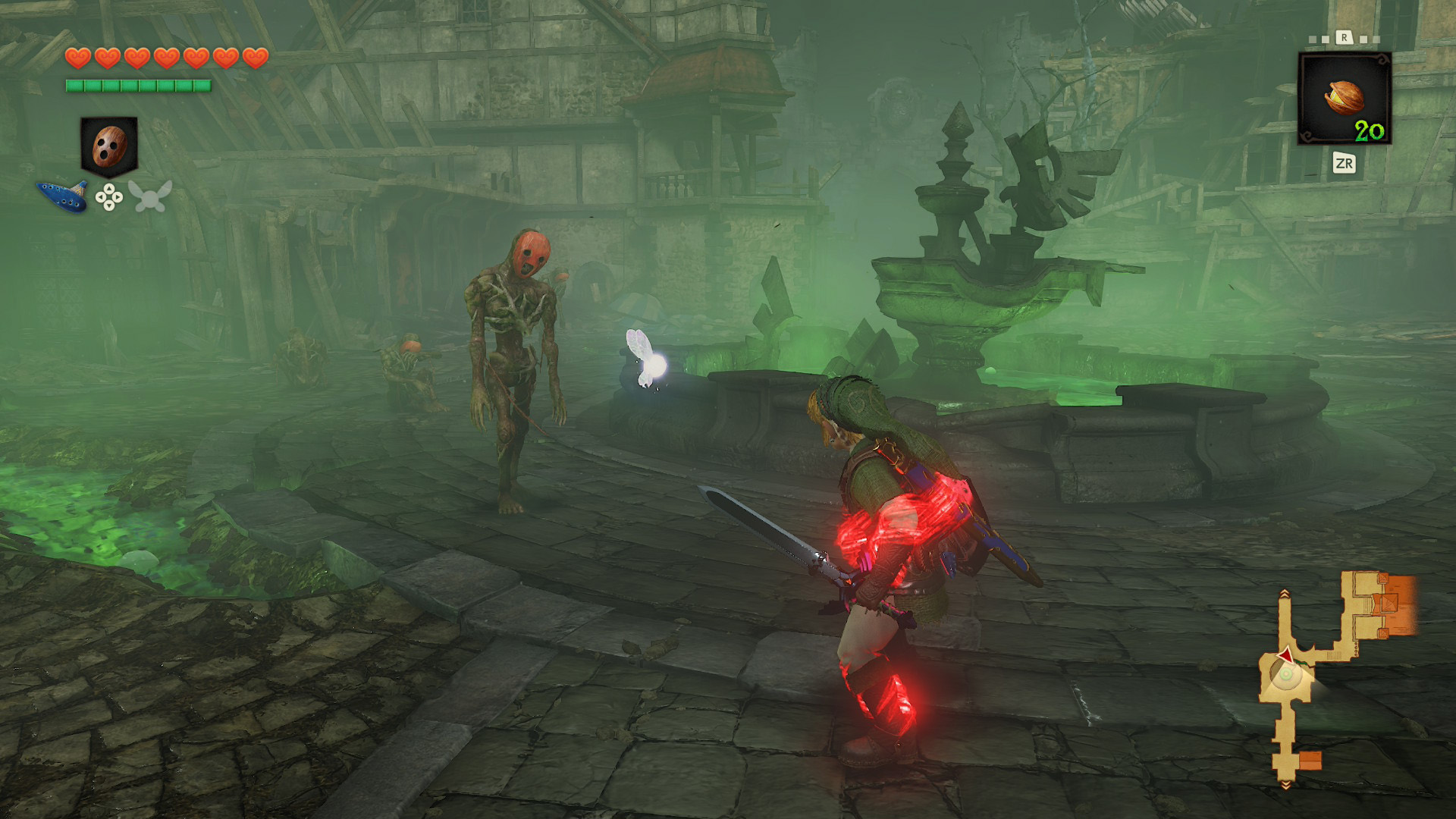
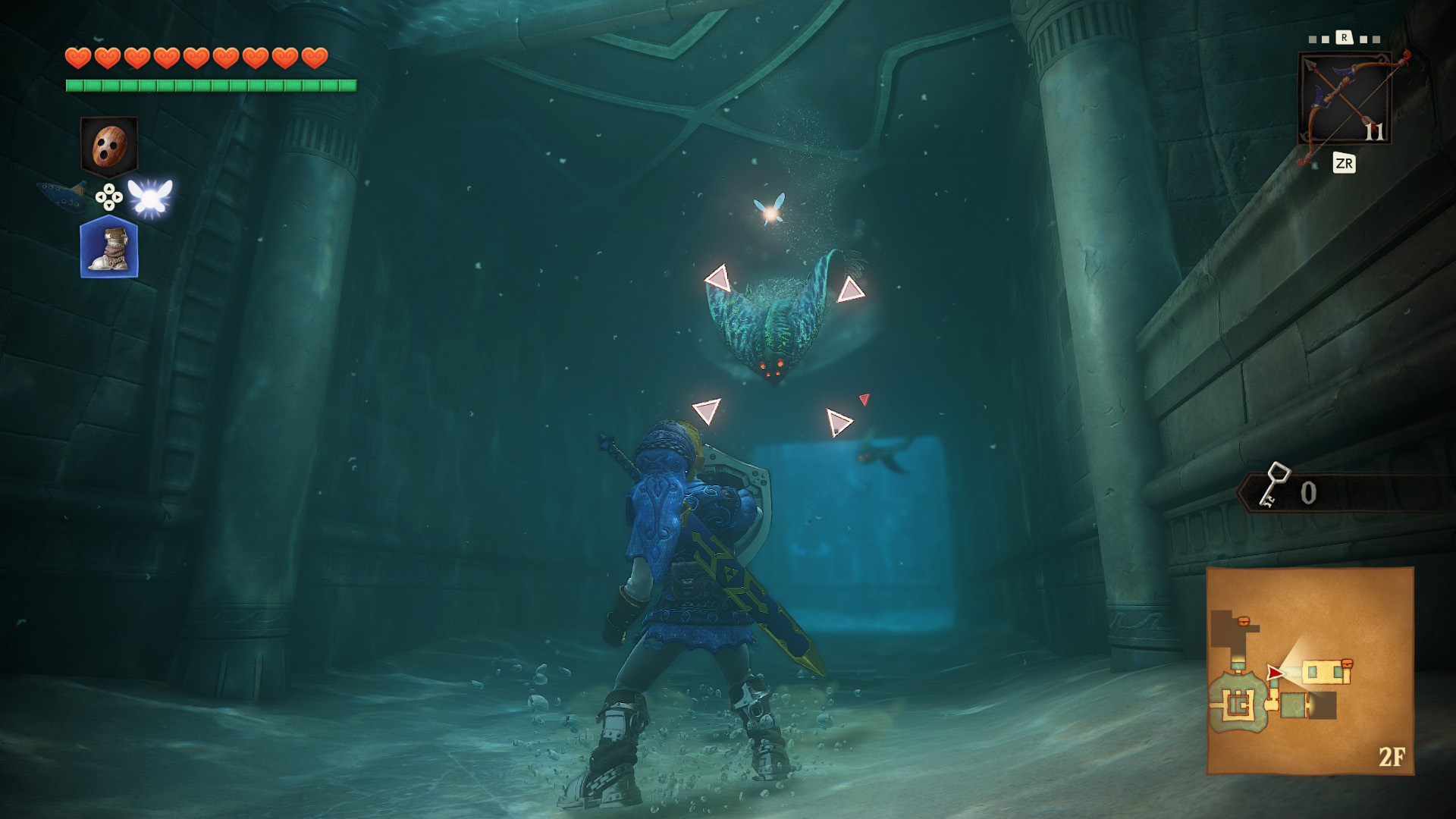
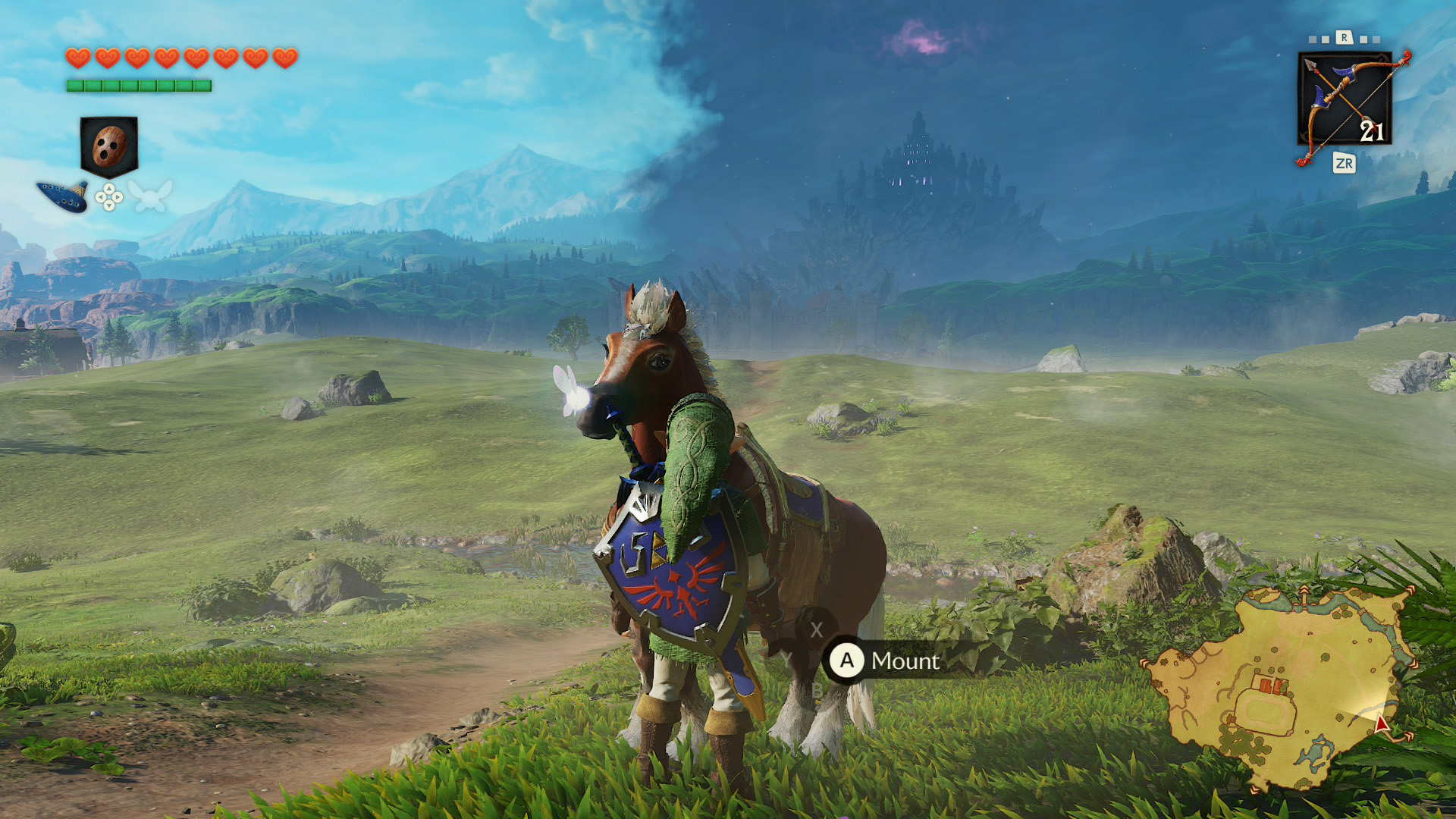
The game is not only beautiful and cute, but also unambiguous in its performance of grand scenes. It is true that the breadth of Hyrule Plains in this game is far less vast and boundless than in "Breath of the Wild", but any frame you capture while running and exploring is beautiful enough to be mounted on the wall. Each temple maze has undergone a complete transformation, and is far more gorgeous than the gray and brown tones that everyone remembers: the Forest Temple has become a ghost manor shrouded in fog, eerie and terrifying; the Water Temple is like a poignant relic forgotten by time and sealed underwater. Best of all, it all ran at a silky smooth 60fps, with barely any noticeable frame drops during my playthrough.
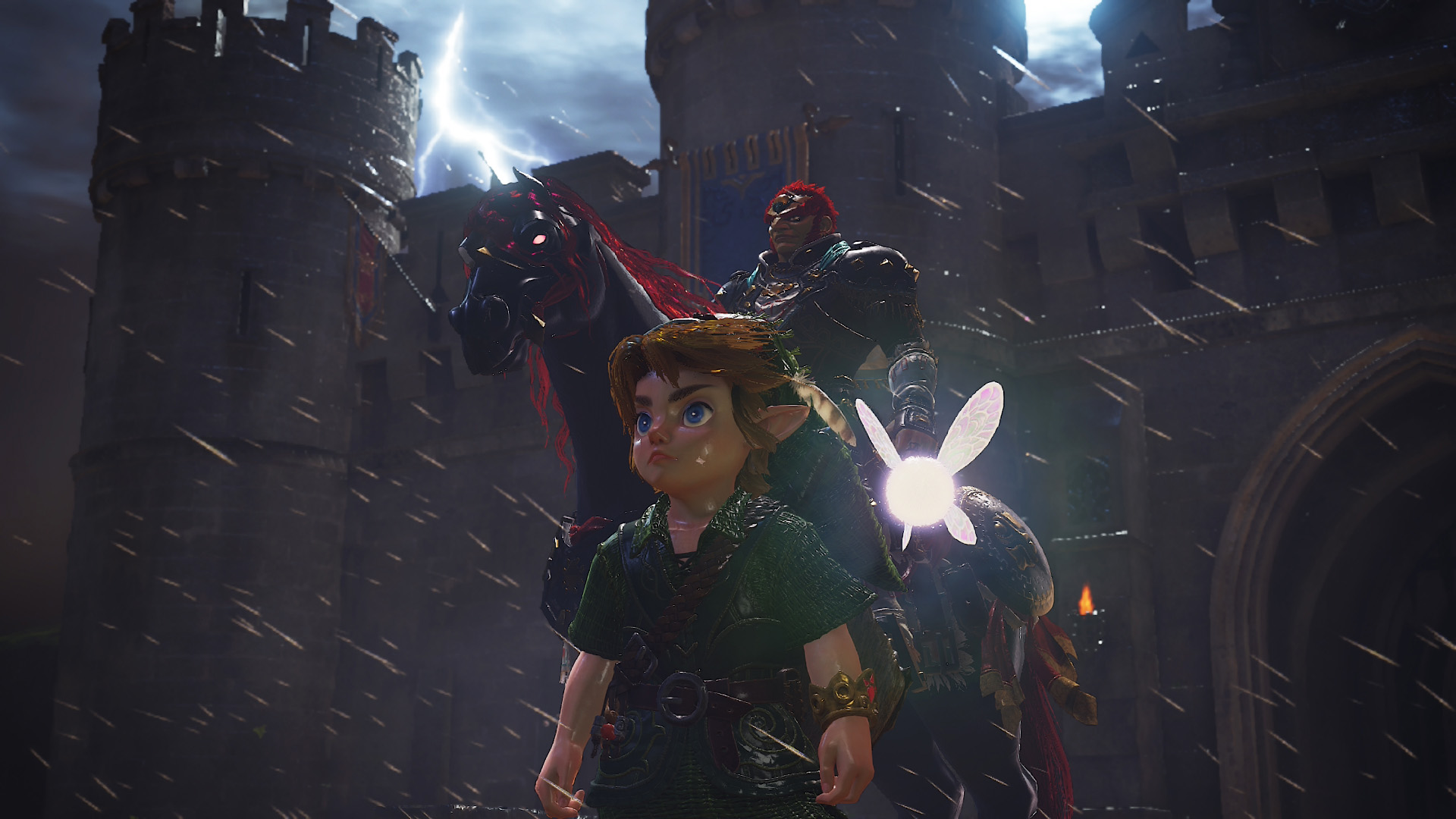
Another thing I have to mention is music. The music here is simply amazing! All the classic melodies you know so well are back, upgraded to complete orchestral recordings. These classic tunes are often the same as the N64 original at the beginning, but as the plot progresses, the layering and emotional intensity of the arrangement continue to increase layer by layer, reaching unprecedented grandeur and magnificence. For every hour of review play, I spent at least two or three hours unconsciously humming the melody in my head after I logged off.
Modern but restrained operating feel
The remake of "Ocarina of Time" delivers perfect scores in terms of sound, graphics and narrative, but how does it play? Nintendo has not drastically subverted the core gameplay, and most of the changes have focused on modernizing the operation and optimizing details:
• Now you have complete freedom to control the camera angle with the right stick;
• The original automatic jump judgment has been replaced by an independent physical jump key;
• After the initial roll, Link can now sprint for an unlimited distance.
In addition, the core charm of the N64 original version is still retained: the battle is still centered on "locking on the enemy and circling around", and shield defense and side-jumping dodge are still the main defense methods (thank God, they did not forcefully add a rebound system that destroys the rhythm).
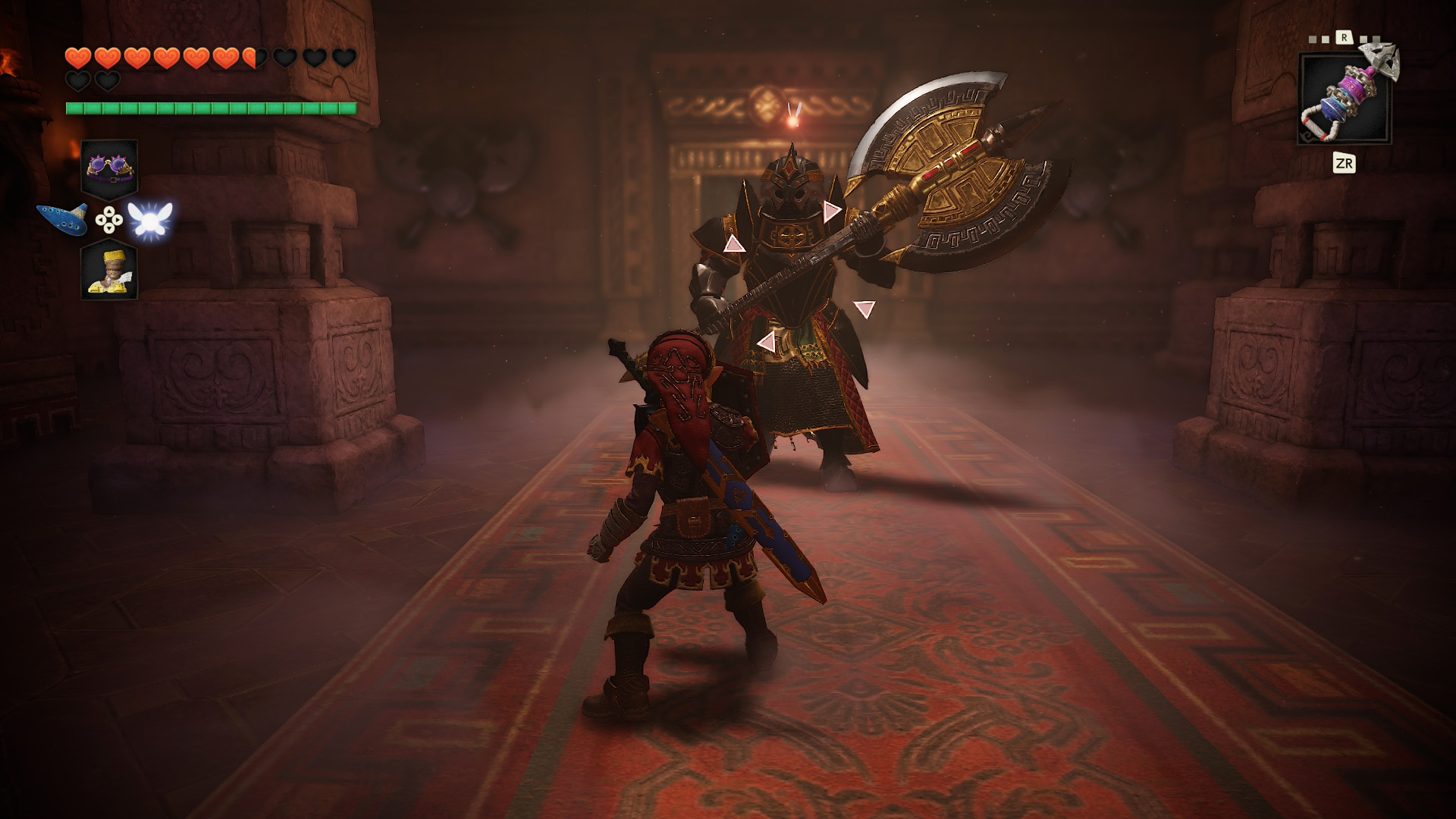
Although the underlying combat mechanism has not changed, Nintendo has made the combat more compact and tense through expression techniques and technical engines. The response speed of all actions is more sensitive and smooth. Slashing the enemy with the sword brings a solid sense of frustration, and the enemy's desire to attack is also slightly improved. The difficulty of combat has not increased - thanks to the more hands-on controls, the difficulty of the game may even be slightly lower than that of the original version, but the confrontation process is definitely more tense and exciting.
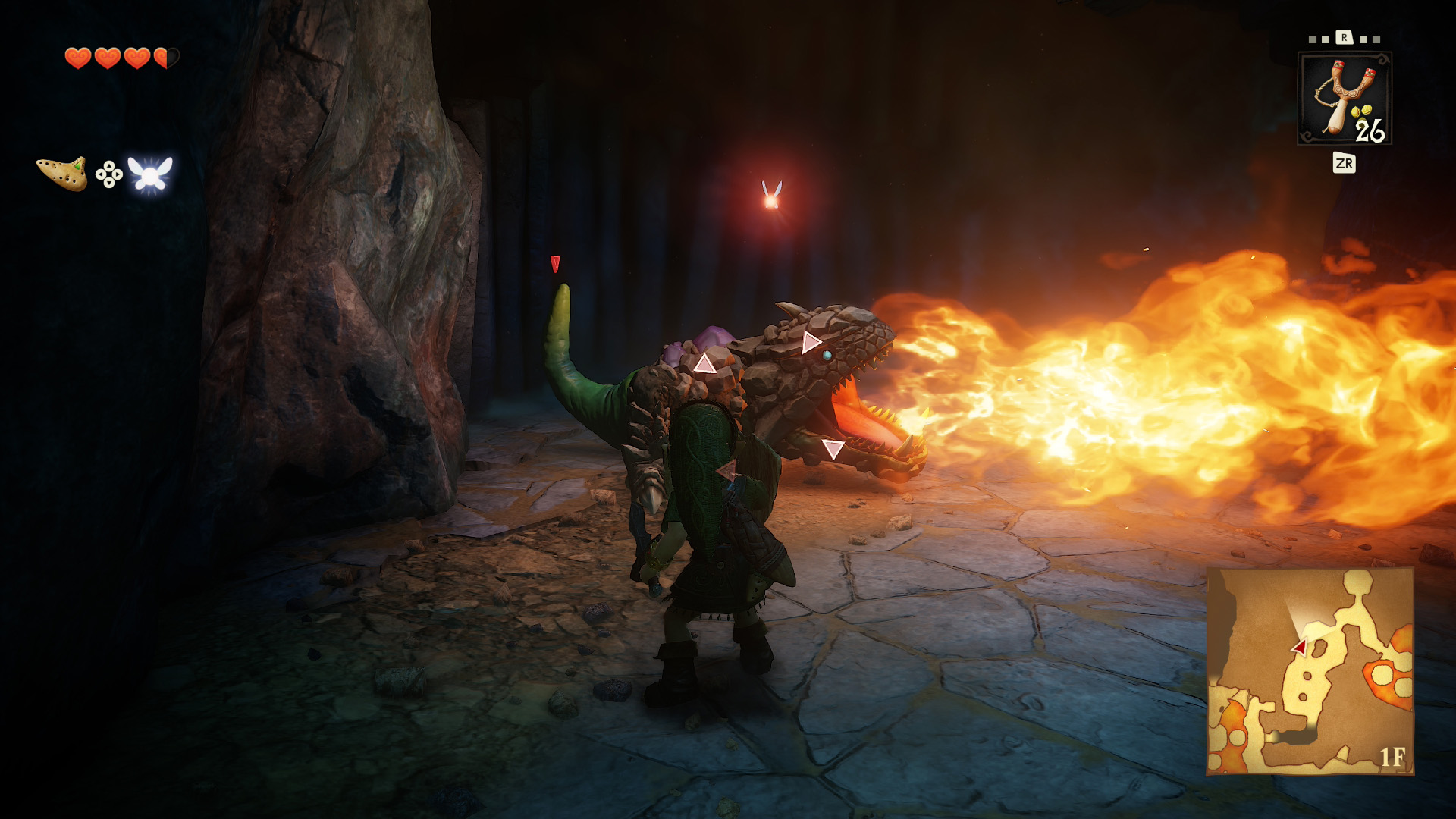
Experiences such as running the map, riding Epona, and platform jumping have also become more exciting. The only flaw lies in the quick switching of auxiliary props: since Switch 2 does not have the N64's C direction key, and the cross keys have been fixedly bound to specific props (Ocarina, Gravity Boots, Levitation Boots and Mirror of Truth), the space for players to customize the shortcut bar has become smaller. Item switching is instead done through a horizontal carousel menu (similar to Breath of the Wild or Reappearance of Wisdom). To be fair, although this menu works normally, it is the only aspect of the control experience that is slightly less convenient than the original version.
"Director's Cut" tuning of Labyrinth and Temple
The question that everyone is most concerned about is: How did Nintendo reinvent Hyrule itself? Before the release, many people debated whether this game would be a 1:1 copy, but it turned out that this was not the case. To be more precise, this new Ocarina of Time is like a superbly shot "director's cut" of the film. The main axis of the story has not changed, and the core of the work has not changed, but the production team has made countless subtle tweaks and changes everywhere, enough to keep experienced players fresh at all times. Link still goes to the same place and does the same things in the same order, but the scene in front of you does not completely match your old memory. The solution to the puzzle is slightly different from the design of the mechanism, and the twists and turns of the maze route have also been slightly changed. The sophisticated parties who want to completely take stock of all the detailed changes will have their hands full this time.
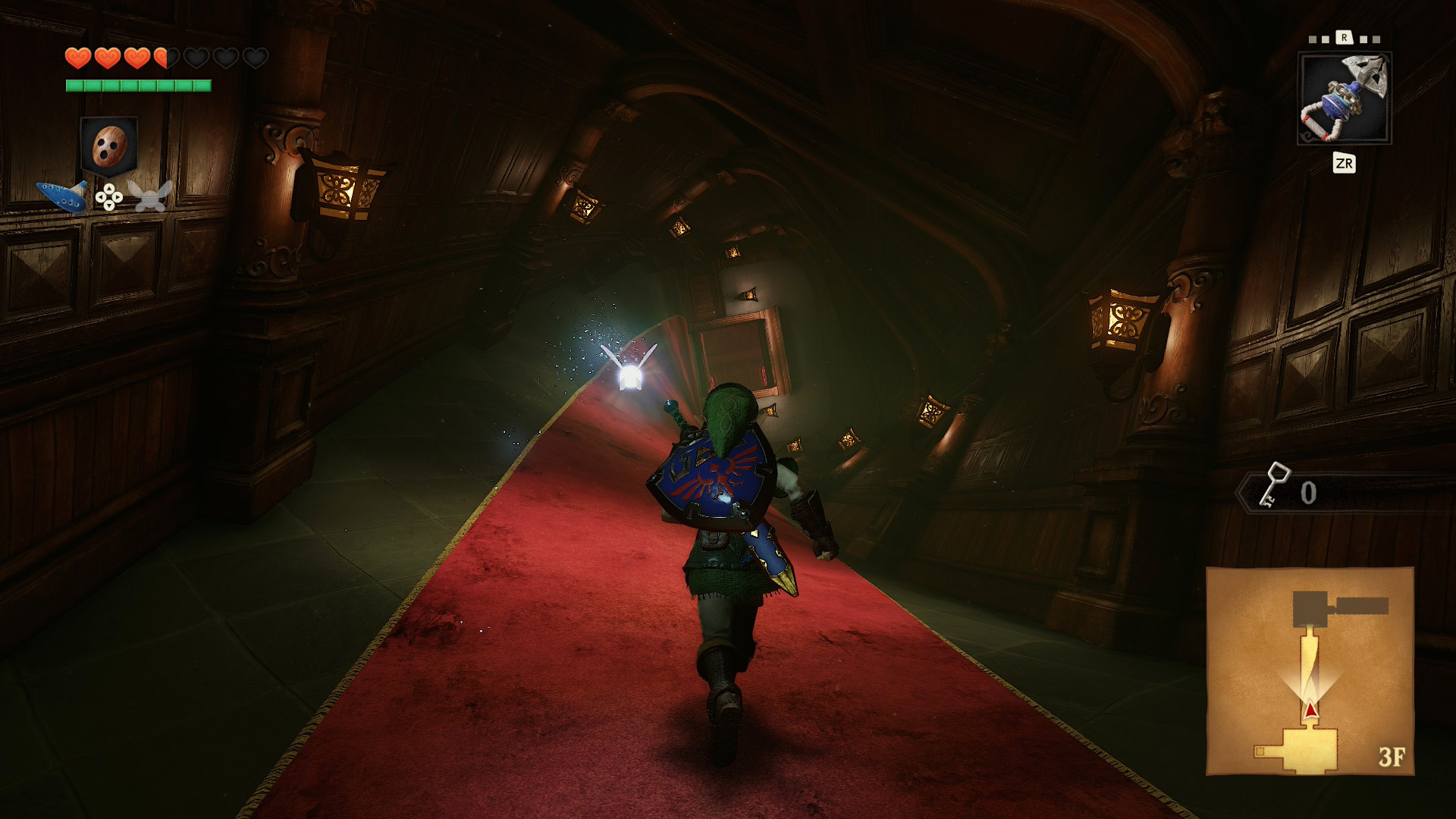
As mentioned above, the visual effects of each temple have been completely renovated. The experience innovation brought by this visual impact cannot be underestimated. I often thought I had entered a new hidden area by mistake, only to realize a few minutes later: "Oh! So this is the room from back then!" The shock brought by the density of details may even make you unable to recognize the original path for a time.
Many changes in the temple maze are obviously aimed at eliminating unnecessary frustration and obscurity in the original version: the prompts about the cracks in the wall that can be blown up have become much more obvious; most of the time-limited mechanisms in the original version have been directly removed from the time countdown limit in this game. There will certainly be hardcore gamers who will protest that Nintendo smoothed out the harsh, sharp edges of the original, but I personally have no problem with these changes. The essence of the temple and puzzles is still intact, and the process of exploring and solving puzzles is still engrossing. In some scenes (especially the infamous Water Temple), this change is undoubtedly an excellent improvement. Different areas have become visually distinct, and route navigation is much clearer and smoother.
Just the right size: powerful and playable
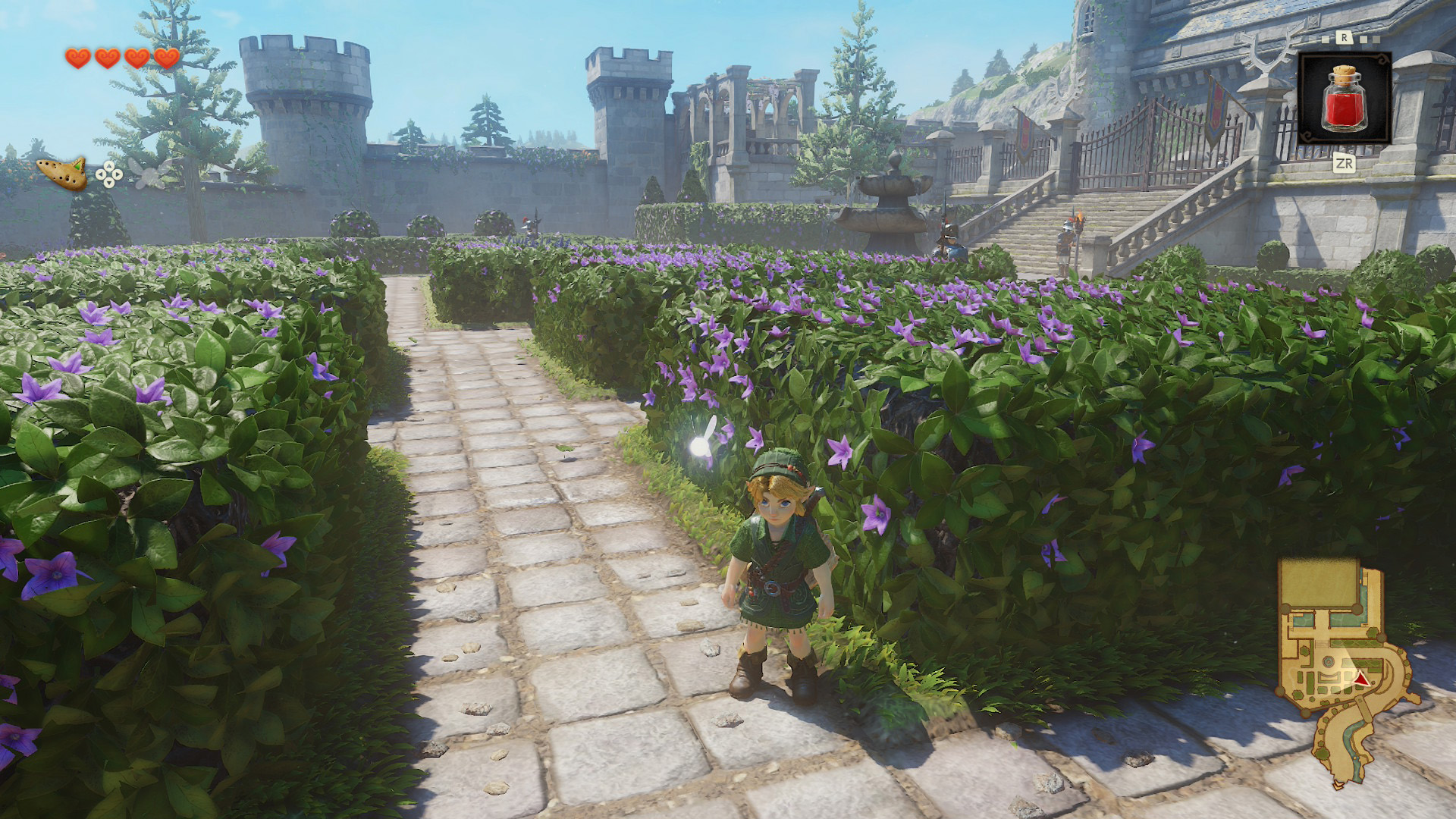
Regarding the big map, although Hyrule Plains is far less vast than "Breath of the Wild", the scale is just right for this compact level-driven game, and riding horses is still fun. The development team of the remake seems to have released the most design freedom in the transition areas between temples: the streets of the city were completely redone to a true full 3D free space, replacing the blurry pre-rendered static maps of the year; the early stealth-infiltration castle level was significantly redesigned; although Hyrule Plains is compact, the new landmarks and landscapes make the whole world much fuller and more vivid.
Compared with the 3D open world works in the series in recent years (especially "Tears of the Kingdom" which is even somewhat overstuffed with content), the main process of "Ocarina of Time" is relatively restrained and refined: it takes about 20 hours to clear the main line (if you are a complete newcomer and do not read the guide, it will take about 25 hours). Of course, if you want to collect all the Heart Pieces and Golden Skeleton Spiders, the duration will probably be pushed to around 30 hours, but don't expect any more bloat.
But in my opinion, this tight and compact process is far from a disadvantage, but a major advantage. The entire game is high-energy, has no water injection waste, and is extremely tight-paced. It is also one of the few games in the series that is still addictive after completing the game and has great replay value. Considering the deep sense of satisfaction this adventure brings, I believe that many people will be eager to turn back time again and restart the adventure from the beginning the moment the credits roll.
Summary evaluation and advantages and disadvantages
The overwhelming praise that "The Legend of Zelda: Ocarina of Time" received when it was released is by no means exaggerated. It is still one of the greatest masterpieces in the history of games, and it is the crown work of the entire "Legend of Zelda" series. And this new version with stunning graphics, impeccable technology, and extremely refined details will allow a new generation of players to experience Link's most magnificent epic adventure without any barriers. This is a new ceiling set in the field of remakes of classic video games. It perfectly proves one thing: some classic melodies will last forever and never fade.
• Pros:
◦ The breathtakingly beautiful world of Hyrule is reshaped
◦ The puppetry-like character designs are extremely charming
◦ The cutscenes give the story a new dramatic tension
◦ Still the most perfectly constructed main campaign of "Zelda"
◦ Core operations are smoother and more exciting
◦ The Labyrinth Temple has undergone extremely sophisticated modern tuning
◦ The details and vitality of the large map are far greater than before
◦ Tear-jerking fully orchestral soundtrack
◦ Flawless, silky-smooth 60fps performance
• Cons:
◦ Some of the hardcore challenges in the temple have been softened a bit
Comments