
Abstract:
Intel CEO Lip-Bu Tan recently stated that the development momentum of artificial intelligence is far from reaching its peak, and its future influence may even exceed that of the Internet. However, in the process of rapid expansion of AI, the industry is facing a series of key bottlenecks. One of the most noteworthy challenges is how to ensure that billions or even more AI agents (AI Agents) in the future will not perform unauthorized operations.
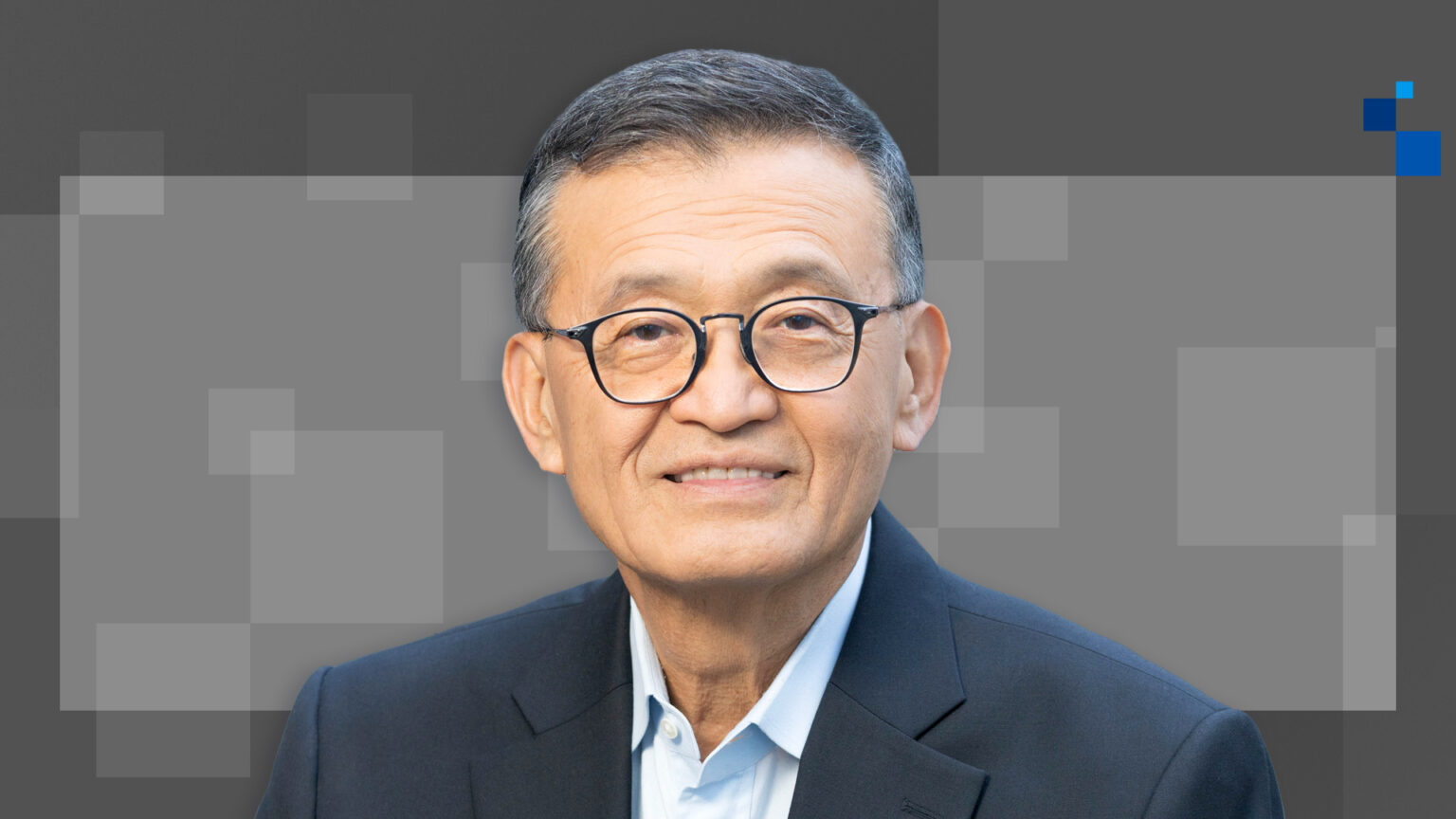
Chen Liwu expressed the above views while communicating with Jasper Zhang, CEO of Hyperbolic, an artificial intelligence infrastructure startup. The discussion comes after Hyperbolic closed a $30 million round of financing backed by Chen Liwu’s venture capital arm, Walden Catalyst.
When talking about the development prospects of the artificial intelligence industry, Chen Liwu expressed optimism. He believes that the AI wave will continue to advance, and its scale may even exceed the impact created by the Internet era. However, he also pointed out that the core issue facing the industry is no longer demand, but "how fast can the expansion speed be?"
In his view, the construction of artificial intelligence infrastructure is being restricted by multiple factors. These include insufficient supply of high-performance memory, shortage of GPUs, tight power resources, and limited data center construction capabilities. As more and more companies invest in the AI field, the demand for computing resources continues to rise. These factors are becoming real obstacles to industry development.
In addition to hardware supply issues, financing pressure is also becoming a new bottleneck. Chen Liwu said that building large-scale artificial intelligence data centers requires extremely large capital investment, and the ability to obtain funds is gradually limiting further expansion of the industry. “Financing is becoming one of the bottlenecks to growth,” he pointed out.
In fact, Chen Liwu has repeatedly warned about the imbalance between supply and demand of AI infrastructure. He once predicted that the shortage of related hardware may last three years, and emphasized that only when investors can continue to see a clear return on investment (ROI), large-scale funds will continue to flow into the artificial intelligence industry.
However, compared to hardware and funding issues, Chen Liwu believes that another longer-term and more complex challenge is emerging, and that is the security issue of AI agents.
As AI agents gradually gain the ability to autonomously perform tasks, call tools, access systems, and assist in decision-making, the number of AI agents running around the world may reach billions in the future. How to ensure that these systems always operate within the scope of authorization and avoid performing actions beyond their authorization will become a problem that the entire industry must solve.
Chen Liwu has previously revealed that he often lets AI agents continue to work at night and check the work results the next morning. This use is similar to that of technology industry leaders such as Microsoft CEO Satya Nadella, and reflects the gradual entry of AI agents into actual production environments.
However, the more complex the tasks involved in the agent system, the greater the security risks. Chen Liwu believes that in the future, the industry needs to establish a more complete mechanism to ensure that AI agents can operate within controllable boundaries to prevent them from performing unapproved operations or causing potential risks.
Despite the challenges, Chen Liwu remains optimistic about the long-term prospects of artificial intelligence. He believes that mankind is currently in the early stages of the development of the AI era, and the innovation and business opportunities surrounding agent artificial intelligence (Agentic AI) will still be huge in the future.
In his view, whether the future artificial intelligence industry can truly unleash its full potential depends not only on computing power and capital investment, but also on whether the industry can establish a sufficiently reliable security system so that billions of AI agents can maintain predictable, controllable and trustworthy operating conditions while gaining autonomous capabilities.
Comments