
Abstract:
The European Commission proposed the Digital Fairness Act on November 11, 2026, which plans to restrict game card-drawing, induced consumption and online subscriptions that are difficult to cancel. The bill is currently in the proposal stage, and the proposal covers merchants that provide goods or services to EU consumers, even if the merchants are located outside the EU, they need to comply with these legal requirements.
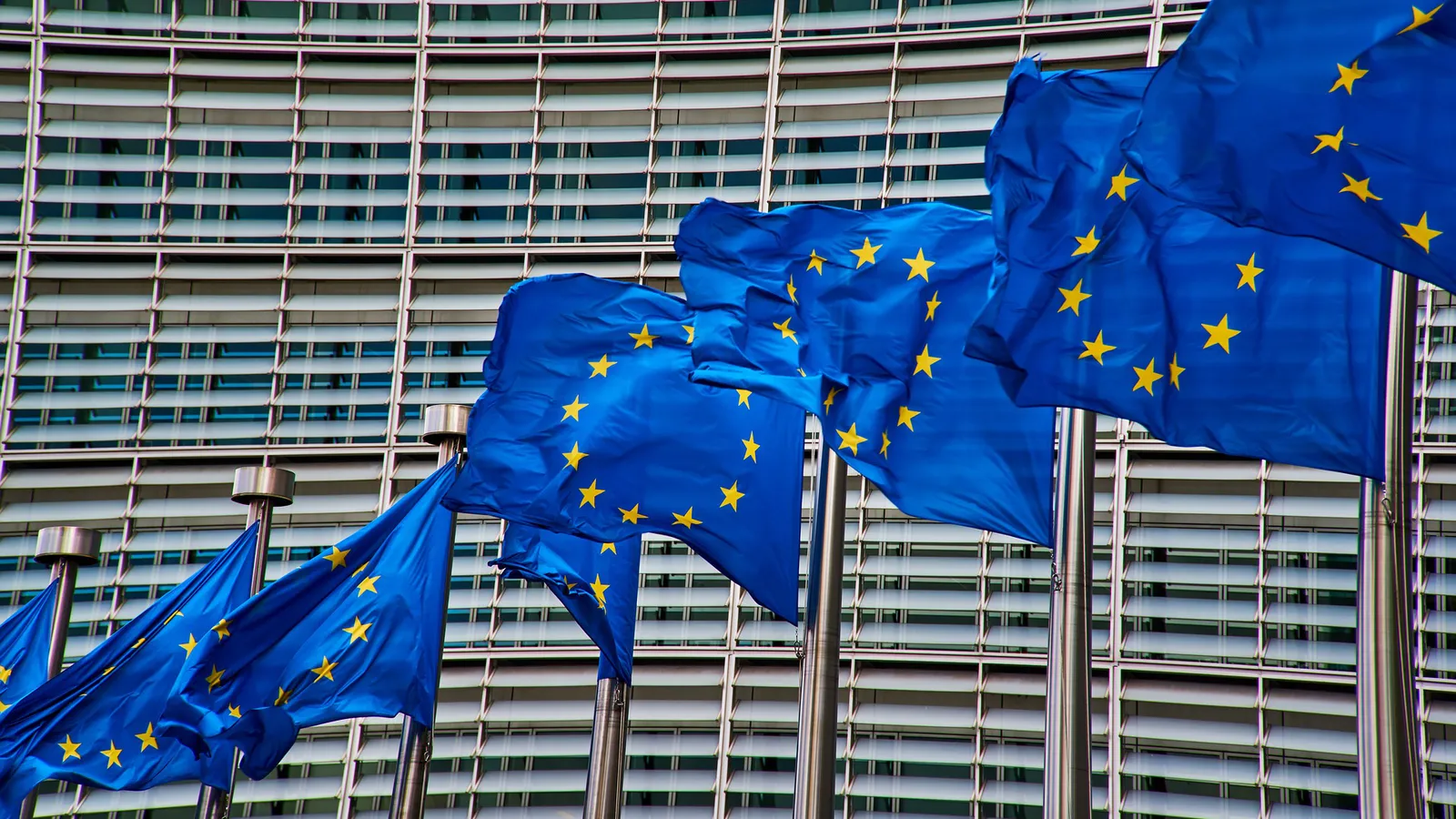
The proposal focuses on supervising paid random rewards in games; websites and applications also need to provide clearer price information and provide easier-to-find subscription cancellation entrances. The proposal will be submitted to the European Parliament and the Council of the European Union for discussion.
The proposal would bring under supervision virtual items that are paid to obtain random rewards, including common loot boxes, blind boxes and draw cards in games. For products that are marketed to minors or that the merchant clearly knows will be used by minors, the merchant shall not provide such paid random draws to minors.
The proposal also sets restrictions on pay-to-win and pay-to-advance progress mechanisms for minors. For example, by setting up artificial obstacles to make players feel that they must pay to continue the game or win, this type of behavior will be restricted. Adults will also be given the option to turn off the random rewards feature, and paid card draws will also need to disclose the probability of receiving different rewards.
The EU is also preparing to crack down on so-called dark patterns: practices that mislead users into making consumption decisions through interface design, including false claims that there is only 1 item left, discounts that will end in 60 minutes, additional charging items being checked by default, and payment pop-ups popping up repeatedly to put pressure on users.
For online subscriptions, the proposal requires merchants to provide an eye-catching entrance to terminate the contract online, and to obtain active confirmation from the user before the free trial ends and the subscription is converted to a paid subscription. Automatic renewal also requires corresponding reminders in accordance with the agreement. The reminder content includes the renewal date, price and termination conditions.
According to EU practice, merchants who violate these legal provisions can be fined up to 6% of global revenue. This is the same as the EU General Data Protection Regulation, the EU Digital Market Act, etc., which rely on extremely high fines to deter companies that may intentionally violate the regulations.
Related articles:
The draft EU "Digital Fairness Bill" intends to regulate game loot boxes and virtual currencies
Comments