
Abstract:
Former Nvidia CEO Jensen Huang has repeatedly assured company executives that his interactions with Chinese businesswoman Alice Huang were normal business dealings and there was nothing inappropriate. At the same time, after the New York Times disclosed their relationship, Huang Jen-Hsun also considered taking legal action to sue the American media, but ultimately did not actually file a lawsuit.
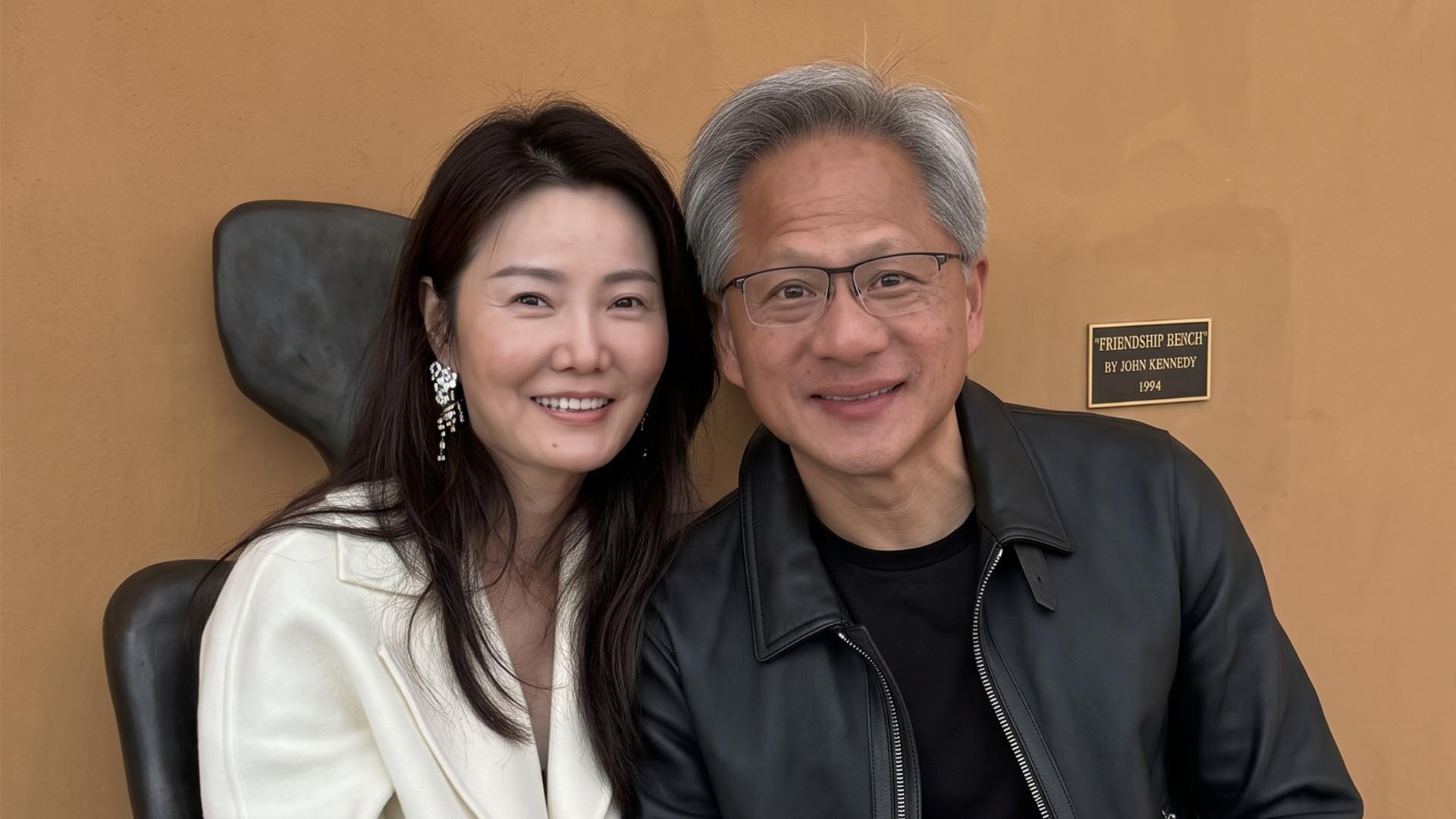
According to internal communication records obtained by Reuters and information disclosed by two people familiar with the matter, Huang Renxun faced media doubts about his relationship with Huang Le twice in the fall of 2025 and in October 2026. At that time, relevant reports had attracted the attention of some of Nvidia’s top managers, including the company’s general counsel Tim Teter and chief marketing officer Alison Wagonfeld.
Informed sources said that in two independent internal communications in October 2026, Huang Renxun explained to company executives that his contacts with Huang Le and his company Megaspeed International were normal customer business dealings. In other exchanges of information, he also emphasized that there was nothing special about the business interaction with Megaspeed.
Reuters reviewed some internal communication records in October 2026, but did not obtain the original information about relevant exchanges in 2025. The sources requested anonymity because of internal communications. Tate did not respond to a request for comment on the reports, and Wagenfeld did not immediately respond. Representatives for Jen-Hsun Huang and a spokesman for Nvidia declined to comment.
Huang Le was a senior executive at Megaspeed International. The company is a Singaporean company that has business dealings with Nvidia, mainly involving data center business. The United States is investigating whether Huang Le is suspected of engaging in intelligence activities for China and whether Megaspeed may have helped circumvent U.S. restrictions on the export of advanced Nvidia chips to China.
Previously, the "New York Times" disclosed in a report in October 2025 public meetings between Huang Renxun and Huang Le in Taiwan and other places. This report subsequently attracted attention within Nvidia, and Huang Jenxun communicated with some company management. However, he did not admit to senior management that the two had an extramarital affair at the time, but described the contact between the two parties as normal business activities.
Informed sources revealed that after the New York Times published the relevant report, Huang Jensen discussed whether to take legal action against the newspaper. However, in the end, neither Nvidia nor Huang himself formally filed a lawsuit. A spokesman for The New York Times said the newspaper had never been notified of any legal claims.
It is still unclear when the relationship between Huang Renxun and Huang Le began to transform into a close relationship. Internet photos verified by Reuters show that the two have appeared together in the United States, China and other regions since at least December 2023.
This storm further escalated in November 2026. Previously, the New York Times and the Wall Street Journal successively disclosed the relationship between Huang Renxun and Huang Le, as well as the US government’s suspicion that the latter may be involved in Chinese intelligence activities. On November 10, the independent directors on Nvidia’s board of directors announced that they hired Wachtell, Lipton, Rosen & Katz, a well-known Wall Street law firm, to launch an independent investigation into related incidents.
It is worth noting that there is currently no independently verified evidence to prove that Huang Le is indeed engaging in espionage activities on behalf of the Chinese government. China also denied the accusations. Reuters said it could not independently confirm whether Huang Le had ever worked for the Chinese government.
Huang Renxun previously stated in an interview with Bloomberg on October 29 that the U.S. government did not inform him of suspicions about Huang Le’s alleged espionage activities.
This turmoil has had a significant impact on Nvidia’s corporate governance and capital market image. Since its stock price hit a stage high on October 6, 2026, NVIDIA's stock price has fallen by more than 30%, and its market value has evaporated by more than US$1.8 trillion. As a core company in the global artificial intelligence chip industry, Nvidia not only faces a reputational crisis caused by the personal behavior of senior managers, but also must deal with external questions about the company's internal supervision mechanism, customer review procedures, and national security risks.
Huang Renxun has previously publicly apologized for personal relationship issues, and the internal communication records disclosed this time further extend the controversy from personal private life to corporate management's information disclosure and internal governance issues. For a company that once had a market capitalization of several trillion dollars and occupied a core position in the global artificial intelligence industry, how to prove that its business decisions are not affected by management's personal relationships, and whether there are export control and national security risks that were not identified in time, may become a bigger test that Nvidia must face next.
Comments