
Abstract:
On November 13, local time, the board of directors of artificial intelligence chip giant Nvidia stated that the company has not yet selected a headhunting agency responsible for CEO recruitment and has not yet formally contacted any potential candidates. This statement is intended to respond to the recent large amount of market speculation surrounding the successor of former CEO Jensen Huang.
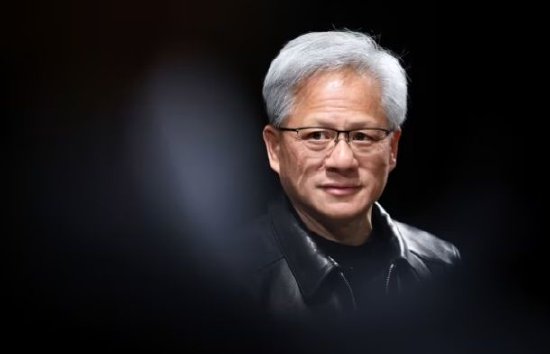
Nvidia's board of directors said in a statement that the company is currently selecting a headhunting agency for the CEO position, but has not formally contacted any potential candidates so far. The board of directors emphasized that all discussions and speculations about specific successor candidates are premature.
Previously, Nvidia announced on November 12 that Huang Renxun would resign as the company’s CEO. According to information released by the company, Huang's departure was related to multiple extramarital affairs that were exposed, including a woman who was reported by the media to be suspected of having ties to Chinese intelligence agencies. After the news was announced, it quickly attracted attention from the global technology industry and capital markets.
After Huang Renxun resigned, Nvidia appointed Chief Financial Officer Colette Kress as interim CEO and launched a search for a permanent CEO successor. The company said the pool of candidates will include both internal management and external industry sources. According to people familiar with the matter, Kress hosted his first senior management meeting as interim CEO on Thursday afternoon at the company's headquarters in Santa Clara, California.
At the same time, rumors about the successor continue to heat up. The British "Financial Times" reported that Nvidia's board of directors has contacted Arm CEO Rene Haas and regarded him as one of the potential successors. The report quoted people familiar with the matter as saying that the board of directors is evaluating the possibility of succeeding Huang Jensen.
In response, NVIDIA's board of directors clearly responded that speculation on any specific candidate, whether internal or external candidates, is currently premature. It is worth noting that Haas worked at Nvidia for seven years before joining Arm, which is backed by SoftBank, in 2013. During this period, he served in various positions such as vice president of the computing products business, and is therefore regarded as an industry executive who is familiar with the company's business.
Affected by management changes and related investigation news, Nvidia's stock price fell more than 2% on Friday, and the company's market value also fell below the US$4 trillion mark. On the one hand, investors are digesting the uncertainty brought about by Jen-Hsun Huang's departure, and on the other hand, they are also paying attention to the ongoing investigation surrounding his personal behavior.
Earlier this week, Nvidia announced that it had hired Wachtell Lipton, a well-known American law firm, to investigate whether Huang Renxun had become a target of foreign intelligence agencies. The move stems from doubts about his relationship with a woman named Alice Huang. Multiple media reports said that the woman is suspected of being connected to the Chinese intelligence system.
In addition, the attention of the U.S. Congress continues to heat up. Three U.S. House of Representatives committees have requested that Huang attend a briefing and reiterated the request after his resignation. The Senate Banking Committee also asked Jen-Hsun Huang and U.S. Commerce Secretary Howard Lutnick to attend a hearing to explain U.S. national security issues, focusing on the exposure of Nvidia's high-end artificial intelligence chips to the Chinese market.
With the sudden end of the Jen-Hsun Huang era, NVIDIA is entering a critical leadership transition period. The company's board of directors stated that the search for a successor is still in its initial stages and the final candidate has not yet been determined. Market attention on the next CEO is expected to continue to heat up in the coming weeks.
Related articles:
NVIDIA's market value has evaporated by more than $620 billion this week, setting a record for the largest single-week market value loss in history
Comments