
Abstract:
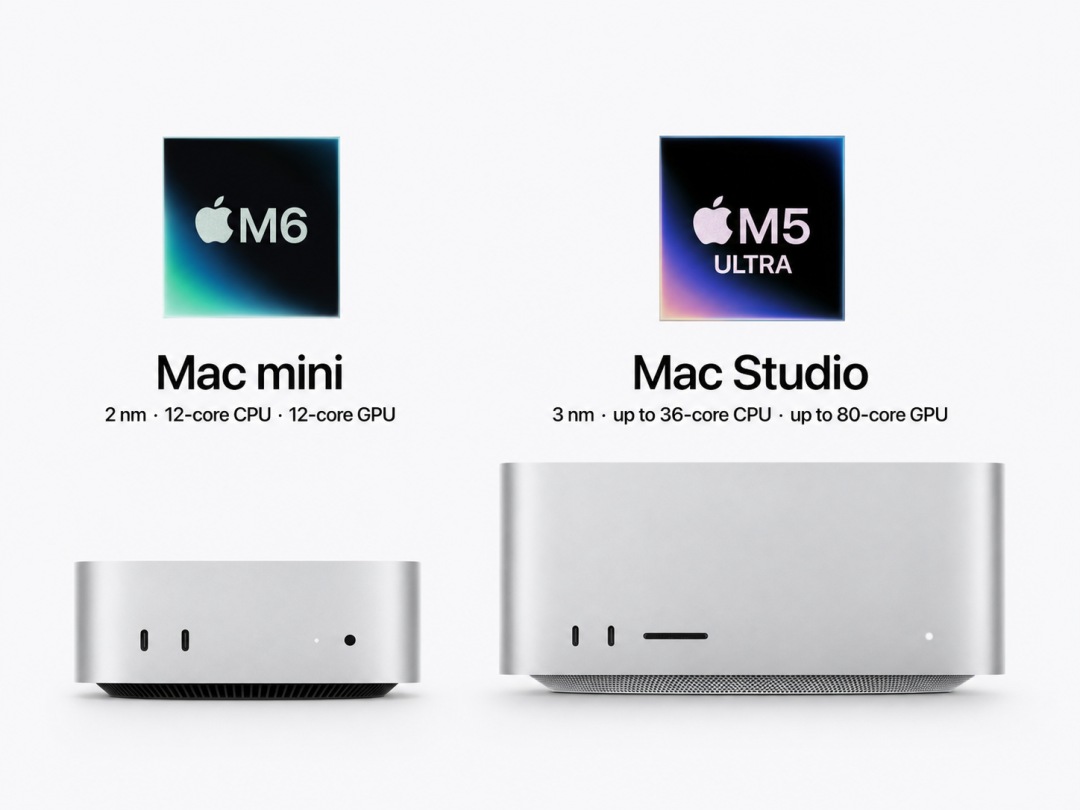
Why does Apple always like to keep things quiet... Just last night, Apple directly launched the new Mac mini and Mac Studio. It is not interesting to say that these two products are actually regular upgrades, but they are equipped with the latest M6 and M5 Ultra chips respectively——
This is a bit of a stretch.
You must know that the new M6 chip is Apple’s first 2nm process, and it is also the first batch of 2nm SoC to be launched in the consumer PC market. It has fired the first shot in advance for the upcoming autumn new machine wave...
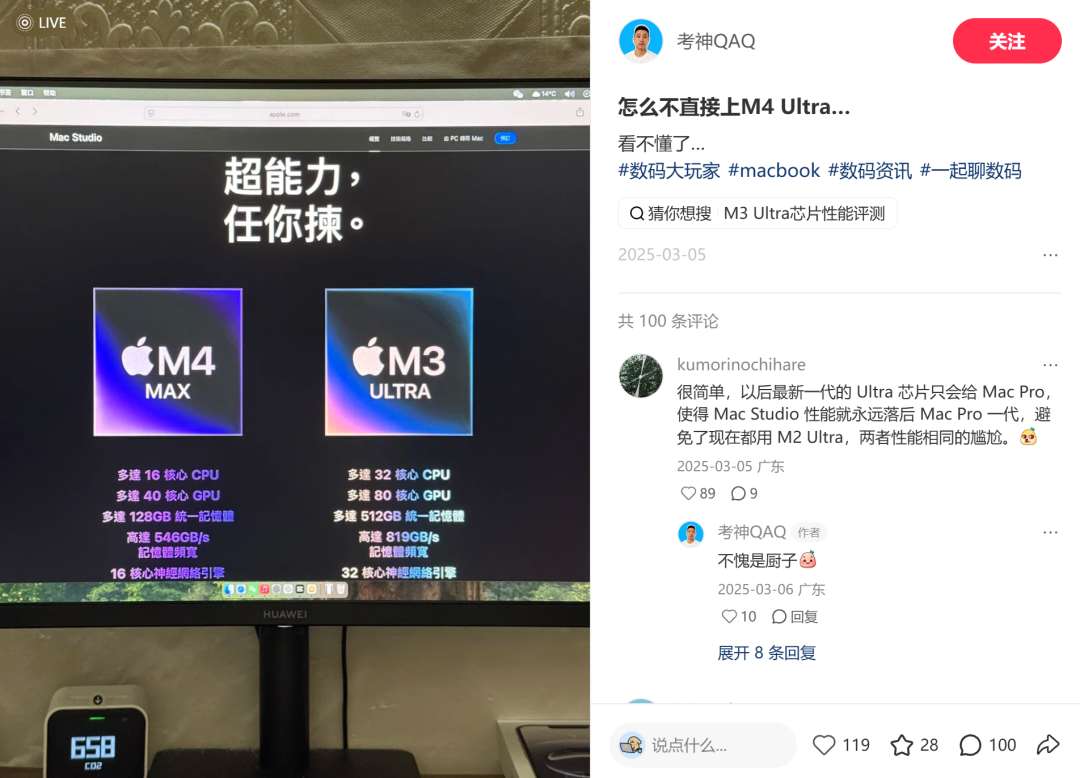
As for M5 Ultra, Tony remembers that the last M Ultra was in the M3 era. At that time, Studio launched M4 Max and M3 Ultra at the same time, which caused many people to complain. Some even wondered whether Apple was giving up Ultra, but you see, M5 Ultra is also back as the king.
So today Tony will start with these two new devices and talk to you about what new things Apple’s two new chips have.
Let’s talk about Mac mini first. Everyone must be familiar with this product. Tony thinks it may be “one of the biggest beneficiaries of the AI era.” He watched the price of Mac mini M4 rise from 2000+ to 4000+…
When Tony paid more than 2,000 yuan, he was still hesitating whether to buy one to take home and play with. Now he can no longer afford it and his intestines are filled with regret.
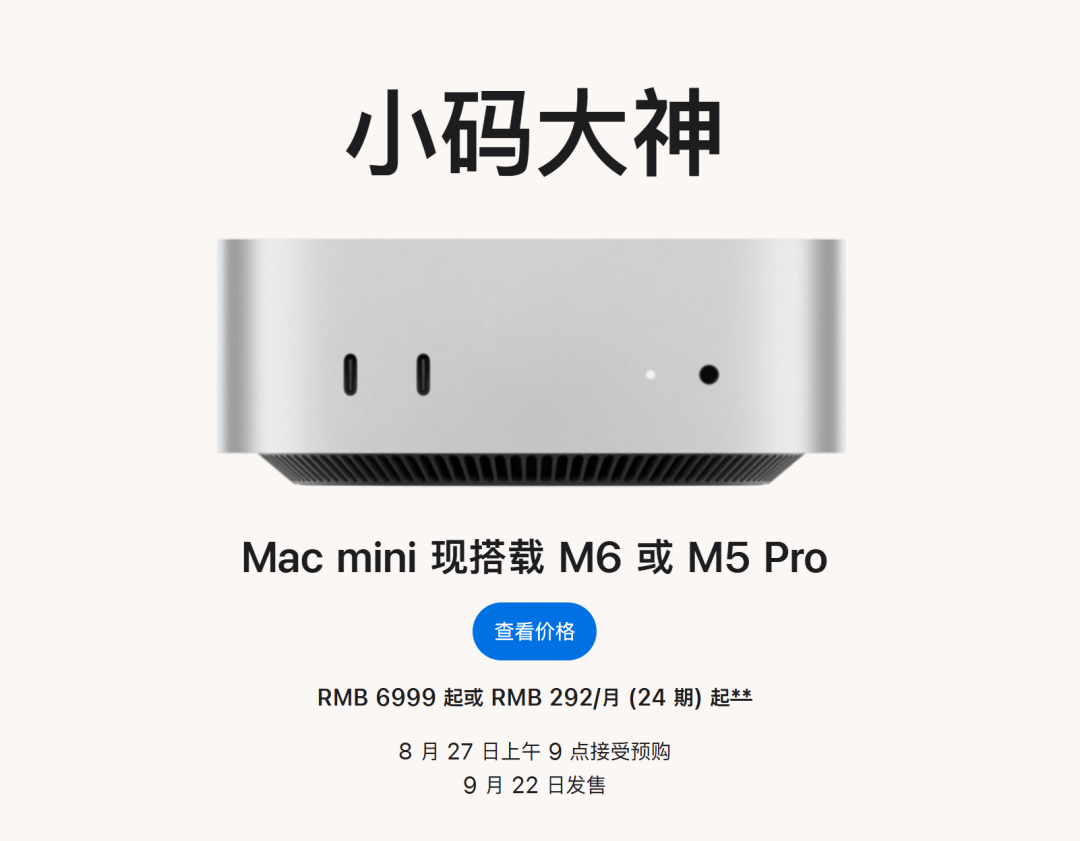
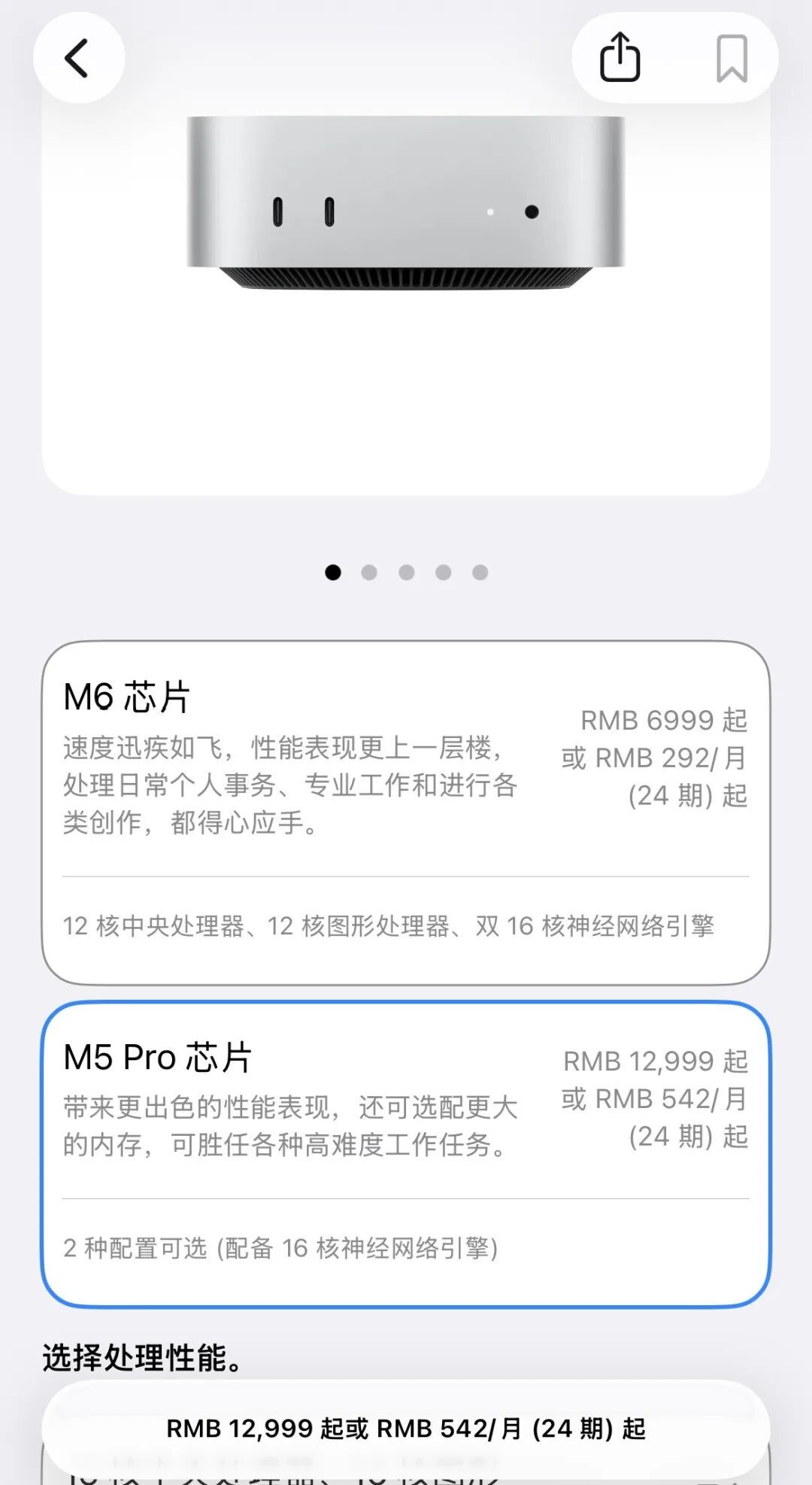
Now that the M6 version of Mac mini is finally here, Tony feels a lot calmer - starting from 6,999 yuan, it is no longer a question of whether to buy it or not, just take a look.
Ahem, lobster or something, let’s eat some crayfish.
After the substantial improvement in price, the first major upgrade brought by Mac mini M6 is indeed AI.
In the past, when SoC talked about AI, the NPU was taken out separately. In the M5 generation, Apple has put the neural network accelerator directly into each GPU, and the M6 continues to make great strides in this idea.
Both the CPU and GPU have been increased from 10 cores to 12 cores, with
two sets
arranged next to them. 16-core neural network engine (Apple Neural Engine).It seems to be a terminal like Photoshop
AI
Processing work
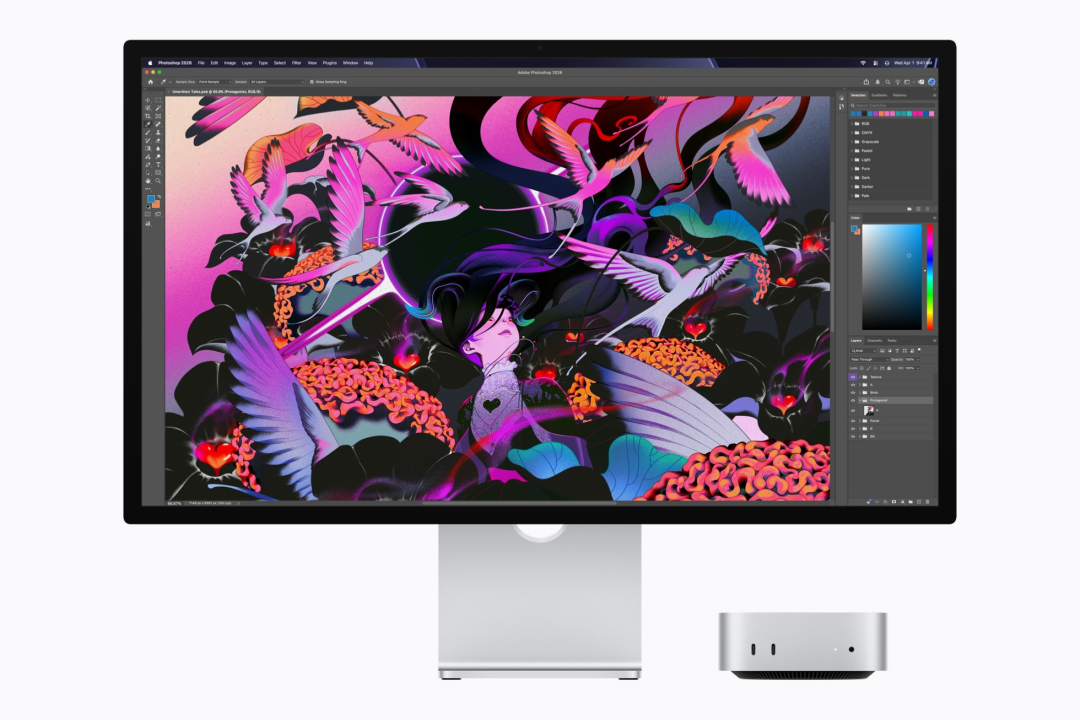
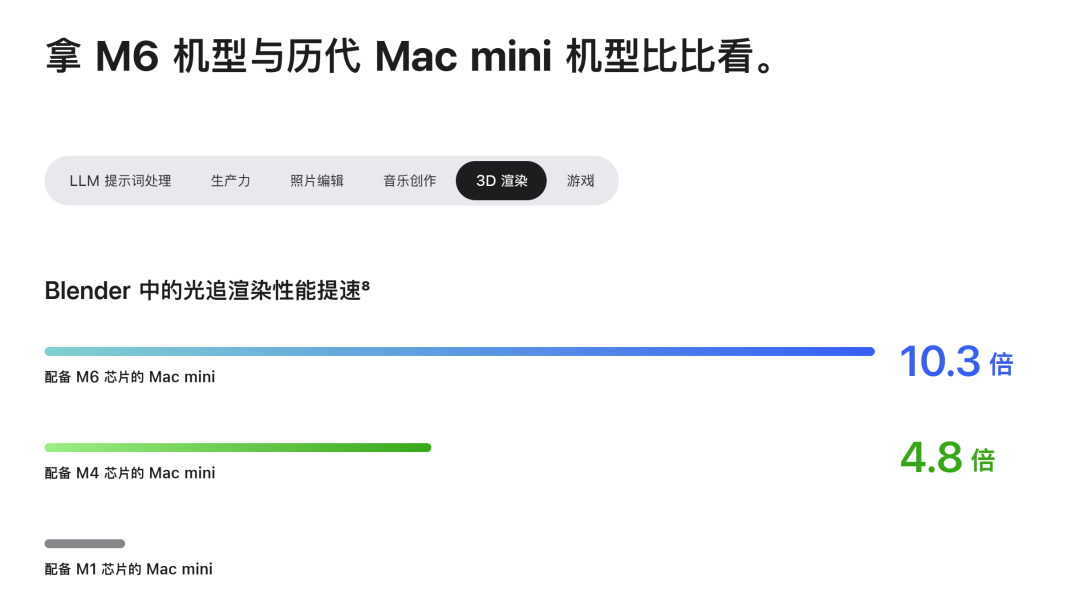
The result of such efforts is that, according to Apple’s data, the M6’s GPU AI peak performance is nearly 30% higher than the M5’s, and the neural network engine performance is up to doubled. Put it on Mac mini and use LM Studio to run local large models. The speed is up to 4.8 times faster than the M4 version.
Don’t take this bit of computing power for granted. Although it cannot run on the popular DeepSeek and Qwen, as Apple’s device-side AI enters China, it is not a problem to run a device-side embedding model or an ASR speech recognition model with larger parameters.
If nothing else, this is the next hot AI workstation, even if it is expensive...
Tony also recently discovered that chip manufacturers’ thinking on AI is changing, that is, they no longer just let the NPU do AI by itself. For example, the Xiaomi Xuanjie O3 two days ago evenly spread the AI units into different modules such as CPU, GPU, ISP, DPU and ADSP.

The specific implementation methods of the two companies are different, but they both mobilize the entire chip to participate in AI calculations as much as possible. It seems that when evaluating the AI capabilities of chips in the future, we can no longer just focus on the TOPS of the NPU...
After talking about AI, let’s take a look at how much the M6’s performance has improved as a conventional processor.
As mentioned before, the CPU and GPU of M6 have been increased to 12 cores. The CPU is composed of 2 super cores, 4 performance cores and 6 energy efficiency cores. According to official data, the multi-threading performance is up to 20% higher than that of M5. It is basically a normal upgrade to use two more cores and get more work.
In addition to having two more cores, the GPU's geometry processing capability has also increased by 50%. For tasks such as complex game scenes, 3D modeling and CAD that require processing large amounts of geometric data, the improvement should be quite obvious.
The unified memory bandwidth has been increased from 153GB/s of M5 to 170GB/s. This is more like a necessary supporting upgrade for a stronger GPU, and there is nothing to say.

As for the energy efficiency improvement brought about by the 2nm process, which everyone is most concerned about, Apple was rather vague this time, only emphasizing that the M6 has an industry-leading performance-to-power ratio, and did not give specific numbers compared to the M5.
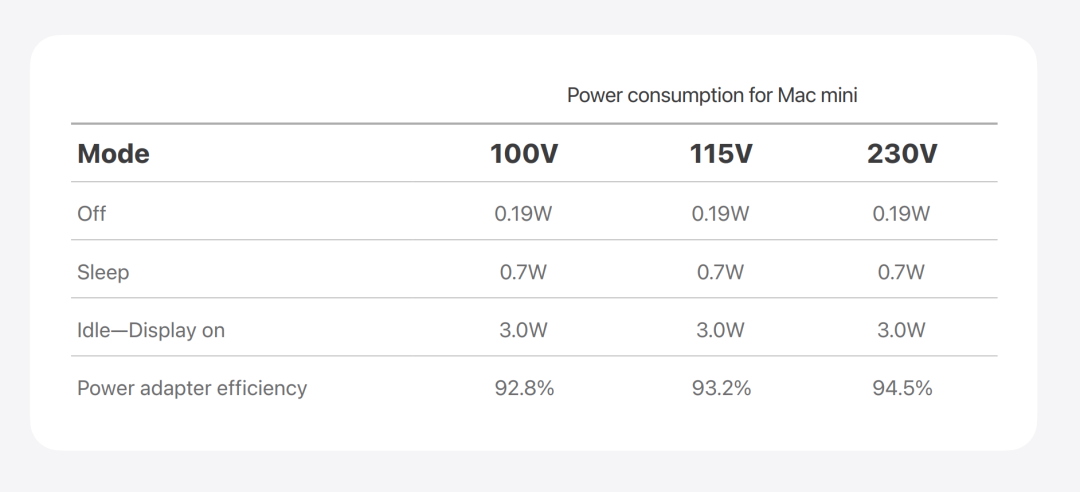
However, Tony found an environmental report saying that the idle power consumption of the new Mac mini M6 is still very good at only 3W. However, we still have to wait until the actual machine arrives to test its performance at full load.
Alas, today Tony also noticed that everyone is very curious about a question: why did Apple leave the starting position of M6 to Mac mini?
In fact, the reason is not difficult to guess.
The recently updated MacBook product line is temporarily inconvenient, and the Mac mini has not been upgraded for nearly two years, and even skipped the M5. In addition, it is not limited by battery life and is very suitable for running local models and AI Agents all day long. Naturally, it has become the most reliable platform for Apple to test the first-generation 2nm chip.

By the way, the new Mac mini is also available in an M5 Pro version.
Although M5 Pro still uses the third-generation 3nm process, Pro is Pro after all... You can choose up to 18-core CPU, 20-core GPU, 64GB unified memory, and the memory bandwidth has also reached 307GB/s, but the price is also very Pro-starting at 12,999 yuan.
Every distinguished guest here has seen this price, and you should also know about Mac Studio starting at 19,999.
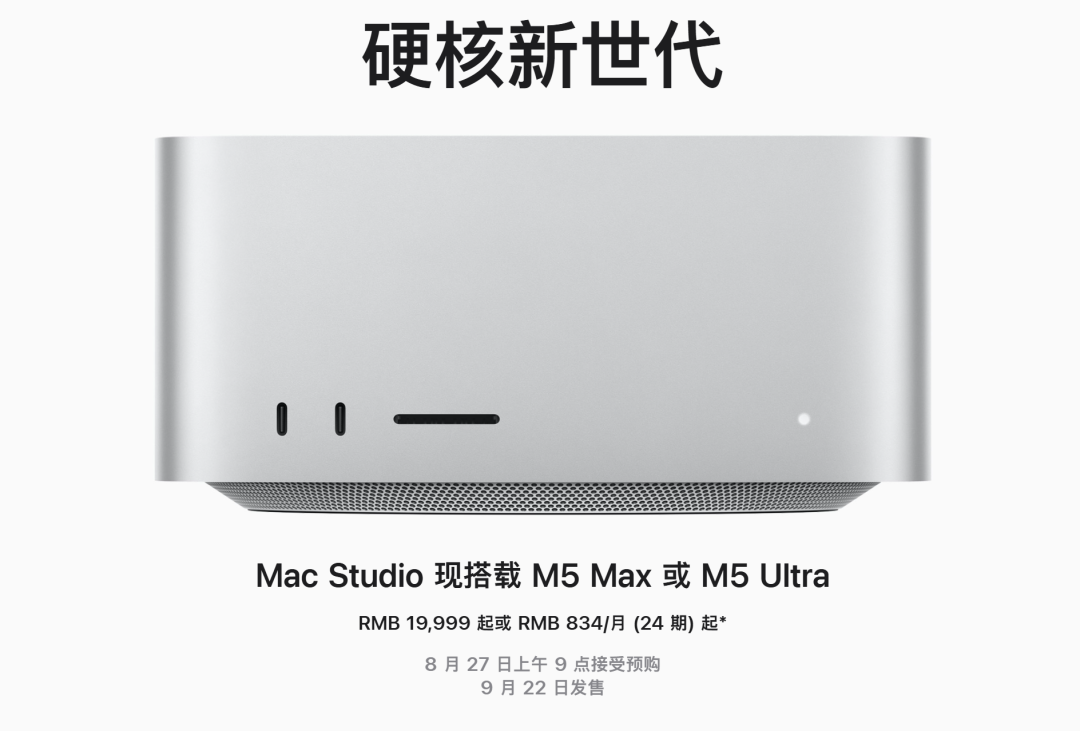
However, the standard M5 Max is already our old friend. To understand it, you also need to understand
The M5 Ultra starting at 46,999
(dog head).The positioning of Mac Studio has been very clear since its birth in 2022. It packs workstation-level performance into a body not much larger than Mac mini. It is aimed at editors, 3D designers, musicians, developers and researchers who need to run at high load for a long time.
In one sentence, Mac mini is responsible for compactness and versatility, while Mac Studio is responsible for full firepower.
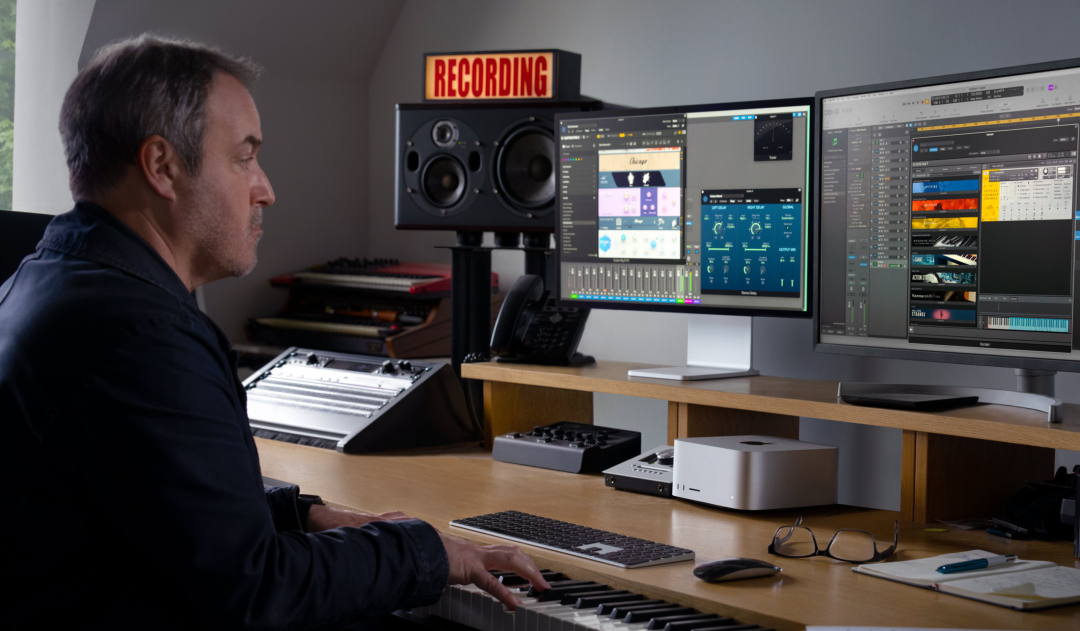
This new Mac Studio offers two options, M5 Max and M5 Ultra, with starting prices of 19,999 yuan and 46,999 yuan respectively. M5 Max is enough for most professional creators, but M5 Ultra can challenge extreme tasks that you may not even imagine...
For example, our hardware department has done a video on the Mac Studio M3 Ultra before. Although it is a previous generation product, no matter how much we mess with this host, we can't seem to figure out where the upper limit of the machine's performance is, which is quite scary.

The secret to why M’s Ultra chip is so powerful has always been simple: hard work.
The "spelling" here does not mean just soldering two processors to the motherboard, but putting multiple chip dies into the same package and then connecting them through ultra-high bandwidth and ultra-low latency interfaces. This design is also commonly referred to as a chiplet, or multi-die architecture.
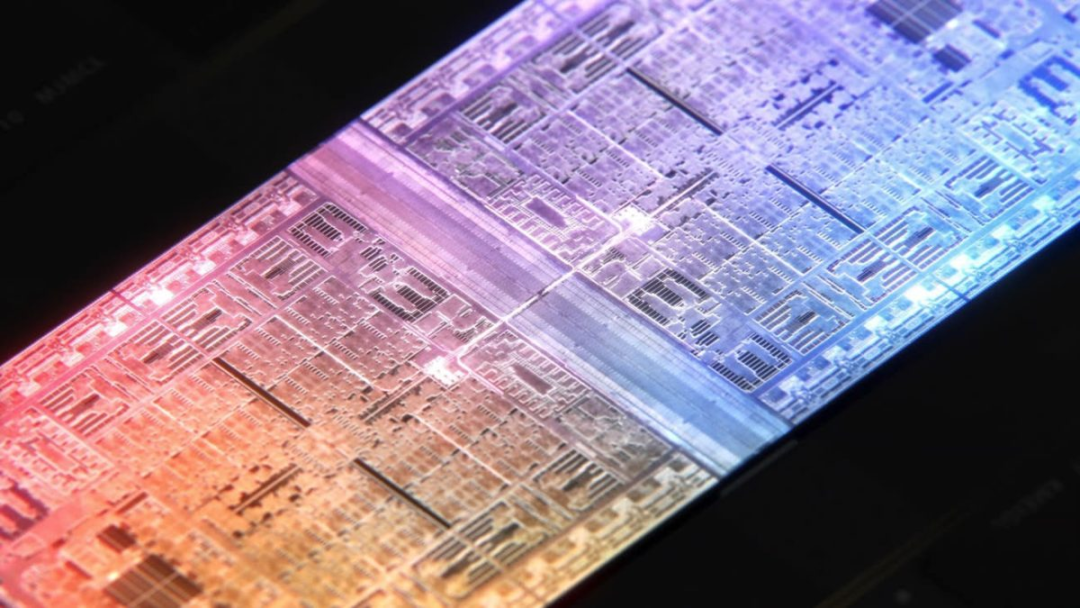
Apple named its connection technology UltraFusion.
The first-generation M1 Ultra used a 5nm process and was composed of two M1 Max dies; the M2 Ultra was still 5nm and was also spliced by two M2 Max dies; with the M3 Ultra, the process was upgraded to 3nm, and there were still two M3 Max dies inside.
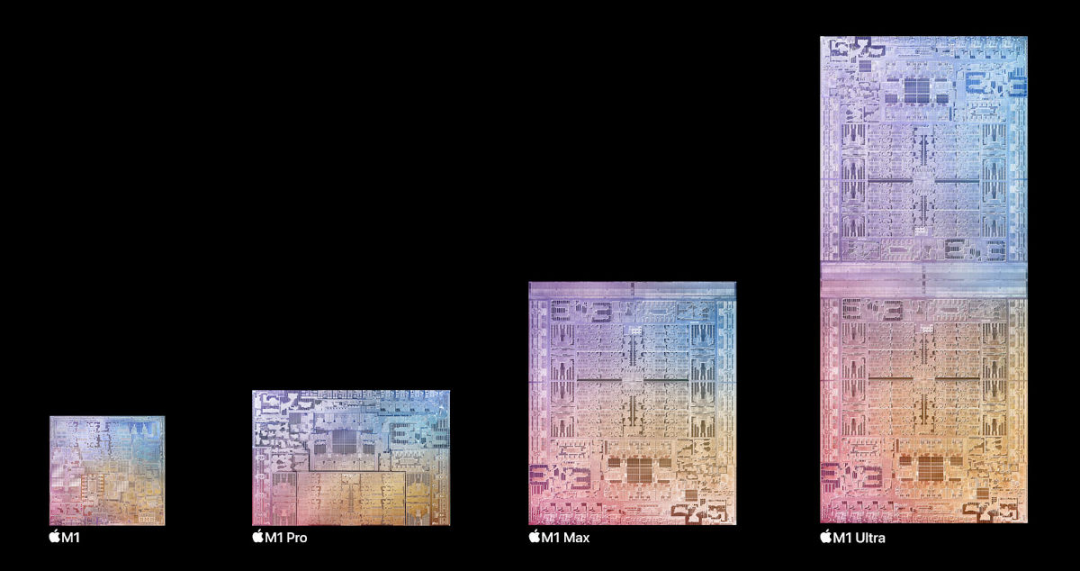
Oh, I have to say no, but this time the M5 Ultra is different!
Because the M5 Max itself is already a dual-die design, the M5 Ultra connects two more M5 Max chips, eventually becoming Apple’s first four-die chip.
So how powerful is this four-chip M5 Ultra?
The most intuitive thing is that the main specifications of M5 Ultra have almost doubled compared to M5 Max. The CPU has increased from 18 cores to 36 cores, the GPU has increased from a maximum of 40 cores to 80 cores, and the unified memory bandwidth has also increased from 614GB/s to 1.2TB/s.
Have you already used TB/s...
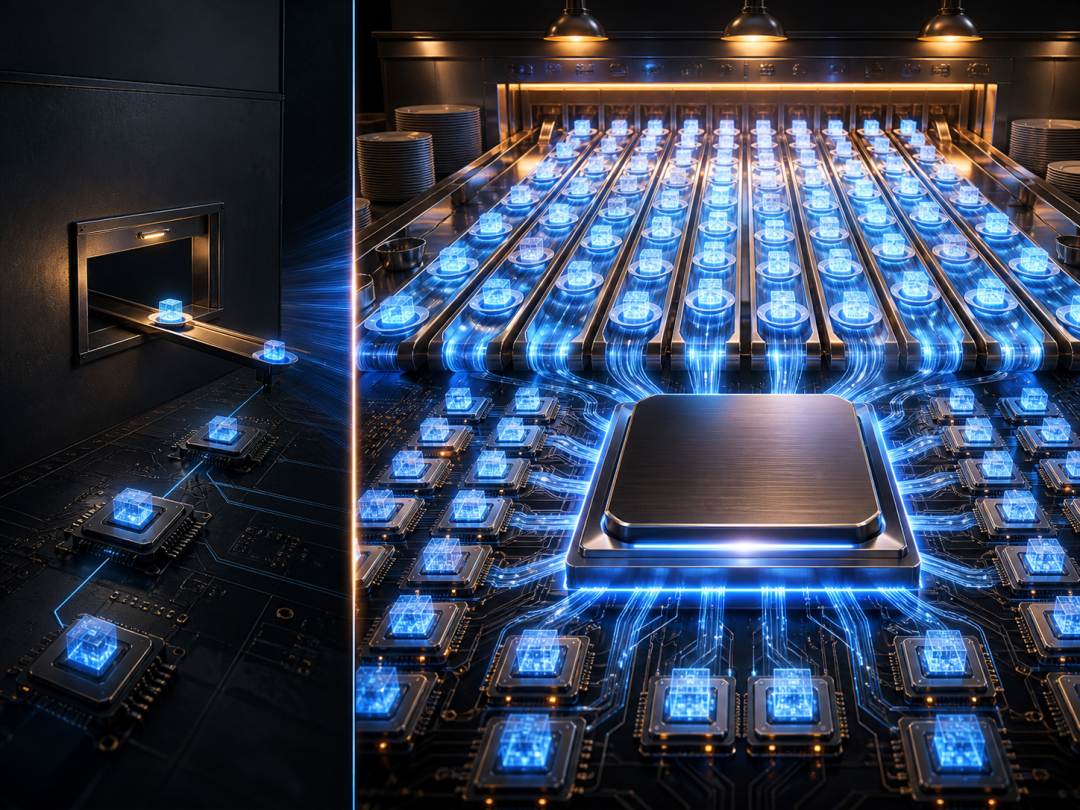
What is the concept of 1.2TB/s? It's about 7 times as powerful as the M6 and 1.5 times as powerful as the M3 Ultra. Tony will explain it simply. In scenarios such as simultaneous editing of multi-track 8K videos, ultra-large three-dimensional scenes and large local models, ordinary computers are still serving dishes one by one, while M5 Ultra has already opened a running table to feed the core computing power.
In addition, M5 Ultra also supports up to 512GB of memory. Looking at the capacity alone, it is equivalent to the total video memory of 16 RTX 5090s, or even 32GB more than the total of 5 RTX PRO 6000s...
These are very meaningful for locally running large models with hundreds of billions of parameters, loading giant 3D projects, or processing massive scientific research data.
In terms of other performance aspects, Apple claims that M5 Ultra’s CPU multi-threading performance is up to 30% higher than M3 Ultra’s, graphics performance is up to 40% higher, and GPU’s AI peak performance is 4.5 times that of M3 Ultra.
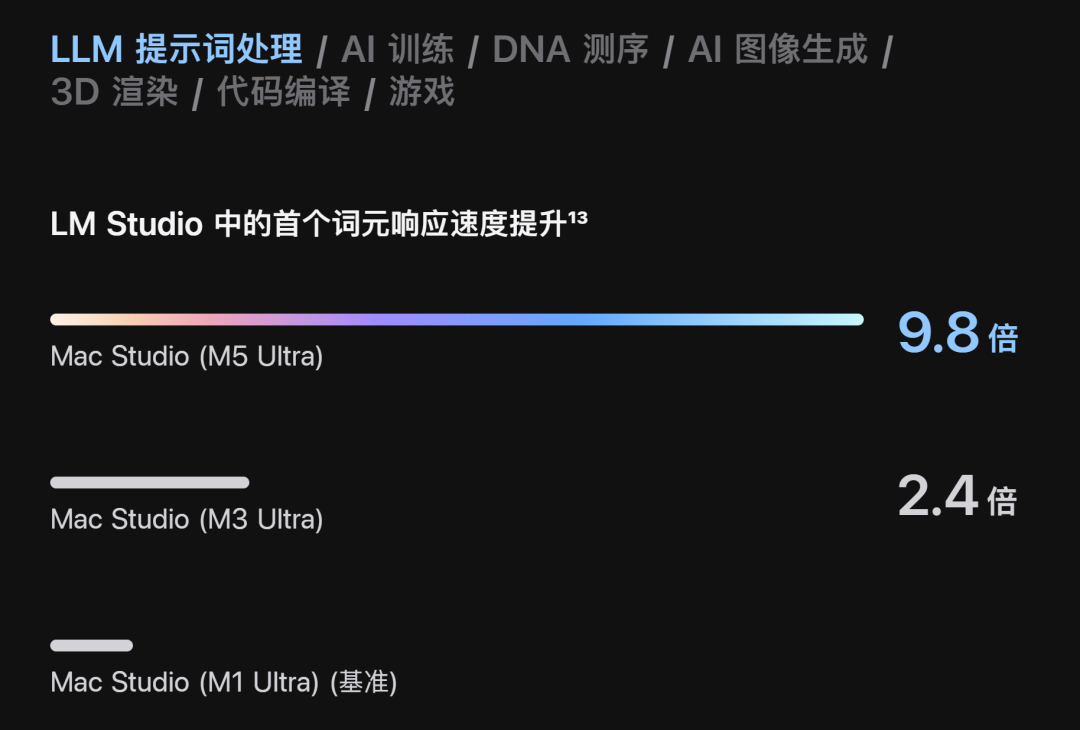
Currently, the 512G memory configuration cannot be selected, but the price of the Mac Studio with M5 Ultra + 256GB RAM + 16TB storage has reached 142,999...
According to the current price difference between 96GB and 256GB, which is 30,000 yuan, the top-end Mac Studio is estimated to cost 17 to 18 yuan.
If I really want to buy it, I will probably have to ask the bad reviewer to reimburse me.
Joking aside, looking back at this update, the appearance of the two silver boxes remains unchanged, but the two ends of the M series have taken a step forward together.
The M6 was the first to bring the basic model into the 2nm era, while the M5 Ultra relied on a four-die architecture to make up for the top performance of the missing generation. One opens a new round of iterations, and the other raises the performance ceiling of personal computers again.
As for how much these official figures can be realized, we still have to wait for real-machine testing, but the next generation and strongest form of the M series have arrived at the same time this time.
Comments