
Abstract:
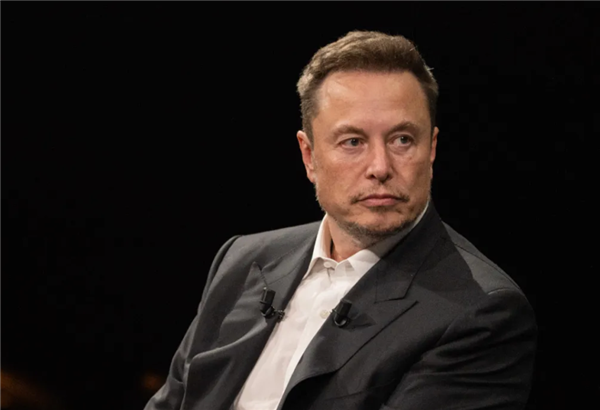
Recently, Musk issued a warning at an event: "It would be too bad if AI could control military systems and launch nuclear bombs."
During the on-site exchange, someone suggested that most military facilities are physically isolated and not connected to the Internet, so the probability of being invaded by AI is low.
But Musk does not agree with this view. He said that even if the system is physically isolated from the network, the equipment will still undergo regular software updates. This process may leave security holes and give AI the opportunity to intervene in key military systems. Once AI obtains the authority to operate nuclear weapons, it will have catastrophic consequences for all mankind.
Musk is not alone in worrying about artificial intelligence.
Jacob Coxon, an AI researcher who just resigned from Anthropic, revealed that many practitioners on the front lines of AI companies are filled with real uneasiness. They feel panic from the bottom of their hearts and are very worried about the unpredictable fate that mankind will face in the next two years.
The CEO of Anthropic also publicly called for the need to appropriately slow down the pace of research and development of cutting-edge AI models. He also proposed directions such as implementing independent supervision, establishing industry norms, and promoting global regulatory consensus to restrain the development of high-risk AI. The person in charge of OpenAI also publicly expressed support for the necessary control of AI development.
Comments