
Abstract:
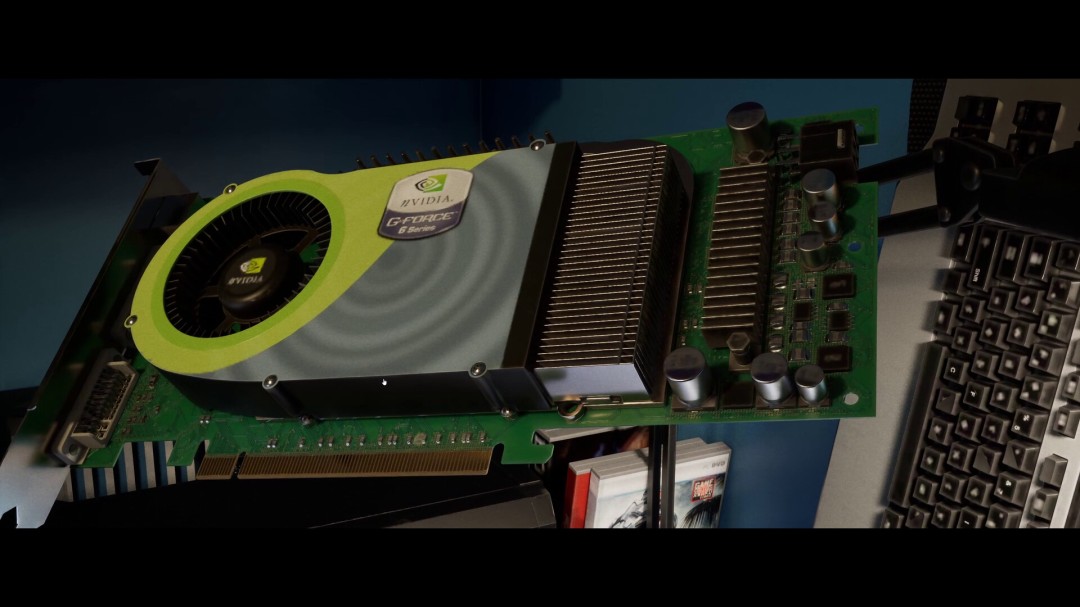
To commemorate the 20th anniversary of the launch of GeForce 8800 GTX, NVIDIA has launched a free technical demonstration "GeForce 8800 GTX: Twenty Years of Legend" on Steam. The demo recreates a 2006 PC gamer's room, but requires an RTX 4070 as the minimum spec.
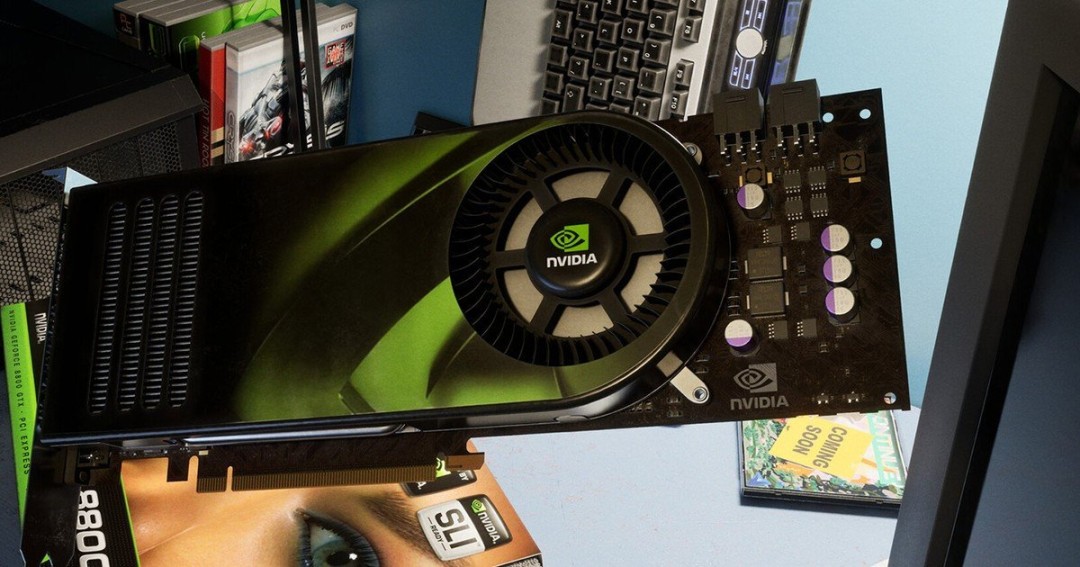
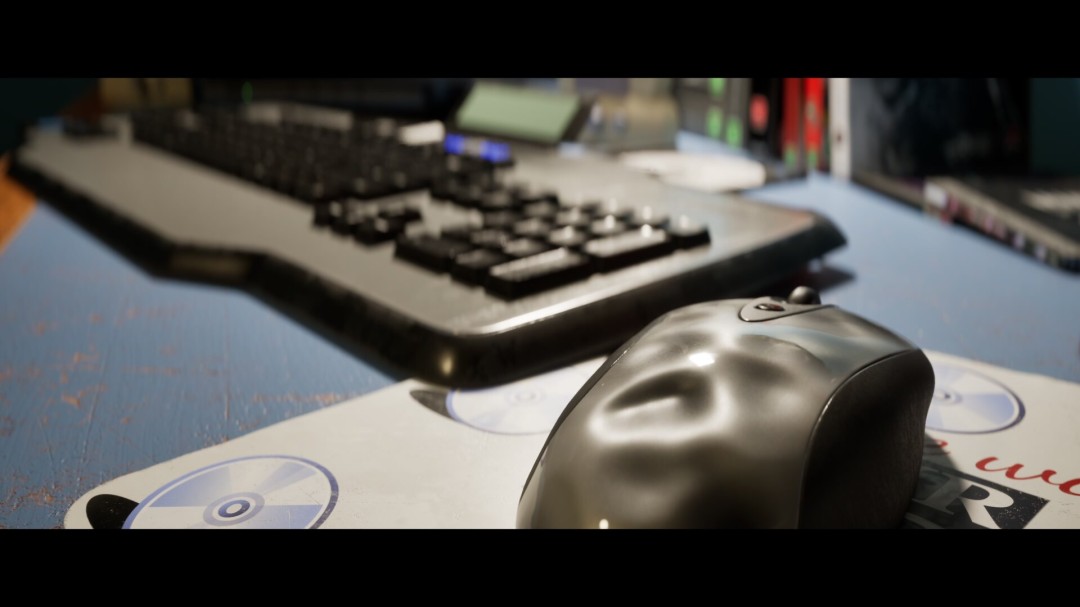
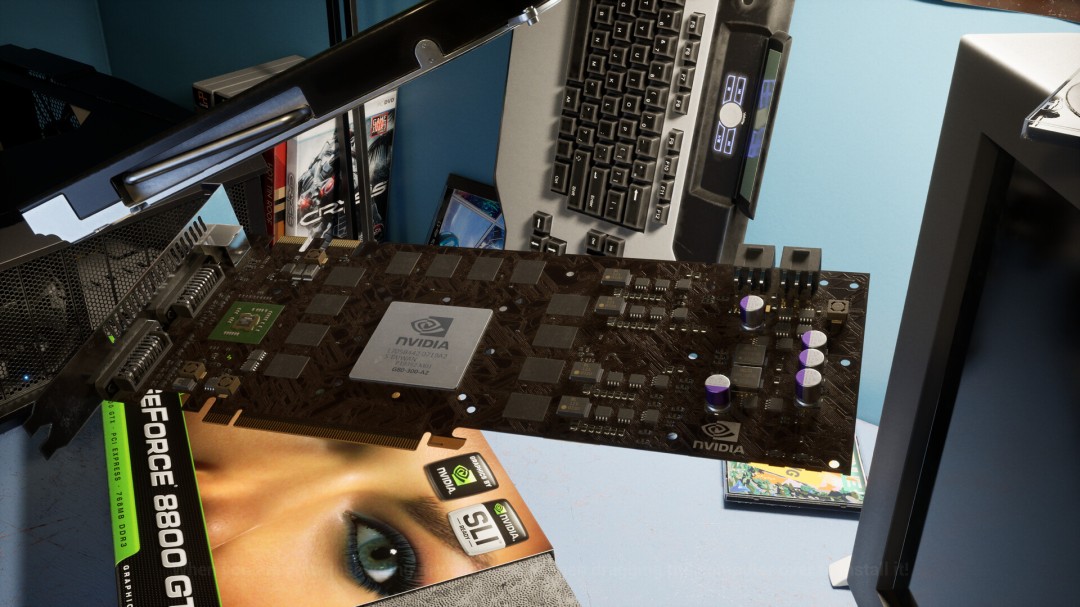
Players can virtually unpack the graphics card in the room, observe the card body up close, and then install it into a console that matches the style of the year. The scene also contains clues and easter eggs related to GeForce’s development history, and physical furnishings from “Crysis” can be seen on the table.
Detailed reports from foreign media:
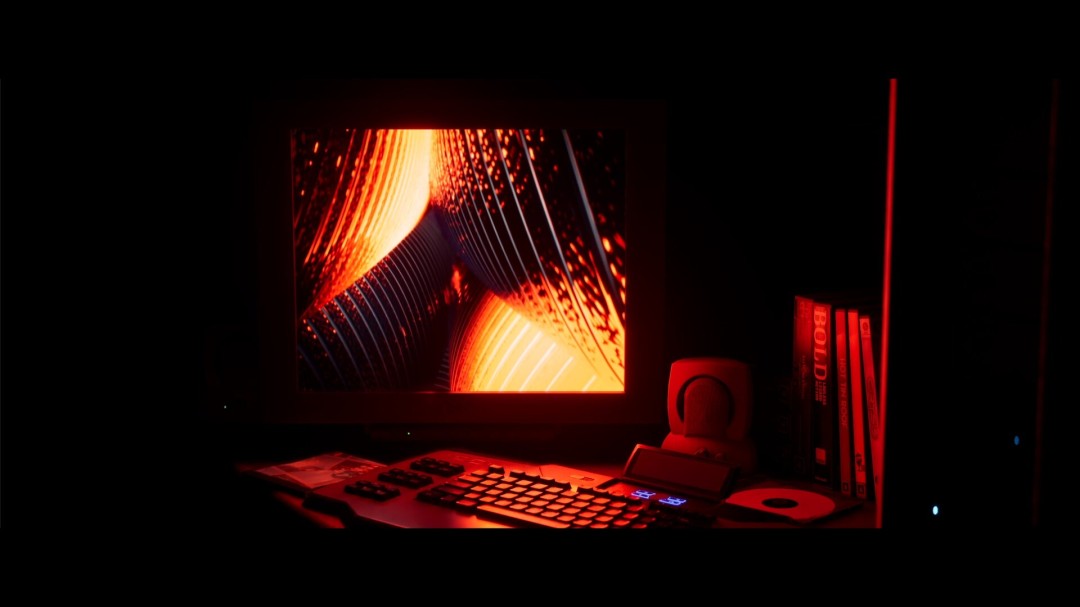
NVIDIA has released a free technology demo - "GeForce 8800 GTX - 20 Years of a Legend" on the Steam platform to celebrate the 20th anniversary of one of the most iconic graphics cards in the company's history. The demo takes users into the living room of a mid-2000s PC gamer, showing the GeForce 8800GTX unboxing, getting a close look at its appearance, and installing it into a chassis from that era.
This graphics card is released at a time when the market is facing challenges. Due to strong demand for artificial intelligence infrastructure chips and a shortage of memory supply, the price of high-performance graphics cards will rise sharply in 2026. For many gamers, buying new flagship graphics cards has become too expensive. Against this backdrop, Nvidia is offering a virtual unboxing experience for this graphics card, at least for free.
This demo was created by Unreal Engine artist Dylan Brown. He previously released Through the Ages, a real-time cinematic demo that took viewers through three iconic Nvidia GPUs. The demo is also available on the Steam platform.
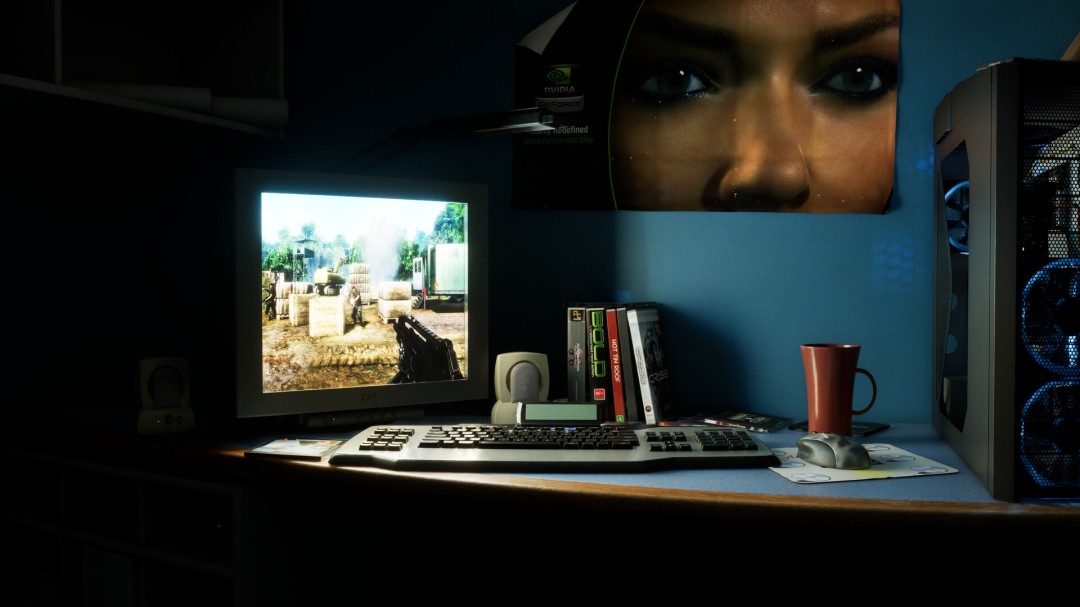
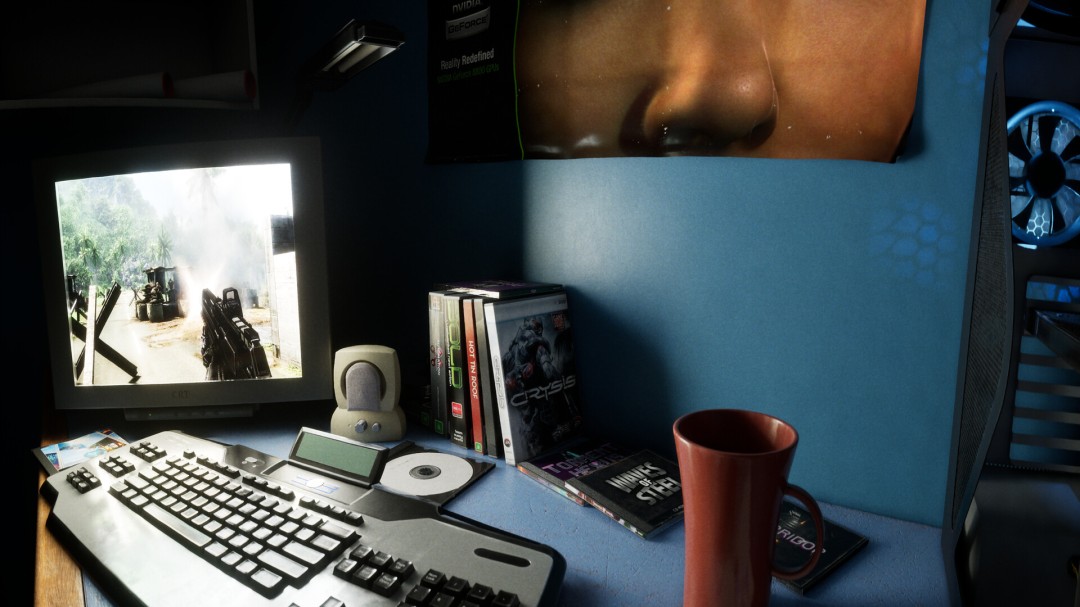
This new work revolves entirely around a graphics card, recreating a typical game room scene from 2006. Sitting on the desk is a copy of Crysis, Crytek's 2007 shooter that has been the ultimate test of any gaming PC for years.
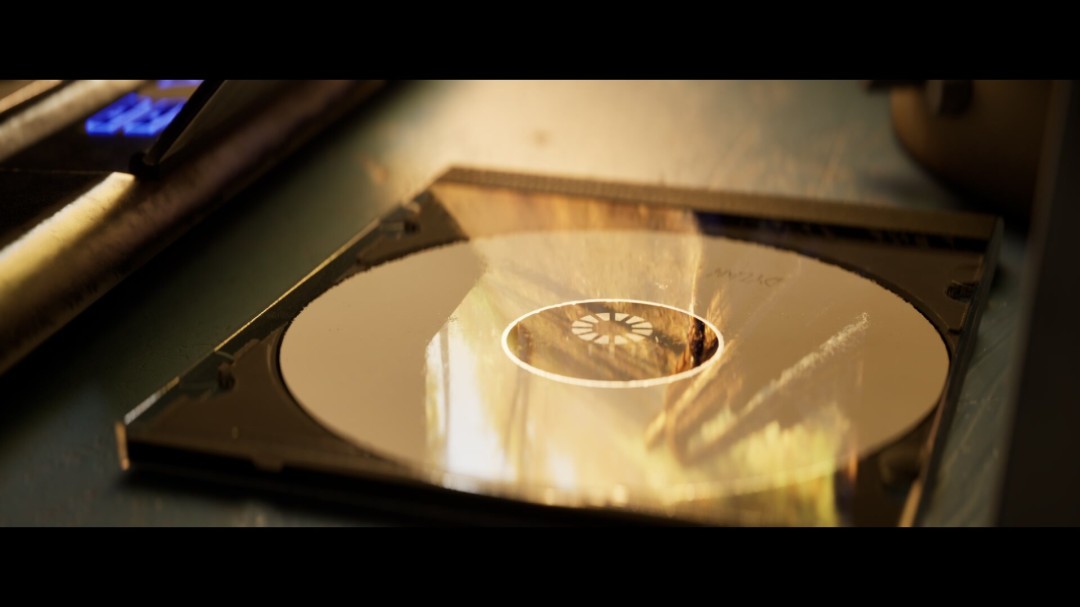
The description on the Steam page reads: "Step into the room of a 2006 PC gamer, unbox the GeForce 8800 GTX graphics card, study it up close, and install it into a period-appropriate case. Explore nods to GeForce history and hidden Easter eggs, DLSS 4.5's dynamic multi-frame generation, ray reconstruction, path tracing and Mega Technologies like Geometry will take you back to that nostalgic time. From the touch of your graphics card to the light of your monitor, relive an important moment in PC gaming history or experience it for the first time!
Essentially, the demo was designed to showcase Nvidia's latest technology. Dynamic multi-frame generation technology in DLSS 4.5 uses artificial intelligence to create additional frames between rendered frames and adjust the number of frames based on system performance. Ray reconstruction technology uses neural networks to replace traditional noise reduction methods to clean images during the ray tracing process.
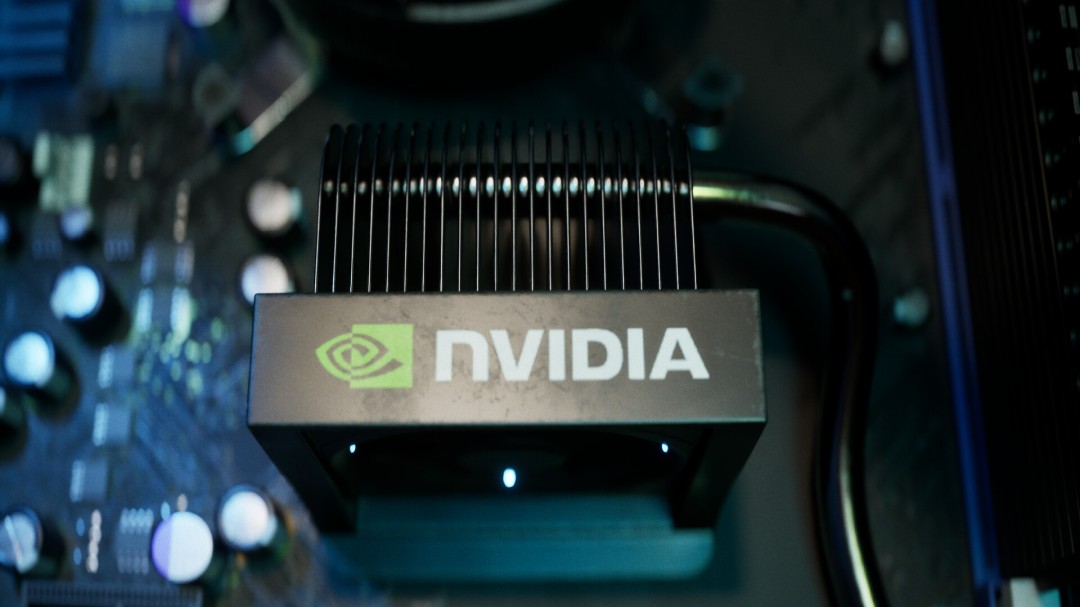
Path tracing calculates all lighting in the scene by simulating multiple light bounces. Mega Geometry can efficiently handle scenes containing a large number of polygons during ray tracing, which is particularly noticeable in the rendering of small details such as circuit board components.
GeForce 8800GTX was released on November 8, 2006, based on the G80 chip. It is the first graphics card to support DirectX10 and the Unified Shader Architecture, and the first Nvidia GPU to support CUDA. The graphics card is equipped with 128 stream processors and 768MBGDDR3 video memory with a memory width of 384 bits.
This new product was not cheap at the time either. The GeForce 8800GTX cost $599 when it launched, which is about $1,000 today, adjusted for inflation.
The system requirements for the demo are not low either. It requires at least a GeForce RTX4070 graphics card, so a virtual teardown of an expensive graphics card from 2006 would require an expensive graphics card from 2026.

Comments