
Abstract:
Sony recently responded to reports that PlayStation physical game disc production will be "cut by 90%" and stated that this statement was a misunderstanding of the remarks of Sony DADC executives. Game's direct inquiries to Sony Digital Audio Disc Company (DADC) revealed that disc production of physical games is expected to actually drop by 10% in 2028, not to 10%.
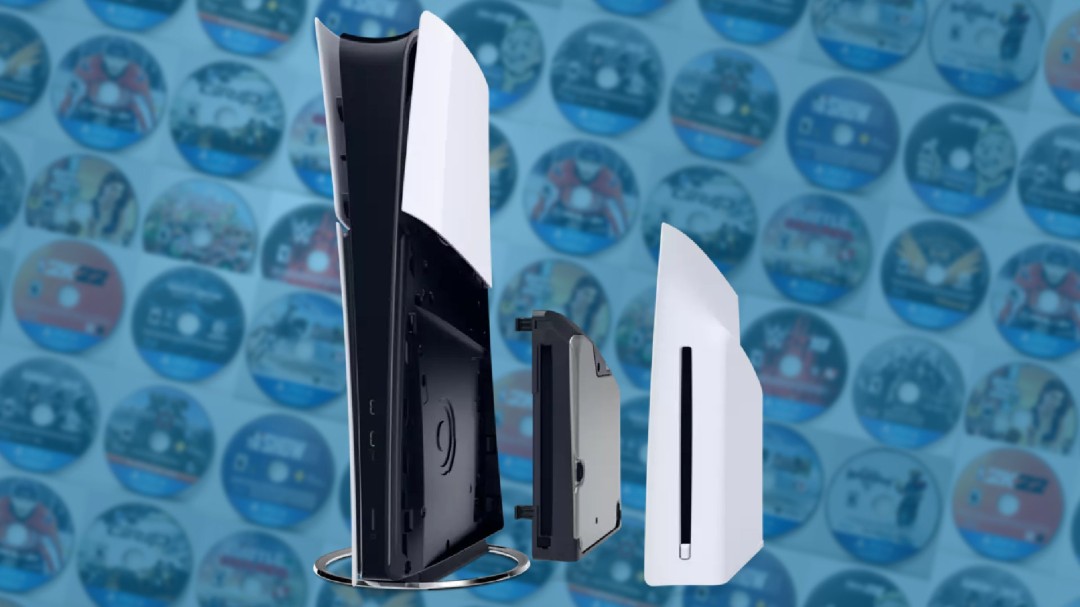
A Sony DADC spokesperson told Game: "To clarify and avoid any misleading information: In that statement, Dietmar expected overall product sales to decline by 10%, not down to 10%."
However, a Sony DADC spokesperson did not reveal what will happen after 2028 and referred further questions about reordering to PlayStation's own PR team, which did not respond to Game's inquiries.
The reason for this confusion is that PlayStation announced in July that it will stop producing physical discs of new games starting in January 2028, but games that have been released and games that are still scheduled to be released on disc before this date will not be affected, and will continue to accept re-orders thereafter.
Unlike Microsoft, Microsoft allows third parties to obtain the status of "Authorized Replicators" and produce Xbox physical discs under publisher agreements. Sony has always kept disc production in its own hands, producing through DADC, rather than outsourcing the production process to external factories.
Niko Partners analyst Daniel Ahmad believes that once physical discs are cancelled, the second-hand game market may suffer a fatal blow, and players' consumption will be directed directly to the PlayStation Store. Compared with physical retail channels, Sony's profit margins in digital stores are obviously higher.
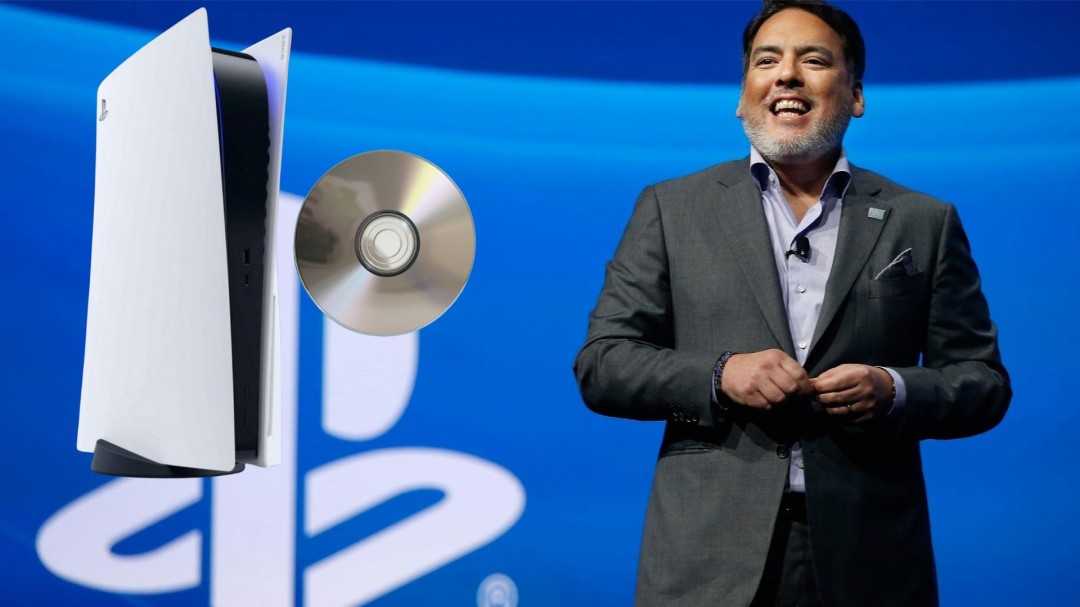
Former PlayStation Global Studios head: Cancellation of physical version "frustrating, but not unsolvable"
Former SIE global studio head Shawn Layden said in an interview with Game that PlayStation's move towards a fully digital future is "frustrating, but not unsolvable." However, he also admitted that he currently "cannot see the specific details clearly", so he does not know whether there will be some kind of authorized cooperation model in the future.
Layden believes that the death of physical media has actually been predicted many times, but some physical forms have finally regained their vitality.
"No one expected cassette tapes to come back. Vinyl was not so much back as it was never really gone. The flame went out, but the embers stayed, and it just came back. The same goes for the book industry. We thought everyone would be using a Kindle now."
In Layden’s view, collection itself is an important part of game culture.
"Have you collected all the diamonds in Crash Bandicoot? Have you collected all the stars in Super Mario Bros.? We love collecting games. We have a game shelf where we put all the game boxes. If you are a super hardcore gamer, when you buy a game, you buy two copies, right? One to keep in plastic and the other to play with."
"We will buy steel boxes, three-disc sets of "Final Fantasy", and figures...you can't download these things. So what will happen to these things in the future?"
Layden believes that Sony's decision is often treated as a purely financial issue, but in fact it should not be treated as such.
"Someone has to do the accounting and see, 'Okay, what's the impact on the brand of this move?' If we do this, from an economic perspective, it all makes sense. I understand, it's just math. But what's the brand impact? Are people going to say, 'Great job, you guys!' Or are they going to say, 'We hate you, don't do it again!' Sometimes, they do say, 'We hate you!'"
He further said: "I have seen many companies make some decisions. From an objective point of view, I don't know how many dollars this decision ultimately brought to you, but your brand value may have dropped by 30% as a result. So, I hope you feel that this transaction is worth it."
Layden questions: Are digital games that cannot be resold really considered “owned”?
Layden is more direct about the industry-wide shift away from physical ownership and toward digital access models.
"What does 'owning' really mean these days? That's a real question. In fact, it's not even a question anymore. What it really means is that you're changing the business model from 'ownership' to 'access.' You've never been able to sell your iTunes music library. You can't sell your PlayStation digital game library. So, if you can't resell it, do you really own it?"
Boutique publisher iam8bit, known for its collector's edition games, told Game magazine that they "definitely want to find a way to continue making physical PlayStation games."
The article also mentions a potential solution: Memphis-based optical disc manufacturer Conectiv Supply Chain Solutions.
One possible avenue mentioned in the article is Conectiv Supply Chain Solutions, a Memphis-based disc manufacturer founded in 2025 that recently acquired Universal Pictures and Warner Bros.' home entertainment distributor SDS, but Game reported that it had not heard back from the company or its CEO as of press time.
Earlier this week, during the State of Play live broadcast, the YouTube live chat room was flooded with messages such as "Don't buy it without the disc" and "We want Destiny 3" from beginning to end. Switching to the Twitch live broadcast room, I also found that the live broadcast room was flooded with "Destiny"-related emoticons and similar messages calling for a physical version of the game.
Comments