
Abstract:
Recently, Sony Interactive Entertainment submitted legal documents in a class action lawsuit to formally respond to the issue of digital game ownership. The company made it clear that when consumers purchase digital games on the PlayStation Store, they only receive a license to use them, not ownership in the traditional sense.
This class action lawsuit stems from California’s Digital Commodity Act (AB 2426), which takes effect on January 1, 2025. The bill requires companies that sell digital goods to clearly inform consumers when they purchase that the so-called "purchase" is actually a license to use, not a permanent ownership. The plaintiff alleged that Sony’s PlayStation Store’s relevant prompts on the purchase page were not eye-catching enough and failed to fully meet legal requirements.
Sony elaborated on its position in a document filed on August 21 in the federal court for the Northern District of California. The company believes that the PlayStation digital product purchase page has been linked to the terms of service and software license agreement, and consumers can check the relevant provisions before making payment.

Sony lawyers made a controversial argument: digital ownership is logistically difficult to establish. If one player "owns" a digital game, another player should no longer have access to the same product. Sony took "Resident Evil: Requiem" as an example and pointed out that if the plaintiff Edward Heycock purchased the game for $69.99 on February 25, 2026, and another plaintiff Jason Mendoza had purchased it on February 14, according to the logic of ownership, the game should have been owned by Mendoza and not Sony at that time, and Heycock would no longer be able to obtain the game.
Sony clearly stated in the software license agreement: "This software is licensed to you, not sold to you."
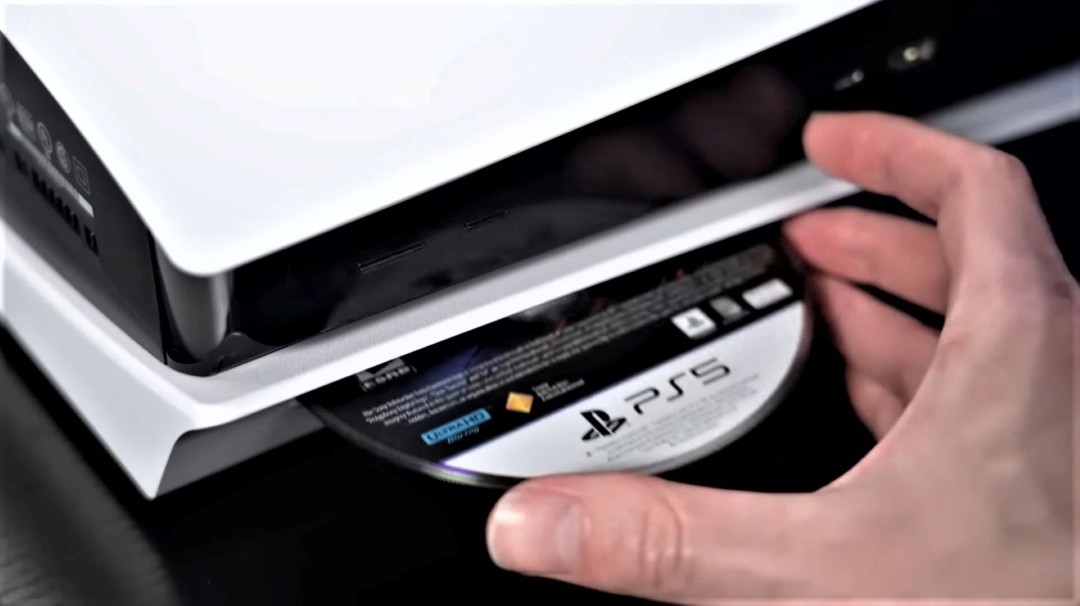
The controversy coincides with Sony's announcement that it will stop producing physical discs for new PlayStation games starting in January 2028. This decision triggered strong opposition from players around the world, and a large number of players were concerned about the ownership and preservation of game assets in the purely digital era.
At the heart of the dispute is the fact that these key terms are contained in a lengthy service agreement, rather than prominently displayed directly next to the purchase button. The plaintiff believes that it is difficult for ordinary consumers to truly realize that what they are getting is just a license when paying.
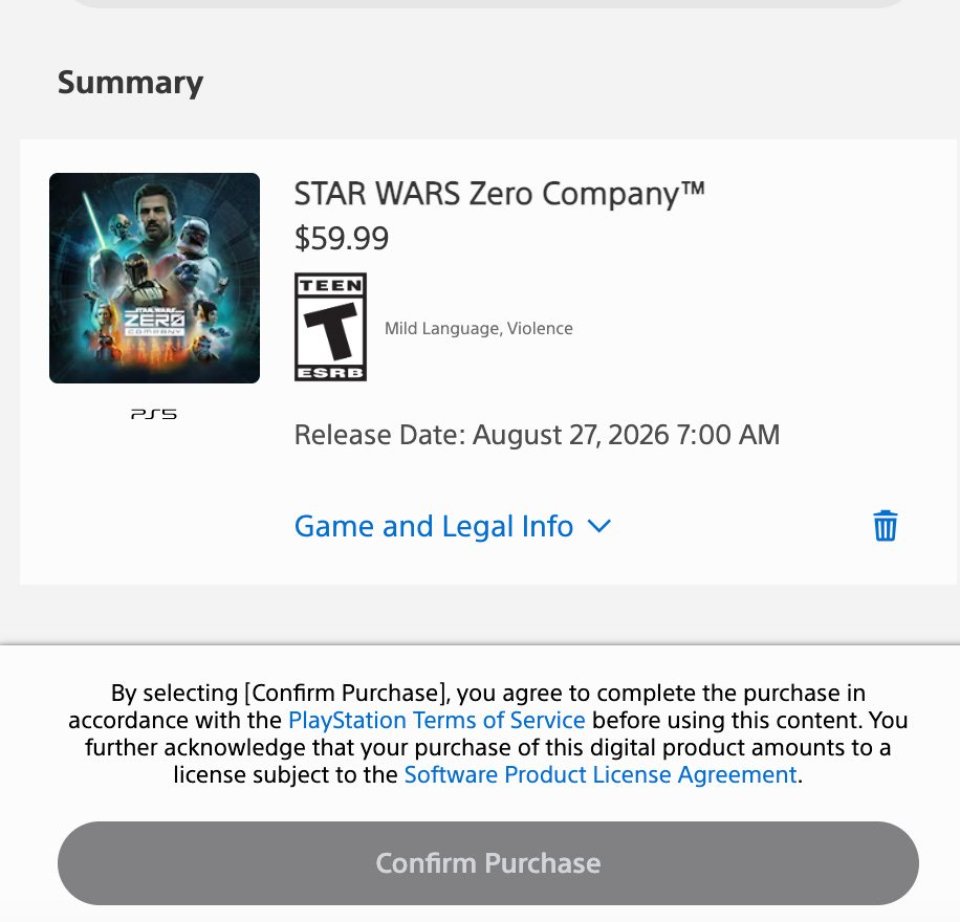
According to California AB 2426, when using terms such as "buy" or "purchase", the seller must obtain clear confirmation from the consumer of the fact that "permission is obtained" or provide a clear and conspicuous statement. Violations of this provision may result in civil penalties of up to $2,500 per violation.
Comments