
Abstract:
South Korea took extremely rare anti-cheating measures on the day of the annual university academic ability test, known as "Xuneng": the authorities issued the highest level emergency alert to mobile phone users across the country before the exam began. The results showed that this approach did work. In the first round of alerts, it was discovered that 22 candidates failed to hand in their mobile phones as required.
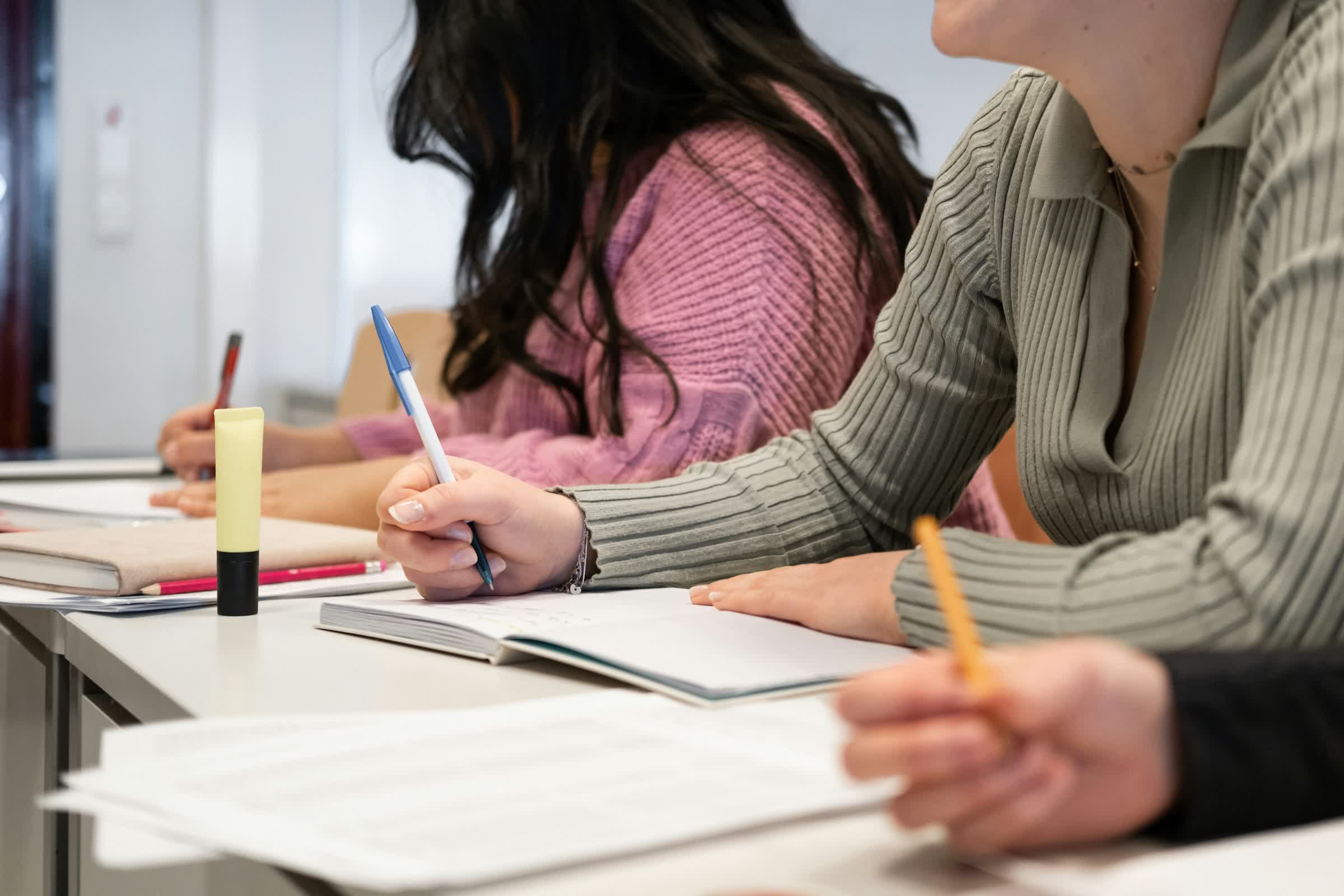
About 500,000 candidates will take the exam on Thursday at 1,312 exam centers across the country. The exam is divided into five subjects and lasts for eight hours in one day. The results may determine whether the candidate can enter the ideal university and the professional direction he can study in the future.
This year, South Korean society has become more concerned about cheating in exams. Previously, the highest-scoring candidate in the Korean Professional Tax Accountant Examination answered 159 out of 160 questions correctly, an outstanding performance. The candidate later admitted that he had used micro cameras and generative artificial intelligence to cheat.
At 8:30 a.m. that day, just before the first exam began, the authorities triggered an "extreme emergency alert." The alert lasts for 10.5 seconds and will sound at maximum volume even if the phone is on silent. Officials said the alert found a total of 22 candidates in nine cities and provinces who had not handed over their smartphones.
At 2:21 p.m., the authorities issued another alert as invigilators were collecting test papers and answer sheets after the third exam. Due to the long-term tension between South Korea and North Korea, the nationwide emergency alert has panicked many people. A Seoul resident said his first reaction was that a war had broken out. Two Japanese tourists at a cafe in central Seoul also had to translate the alert before they understood what had interrupted their morning coffee.
The alert may have accidentally uncovered some people who were not cheating on the exam. According to the Korea JoongAng Daily, there were posts online saying that some soldiers exposed their second mobile phones because of the alarm, and the mobile phones were subsequently confiscated.
In addition, a civil servant who had just finished his night shift and was about to go to sleep at about 8 a.m. was awakened by the third alarm issued at 2:57 p.m., bringing the total number of alarms that day to three. The exhausted worker complained that he "couldn't even get a little sleep."
Authorities originally planned to keep the exact time of the afternoon alert secret to preserve the surprise, but ultimately decided to inform the public in advance. Therefore, at 2:45 pm, the public received a reminder that another message would be received in 12 minutes and stated that there was no need to worry.
Comments