
Abstract:
Tesla’s decision to discontinue production of the Cybertruck next year may be the most high-profile failure of the large electric pickup truck category that the automaker had touted, Reuters reported. Tesla CEO Elon Musk said on social media on Saturday that the company would increase Cybertruck production at its Austin, Texas, factory to absorb the "backlog of orders," and then dismantle the model's production line around June or July next year. He said discontinuing Cybertruck production would allow Tesla to produce more Cybercab self-driving taxis, which have yet to be commercially sold.
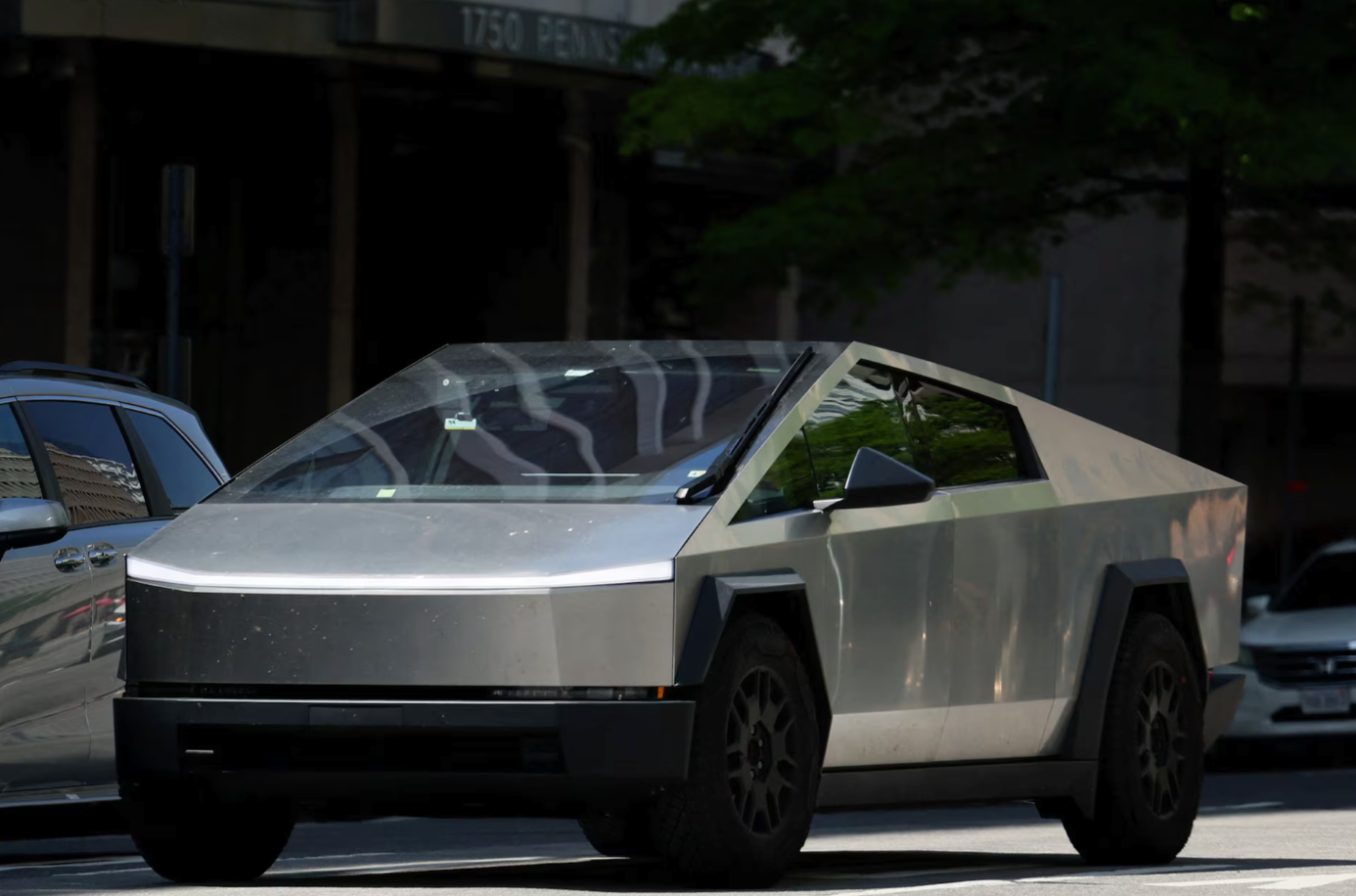
Cybertruck will be discontinued
Tesla's pickup truck with a stainless steel body and sharp edges was once described by MotorTrend magazine as "a combination of stealth bomber and refrigerator design." But according to estimates from research firm Motor Intelligence, Cybertruck sales fell 28% to about 11,600 units as of September this year.
This sales rate is far lower than Musk’s previous forecast of annual sales of 250,000 vehicles. In addition, SpaceX, another Musk company, also purchased a $131 million Cybertruck from Tesla at the official list price last year, according to a filing with federal regulators.
Why is it difficult to make an electric pickup truck?
The market for large electric pickup trucks is also struggling for Tesla's rivals. Although Cybertruck deliveries have been relatively limited, it still exceeds sales of electric pickup trucks from General Motors and Ford Motor Co. Executives from both companies had high hopes for electric versions of their full-size pickup trucks, a major source of profit for both companies, to be a success.
In the early 2020s, Detroit automakers began turning to electric pickup trucks, in part to fend off the entry of new competitors like Tesla and Rivian. General Motors Co., Ford Motor Co. and Ram brand owner Stratis have cultivated legions of loyal customers for decades by increasing the horsepower and towing capabilities of their pickup trucks.
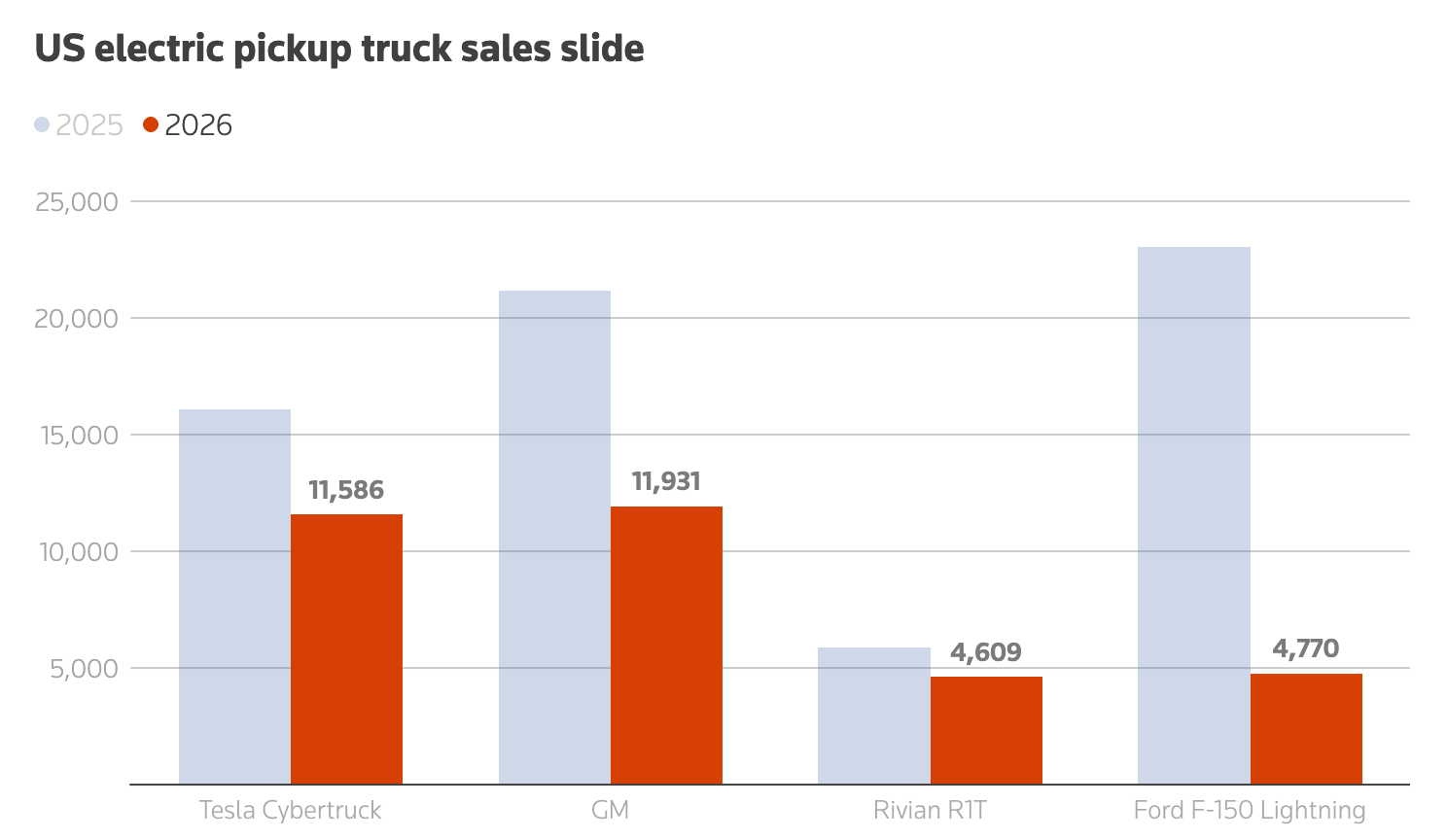
U.S. electric pickup truck sales decline
However, these companies have failed to replicate this successful model with electric pickups, said Karl Brauer, executive analyst at automotive research website iSeeCars.com.
First, electric pickup trucks are expensive, in part because of the extremely high cost of the large-capacity batteries they are equipped with. For example, General Motors' Chevrolet Silverado EV starts at about $62,000.
Second, these electric pickup trucks often struggle with tasks that owners of traditional gas-powered pickup trucks are accustomed to, such as towing horse trailers or carrying heavy equipment.
"At the end of the day, you're paying more money and getting a car that's less practical," Brauer said.
Profit pressure
Ford CEO Jim Farley acknowledged the harsh economic realities facing electric pickup trucks during an earnings call last year and explained why the company decided to end production of the Ford F-150 Lightning. This model is an electric version of Ford's best-selling F-150 pickup truck. The market performed relatively well in the first few years after its launch, but then demand began to cool down.
“The bigger the vehicle, the bigger the battery, the greater the pressure on margins because customers are not willing to pay the premium,” Farley said.
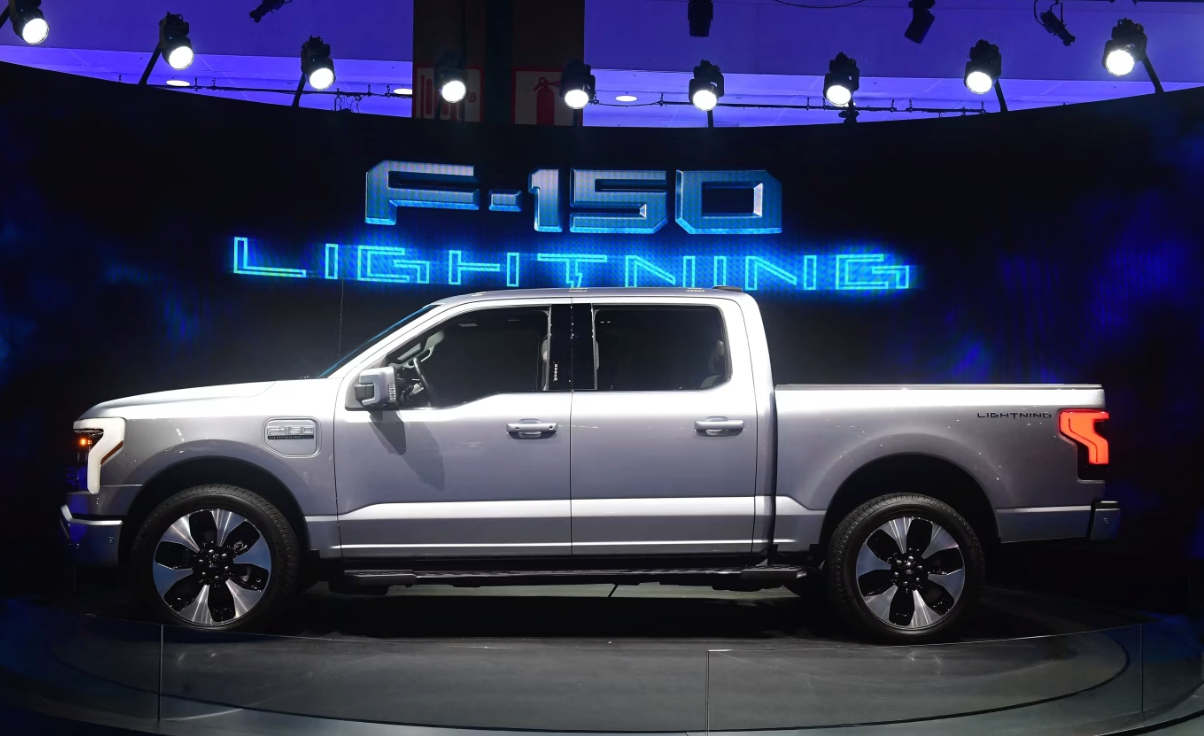
Ford discontinues F-150 Lightning
Ford is currently shifting its focus to a smaller electric pickup called the Fathom, which is scheduled to be launched at the end of next year with a starting price of about US$28,000.
Automakers are also looking to hybrid technology to give pickup truck customers the features they need in electric form. Stratis plans to launch an extended-range electric pickup truck next year that will use a gasoline generator to charge the battery while driving.
Comments