
Abstract:
The eFlyer 2 electric trainer aircraft developed with the support of US electric aviation company BETA Technologies recently successfully completed its first test flight, marking an important step for electric aviation in the field of flight training. The project developer believes that this two-seater electric aircraft is expected to significantly reduce flight school operating costs in the future and promote the transformation of aviation training towards zero emissions.
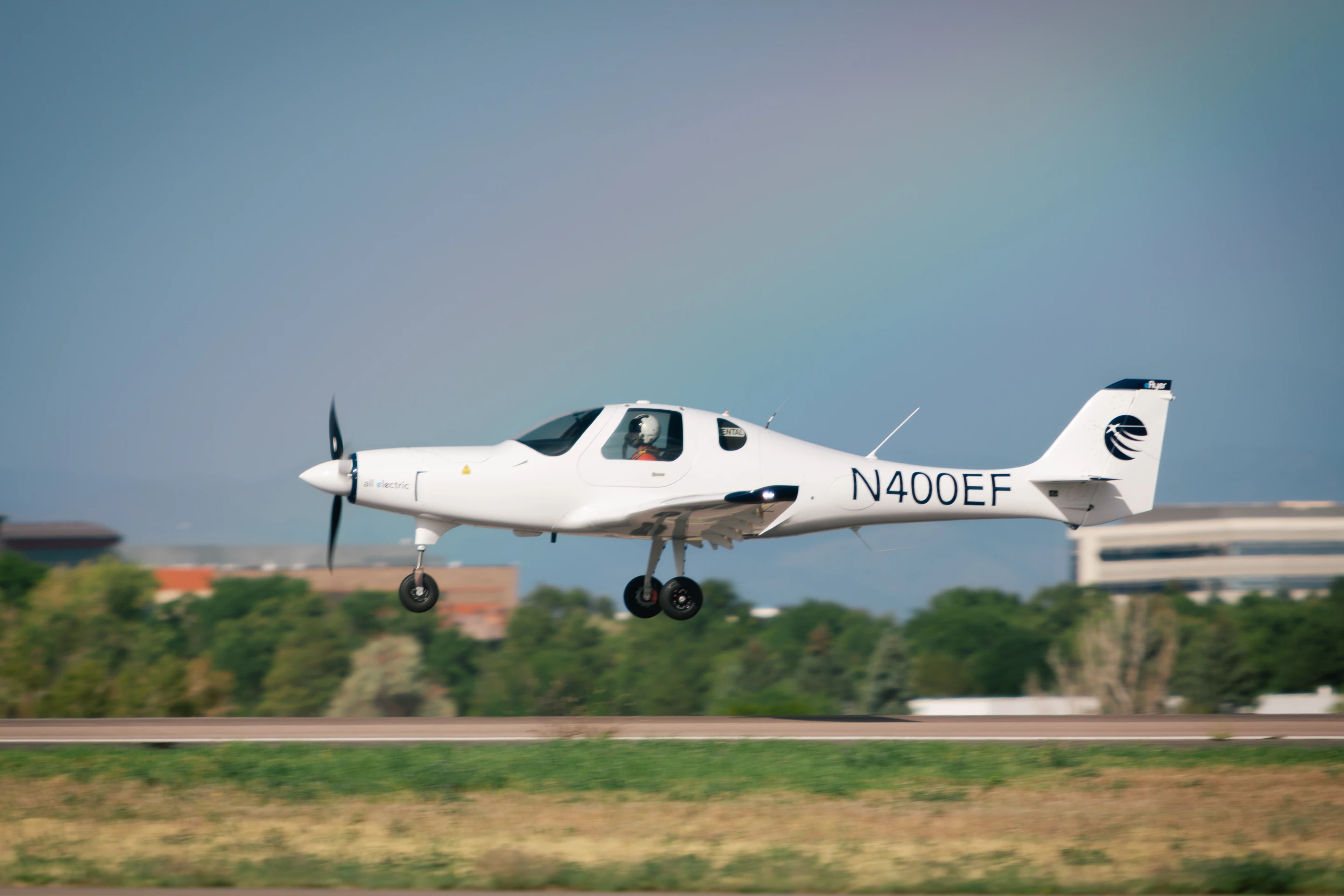
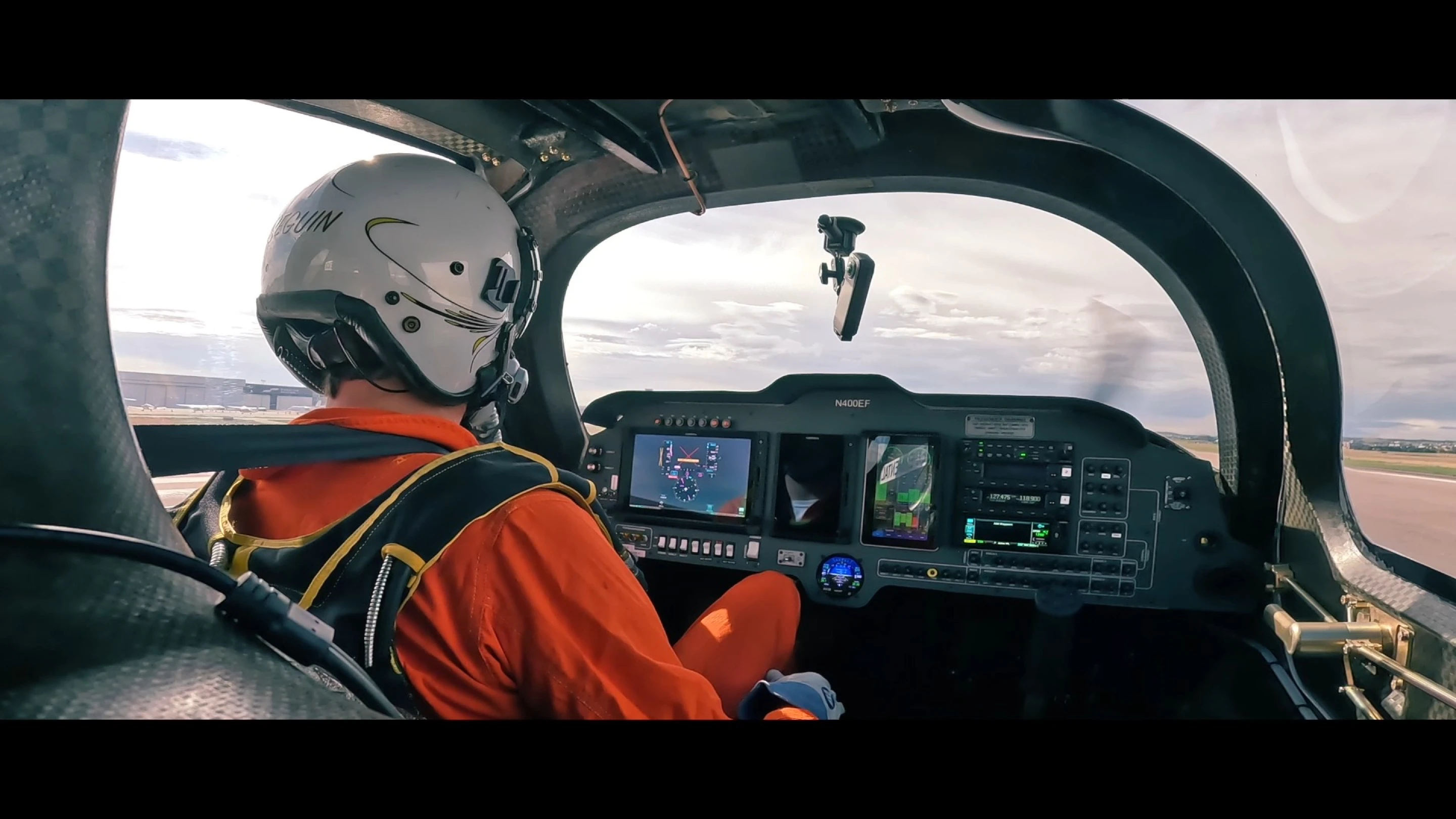
The first flight took place in Colorado, USA. During the flight, eFlyer 2 successfully completed key test items such as takeoff, air flight and landing. The R&D team stated that the data obtained on the first flight were in line with expectations, laying the foundation for subsequent airworthiness certification and further flight testing.
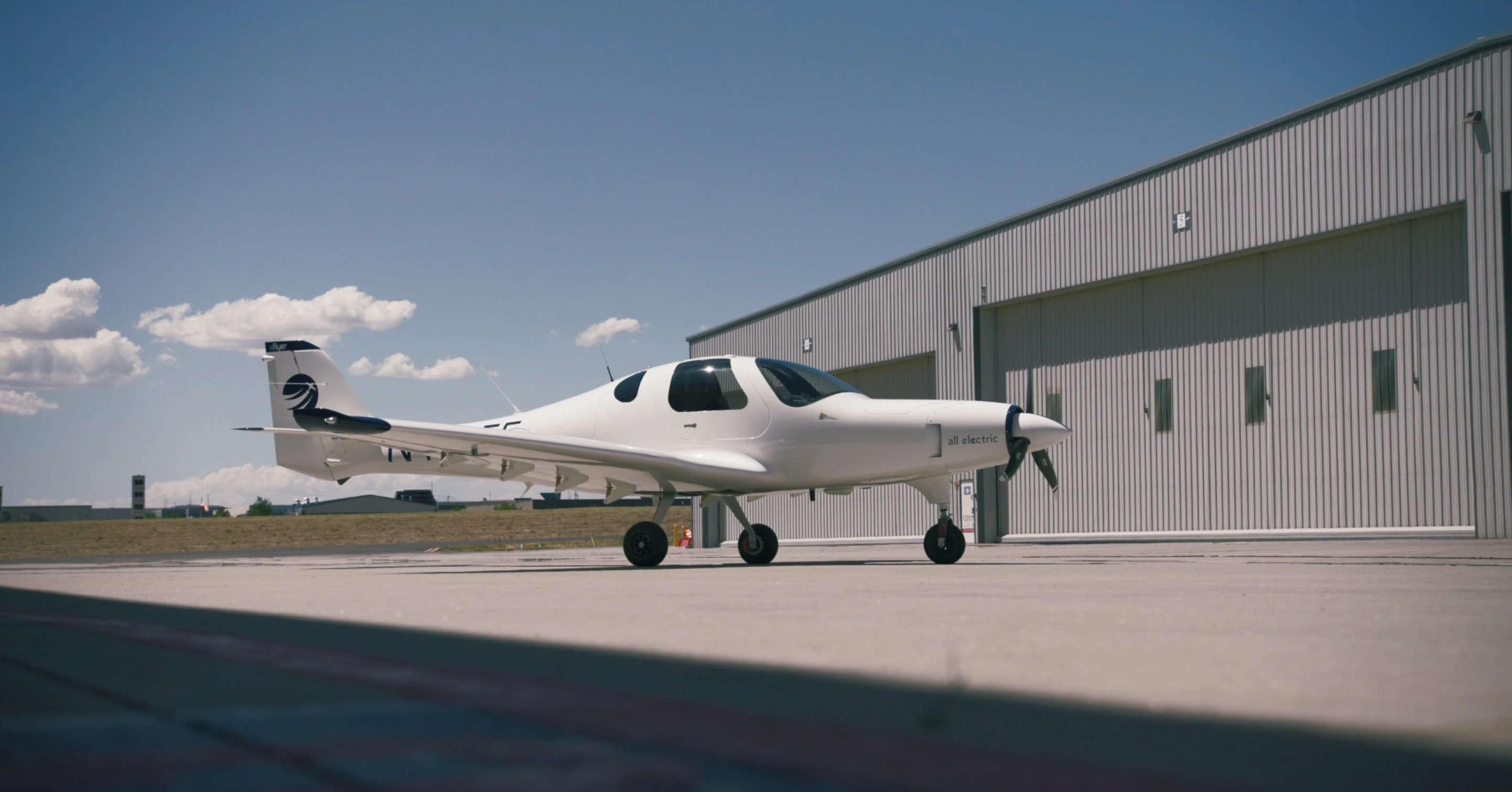
eFlyer 2 was developed by American electric aircraft manufacturer Bye Aerospace. It is a pure electric fixed-wing aircraft specially designed for the pilot training market. Compared with traditional trainer aircraft that use aviation gasoline engines, the eFlyer 2 relies entirely on battery power and drives propellers through an electric propulsion system to fly.
The development team believes that flight training is one of the most suitable scenarios for electric aviation to be implemented first. The reason is that most flight training missions are short in duration, usually around airports, and do not require long-distance flights, which is more consistent with the endurance provided by current battery technology.
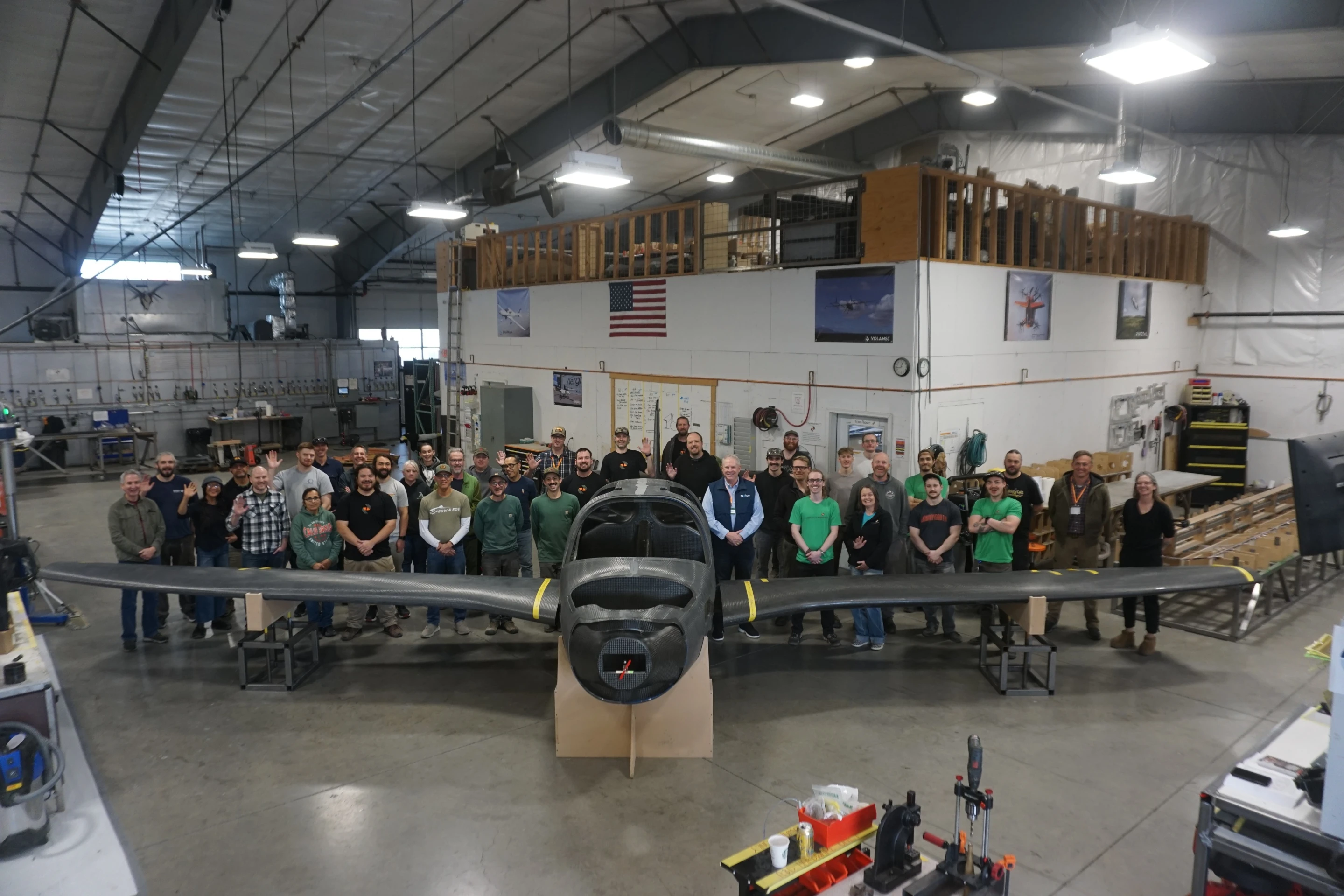
According to the project plan, eFlyer 2 will be equipped with a two-seater layout, including one instructor and one student. The aircraft uses a carbon fiber composite body to reduce weight while improving structural efficiency to make full use of the energy stored in the batteries.
The R&D team stated that the electric propulsion system can not only eliminate direct carbon emissions during flight, but also has the advantages of simple structure and low maintenance requirements. Compared with traditional piston engines, electric motors have significantly fewer moving parts, thus theoretically reducing maintenance costs and downtime.
Noise performance is also one of the key strengths of the project. Because electric aircraft do not require an engine to continuously burn fuel, their operating noise is significantly lower than that of traditional trainer aircraft. For communities surrounding the airport, this feature is expected to reduce the long-standing problem of noise complaints.
In terms of flight performance, the development team stated that the electric propulsion system can provide instant torque output, giving the aircraft good responsiveness during takeoff and climb phases. At the same time, the flight process is smoother because there is no traditional engine vibration.
The flight training industry still mainly relies on traditional fuel trainer aircraft such as the Cessna 172. Despite the long-term proven reliability of these aircraft, fuel and maintenance costs have continued to rise in recent years. As the global aviation industry faces pressure to reduce emissions, the training aviation sector is also looking for more environmentally friendly and economical alternatives.
Bye Aerospace believes that electric trainer aircraft can help flight schools reduce operating expenses in the future. In addition to lower energy costs, the reduced need for electric system maintenance is expected to further compress overall training costs.
After the successful first flight, the eFlyer 2 project will enter a more intensive testing phase. The development team plans to verify the performance of the aircraft in different environments and mission conditions through subsequent flights, and gradually advance the airworthiness certification work.
At the same time, the company is also developing larger eFlyer series models, hoping to expand electric aviation applications to more commercial areas in the future. However, from a practical perspective, the flight training market is still regarded as the most likely area to take the lead in realizing the popularization of electrification.
The completion of the first test flight of eFlyer 2 is not only an important node in the development process of a single aircraft model, but also reflects that the electric aviation industry is gradually moving from concept verification to practical application. If the follow-up certification work goes well, future flight school students may complete their first flight training on an almost noiseless, zero-emission aircraft.
Comments