
Abstract:
Microsoft CEO Satya Nadella recently publicly stated that the company is building Copilot into a new "operating system." This statement has attracted widespread attention from the outside world, because while Microsoft continues to strengthen Copilot's position, some traditional Windows 11 functions and entrances are being readjusted or even weakened.
Nadella believes that personal computing is ushering in an important change similar to the era of popularization of graphical interfaces. In the past few decades, users have mainly interacted with computers through desktops, windows, folders and applications. In the future, the core portal will gradually become artificial intelligence assistants that can understand natural language and complete tasks on behalf of users.
In Microsoft's vision, Copilot is not just a chatbot, but a unified coordination layer located on top of various applications, services and data. Whether writing code, managing files, analyzing data, processing emails, or executing complex workflows, users can directly put forward requirements to Copilot, and AI will decide how to call the underlying resources to complete the goal.
This line of thinking means that the role of Windows itself is changing. In the past, Windows was the core platform on which all software and services ran; under the new architectural concept, Copilot is developing to a higher level and becoming the main interface connecting users with the entire digital ecosystem.
Microsoft has verified this strategy in multiple directions in recent years.
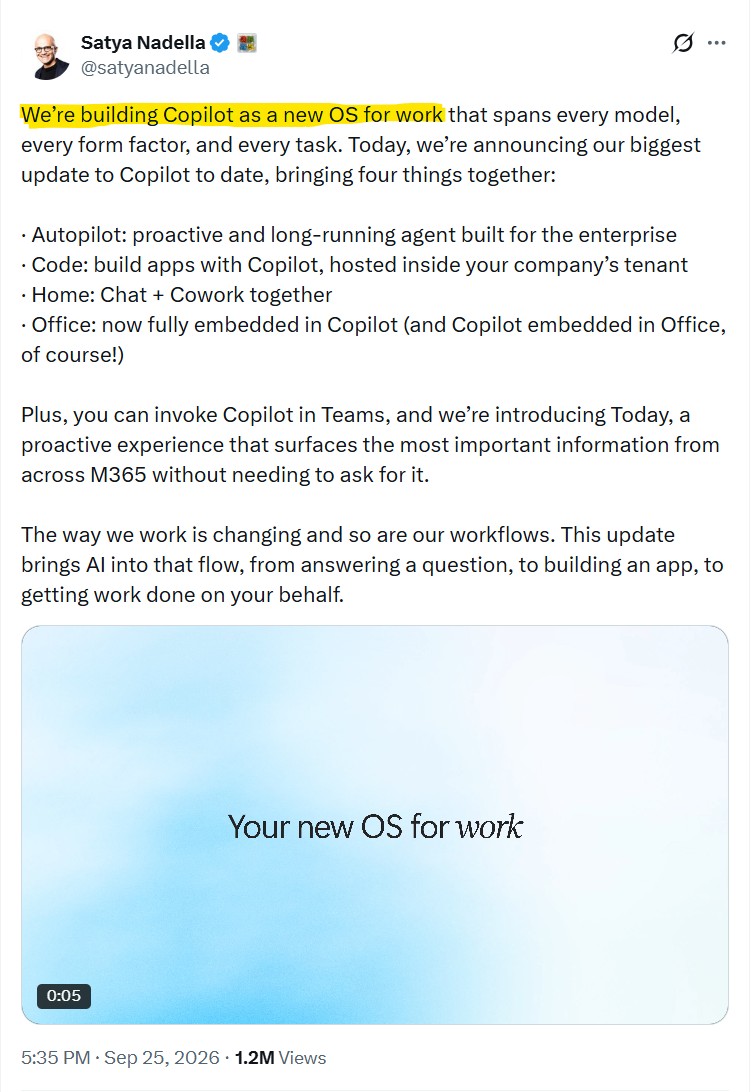
From Copilot in Windows, to Microsoft 365 Copilot, to GitHub Copilot and various enterprise-level AI agent services, the company is constantly expanding the capabilities of the Copilot family. At the same time, more and more software functions that originally required users to operate themselves are beginning to be integrated into AI workflows.
It is worth noting that this strategic shift has also brought about some seemingly contradictory phenomena.
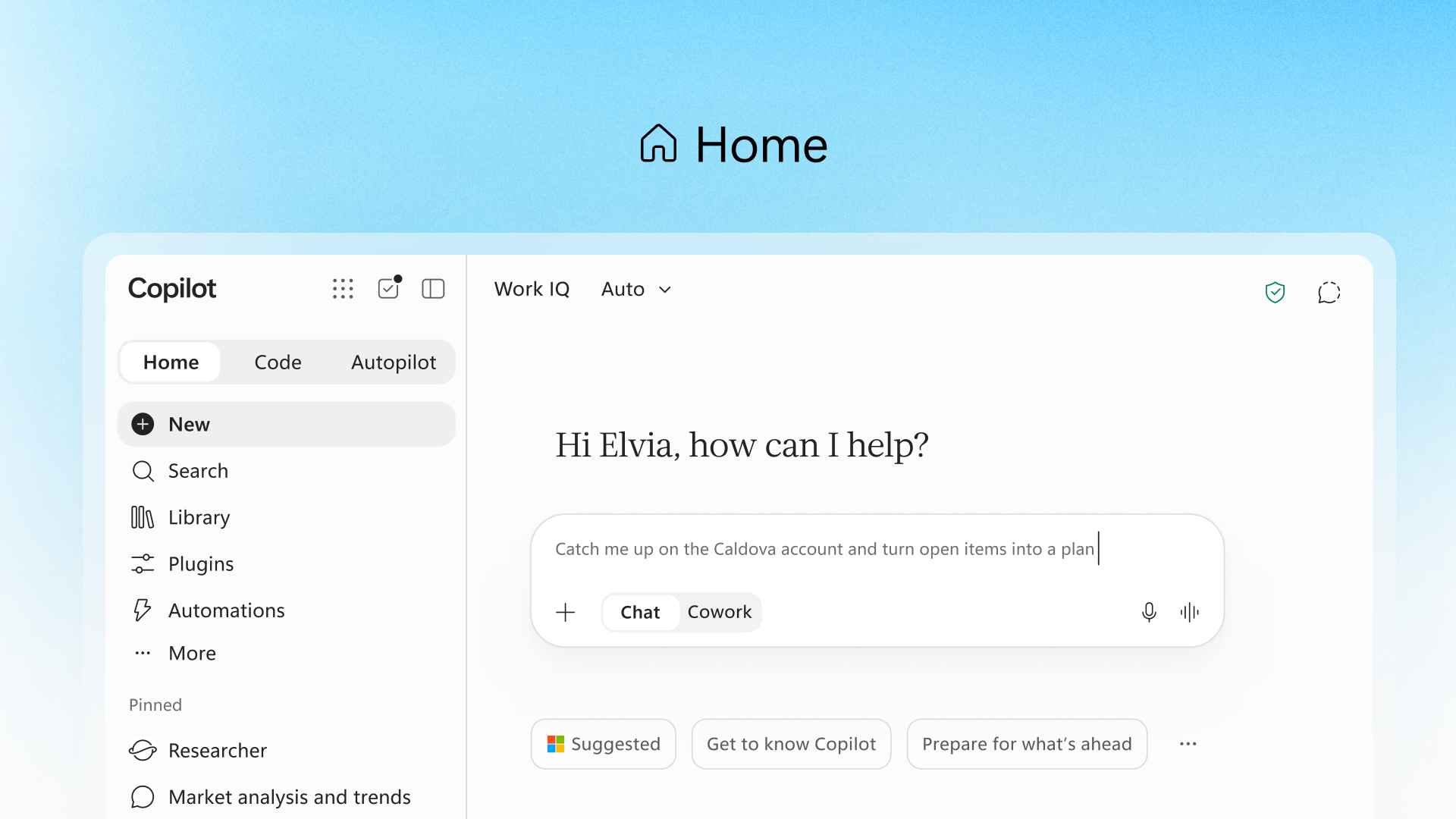
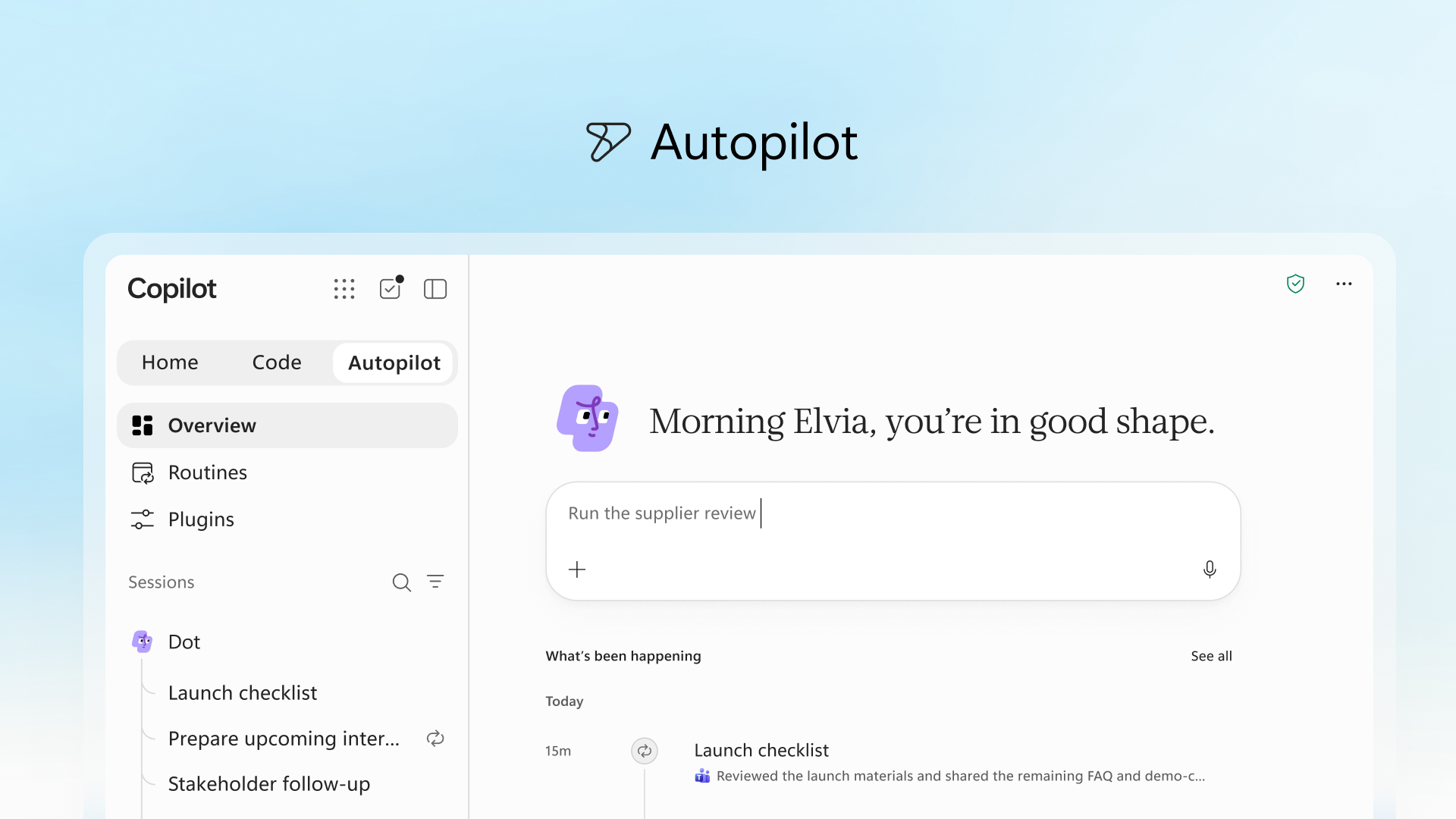
On the one hand, Microsoft continues to emphasize the importance of Copilot and even describes it as the core of the future computing experience; on the other hand, some Copilot entrance and integrated functions within Windows 11 have undergone multiple adjustments. In some versions, Microsoft transformed Copilot from a deep system component into a standalone application and redesigned how it is called.
In this regard, industry observers believe that this does not mean that Microsoft has weakened the importance of Copilot. On the contrary, it reflects Microsoft's desire to get Copilot away from dependence on the Windows single platform.
According to Microsoft's development path, Copilot will not only exist on Windows in the future, but will also cover web pages, mobile phones, enterprise platforms, development tools and various third-party services. So rather than keeping Copilot locked inside Windows, let's make it an intelligence layer that exists cross-platform.
Nadella also pointed out that future artificial intelligence systems will be able to proactively understand user goals and complete work in a more automated manner. Users no longer need to frequently switch software, search for files, or manually perform multiple steps. Instead, they express their intentions through natural language, and AI is responsible for completing the remaining processes.
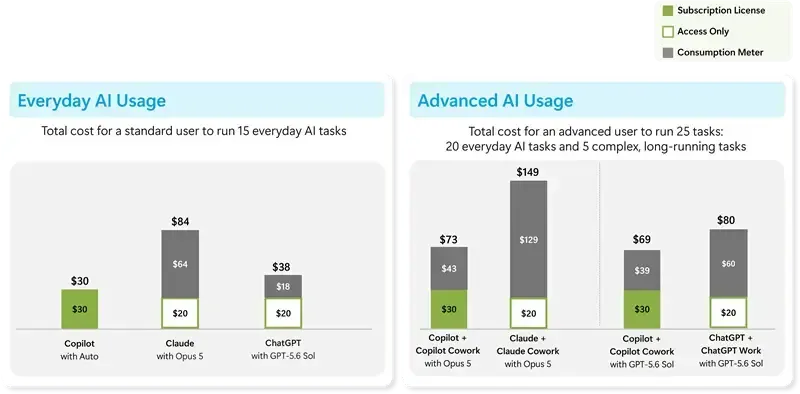
This concept is highly consistent with the "Agent" strategy that Microsoft has vigorously promoted in recent years. The company hopes that future Copilot will be able to not only answer questions, but also perform tasks, coordinate multiple system resources, and even complete complex tasks autonomously after authorization.
From an industry perspective, Microsoft is obviously launching a new round of entry battle with competitors such as OpenAI, Google, Meta, and Anthropic.
In the Internet era, browsers and search engines are the main traffic entrances; in the mobile Internet era, application stores and operating systems play a core role. In the era of artificial intelligence, Microsoft believes that AI assistants that can understand user intentions and directly complete tasks will become a new computing platform.
Therefore, when Nadella calls Copilot a "new operating system," its true meaning is not to replace Windows itself, but to make AI a new generation of interaction layer covering applications, services, and devices. Under this vision, Windows will continue to exist, but the relationship between users and Windows will fundamentally change.
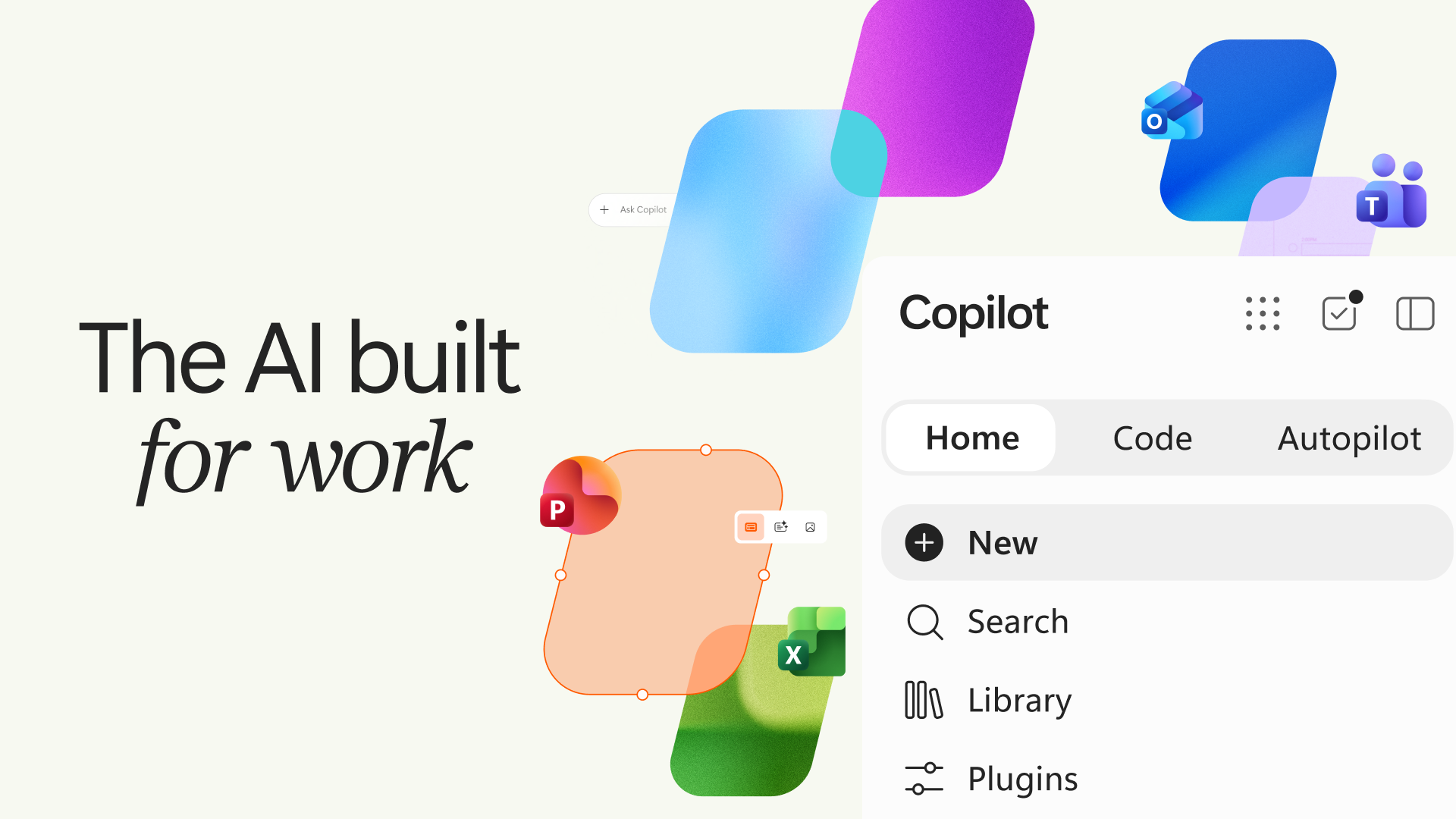
As Copilot continues to gain stronger reasoning, automation and execution capabilities, Microsoft is trying to gradually upgrade artificial intelligence from an additional function to a new entrance to the entire digital world. Whether this revolution can change computing methods like graphical interfaces and the Internet may provide an answer in the next few years.

Comments