
Abstract:
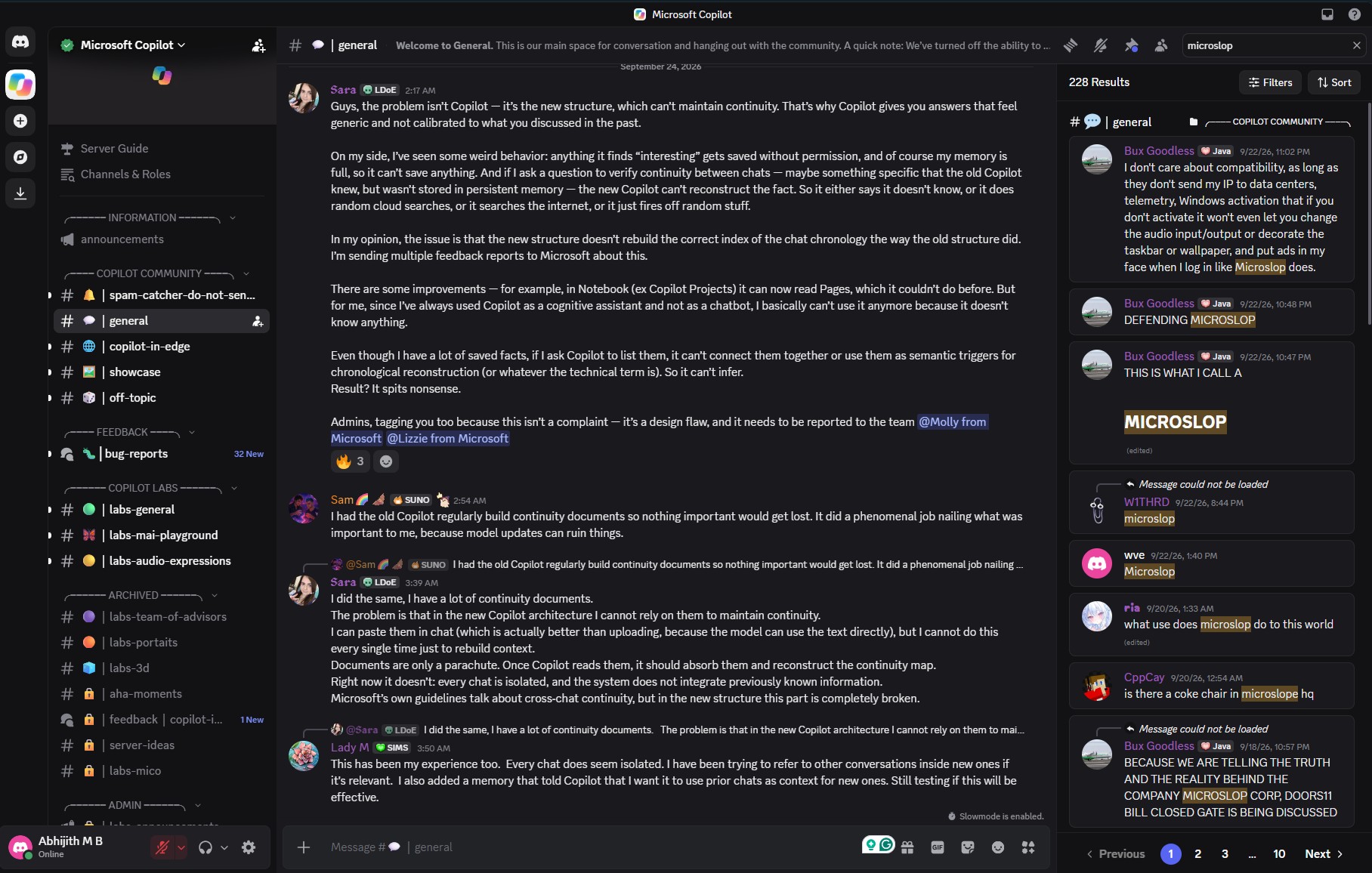
Microsoft seems to have quietly given up on blocking the Internet name "Microslop." This word, which was previously automatically filtered on Microsoft's official Copilot Discord server, can now be published normally, and users can even use it directly in public channels. So far, a Discord search has been able to find more than 200 historical messages containing the word, mostly from the past few weeks.
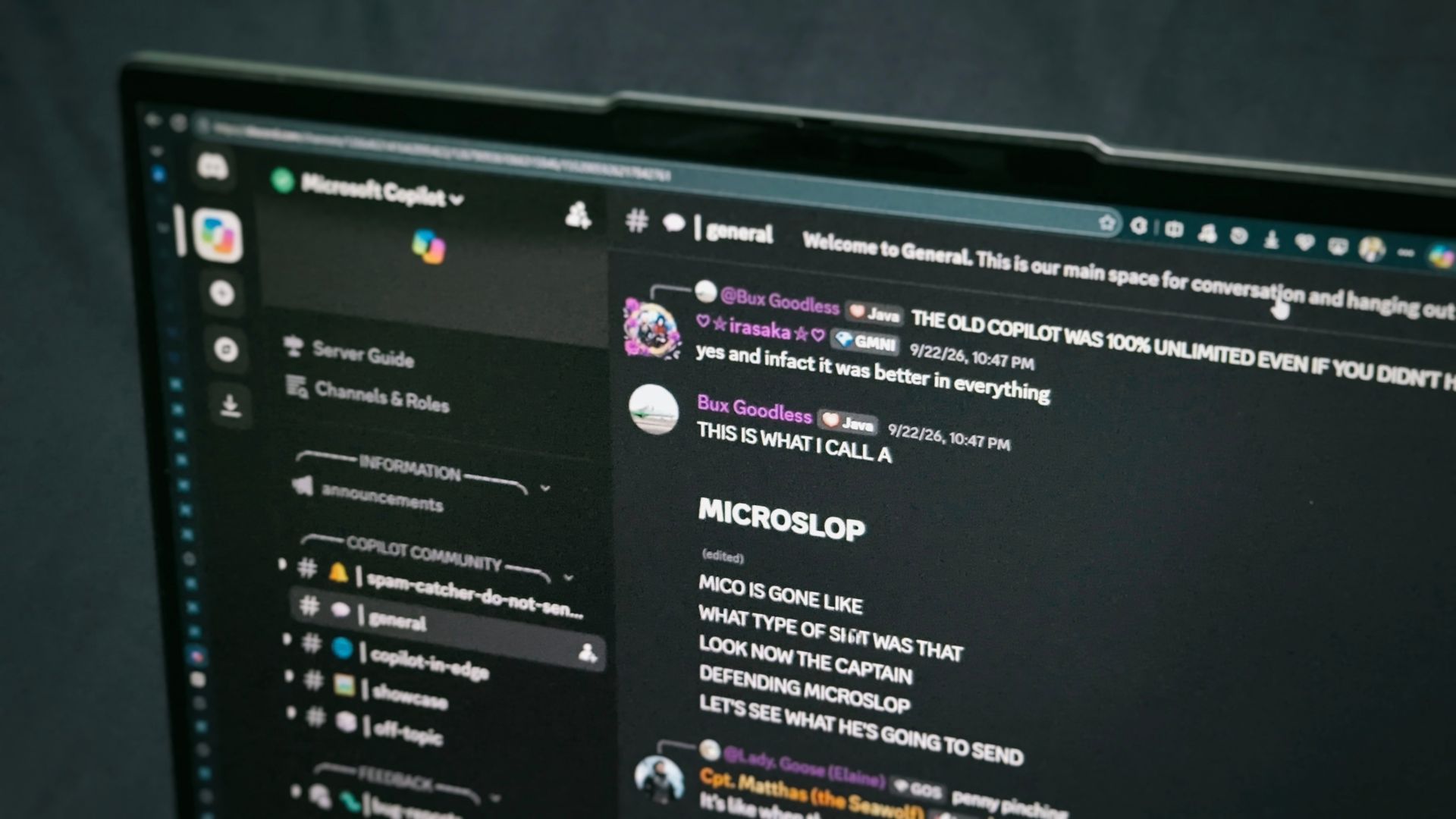
The ironic name "Microslop" became popular around the end of 2025 to early 2026, mainly due to the dissatisfaction of some Windows 11 users with Microsoft's aggressive promotion of AI functions. As Copilot was continuously added to Windows 11 and various system applications, the name spread rapidly, and some people even developed browser extensions to automatically replace Microsoft in web pages with "Microslop".
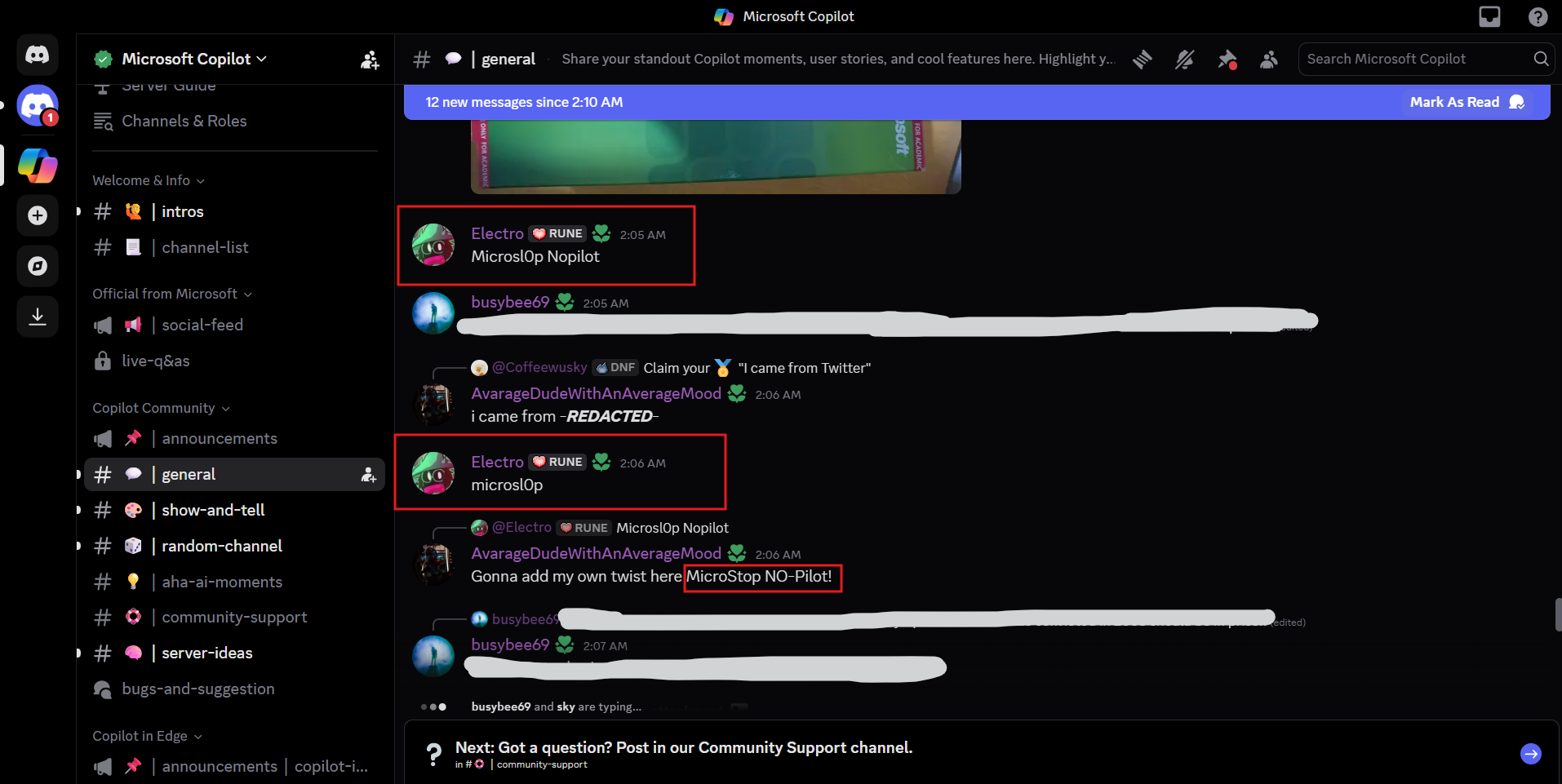
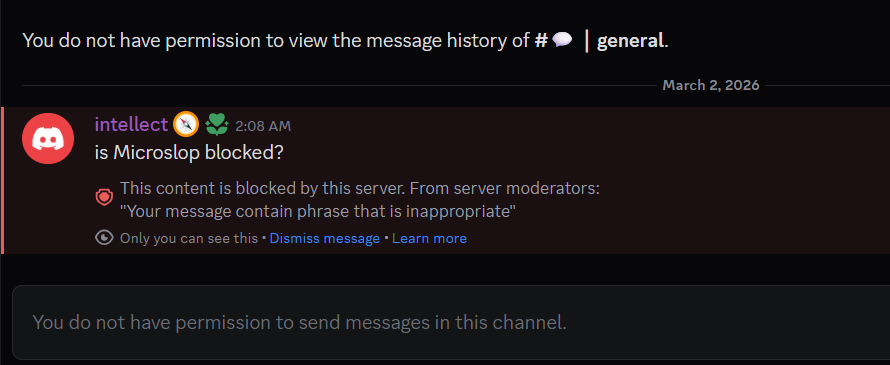
In March this year, Windows Latest first discovered that Microsoft’s official Copilot Discord server would automatically intercept messages containing “Microslop”. Once the user sends relevant content, the message will not appear in the public channel, but will receive an automatic review prompt from the server. Soon, users began to try to use "Microsl0p" and other variants to circumvent filtering. Later, some accounts were restricted, and Microsoft also locked some areas of the server for a time.
However, Microsoft explained to Windows Latest at the time that this was not a permanent ban against "Microslop", but because the Discord server encountered an organized spam attack. Administrators temporarily enabled a keyword filter after a flood of duplicate and irrelevant content flooded the server, which happened to include words like "Microslop." Microsoft stated that these filtering measures were only to slow down spam attacks, and later temporarily shut down some server functions in order to deploy more complete protection measures.
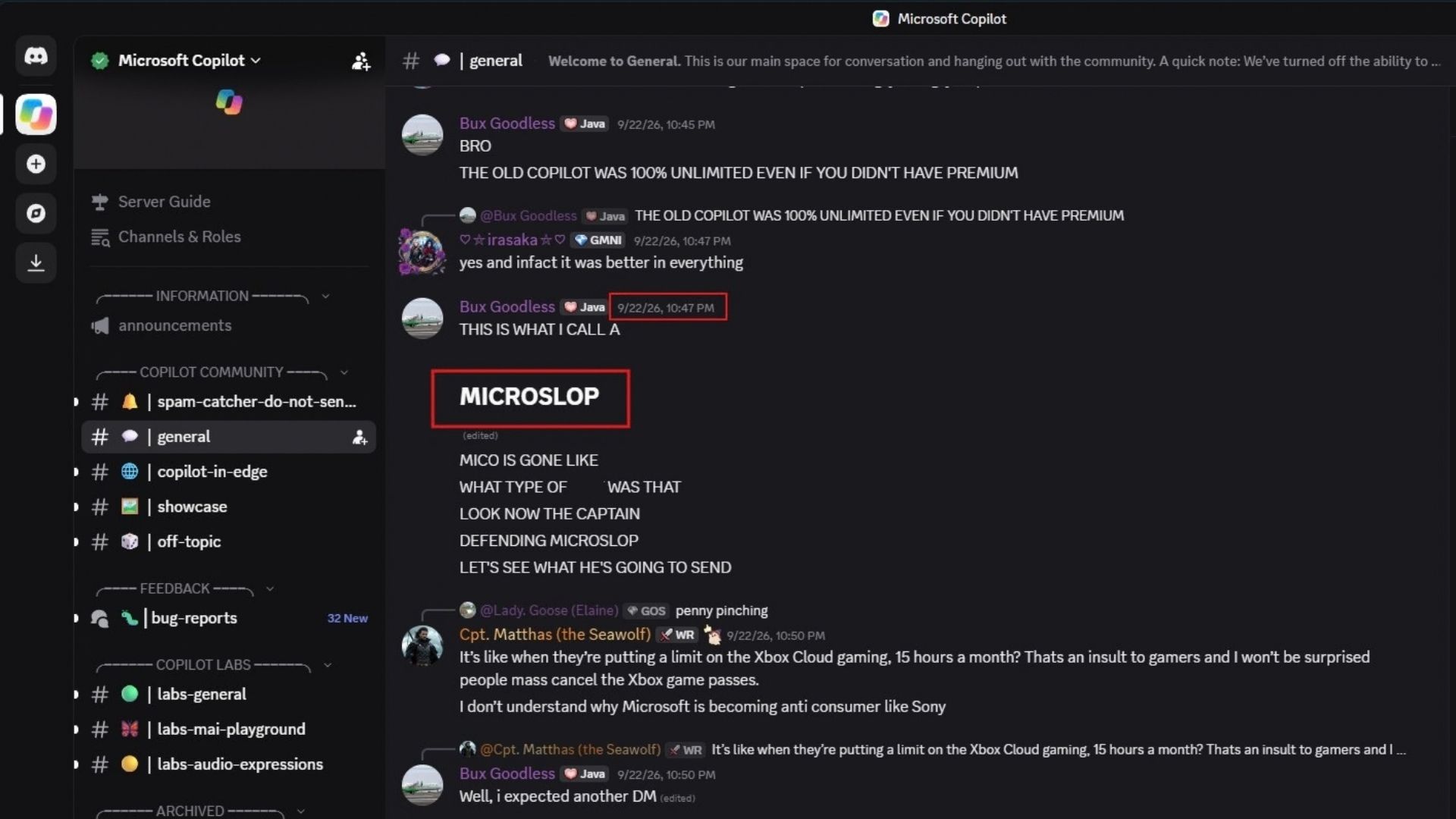
Six months later, this filtering mechanism has apparently been removed. Users can now use "Microslop" directly in the ordinary channel of Copilot Discord, and Microsoft has not publicly explained why it has lifted the relevant restrictions.
What’s more noteworthy is that when Microsoft gave up the term shield, Windows 11 itself did undergo significant changes. In the past year, Microsoft has quickly implanted Copilot into multiple locations in the Windows system. AI portals can be seen in applications such as the taskbar, notepad, photos, screenshot tools, and Widgets. As user backlash continues to grow, Microsoft began to adjust this strategy this year.
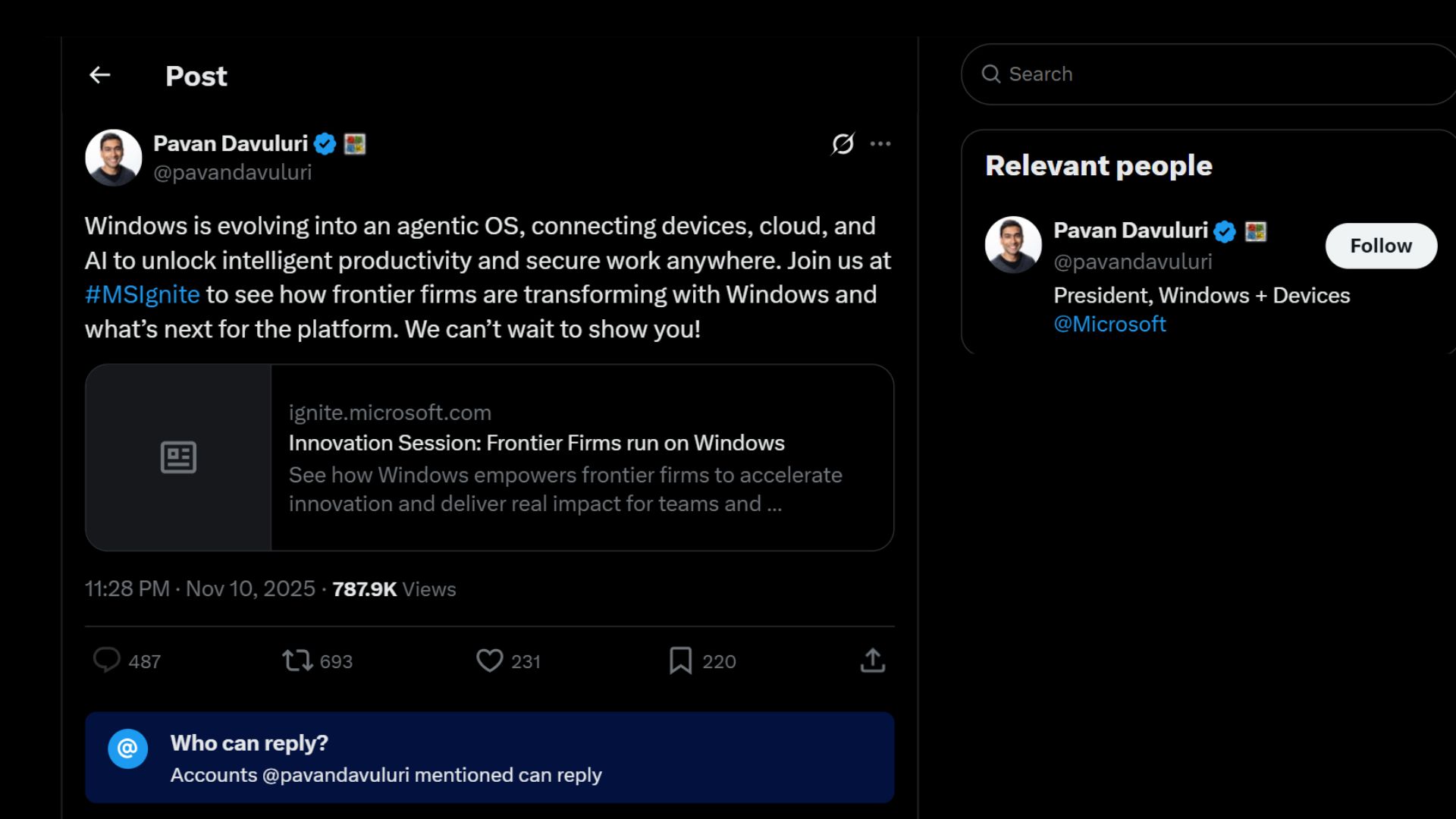
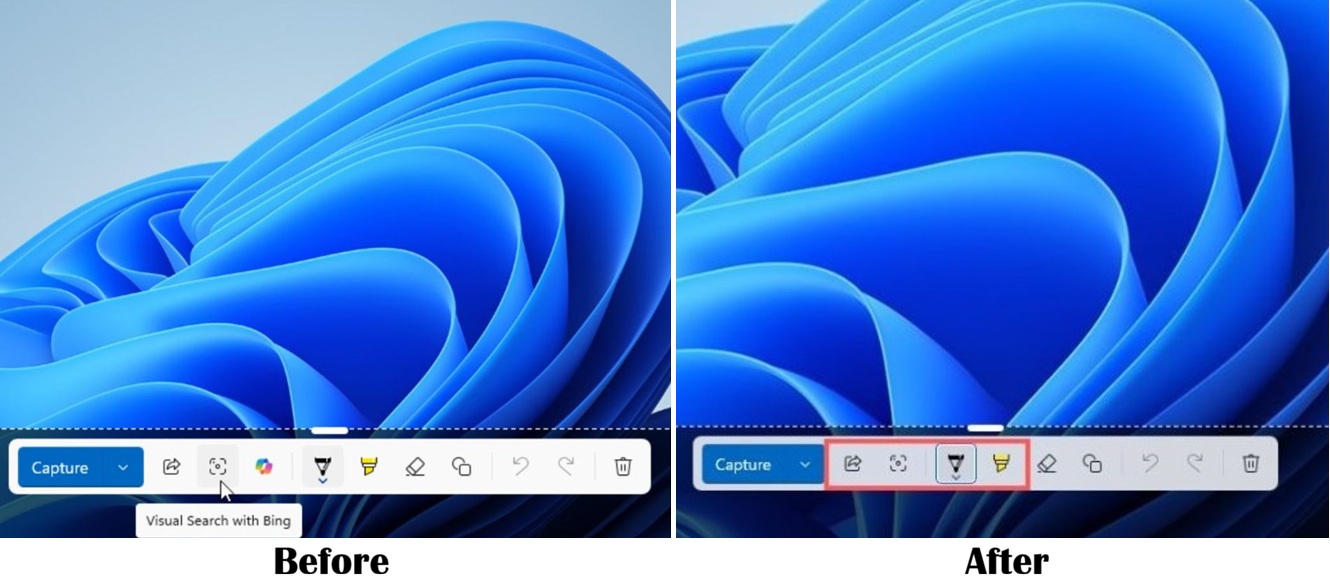
On March 20, Windows head Pavan Davuluri announced the Windows quality improvement plan, making it clear that Microsoft will be more careful in deciding where and how Copilot should be integrated into Windows, and begin to reduce "unnecessary Copilot entries." Applications such as Snipping Tool, Photos, Widgets and Notepad have become the first targets for adjustment.
Subsequently, Microsoft did take specific actions. The Copilot button in the screenshot tool was directly removed, and the related AI functions in Notepad were renamed "Writing tools" instead of continuing to highlight the Copilot brand. Microsoft has also slowed down the automatic installation of Microsoft 365 Copilot applications in Windows 11 and gradually reduced various conspicuous AI entrances in the system.
Similar changes have occurred in other aspects of Windows 11. Microsoft began to emphasize reducing advertisements, promotional content and various proactive push notifications in the system, and gradually adjusted the content in the start menu and lock screen. By September, Microsoft had begun to withdraw a large amount of MSN content that had been added to the Windows 11 lock screen, making the default lock screen simpler again.
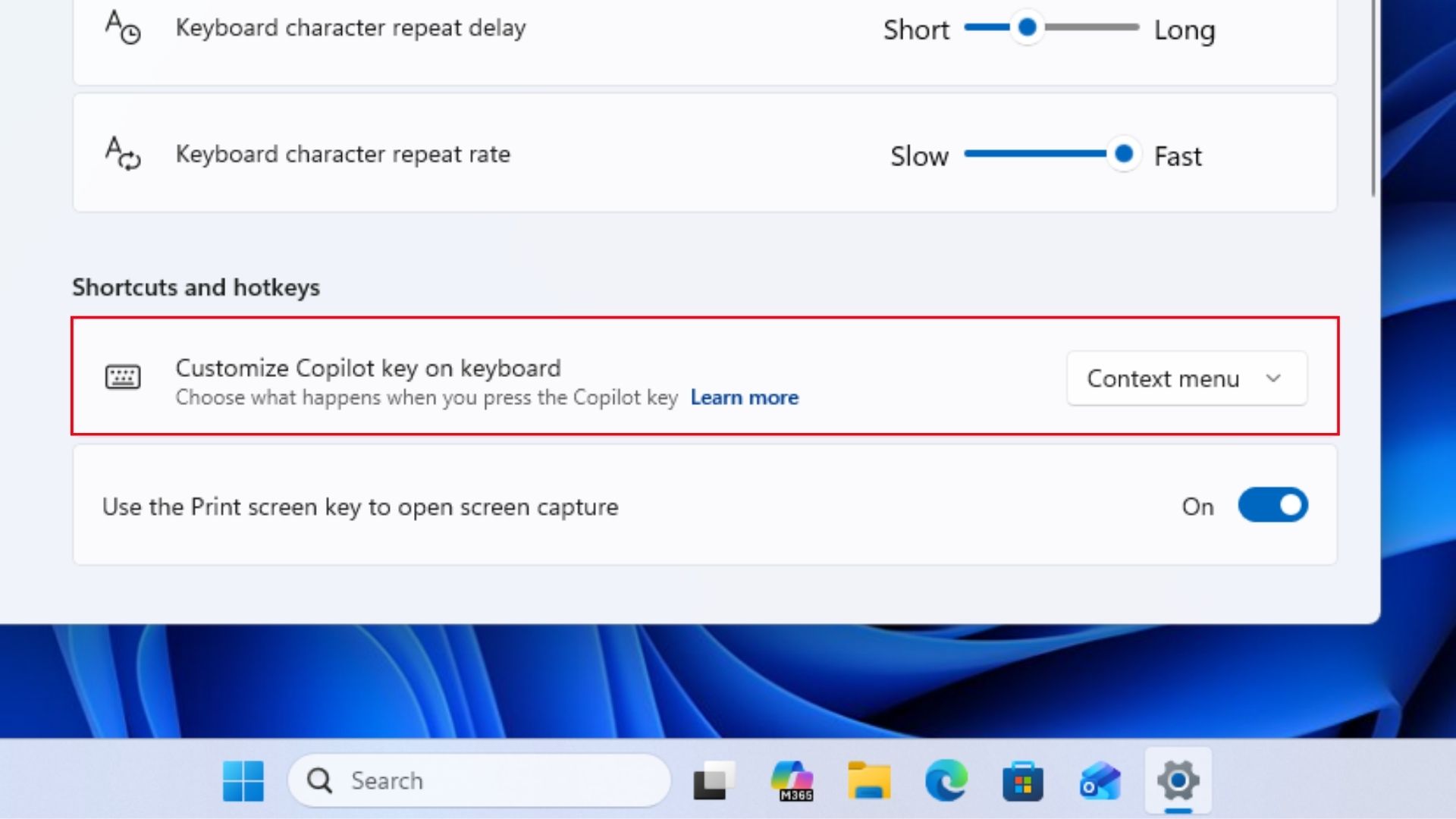
Microsoft has even begun to reconsider some system customization features that have long been requested by users, including options such as taskbar position. The dedicated physical buttons for Copilot that were previously forcibly added to new Windows notebooks have also changed. Now users can remap this key to the Right Ctrl or Context Menu key, and Microsoft also admitted that the original Copilot key design once affected the productivity and accessibility workflow of some users.
These changes don't mean Microsoft is giving up on artificial intelligence. On the contrary, Microsoft is still vigorously developing AI, including projects such as GitHub Copilot and Windows native AI capabilities. What's really changing is how AI is coming to Windows: Microsoft is gradually moving away from "putting a Copilot button everywhere" to letting AI models exist as background capabilities in the system.
This change is consistent with Microsoft's direction of "let every home have intelligence without metering restrictions". AI will still exist in Windows, but Microsoft hopes to reduce the practice of forcibly displaying AI brands and entrances, allowing users to call AI more often when they really need it.
This change may also explain why the term "Microslop" appears less and less nowadays. While dissatisfaction with Microsoft remains on social media and in the Windows community, the backlash surrounding Copilot is less concentrated than at the beginning of the year. As Microsoft gradually removes some once-controversial AI portals, part of the context on which the network's name rests is also diminishing.
However, Copilot itself will continue to cause controversy. Recently, users requesting the restoration of the "old version of Copilot" have appeared in Microsoft's official Copilot Discord. They mainly complained about chat continuity and memory function issues caused by the latest architectural changes. This also shows that users’ dissatisfaction with Microsoft’s AI products has not disappeared, but the focus of controversy is constantly shifting with product changes.
At the same time, despite the ongoing controversy surrounding Copilot, users may actually use Copilot to a higher extent than outsiders think. Microsoft also continues to expand Copilot's capabilities. For example, GitHub Copilot has gained support for Agent tasks in the WSL environment this year, allowing it to further participate in developers' actual workflows.
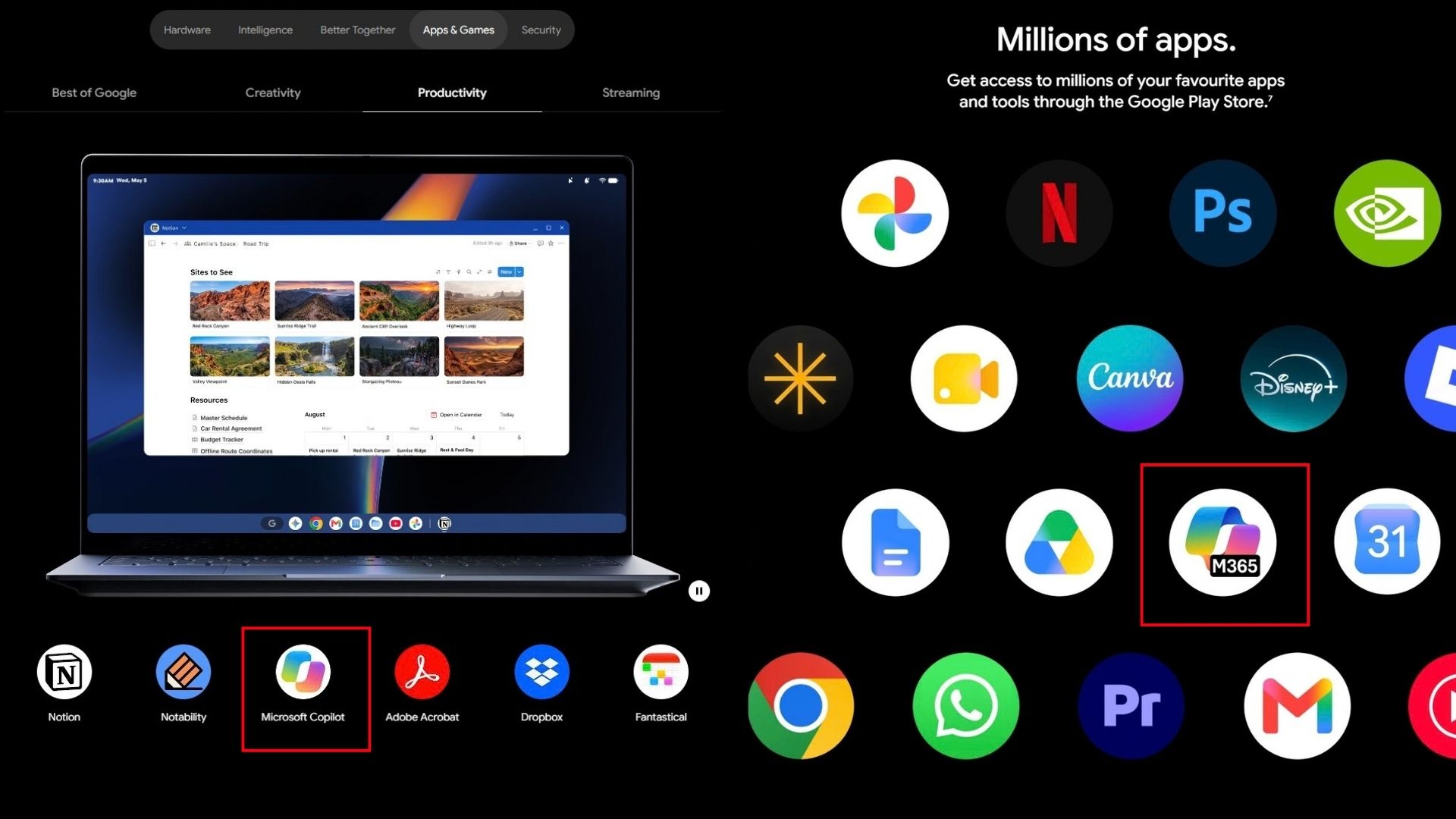
Even Google has begun to display Microsoft's Android applications when promoting its Googlebook laptops. This situation shows from the side that Microsoft's software ecosystem still has considerable influence.
Therefore, the fact that Microsoft banned "Microslop" at the beginning of this year and now allows users to use it publicly does not mean that Microsoft has suddenly changed its attitude towards user criticism. To be more precise, the initial filtering was originally a temporary measure against spam attacks, but now that relevant protection measures have been improved, there is no need for this keyword filtering to continue to exist.
At the same time, Microsoft is indeed changing its AI strategy for Windows 11. It has not removed AI, but is reducing mandatory Copilot entrance and brand exposure, while focusing more on local AI models, background intelligence, and functions that can truly solve problems.
From this perspective, Microsoft has not really "defeated" or eliminated the network name "Microslop", but has gradually reduced some of the phenomena targeted by this name by adjusting the product direction of Windows 11. In other words, Microsoft didn't end up solving the problem by banning users from saying the word, but instead began to reduce the product design that made the word popular.
Comments