
Abstract:
Mobility Global data shows that in the first half of 2026, global sales of gasoline-only models were approximately 20.25 million, a year-on-year decrease of 10%, accounting for 49% of new car sales, a decrease of 3 percentage points from 52% in the same period last year, and lower than 73% in 2021. This is the first time in the agency's records that the share of gasoline-powered models has fallen below half.
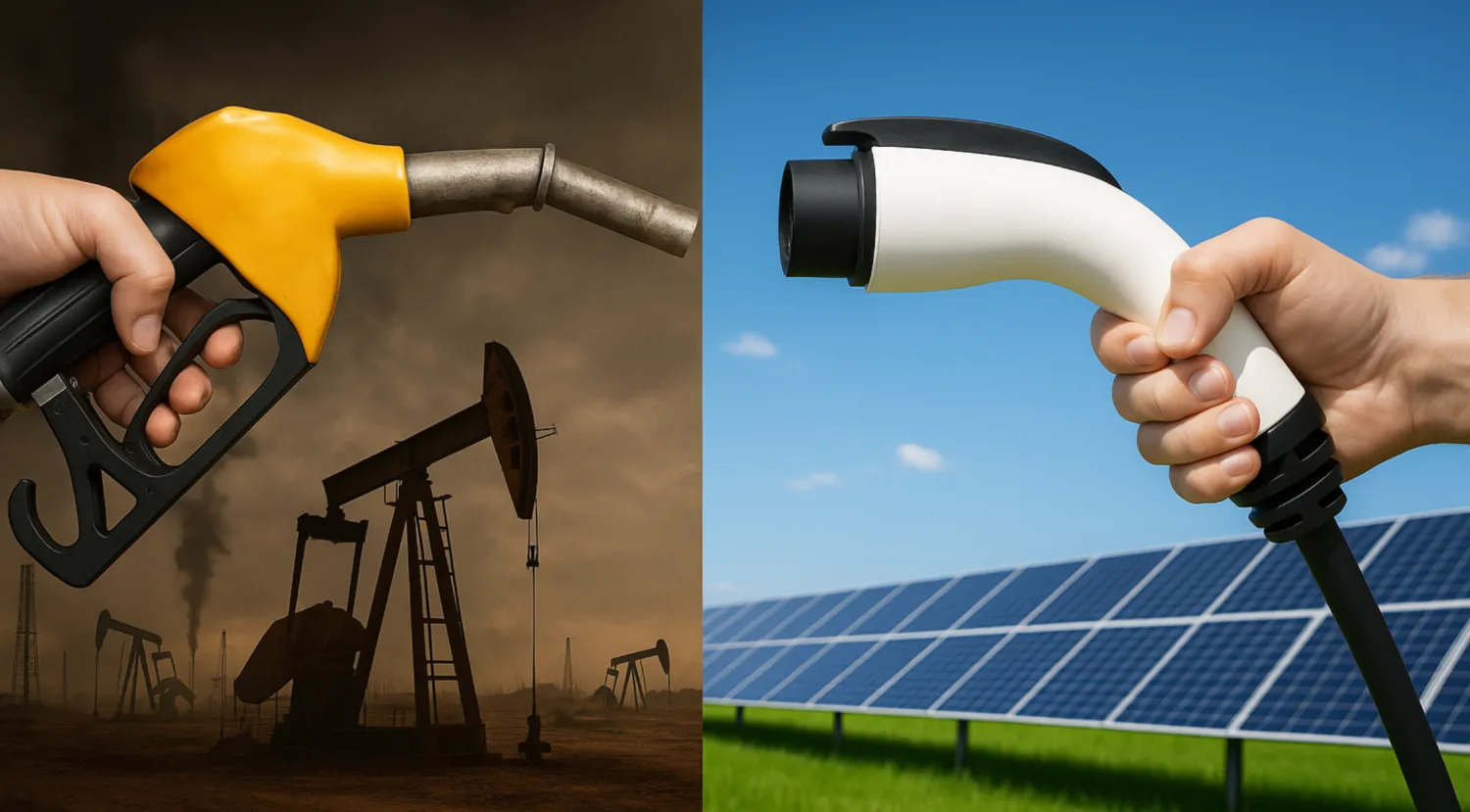
However, "gasoline vehicles fell below half" does not mean that the global new car market has been dominated by pure electric vehicles. Statistics separate conventional hybrids, plug-in hybrids and diesel vehicles. In the first half of the year, approximately 7.27 million traditional hybrid vehicles were sold, a year-on-year increase of 10%, accounting for 18%; approximately 6.87 million pure electric vehicles were sold, a year-on-year increase of 12%, accounting for 17%. The remaining approximately 16% are diesel, plug-in hybrid and a few other power types. According to this category, although pure electric vehicles continue to grow, sales are still lower than traditional hybrid vehicles; Electrek estimates based on these shares, about 83% of new cars are still equipped with internal combustion engines.
The decline in gasoline single-power models is not consistent across regions. Mobility Global data shows that in the first half of the year, sales of gasoline vehicles in China fell by 26% year-on-year, and in Europe by 13%. In terms of pure electric vehicles, sales in Europe increased by 32% to 1.81 million units, in Southeast Asia by 81% to 350,000 units, and in Oceania more than doubled to 110,000 units. Sales of pure electric vehicles in China fell by 3% year-on-year to 3.44 million units, still accounting for about half of global pure electric vehicle sales; pure electric vehicle sales in North America fell by 15%.
Nikkei reported that the conflict in the Middle East has pushed up oil prices and consumers are concerned about the cost of daily vehicles, which is one of the factors accelerating the shift to electrification. At the same time, the global auto market overall shrank by about 5% in the first half of the year, with gasoline single-powered models experiencing an even greater decline. Electrek also pointed out that this is a set of data covering only six months, and it is in a period of oil price fluctuations. It remains to be seen whether the full-year proportion is still less than 50%.
The U.S. market presents different dynamics. Statistics from Cox Automotive for the second quarter show that the proportion of pure electric vehicles fell from 7.4% in the same period last year to 5.8%, and the proportion of plug-in hybrids fell from 2% to 1.1%; however, the combined proportion of gasoline and diesel vehicles also dropped slightly from 77.6% to 76.8%, and traditional hybrid vehicles rose from 13% to a record 16.3%. This shows that after the expiration of electric vehicle subsidies, some consumers turned to hybrid vehicles and did not simply return to pure gasoline models. Overall, the power structure of new cars around the world is changing, but the current trend is more about hybrids, pure electrics and other routes co-squeezing gasoline single-power vehicles, rather than pure electric models completely replacing fuel vehicles.
Comments