
Abstract:
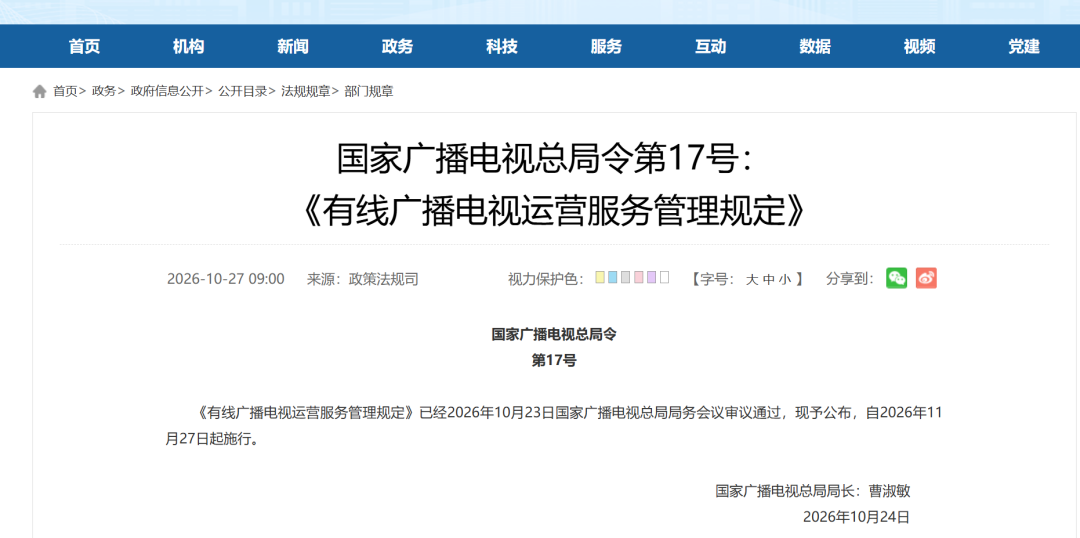
Recently, the State Administration of Radio and Television announced two new regulations in one go. Not only do they clearly require that advertisements are not allowed to be played when the phone is turned on, but also that users can watch live broadcasts as soon as they turn on the phone. Free programs must be placed in a conspicuous position, and remote control operations must be simplified as much as possible. There are even clear requirements for how long it takes to contact users when reporting for repairs and how long it takes to repair common faults.
And the Broadcasting and Television Company is not just proposing this time.
The two new regulations will be implemented on November 27, and corresponding penalties are also set. It can be regarded as the most serious action it has taken in recent years to rectify the problems of TV matryoshka charging and cumbersome operations.
Let’s talk about the boot ads that everyone hates the most.
In the past, when you turned on some TVs, you had to watch an advertisement first. After finally waiting for it to finish, you might be greeted by various program recommendations and members' areas. If you wanted to watch a live TV broadcast, you might have to use the remote control to scroll through the homepage for a long time before you found the entrance.
Especially for those elderly people at home who use the TV well, but if they accidentally press the wrong button, they may not know how to return to the live broadcast interface.
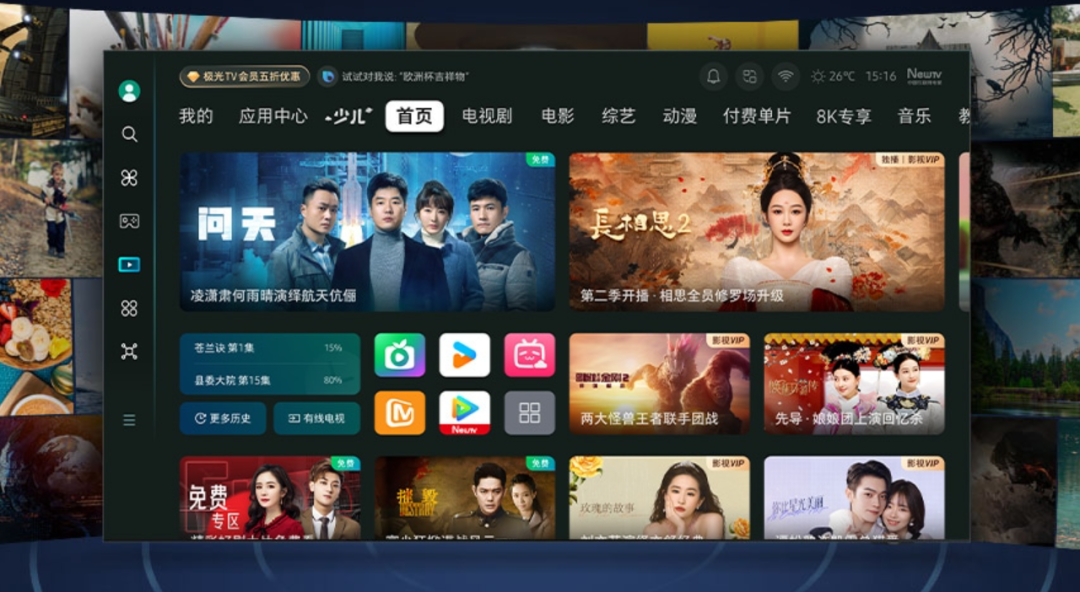
In response to this situation, the new regulations clearly require that
operating service providers should insist on giving priority to live broadcasts, implement the function of watching full-screen live broadcasts at startup, set up channel replay entrances, and are not allowed to play startup advertisements - yes, startup advertisements are finally banned.
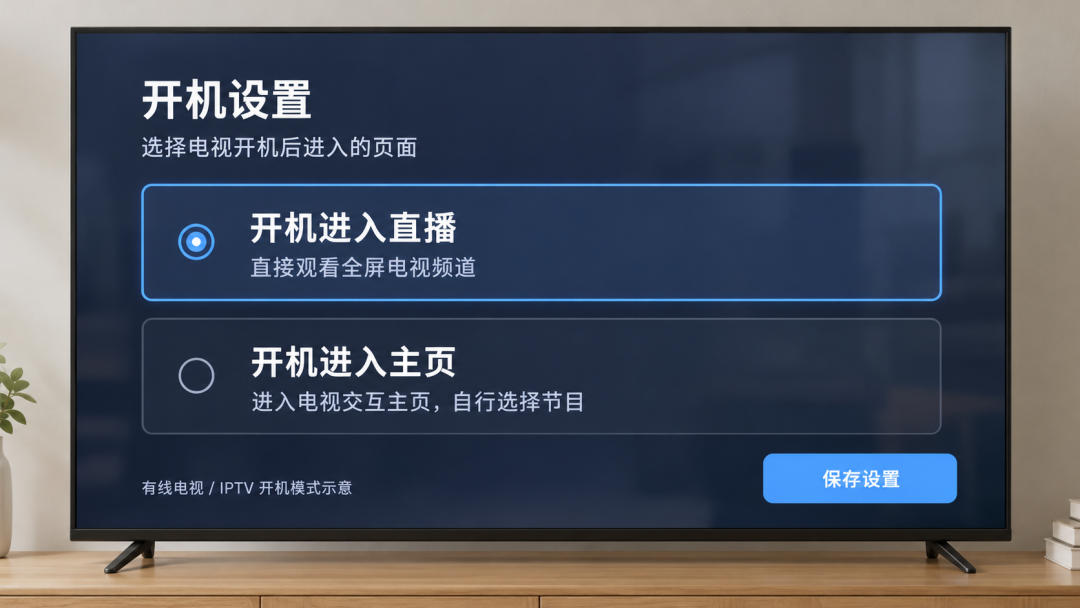
At the same time, operators must provide a convenient setting entrance so that users can choose whether to turn on the phone and directly enter the live TV broadcast, or enter the TV interactive homepage. In this way, it is completely up to us to decide what to watch first after turning on the phone.
And not only for turning on the phone, but also for controlling the TV, Radio and Television is also planning to do something subtractive for it.
It is estimated that many missionaries have had this similar experience: visiting relatives or elders’ homes, and wanted to turn on a TV. As a result, there were two or three remote controls on the coffee table, one for the TV and one for the set-top box. You may have to study how to switch the signal source.
In the past, old-fashioned TVs could be done with a remote control, but in the era of smart TVs, it is even more troublesome...
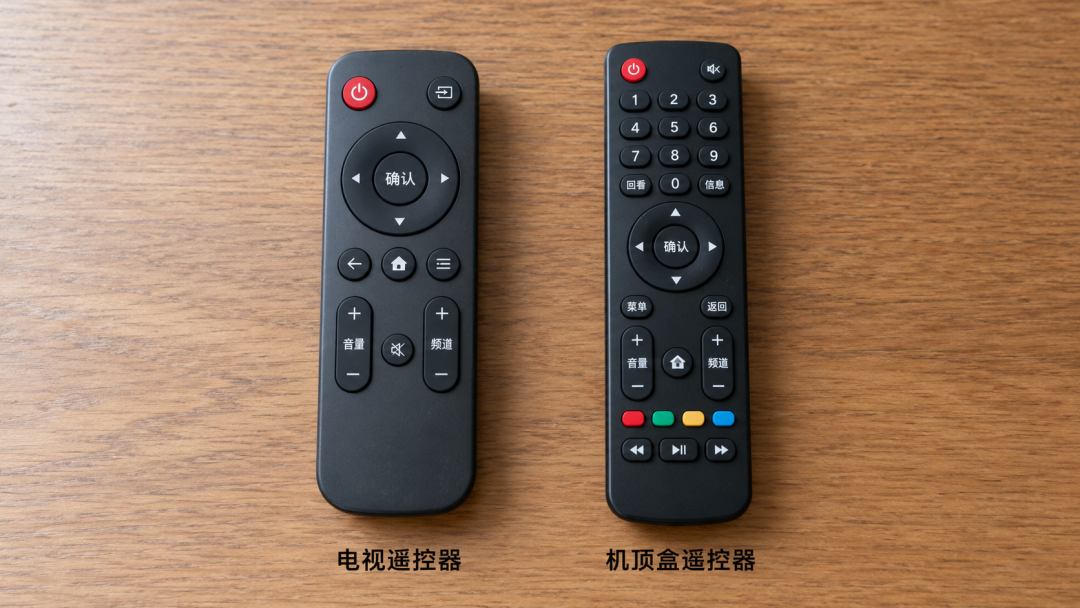
In this regard, the new regulations require operators to optimize terminal performance, shorten the boot time, simplify remote control operations, and support one-click switch back to live broadcast; it also encourages the use of voice remote control, mobile phone remote control, and artificial intelligence to improve the control experience.
In addition to the troublesome operation, the increasingly outrageous fees on TV in recent years have also been criticized. Film and television memberships, children's memberships, sports memberships, various paid columns have filled the homepage, and the content that can be watched for free is hidden deepest.
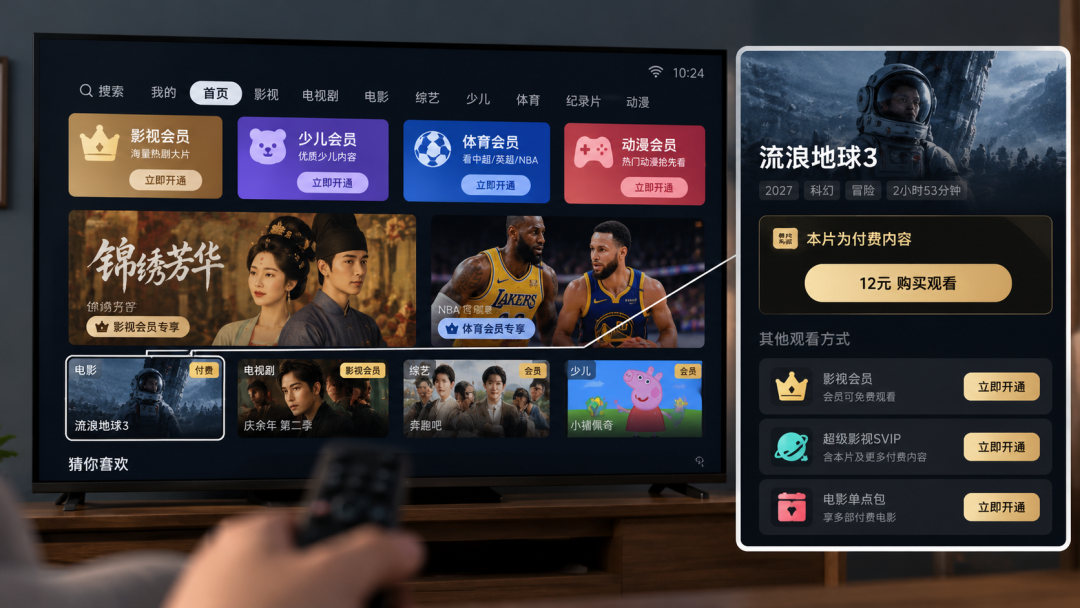
Sometimes you have already spent money to get a membership, and you have to pay more to change the special area; you finally find a movie you want to watch, click on it, and hey, you have to pay separately, and the main theme is a matryoshka doll...
The new regulations this time also make it very clear: a free area must be set up on the TV interactive homepage, high-quality free content should be recommended, the number of paid columns should be reduced, and charging information must be clearly stated. In addition, application areas and subscription payments must also be standardized.
In addition, operating service providers must provide users with free payment and consumption record inquiries within one year, so that you know what items you have spent money on.
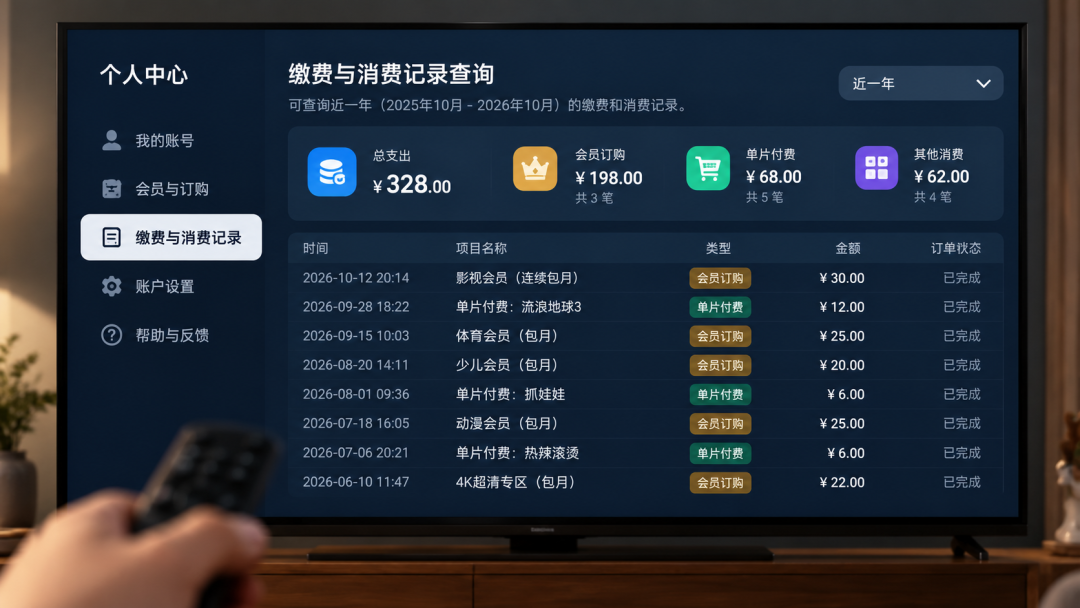
In addition to these problems that you usually encounter when watching TV, Radio and Television has further refined the after-sales service of TV this time. For example, if a user reports for repair and needs to come to the door, the operator must contact the user within 24 hours after receiving the report and make an appointment for the door-to-door time.
If urban users’ networks and equipment fail, they must be repaired within 24 hours after receiving the report, and within 48 hours for major failures; in rural areas or areas with inconvenient transportation, 72 hours. If there are special circumstances of force majeure, users must be informed in a timely manner.
Hey guys, even the after-sales service has been clearly arranged this time...
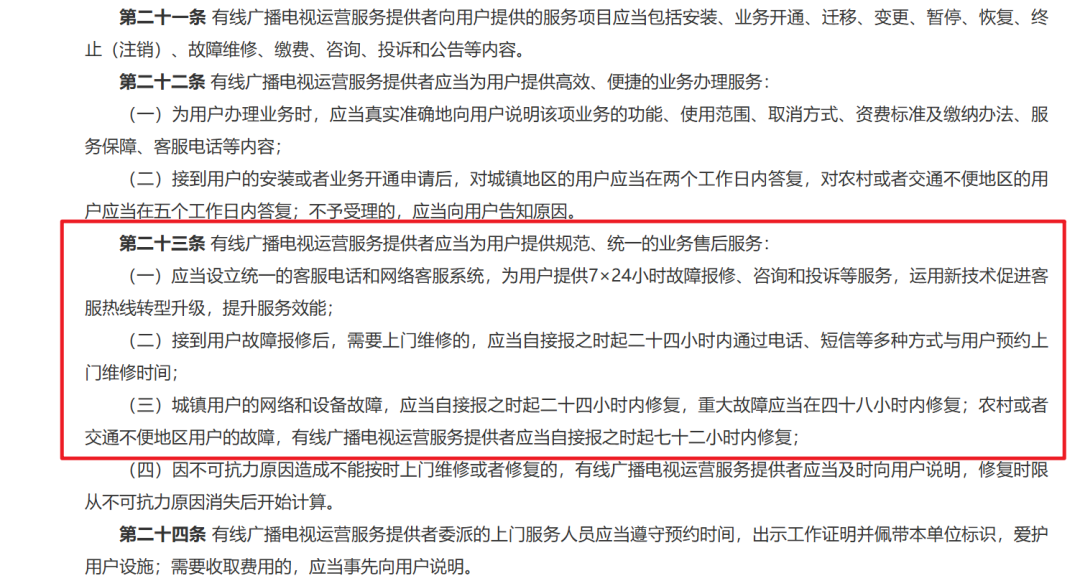
Other requirements such as 24×7 customer service, responding to user complaints within 10 working days, and providing convenient services for the elderly and disabled people, as well as discounts and exemptions for the extremely poor and low-income families, have also been included in the regulations.
In order to prevent these requirements from turning into empty words, Radio and Television has also specially formulated punitive measures.
Anyone who violates the regulations on live broadcasting, prohibition of advertisements on startup, and free zones can be ordered to make rectifications, warned or criticized by the competent authorities. In serious cases, fines of 10,000 to 100,000 are waiting for these TV operators.
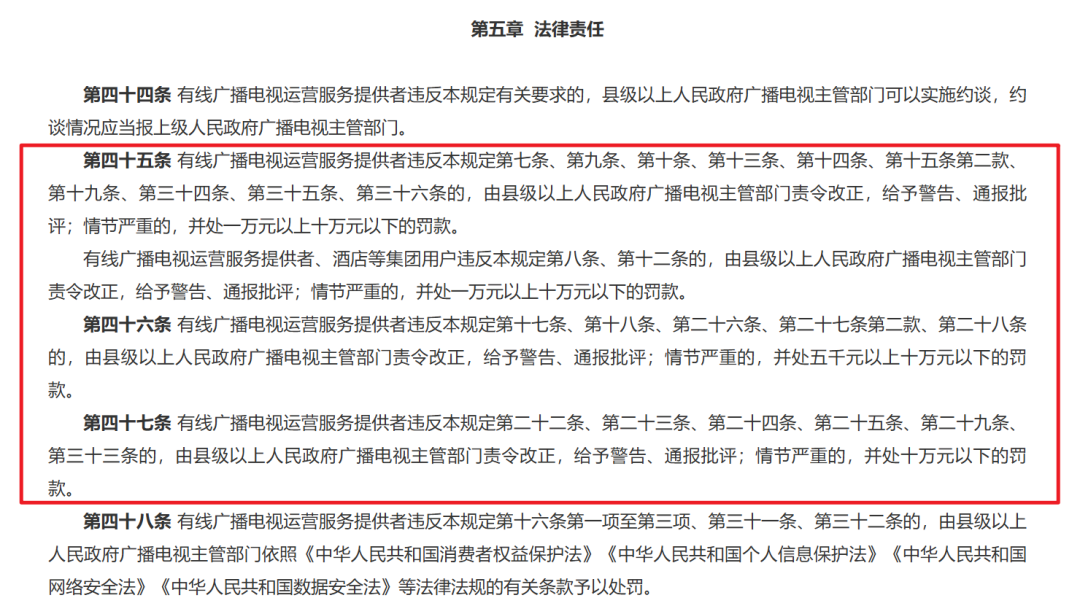
At the same time, the radio and television authorities will also conduct regular service quality evaluations and conduct random inspections from time to time, and the results will be announced to the public -
To put it bluntly, if the operator does not follow the rules in the future, it will not just be as simple as a few complaints from users...
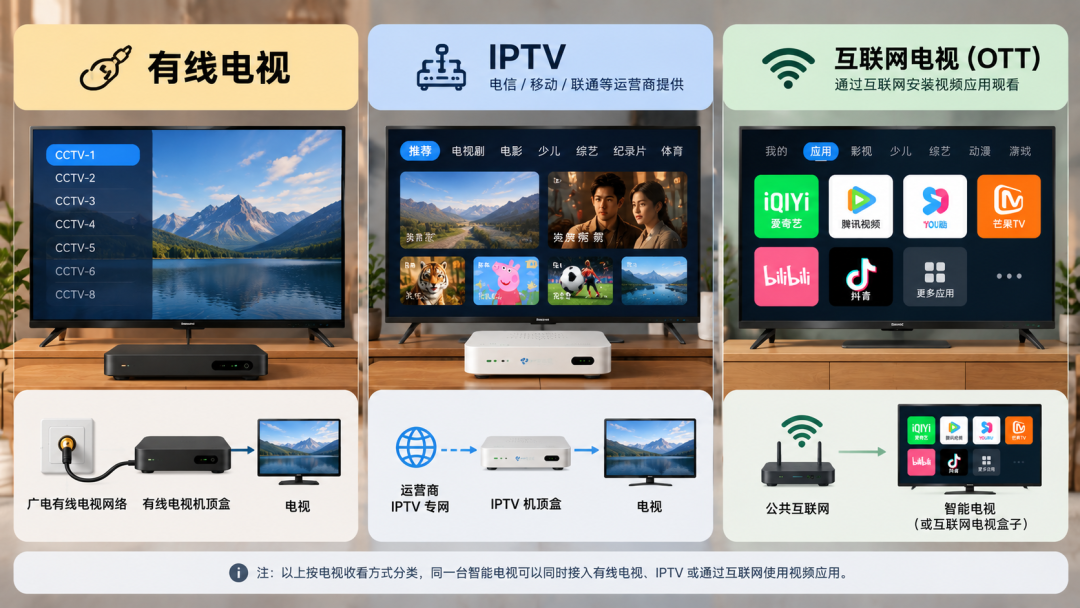
But having said that, these two regulations mainly target cable TV and IPTV. The former is the familiar radio and television cable TV, and the latter is IPTV provided by telecom, mobile, and China Unicom operators when many families get broadband.
As for smart TVs from brands such as Xiaomi, Hisense, and TCL,
they are strictly Internet TVs. If you use their own systems and rely on the Internet to open applications such as iQiyi and Tencent Video to watch programs, the regulations will not apply.
But something is better than nothing. At least the old problems that cable TV and IPTV have been criticized for every year are being taken care of this time.
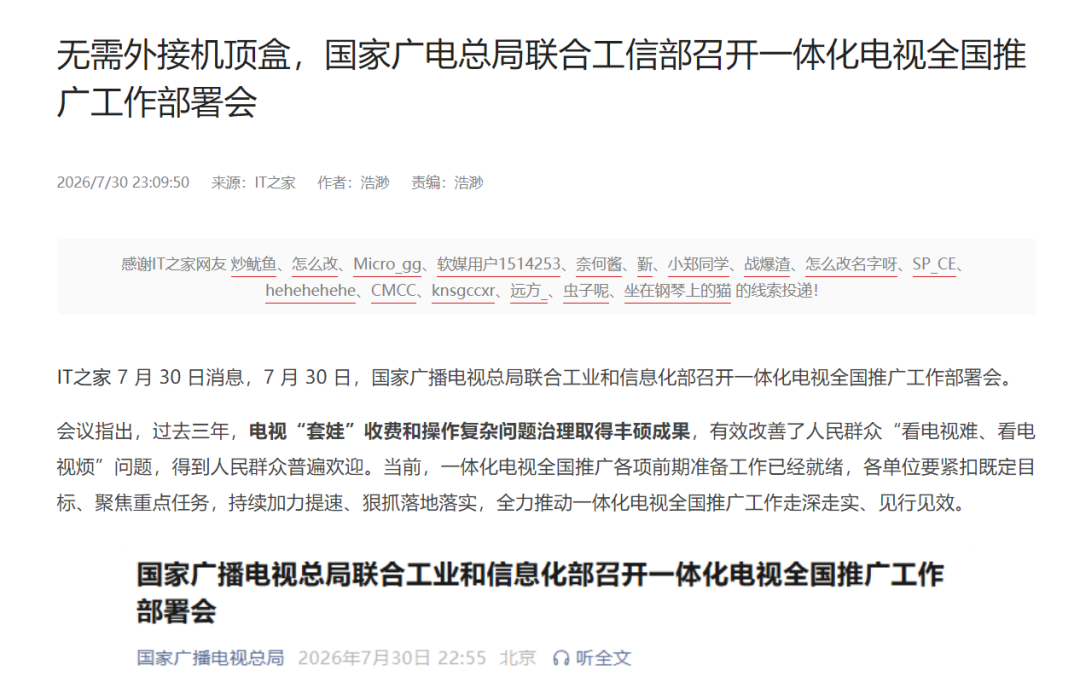
A while ago, Radio and Television was still promoting "integrated TV", preparing to integrate the set-top box function directly into the TV, gradually saying goodbye to the trouble of two remote controls for one TV. It can be seen that Radio and Television has really worried about everything from terminal equipment to operation services in recent years.
In fact, TV sales have been declining in recent years. Operators should also make some calculations. If they add more paid entrances, they may be able to sell more memberships; but if more and more people are bothered to stop watching TV at all, they will not even have the opportunity to sell memberships in the future.
Next, it depends on when Internet TV and manufacturers can keep up. TV is already smart enough, and it is time to make it more usable.
Comments