
Abstract:
On September 16, the Ways and Means Committee of the U.S. House of Representatives passed the Digital Asset Tax Certainty Act with a vote of 38 in favor and 5 against, and submitted it to the full House of Representatives for consideration. The bill aims to clarify the tax treatment of cryptocurrencies and reduce the tax burden on daily transactions, and has received broad bipartisan support.
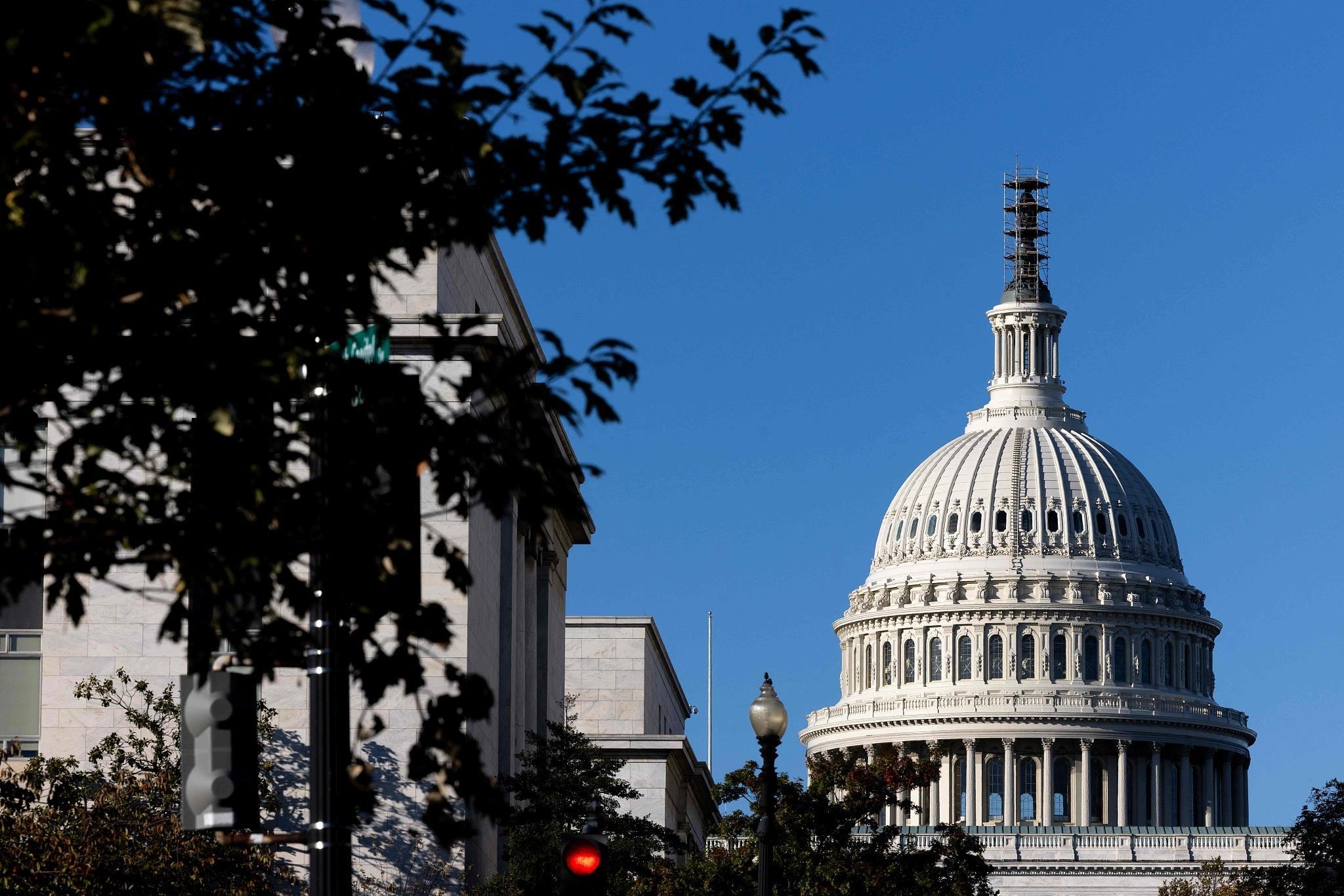
The bill clearly stipulates "minimum" cryptocurrency transactions, that is, small daily payments, and sets the tax-free threshold at $10. The bill also involves encryption revenue recognition, transfers, wash sale rules, mining, staking and brokerage requirements, etc., and seeks to make digital assets enjoy similar tax treatment to other assets, and to give specific treatment to eligible U.S. dollar stable coins and small network and transaction fees.
Jason Smith, chairman of the House Ways and Means Committee, noted that without a small transaction threshold, buying a cup of coffee would trigger a "ridiculous maze of compliance." Rep. Steven Horsford, D-Nev., said the bill establishes basic tax rules for digital assets and provides clear treatment for everyday transactions.
Senior Democratic Rep. Lloyd Doggett of Texas criticized before the vote that the committee was the only agency in Congress that was eager to provide benefits to the encryption industry and ignored the actual needs of ordinary Americans. He mentioned that the Senate had previously failed to advance the "Digital Asset Market Clarity Act" and said that the committee responded positively to the monetary interests with the strongest lobbying power and the largest political action committee.
The advancement of this bill comes less than 24 hours after the Digital Asset Market Clarity Act failed in a key procedural vote in the Senate on September 15. Establishing crypto tax laws has been another priority for the industry. Since the congressional session is at a late stage, the bill needs to seek further action within about five weeks from the November election to the start of the new Congress in January next year. The current legislative progress may lay the foundation for similar efforts in the future.
Comments