
Abstract:
The U.S. government is advancing a new round of tariff measures, involving multiple trading partners such as China, India, Taiwan, and Mexico, and Apple’s main iPhone production locations are among them. Analysts believe that this will pose new challenges to Apple's already under pressure supply chain and product costs.
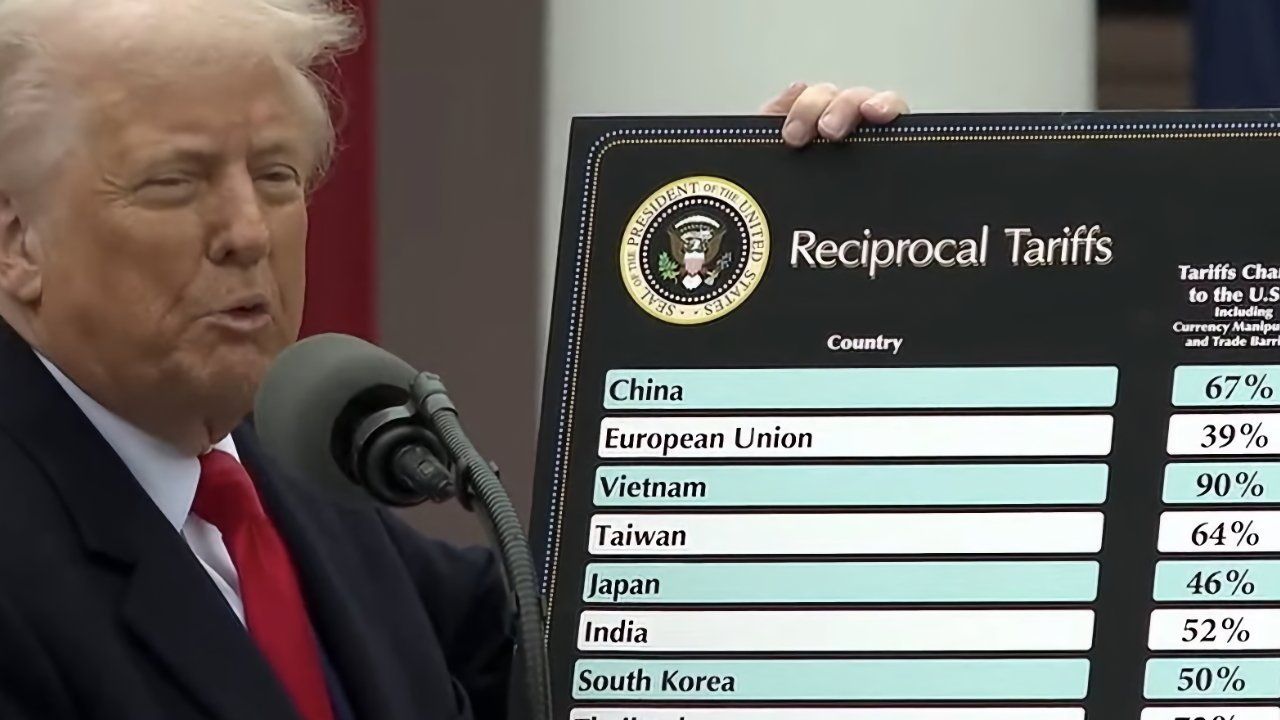
According to a senior U.S. official, the United States has proposed new tariff plans for 14 trading partners. The U.S. believes that these countries or regions have created, maintained or contributed to structural overcapacity in the manufacturing sector, causing a large number of goods to enter the U.S. market at a price lower than the cost of U.S. companies, thereby impacting the U.S. economy.
The 14 trading partners planned to be subject to additional tariffs include Bangladesh, Cambodia, China, the European Union, India, Indonesia, Japan, South Korea, Malaysia, Singapore, Switzerland, Taiwan, Thailand and Vietnam. The new tariffs will be implemented under Section 301 of the Trade Act of 1974, which allows the United States to take action against foreign trade practices that restrict or unduly burden U.S. commerce.
Unlike most partners, tariffs against China will be superimposed on existing tax burdens. Chinese goods will be subject to an additional 20% tariff on top of the 25% tariff that has been applied since 2018. The United States has previously launched Section 301 investigations against 16 trading partners, resulting in tariff measures against 14 of them. Among them, the investigation against the EU is said to be related to the huge fines faced by large American technology companies in the EU.
For Apple, new tariffs mean another highly foreseeable but unavoidable problem. Since many of Apple's products are manufactured in places like China and India, these tariffs will directly affect its exports to the United States. Combined with the previous increase in component prices due to tight supply of memory chips, tariffs may further increase the production costs of Apple products.
These costs may ultimately be absorbed by Apple itself, or they may be passed on to consumers. If Apple chooses to raise prices, the prices of iPhones, Macs and other devices in the U.S. market may face upward pressure; if it chooses to bear the burden on its own, it may compress the company's profit margins.
This is not the first time Apple has been hit by U.S. tariffs. The so-called "Liberation Day" tariffs previously triggered a tariff confrontation between the United States and China, with tariffs on both sides once exceeding 100%. The policy was later overturned by the U.S. Supreme Court in February 2026, but it has caused significant pressure on Apple's global manufacturing supply chain while it was in effect.
Even after the "reciprocal tariffs" were suspended, the U.S. government still replaced them with a 10% tariff covering global imports. Today's new round of measures continues the policy line of using tariffs to pressure imports and protect local manufacturing.
For Apple, the real problem is that its supply chain is highly globalized: core products such as the iPhone rely on multiple manufacturing bases in China, India, Taiwan, Vietnam, Thailand, etc. Once the new tariffs are implemented, Apple will not only need to re-evaluate its cost structure, but may also accelerate the adjustment of its production layout to reduce its tariff exposure to the US market.
Comments