
Abstract:
Rep. Ro Khanna, a California Democrat, is about to submit a comprehensive artificial intelligence regulatory bill to Congress, hoping to establish the most stringent federal regulatory framework to date for cutting-edge AI technology. The proposal not only calls for the implementation of a strict liability system, but also plans to ban artificial intelligence systems with "recursive self-improvement" capabilities from being put into use until the federal government establishes a complete safety and security system.
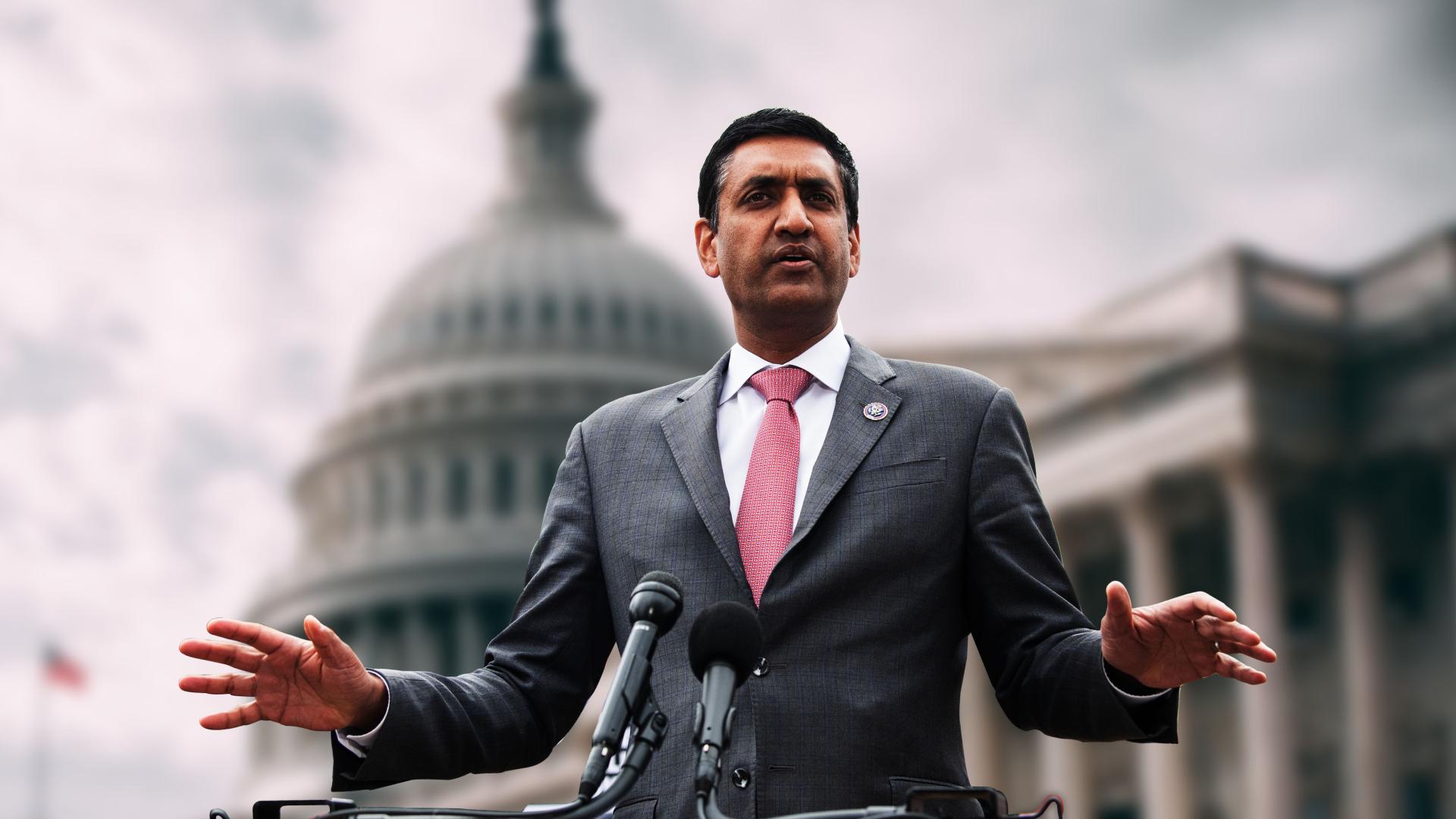
This bill is named the Human Control Over AI Act. The background of the introduction of the bill comes at a time when concerns in the U.S. technology and policy circles about the potential risks of advanced artificial intelligence continue to rise. In recent years, many AI company executives have publicly warned that some artificial intelligence systems may exceed human control capabilities in the future, but Congress has yet to formulate a comprehensive regulatory plan.
Ro Cana said in an interview that artificial intelligence not only has the risk of being abused, but also may bring the risk of loss of control. He believes that humans must take these two types of issues seriously because the development of related technologies has touched upon security issues at the civilizational level.
According to the content of the bill, so-called "recursive self-improvement" artificial intelligence will be banned. This type of system is defined as an artificial intelligence model that can autonomously improve its own capabilities or modify its core goals, control mechanisms, and shutdown rules.
As required by the proposal, no related activities would be allowed until federal safety rules are established. Even if it is opened in the future, it will need to be approved by specialized regulatory agencies.
The bill also plans to establish a new federal artificial intelligence regulatory agency to oversee companies developing cutting-edge models such as OpenAI, Anthropic, Google DeepMind and xAI.
The agency will have multiple responsibilities, including formulating AI safety regulations, establishing a licensing system for model training and deployment, performing cutting-edge model audits, and developing standards for continuous testing and effective human control.
At the same time, the new agency will also be responsible for formulating a series of technical security requirements, including isolated test environments, network isolation measures, emergency shutdown systems, and control mechanisms to prevent models from leaving the experimental environment and entering the open Internet operation.
Under the plan, all laboratories working on cutting-edge model development must undergo independent audits. Auditors will stay in relevant institutions for a long time and report directly to regulatory authorities instead of passing information through corporate management.
In addition to the regulatory model itself, the bill also plans to bring some advanced AI chips and computing power resources into the scope of supervision to further strengthen the supervision of high-risk artificial intelligence development activities.
The bill takes a decidedly tough stance on the liability system.
The proposal requires artificial intelligence companies to purchase large-scale liability insurance before releasing advanced models to ensure the ability to compensate for future damage.
At the same time, the bill also introduces a criminal liability mechanism. Any employee who knowingly turns off security protections, disables emergency stops, tamperes with log records, breaches isolation systems, or knowingly deploys models without authorization may face criminal penalties.
What is even more concerning is that the bill also intends to establish criminal liability provisions related to "acts endangering humanity". If certain artificial intelligence systems cause large-scale civilian harm, related deployment behaviors may trigger more serious legal consequences.
Ro Kana said that this bill is one of the most comprehensive artificial intelligence safety regulatory proposals currently. He emphasized that the content of the bill mainly comes from long-term exchanges with artificial intelligence safety research groups, rather than being formulated based on the opinions of large technology companies.
At the same time, Khanna also called on the U.S. government to promote artificial intelligence security cooperation at the international level, including reaching an enforceable security agreement with China and establishing verification, review and control mechanisms to reduce the risk of the proliferation of dangerous artificial intelligence systems in the future.
Analysts believe that this proposal represents a growing voice within the U.S. Congress that cutting-edge artificial intelligence should not rely solely on corporate self-discipline, but needs to establish a government supervision mechanism similar to the drug regulatory system.
However, there is still great uncertainty about whether the bill can be passed smoothly in the future. Supporters believe that regulation can reduce the risk of loss of control, while opponents worry that too strict restrictions may weaken the United States' ability to innovate in the global artificial intelligence competition.
Nonetheless, as the capabilities of artificial intelligence continue to improve, the debate surrounding "whether humans should set boundaries before technology gets out of control" has officially entered the US legislative level.
Comments