The U.S. Federal Trade Commission (FTC) finally ushered in a settlement with Meta Platforms Inc. A day in court, alleging that the company illegally monopolized the social media market after acquiring Instagram and WhatsApp more than a decade ago and therefore had to be broken up.
The case, which has been brewing for many years, opens in Washington on Monday before Chief Judge James Boasberg. In their opening statements, FTC lawyers cited the United States' long-standing tradition of advocating for the maintenance of competitive markets, and its lead trial lawyer Daniel Matheson accused Meta of violating this principle.
"For more than 100 years, American public policy has always insisted that if businesses want to succeed, they must compete," Matheson said in his opening statement. "We are here today because Meta violated that contract."
If the FTC wins the case and Instagram and WhatsApp are forced to divest, the integration of the two applications over the years will be undone, two of the world's most popular digital consumer products will be impacted, and Meta's market value of hundreds of billions of dollars may be wiped out. This will also raise serious questions about how the government evaluates and approves corporate mergers and acquisitions.
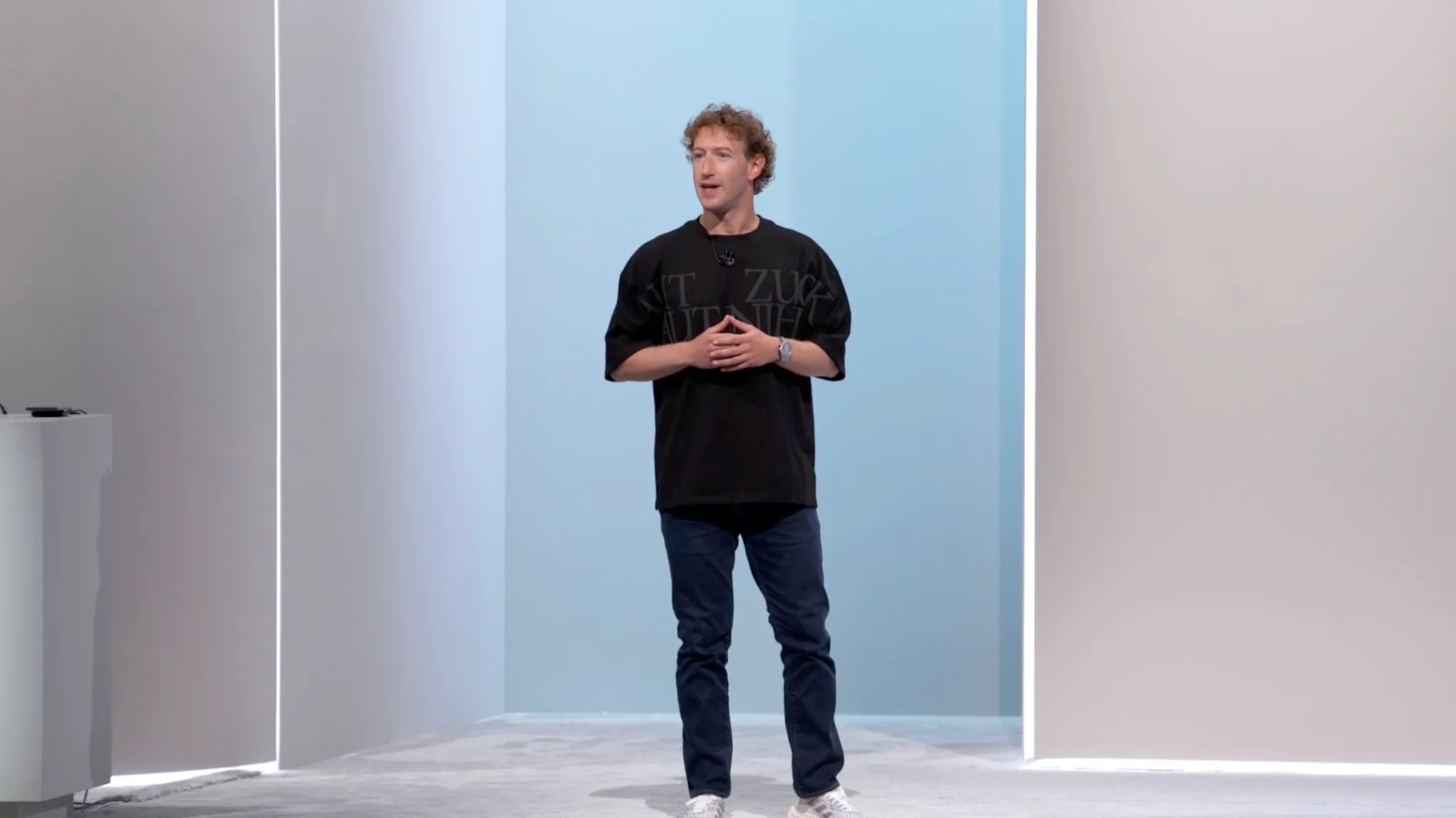
The trial of the case is expected to take about two months, with Meta CEO Zuckerberg and former executive Sheryl Sandberg expected to testify as soon as this week. Meta argued on the first day of the trial that it faces fierce competition from multiple service providers, especially as social media becomes more entertainment-oriented rather than just for interacting with friends and family, and that the company also provides clear benefits to users.
FTC Chairman Andrew Ferguson attended the first day of the trial. In an interview with Fox Business Channel earlier in the day, he said that while he needs to be wary of over-regulation, "antitrust laws can help ensure that no private sector company is powerful enough to affect our lives in a way that is extremely harmful to all Americans."
The final ruling in the case will depend on how "social media" is defined and whether Meta dominates that market. The FTC plans to focus on the way people communicate with friends and family, a market it calls "personal social networking services," which it believes is primarily composed of information and media sharing between people and those with whom they are closely connected.
"Strangle Acquisition"
The FTC accused Meta of acquiring Instagram and WhatsApp as "strangling acquisitions" designed to prevent the two companies from competing with it. In order to prove that Meta constitutes a monopoly, the FTC will claim that the quality of Meta's applications has declined, most obviously manifested in the increase in advertising and the weakening of privacy protection.
In 2010, "Meta faced a significant shift in the competitive environment," said the FTC's Matheson, referring to the rapid rise of the mobile market. "They decided it was too difficult to compete and it would be easier to acquire them."
Matheson noted that Meta acquired WhatsApp in part to prevent Google, which was also considering an acquisition, from bidding for the company. In addition, Meta also planned to acquire Snap Inc. for US$6 billion in 2013. , but was rejected by the latter. The offer had never been made public before, with media reports at the time that the bid was only half that amount.
Snap representatives did not immediately respond to a request for comment.
Matheson said in his opening statement that the FTC will submit internal emails from Meta executives, including Zuckerberg, as "hard evidence." In one of the 2012 emails, Zuckerberg said the acquisition of Instagram was to "neutralize a competitor."
Meta strongly refuted the FTC’s accusations, saying that it is competing fiercely with multiple platforms, including Snap’s Snapchat, Google’s YouTube, Apple’s iMessage and Musk’s X platform. "The FTC's entire case is contrary to the facts and the law," Meta attorney Mark Hansen said in opening statements.