In one of the world's largest studies on the long-term health effects of flooding, scientists have quantified the widespread and alarming effects of this traumatic experience on people. The findings call for urgent action to tackle these potentially deadly problems.
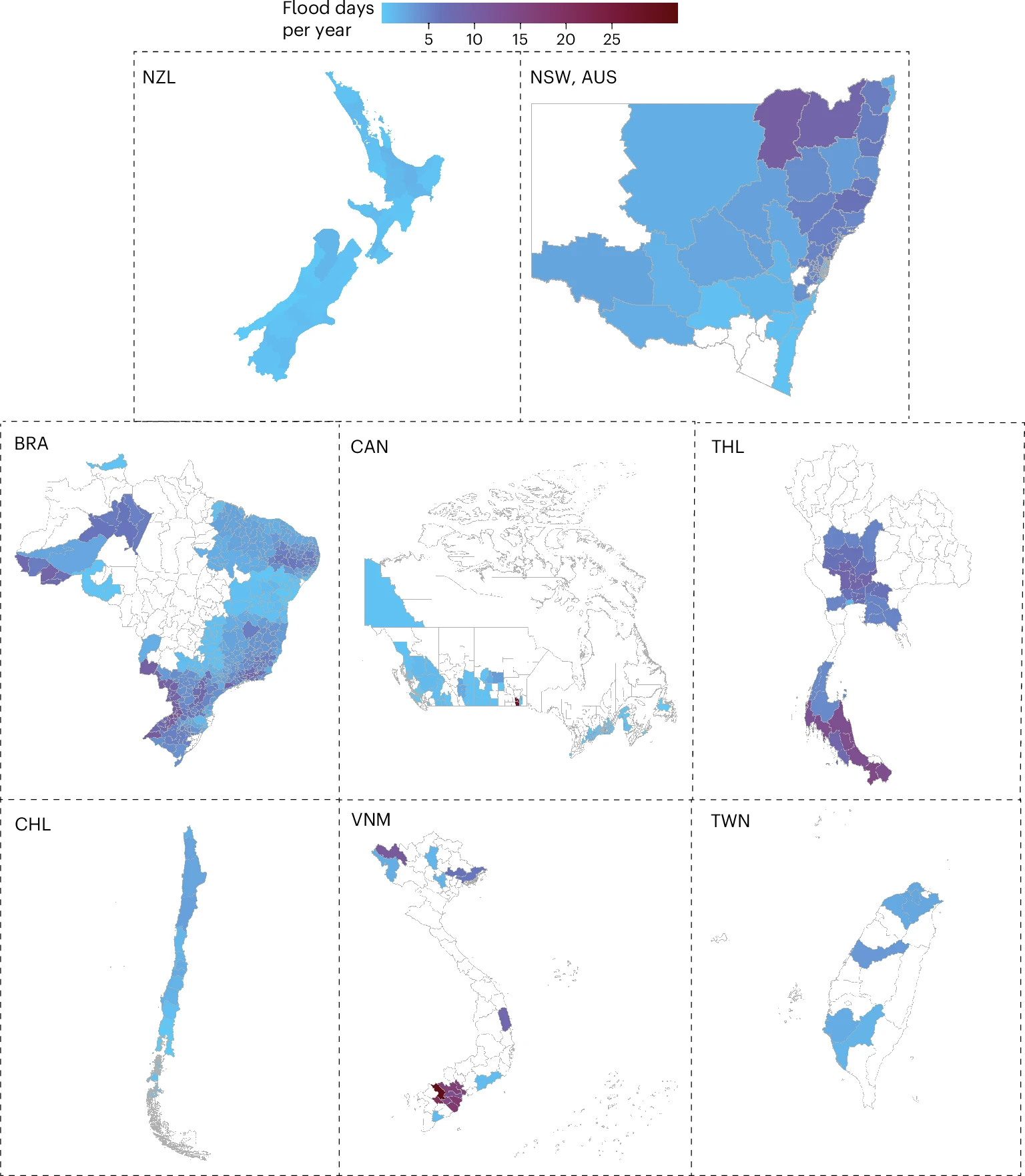
Annual number of flood days for the communities covered during the study period
A research team led by Monash University professors Guo Yuming and Li Shanshan analyzed more than 300 million hospital records from 747 communities in eight flood-hit countries and found that such natural disasters led to an overall 26% surge in hospital visits. The research team analyzed flood events and hospital records from 2010 to 2019 in Australia, Vietnam, Brazil, Canada, Chile, Thailand, New Zealand and Taiwan to find patterns in flood occurrences.
Digging further into the data, scientists found widespread increases in hospitalizations for cardiovascular disease (35%), respiratory disease (30%), infectious diseases (26%), digestive disorders (such as gastroenteritis) (30%), mental health disorders (11%), diabetes (61%), cancer (34%), neurological disease (34%), and kidney disease (40%).
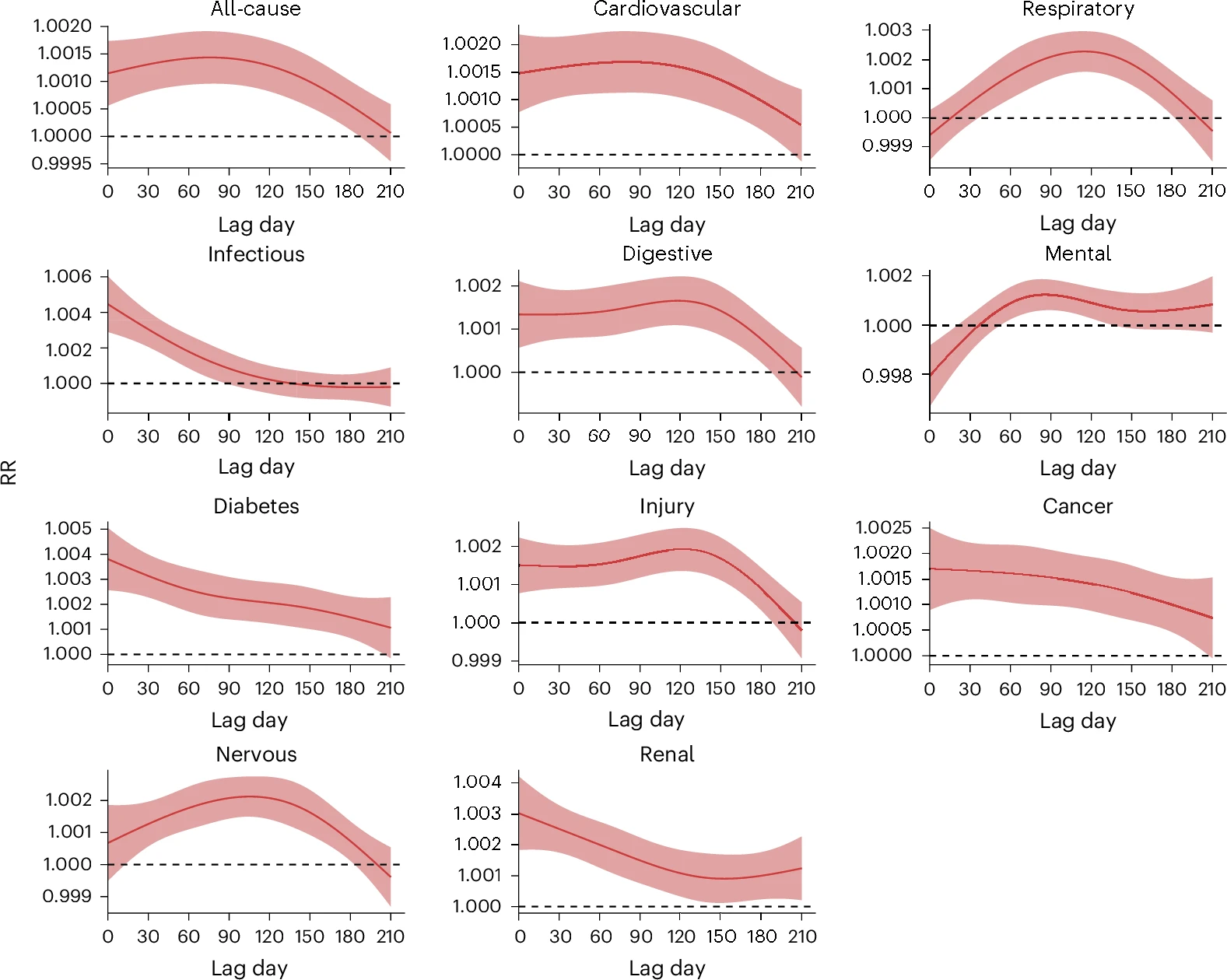
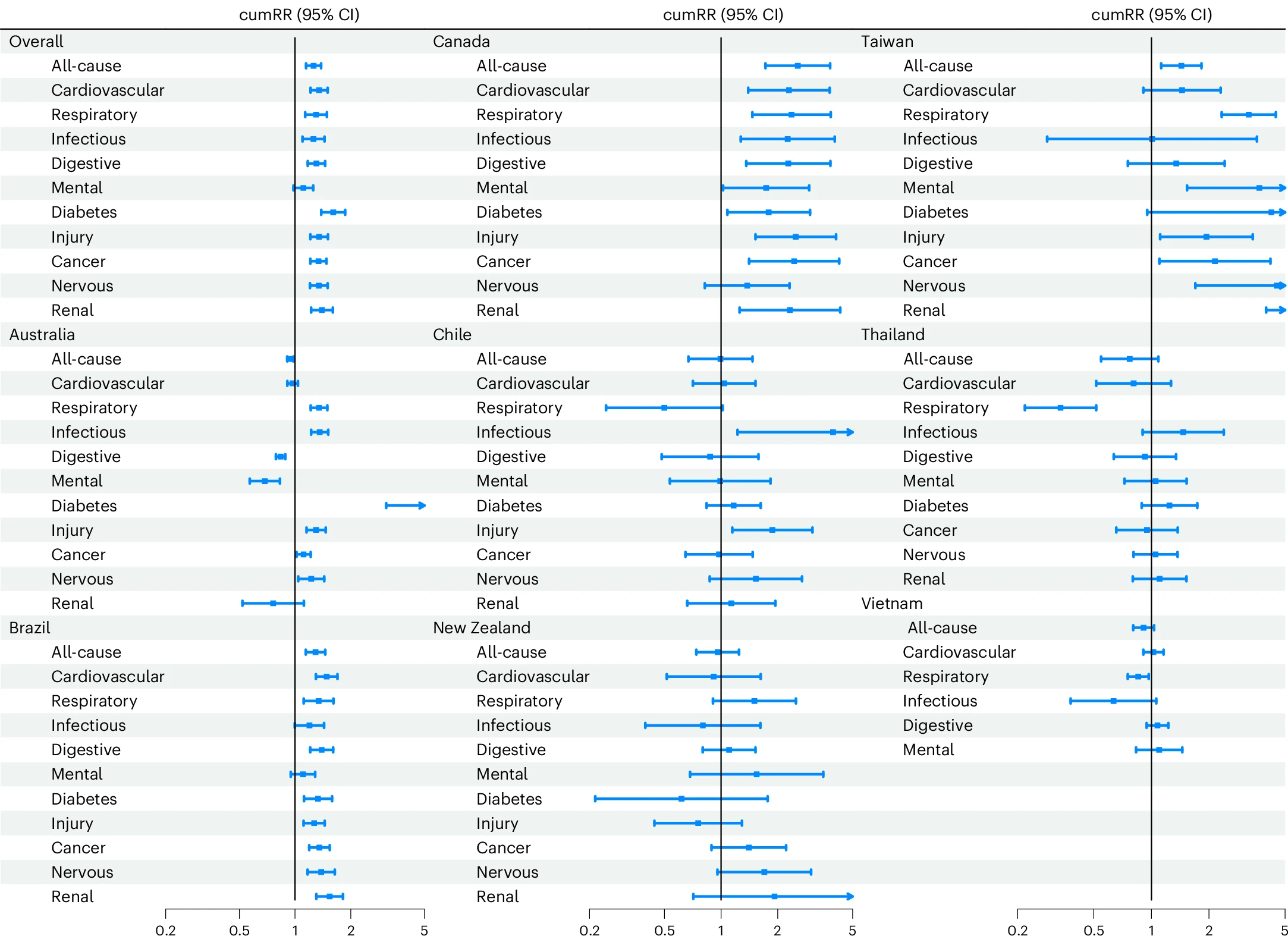
As well as the immediate trauma and flood risk, these long-term issues can affect people for up to seven months or more.
"Among those exposed to floods, the risk of hospitalization increases immediately (except for respiratory diseases and mental disorders, which increase gradually) and returns to normal approximately 210 days after the flood (90 days for infectious diseases and 150 days for mental disorders)," the team wrote.
The highest number of hospitalizations following the floods were among people under 20 and over 60 years old.
While floods clearly cause immediate health problems when they occur—including, of course, drowning and electrocution—there has been little research to date on the lasting conditions that develop after a flood, or on existing conditions that cannot be treated in the months that follow. After a flood, flooding provides an ideal breeding ground for insects that carry infectious diseases and causes contamination of water supplies. Evacuations can displace residents and worsen health conditions.
"Even when temporary shelter is provided, inadequate sanitation often leads to hygiene problems and increases the risk of respiratory, gastrointestinal, and infectious diseases," the researchers wrote. Additionally, access to and capacity for medical services may be affected after flooding, leading to delays in routine medical interventions, including renal dialysis, cancer chemotherapy, and radiotherapy, as well as pharmacotherapy regimens for cardiovascular disease, respiratory disease, infectious disease, digestive disease, mental disorders, diabetes, neurological disease, and kidney disease.
"Finally, chronic psychological stress (e.g., property damage and financial loss) may exacerbate or trigger adverse health outcomes by compromising the immune system, disrupting sleep, leading to substance abuse, and reduced self-care," they added.
While people may not have much control over when experiencing natural disasters, this study provides insights into how events such as severe flooding can cause widespread stress on human health on multiple fronts.
"The health impacts of flooding may be underestimated and will be further exacerbated by climate change," Guo said. “As extreme precipitation events become more frequent and sea levels rise due to global warming, the severity, duration and frequency of floods will escalate.”
Currently, approximately 23% of the global population is vulnerable to severe flooding, and there is substantial scientific evidence that this number will increase.
While the study has its limitations - the general findings do not take into account vulnerable groups with limited access to health services who are disproportionately affected by disasters - the researchers believe this is an important and often overlooked aspect of the aftermath of flood events.
"This study, based on a multi-country data set and standard time series statistical methods, fills a gap in knowledge on the association between floods and hospitalization risk. Policymakers and health professionals should increase awareness of the increased need for hospitalization for multiple illnesses following floods to improve disaster response strategies and health system resilience," they wrote.
The research was published in the journal Nature Water.