Copenhagen design studio SAGA Space Architects has used shipping containers to create a small shelter with a design inspired by extraterrestrial influences. Called FLEXHab, the compact shelter can accommodate up to four people and simulate a lunar living environment.
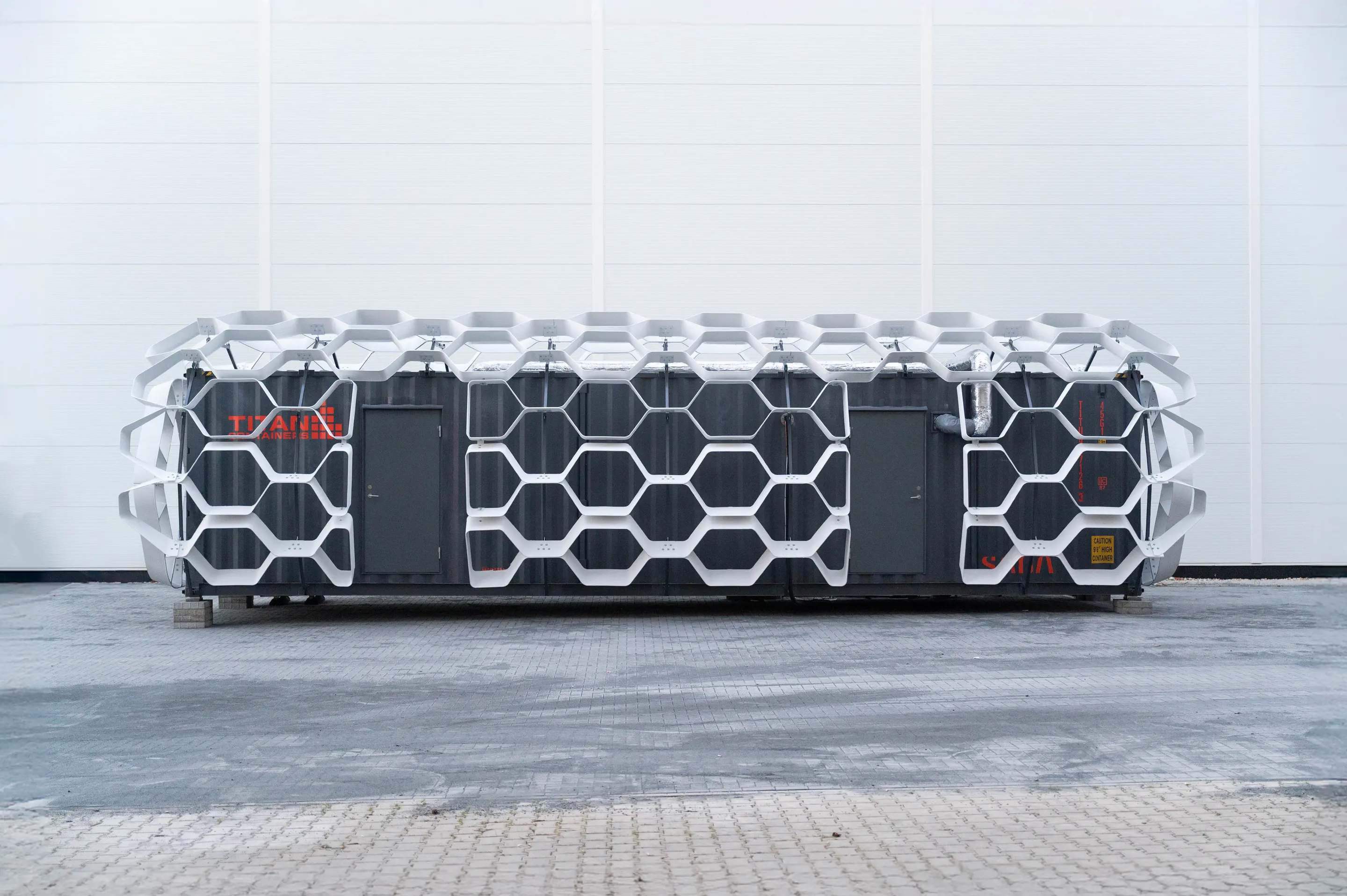
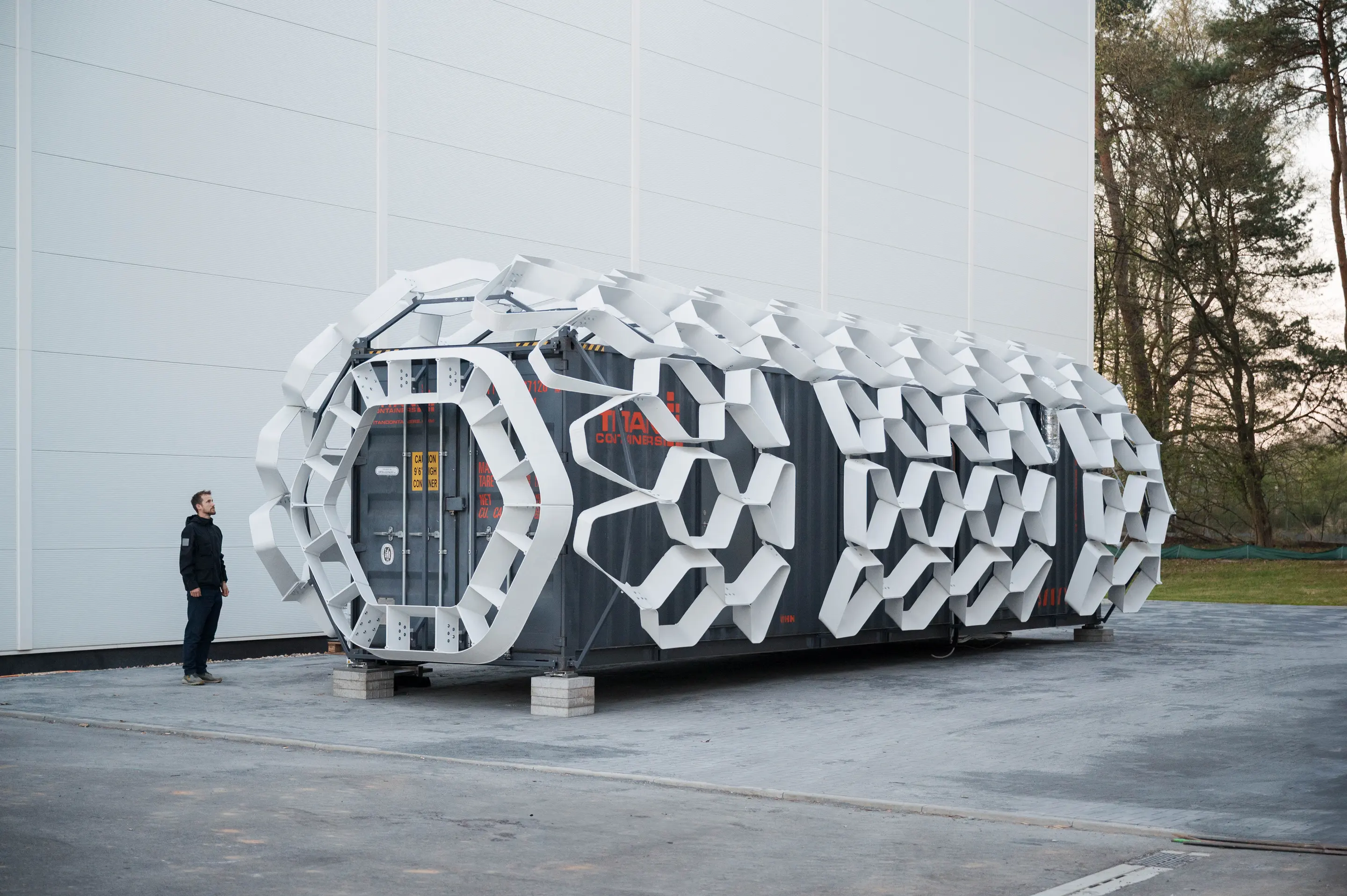
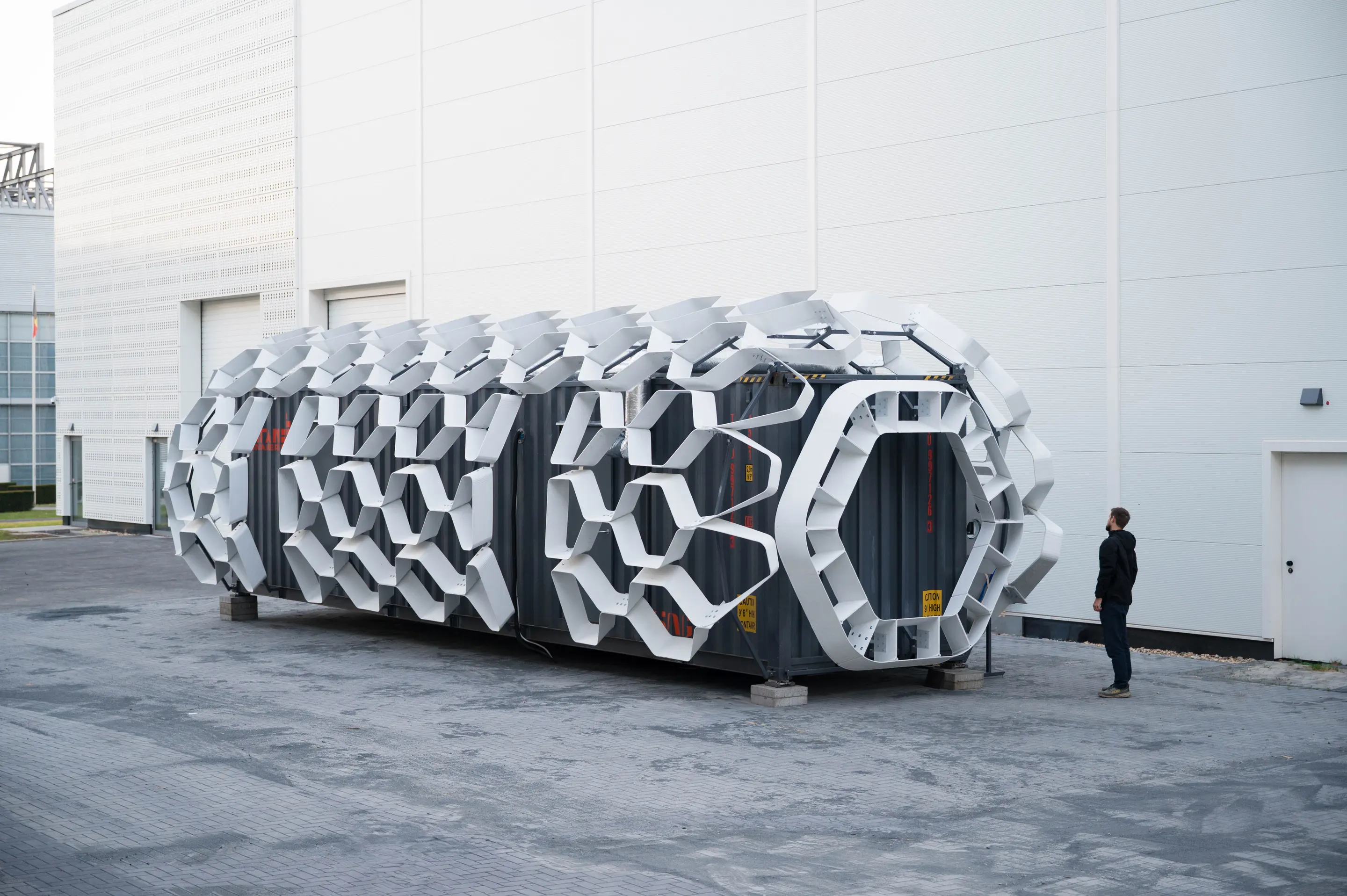
FLEXHab is a simulated lunar habitat made from shipping containers that can accommodate a crew of up to four
FLEXHab was built for the European Space Agency (ESA) as part of the European Astronaut Center (EAC) and German Aerospace Center (DLR) Luna project. To be clear, no one thinks astronauts on the moon would actually live in this thing, but it's designed to simulate the kind of cramped conditions real astronauts would have to deal with. The similar Mars Dunes Alpha project follows the same philosophy.
The habitat is built from a standard high-box shipping container that is 40 feet (12.2 meters) long, the same type used by Backcountry Containers to build the Kennedy model tiny homes. Its exterior features a 3D-printed fiberglass polymer façade, which SAGA says is designed to simulate the contours of a habitat on the lunar surface.
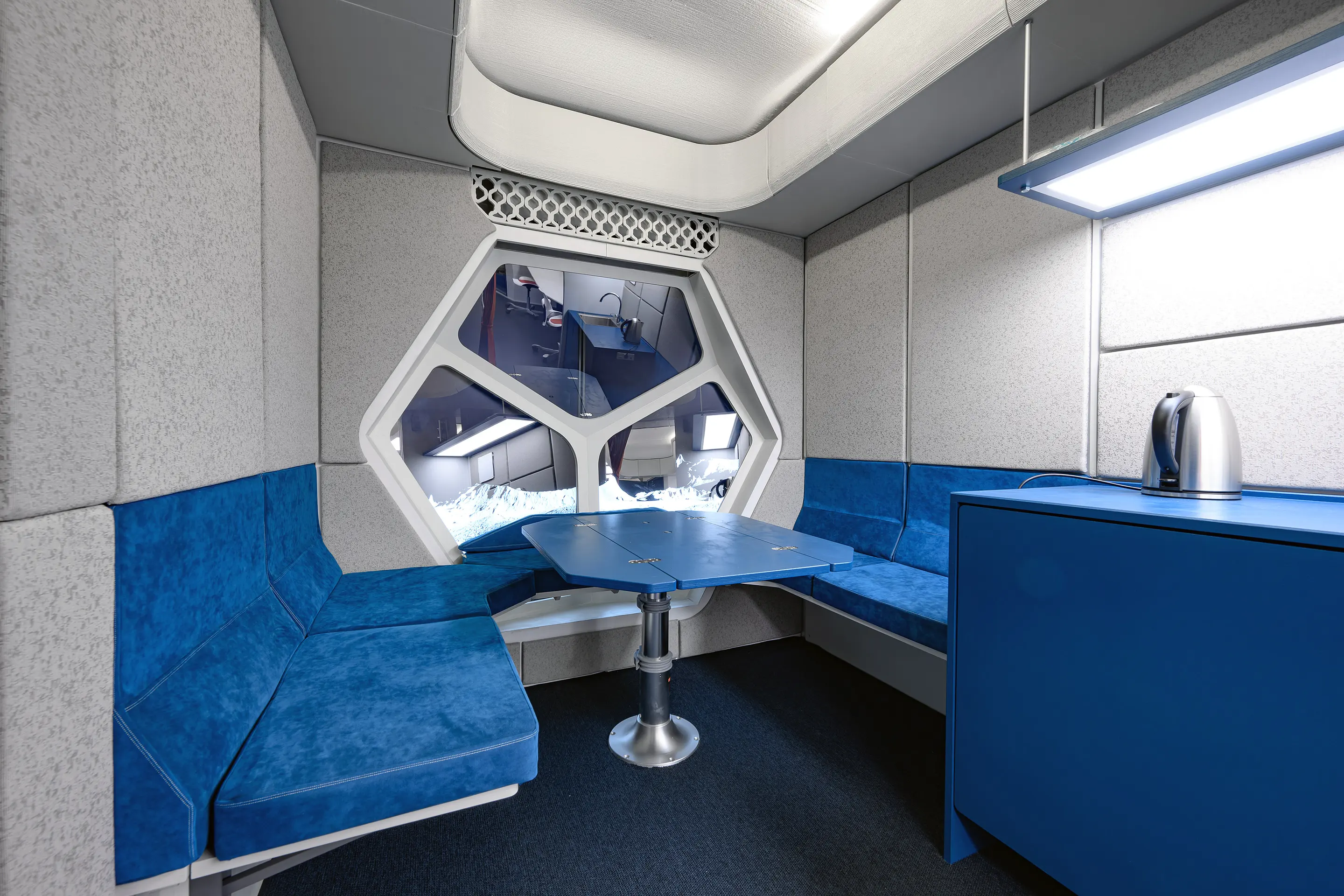
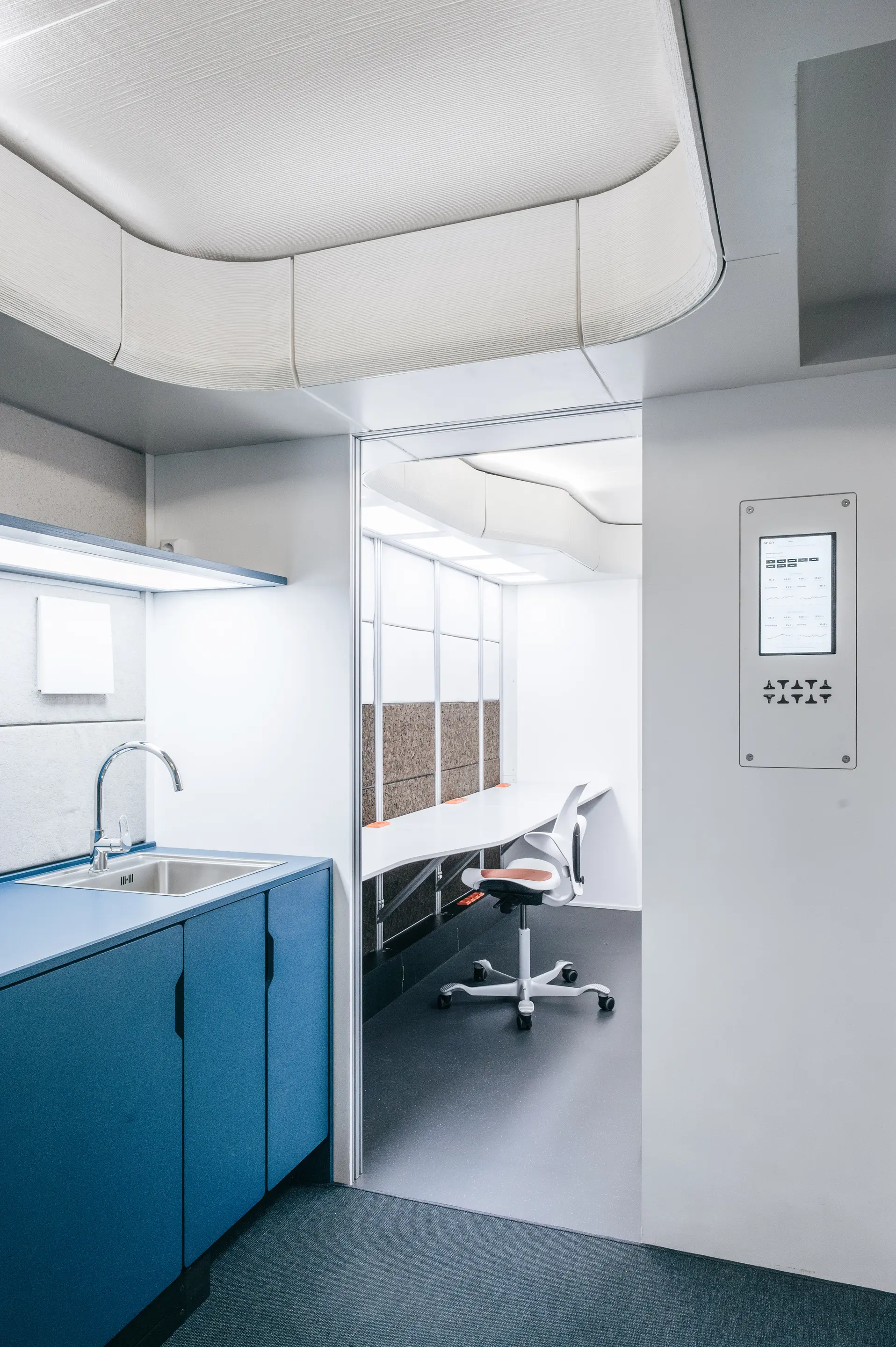
FLEXHab’s kitchen area includes a “screen” made up of displays simulating a lunar landscape
Squeezing four people into 28 square meters (about 300 square feet) was a real challenge, and some sacrifices had to be made. At the center of the habitat is the "airlock" (it doesn't look like it's actually pressurized), which houses the main entrance, as well as toilets, showers and sinks, although there are two other emergency exits. The laboratory is nearby and contains desks, some storage space, a computer terminal and communications equipment.
To one side of the central laboratory/airlock is the galley, which houses food storage and preparation areas, as well as seating and a dining table. The dining table can be folded away to make room for a small piece of fitness equipment. Cleverly, there are simulated windows on the screen that offer a view of the moon.
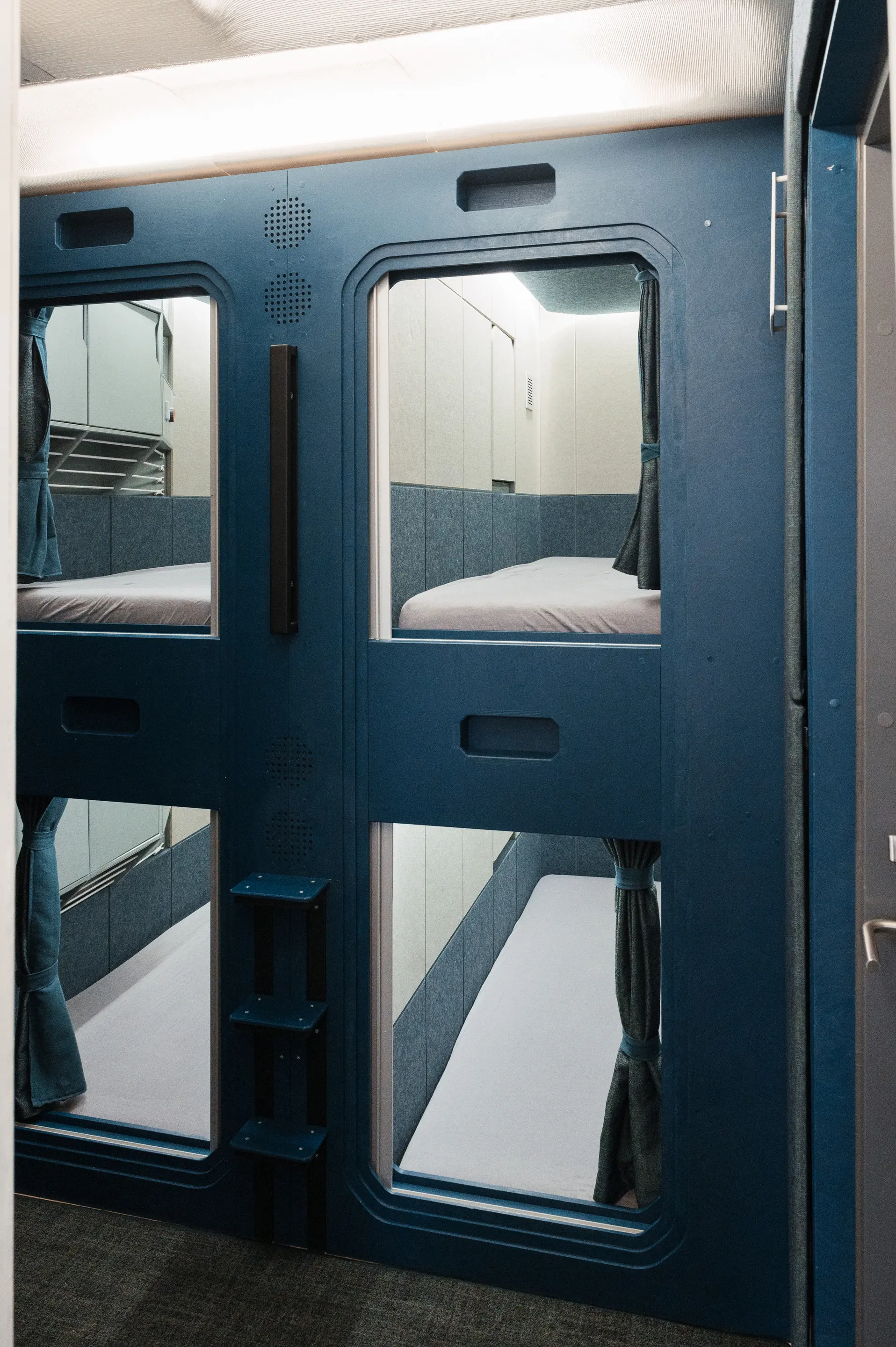
There are four "bedrooms" on the other side. They are reminiscent of Japanese capsule hotel sleeping pods, which look tiny and definitely not suitable for claustrophobic sufferers.
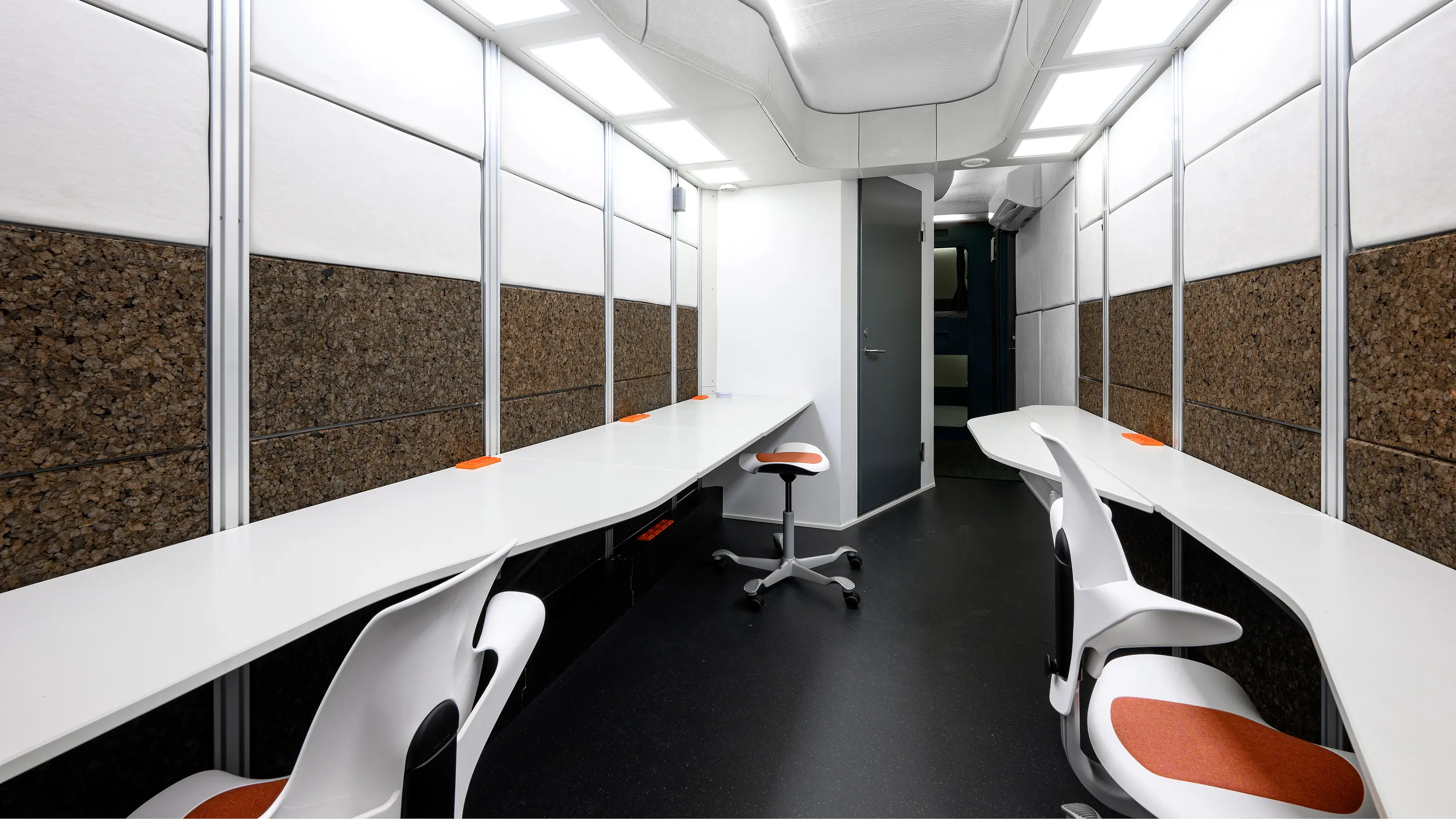
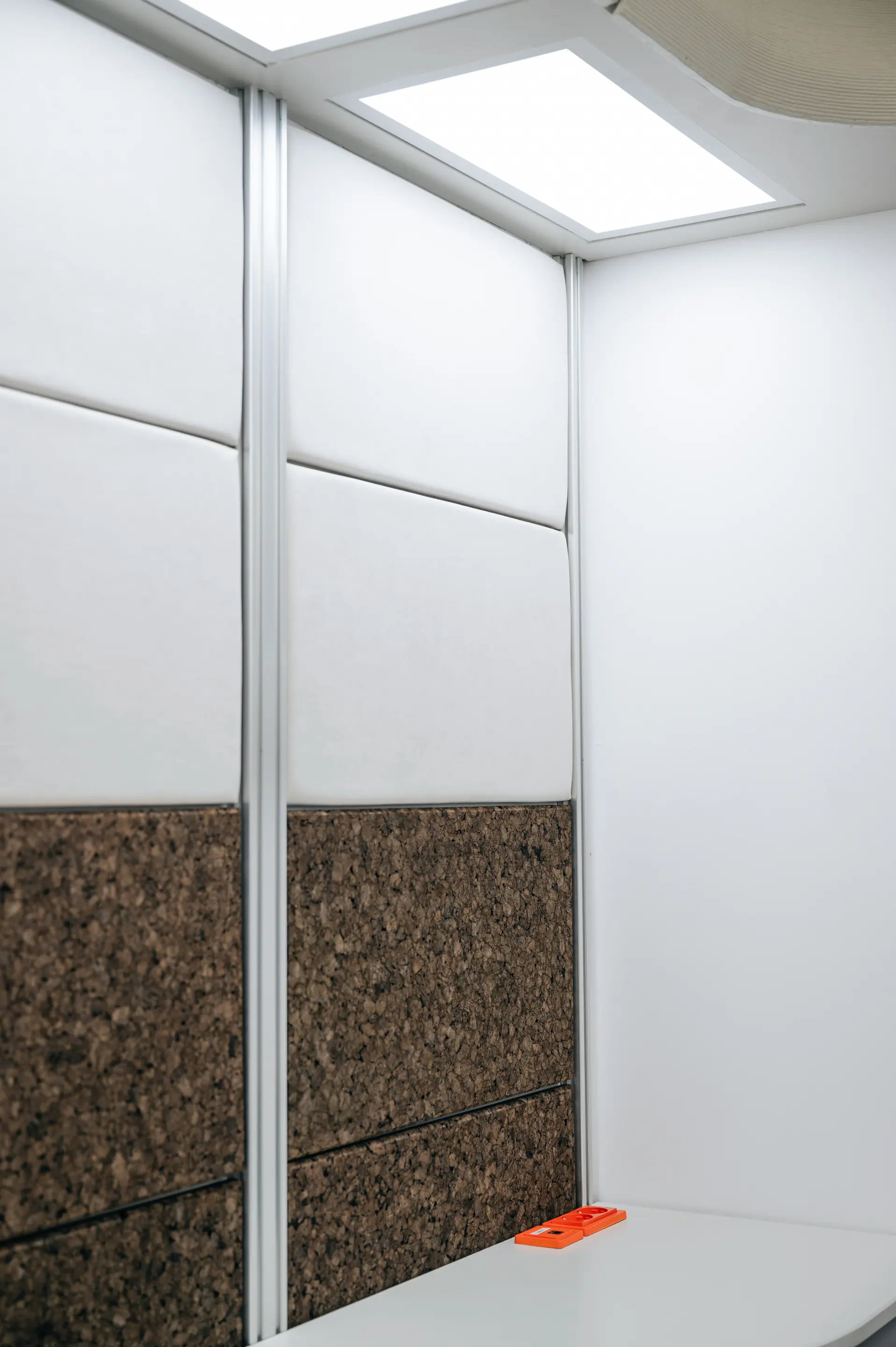
FLEXHab’s laboratory area includes workspace, communications equipment and computers
Other notable additions include circadian lighting, designed to help crew members stay happy and well-rested; and a computer system that monitors internal environmental data in real time, including temperature and air quality. In addition, natural materials such as cork are used in the cabin decoration to prevent the cabin space from looking too cold, and two small split air conditioners help maintain a comfortable temperature.
FLEXHab will be used for research and astronaut training missions in the coming months and years. Astronauts will live on it for long periods of time, helping to test its ergonomics and practicality and provide reference for possible future lunar missions.