The U.S. Naval Research Laboratory (NRL) recently announced that a set of portable genetic material detection equipment for front-line deployment has been developed and verified. It can quickly identify unknown biological threats—including artificially modified biological weapons—through RNA and DNA analysis in less than half an hour.
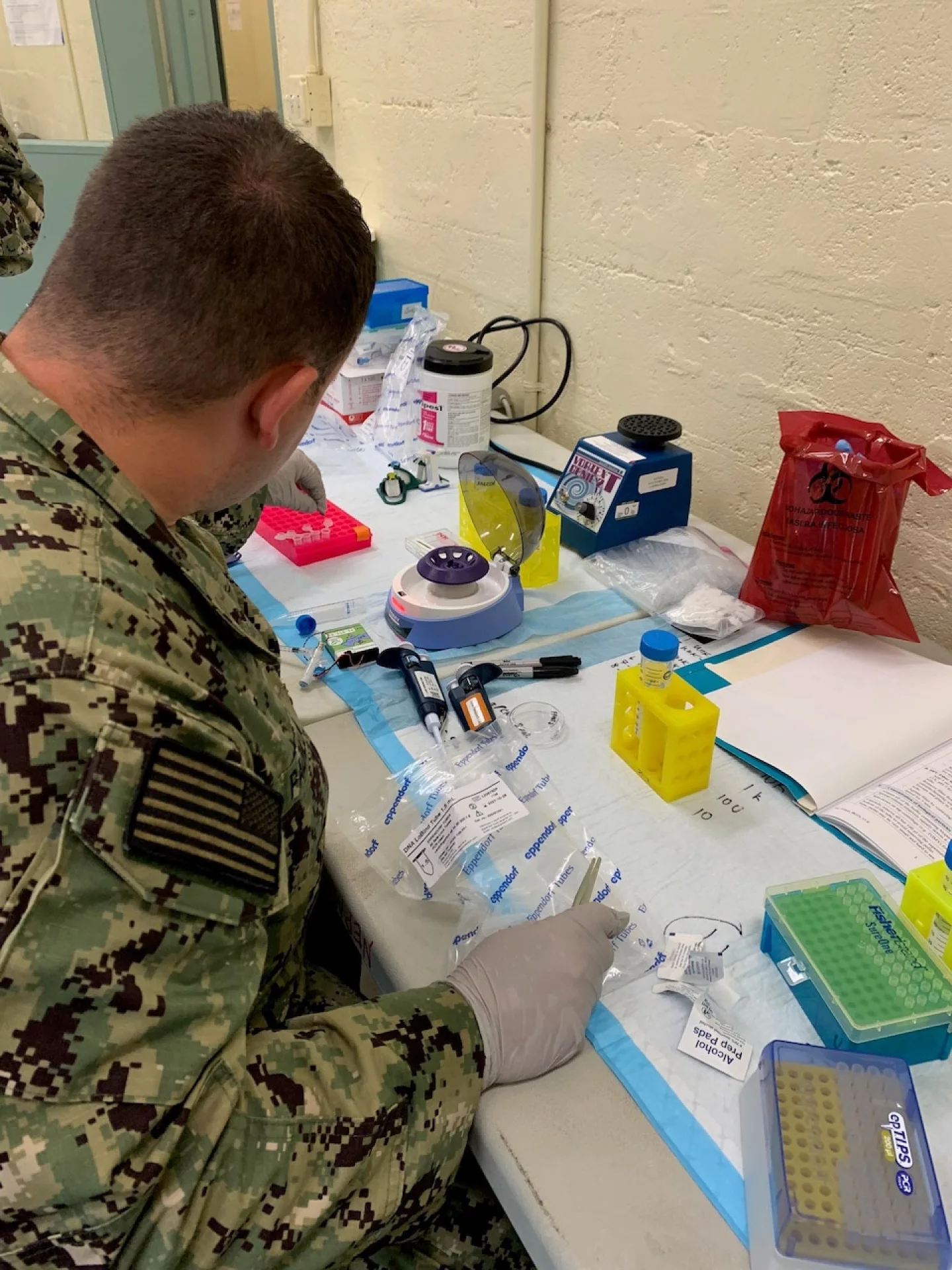
The history of biological warfare can be traced back to the siege of Kaffa in 1346, when the Mongolian army threw infected corpses into the city. Since then, biological weapons have been regarded as a very terrifying means of attack. In the following centuries, humans have successively developed chemical, nuclear, and radioactive weapons. However, among the many weapons of mass destruction, biological weapons are considered particularly formidable due to their high concealment, complex transmission pathways, and unpredictable harm.
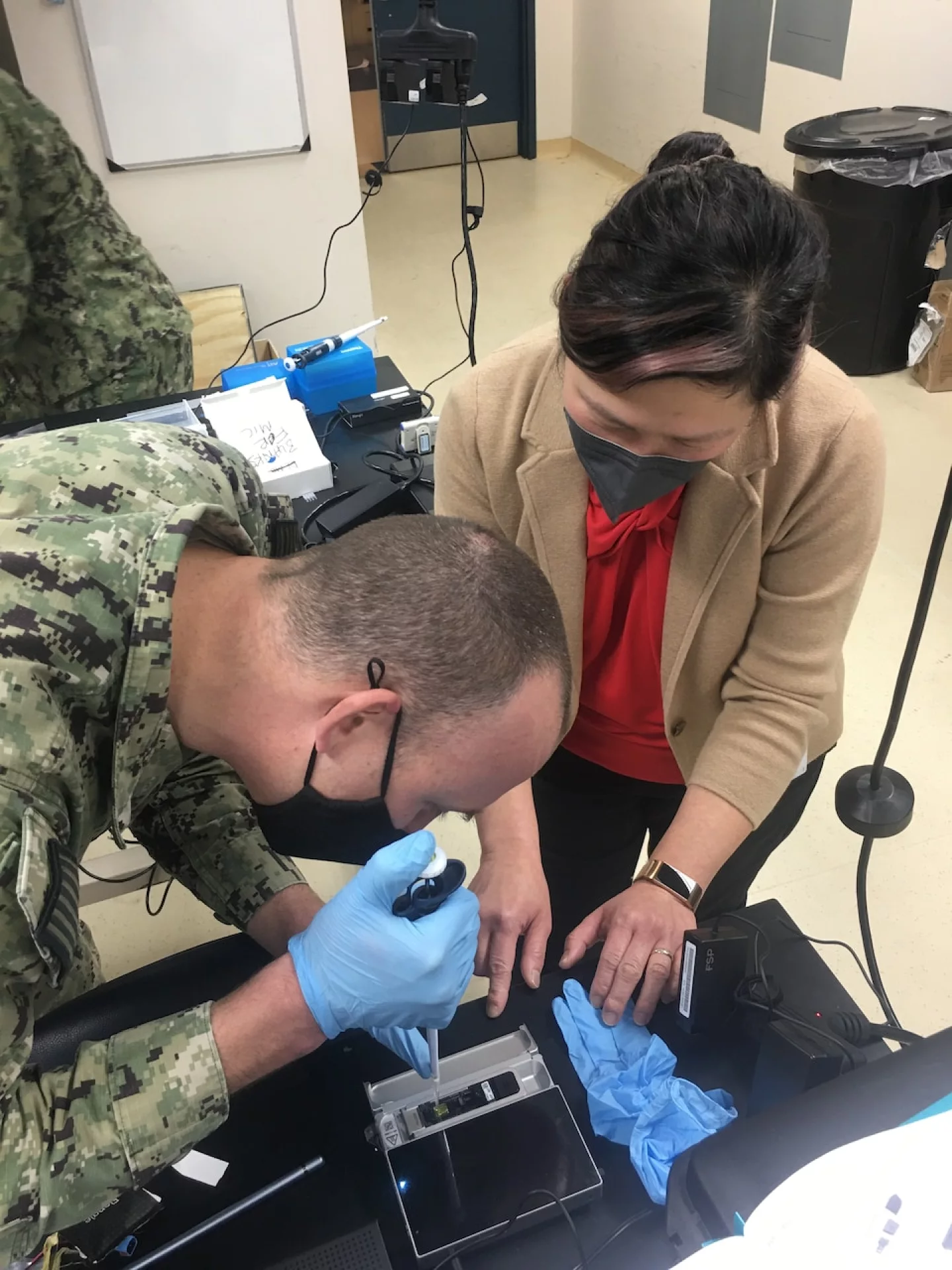
Unlike nuclear explosions and radioactive weapons, which may be quickly detected with the naked eye or simple instruments, biological weapons are often difficult to detect and lock at the first time. Traditionally, samples need to be sent to well-equipped professional laboratories for identification by trained scientific researchers using complex biochemical equipment. Although there have been attempts to develop mobile detection systems in the past, most of them are vehicle-mounted or tent-type shelter structures, which are bulky and require high power and environmental control conditions. The use process involves complex processes such as aerosol physics, bioluminescence and antibody analysis, and can only identify a few known pathogens within the preset database range.
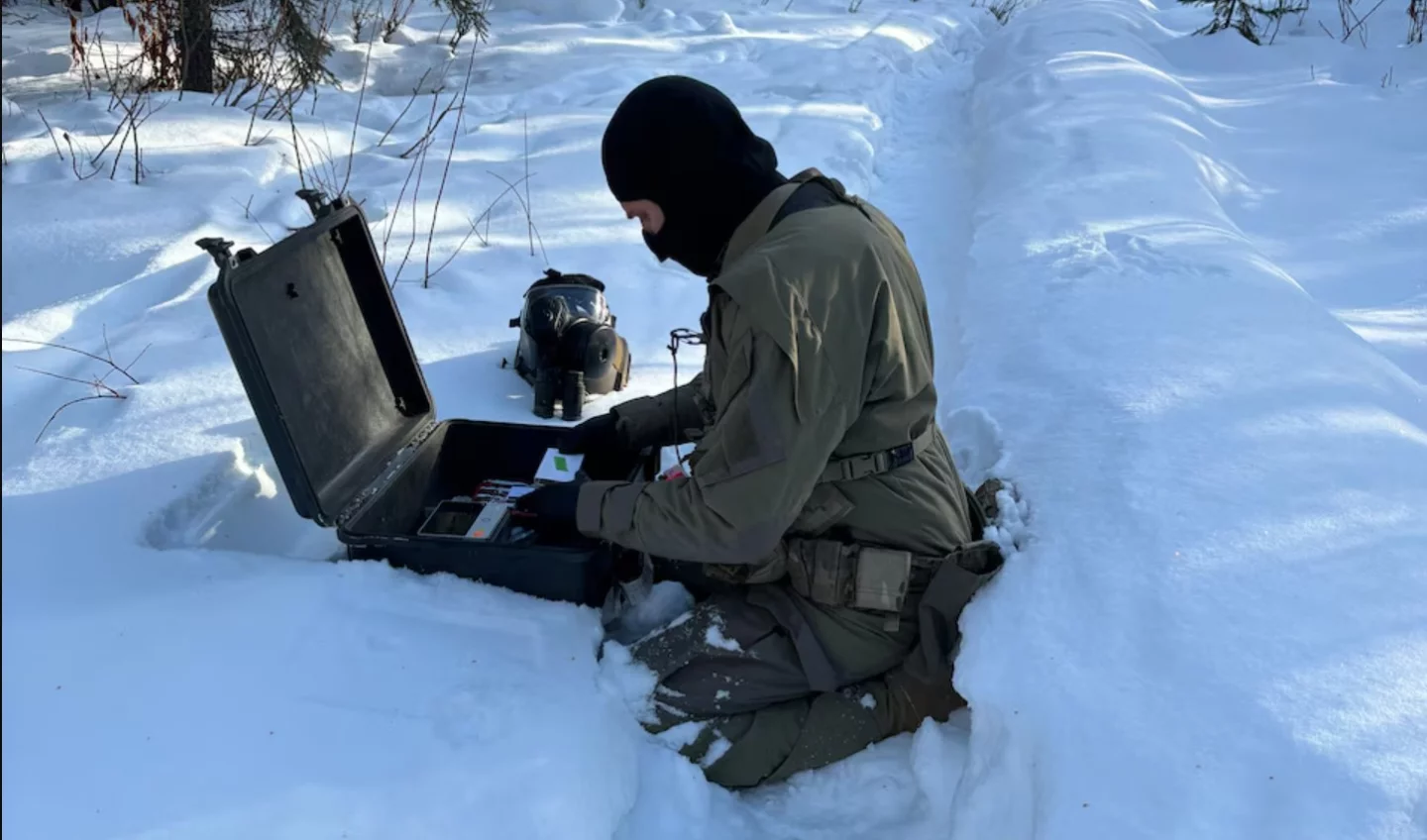
The "Far-Forward Advanced Sequencing Technology" (F-FAST) program launched by the NRL adopts a new technical route on this basis: through miniaturized and ruggedized DNA/RNA sequencing equipment, the operation is completed directly in a field environment by soldiers with relatively limited training to obtain the genetic information of the sample and analyze it. This system has been verified in a variety of harsh environments such as deserts, arctic and sea, and can provide frontline commanders with rapid feedback on the genetic composition of suspected microbial samples. It can not only depict the entire microbial community map, but also focus on identifying whether there are artificially modified gene fragments, thereby determining whether biological weapons or synthetic biological threats are involved.
Unlike traditional DNA analysis methods that only compare specific, preset pathogen sequences, while retaining the ability to rapidly screen known sequences, F-FAST also introduces the function of whole-genome sequencing of unknown organisms, which can interpret all genetic information in samples collected through air filters and other methods. The system claims to be able to generate analysis results within 30 minutes on site, significantly shortening the time window from sampling to obtaining intelligence, thereby reducing the "empty window" and uncertainty for decision-makers when facing potential biological threats.
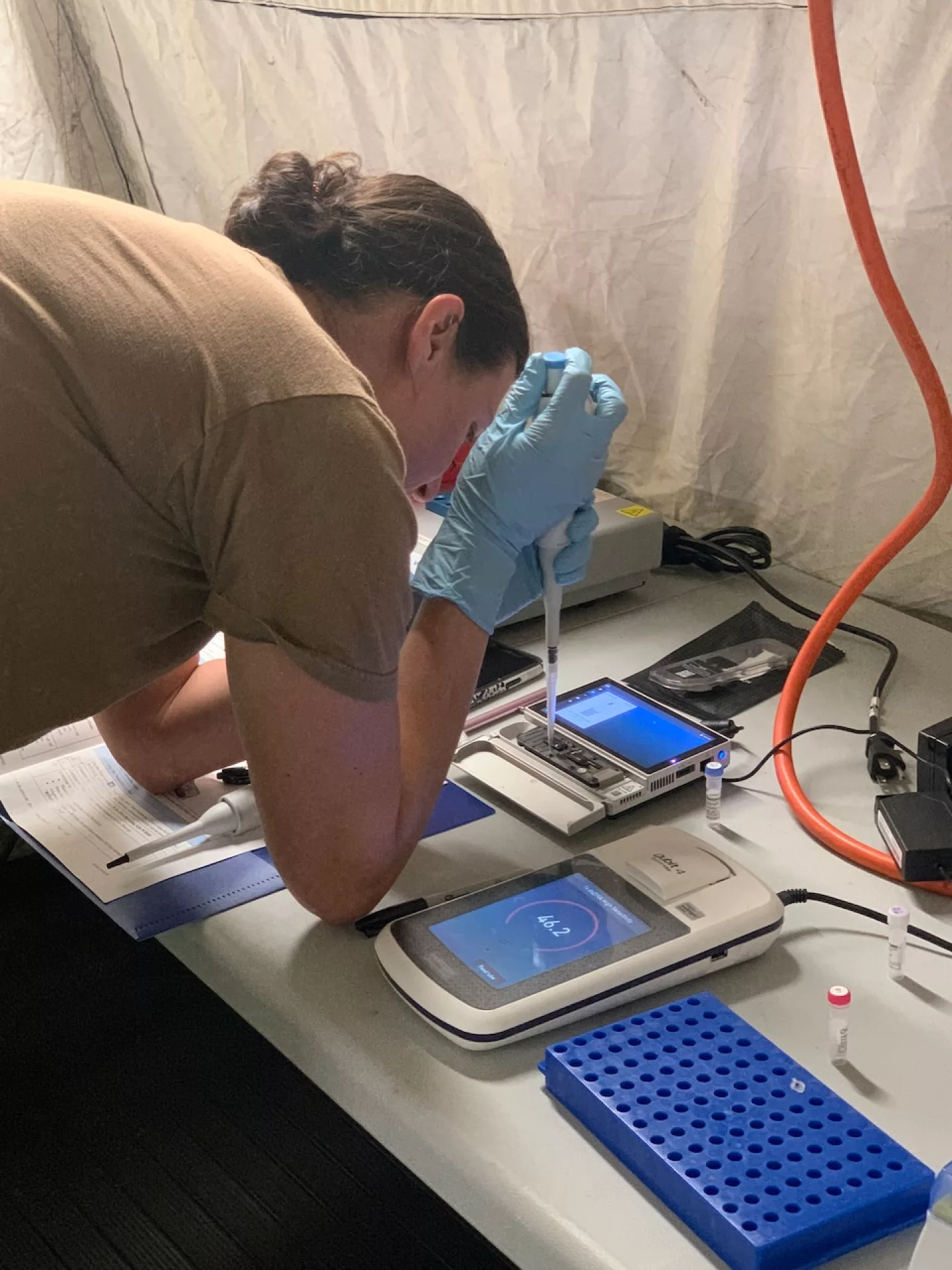
Dr. Peter Matic, deputy director of research at NRL, said that this type of sequencing technology can provide deeper intelligence support than existing rapid diagnostic tests and can directly characterize genetic material at the mission site. He pointed out that F-FAST and the accompanying "Far-Forward Biological Sequencing" (FFBS) can not only confirm the results of targeted testing, but also discover unknown threats that have not been identified before, and provide key data for medical and combat decisions, so that decisions can be made at the "point of demand" rather than in remote laboratories.
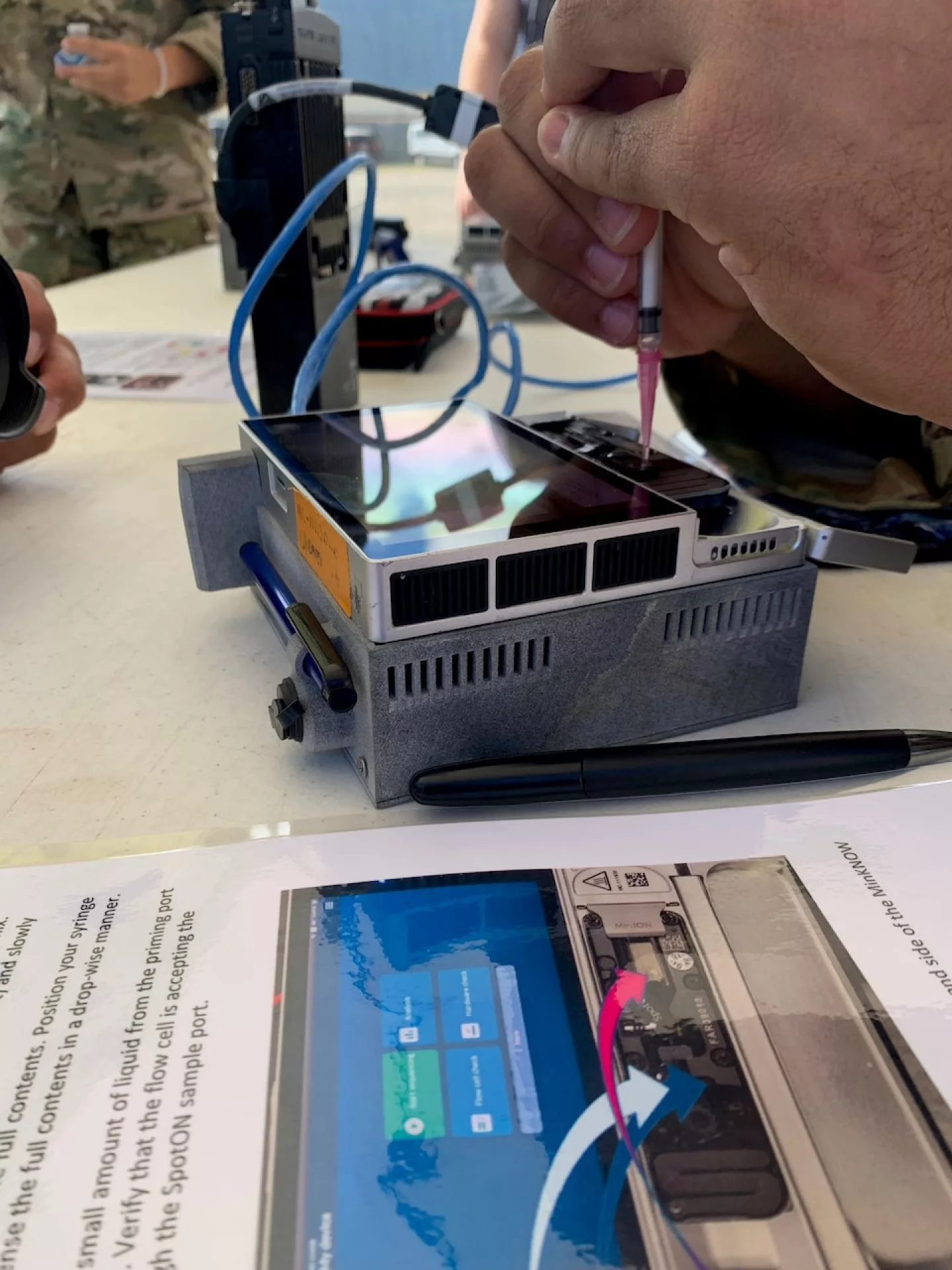
According to the NRL, the goal of this joint service project is to provide "genetic intelligence" for the land, sea, air and other services in modern battlefields, so that troops can quickly identify the differences between natural pathogens and bioengineered attack factors, so as to take more timely protection, disposal and countermeasures.