Against the background of continued surge in demand for artificial intelligence chips, TSMC's 3nm production capacity is almost "crowded". Although the monthly supply of 3nm wafers is expected to increase to about 175,000 pieces, it still faces a serious shortage of supply. Under this circumstance, even Apple, the most attractive major customer for a long time, cannot obtain special care from its foundry partners and can only adjust its roadmap: after using 2nm for only two generations, it will switch to 1.4nm as soon as possible to ensure the stable supply of future iPhones and self-developed chips.
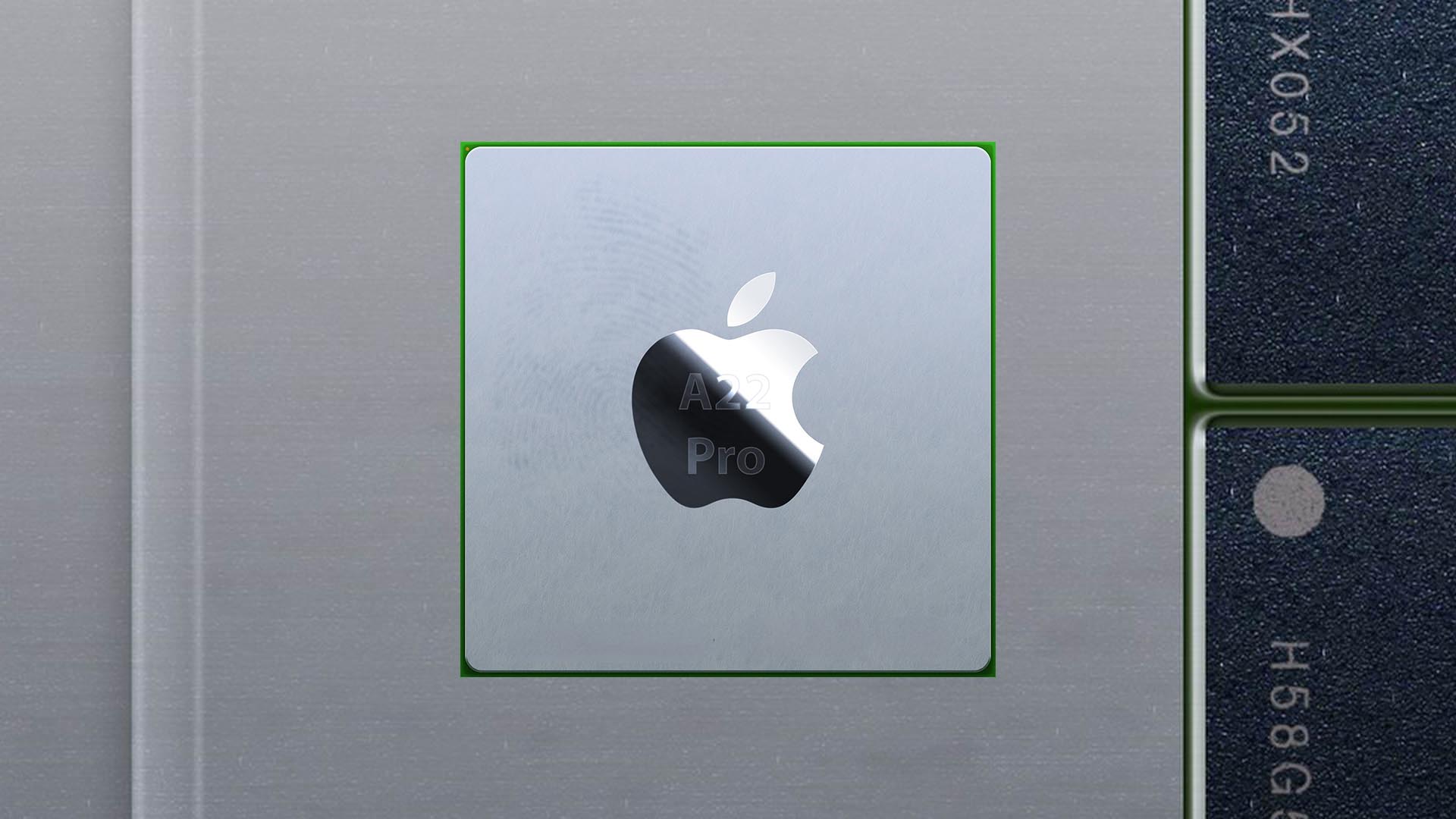
According to current industry information, Apple is expected to use TSMC's 2nm N2 and N2P processes this year and 2027 respectively, and then make A22 Pro the first SoC product based on the 1.4nm process in 2028. The cost of TSMC's next-generation sub-2nm process is expected to be as high as approximately US$45,000 per wafer, which means that Apple will pay much higher manufacturing costs than before and become an "ultra-early" adopter of this new process line. However, unlike a few years ago, where performance advantages were mainly obtained through process leadership, Apple's motivations for accelerating its move to 1.4nm have changed significantly.
In the field of mobile chip design, Apple has established extremely solid technological and architectural advantages, and there is no urgent "technological catch-up" pressure on Qualcomm, MediaTek and Samsung. For example, the A19 and A19 Pro are about 10% smaller in area than the previous generation A18 and A18 Pro, while continuing to improve performance and energy efficiency, allowing more chips to be cut on the same wafer and diluting the unit cost. What’s more noteworthy is that the A20 Pro package size is reportedly almost the same as the A19 Pro, but it integrates a larger NPU internally, while some competitors are still “stacking” to show their lead by continuously enlarging the package. These design-level advantages prevent Apple from blindly embracing more advanced processes in terms of architecture and micro-design to compete for performance headlines.
For Apple, the real pressure comes from the "avalanche effect" at the production capacity level. In 2025, Apple iPhone shipments will exceed 240 million units, and the overall shipment scale continues to rise. However, AI companies’ hunger for computing power far exceeds that of the smartphone industry. Once the main chips of these companies are fully migrated from 3nm to 2nm, the supply shortage of 2nm production lines will inevitably repeat the situation of today’s 3nm. Under this situation, if Apple continues to rely heavily on 2nm chips, it will face serious supply risks and delivery uncertainties, which will affect the pace and revenue performance of its flagship iPhone.
Therefore, Apple is striving to lock in as much production capacity as possible in the early stages of mass production of the 1.4nm process through more radical route planning, viewing the 1.4nm node as a key "safe harbor" to avoid future supply crises. Although the transition to the 1.4nm node will undoubtedly significantly increase manufacturing costs, with the support of Apple's huge revenue scale and high-end product profit margins, this expensive choice will not fundamentally erode the company's overall profitability. On the contrary, if Apple can take the lead in "eating" most of the smartphone-related quotas at the beginning of the opening of 1.4nm production capacity, mobile chip manufacturers such as Qualcomm and MediaTek will only be able to compete for limited remaining production capacity after Apple at this node in the future.
From a broader semiconductor industry perspective, TSMC has not opened a "special channel" for any single customer, and all capacity allocation needs to be weighed between multiple business lines such as AI, high-performance computing and mobile terminals. With AI chips becoming the "number one customer" of advanced processes, traditional mobile terminal manufacturers can only avoid risks by locking in next-generation processes in advance if they want to avoid being squeezed out of production capacity by computing power demands. For Apple, accelerating the shift from 2nm to 1.4nm is no longer just a choice of technology route, but a strategic game to ensure supply security, maintain the pace of flagship products, and stabilize revenue performance.