Intellectual property licensing company Adeia recently filed a patent infringement lawsuit against AMD in the U.S. District Court for the Western District of Texas, accusing AMD of using a number of Adeia's semiconductor innovation patents without authorization in its chip products.Adeia claims that AMD has relied on its patented technology for many years and has achieved great market success from it.
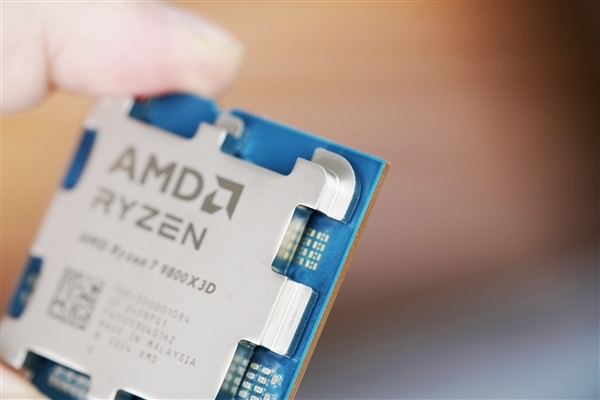
This lawsuit covers a total of ten patents, seven of which are related to hybrid bonding technology and three involving advanced semiconductor process technology.One focus of the lawsuit is the "3D V-Cache" used in AMD's X3D series processors, which uses 3D hybrid bonding technology.
Since 2022, the X3D series has been AMD's important advantage over Intel in the client market (especially gaming performance). Adeia pointed out that it is its patented innovation that has greatly contributed to AMD's success as a market leader.
Adeia stated that it has been engaged in lengthy negotiations with AMD for many years in order to reach a licensing agreement, but has been unsuccessful. Therefore, in order to "defend its intellectual property rights," Adeia finally decided to take legal action.
Adeia claimed: "Over the years, AMD's products have integrated and extensively used Adeia's patented semiconductor innovations, which has greatly contributed to their success as a market leader. After a long and fruitless effort to reach an amicable resolution, we believe this legal action is necessary to defend our intellectual property against AMD's continued unauthorized use."
Although the lawsuit has been filed, Adeia said it was open to negotiations but was "fully prepared" to advance the case in court if necessary.
If Adeia wins the lawsuit, AMD may need to pay high patent licensing fees, which will undoubtedly bring additional cost pressure to AMD products using 3D stacking packaging technology and may affect its long-term product roadmap.