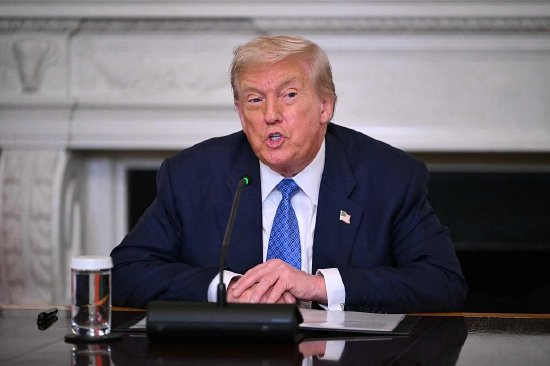
US President Donald Trump signed a bill to end the longest government shutdown in history, marking the official end of the 43-day stalemate. The standoff has disrupted food aid for millions of families, canceled thousands of flights and forced federal employees to be without pay for more than a month. Trump's signature means the government can begin returning to normal operations, with federal employees expected to begin returning to work Thursday.
Russell Vought, director of the White House Budget Office, said in a memo to the heads of federal agencies and departments that agencies should take all necessary steps to ensure that offices can open quickly and orderly on November 13.
However, it may still take days or even weeks for federal agencies, which have been closed since October 1, to fully reopen and clear their backlog. Transport Minister Sean Duffy told reporters earlier on Wednesday that progress was expected to begin up to a week after the shutdown ends to lift flight cuts at major airports across the country.
The government shutdown battle has dealt a heavy blow to the U.S. economy. The Congressional Budget Office (CBO) estimated last month that a six-week government shutdown would reduce real GDP growth by 1.5 percentage points this quarter.
Eventually, the pain was enough to force the government to restart.
On Wednesday night, the House of Representatives passed the temporary (until January 30) appropriations bill by a vote of 222 to 209. The bill is opposed by most Democrats because it does not include their core demand in the shutdown fight: an extension of expiring Affordable Care Act subsidies.
The pain is not gone
Delta Air Lines CEO Ed Bastian told Bloomberg Television on Wednesday that flight cancellations related to the government shutdown will impact the airline's quarterly earnings. The company expects to resume normal operations before the busy Thanksgiving holiday.
Many of the 42 million low-income Americans enrolled in the federal food stamp program were unable to receive their November benefits as the Trump administration engages in legal battles with states over whether food assistance can continue during the government shutdown.
Food assistance won't resume immediately — states say it will take up to a week to update beneficiary files and reload benefit cards. With only two major card providers, there could be a bottleneck effect in all states resuming issuance at the same time.
Most federal employees haven't been paid in more than a month — whether they're on the job or not — even as the White House has found legally controversial ways to pay military personnel during the government shutdown. Government employees will begin receiving back pay on Saturday, a senior government official said.
Financial markets' visibility into the state of the economy has also become murky as key economic data ceased to be released during the government shutdown. White House press secretary Carolyn Leavitt said on Wednesday that a prolonged government shutdown may result in the October employment report and consumer price index (CPI) report not being released.
The U.S. Bureau of Labor Statistics is expected to release a schedule in the coming days with updated release dates for delayed economic data.