According to sources in the Asian industry chain, the poor sales performance of Apple’s ultra-thin model iPhone Air after its launch is prompting many Chinese mobile phone manufacturers to suspend or shelve their own ultra-thin mobile phone projects. Since its release in September, iPhone Air has been reporting weak sales and order cancellations, and Apple's supply chain has also reduced the shipments and production scale of the model accordingly. Supplier Foxconn is said to have dismantled all iPhone Air production lines, while another assembly partner, Luxshare, stopped production at the end of October.
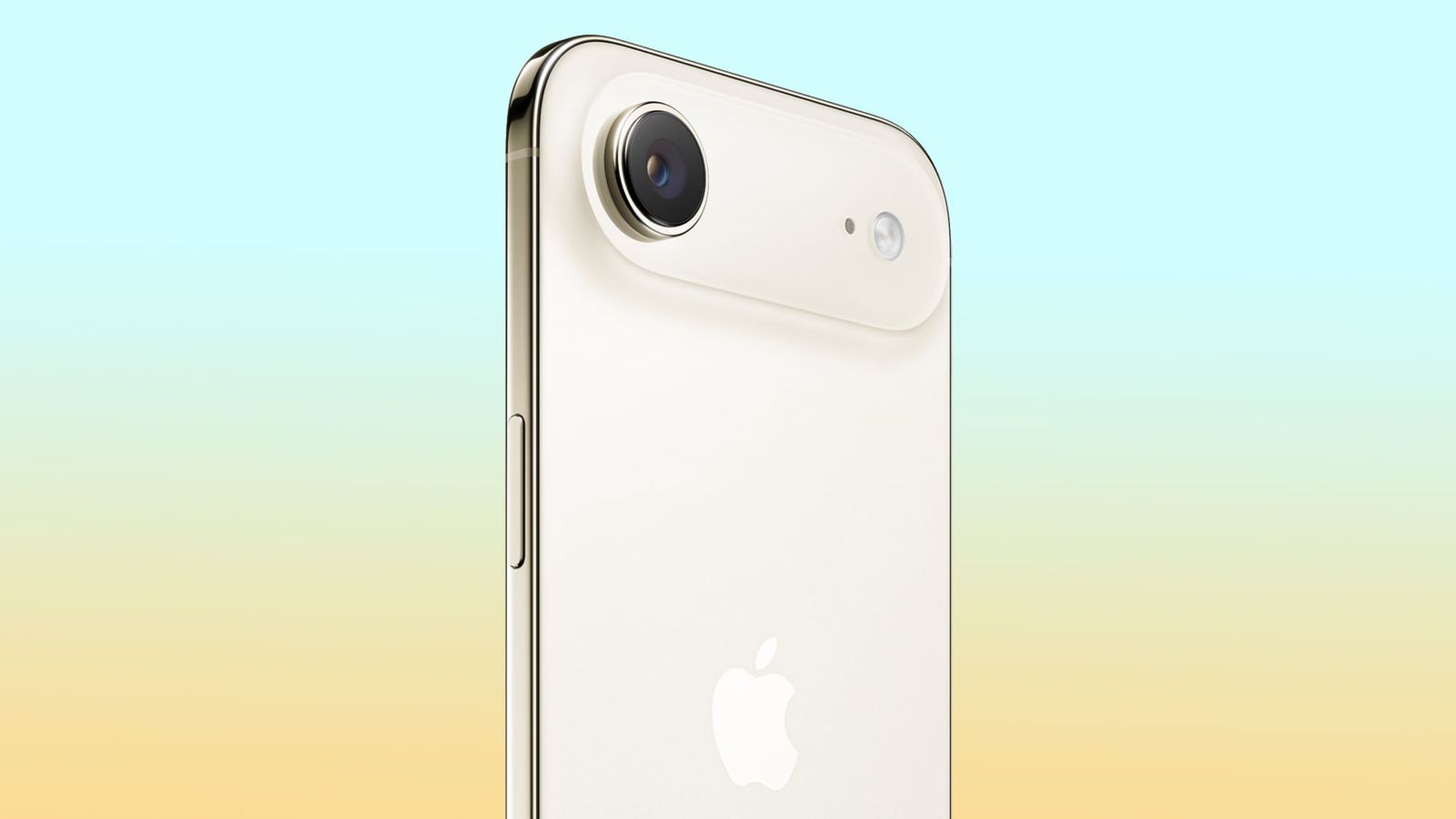
Affected by the lackluster market response to this product, competitors such as Xiaomi, OPPO, and vivo have canceled or adjusted their R&D plans for their own imitation “Air” models, and the eSIM solutions originally prepared for these new models have also been transferred to other production lines for use. According to reports, Xiaomi originally planned to launch an ultra-thin flagship that truly rivals the iPhone Air, while vivo plans to focus on extreme thinness and lightness in its mid-range S series. However, related projects have been suspended and the manufacturer has not yet officially responded.
The iPhone Air is the first major redesign of the iPhone lineup since the iPhone X introduced Face ID and a full-screen display in 2017, as Apple attempts to reignite consumer interest with a new slimmer form factor. However, to achieve an ultra-thin body of only about 5.6 mm, Apple had to make trade-offs in battery capacity and camera configuration: iPhone Air is only equipped with a smaller battery and a single rear camera, but still maintains high-end pricing.
In terms of price, the iPhone Air starts at $999, which is only $100 less than the iPhone 17 Pro, which starts at $1,099. The latter offers a three-camera system and significantly better battery life, which also makes many consumers think that the iPhone Air "emphasizes appearance over practicality" and has low cost performance.
It is reported that lackluster market feedback also forced Apple to re-examine this product line. "The Information" reported that Apple has delayed the launch of the second-generation iPhone Air and redesigned it to potentially accommodate a second rear camera and improve battery life.
A similar situation also occurs in the Samsung camp. Korean media reported that as Samsung’s corresponding ultra-thin model, the Galaxy S25 Edge also faces sluggish sales. Samsung has canceled plans for the Galaxy S26 Edge model and halted production of the Galaxy S25 Edge.
The above-mentioned industry trends were first disclosed by Taiwan's DigiTimes, which showed that after the iPhone Air suffered a "Waterloo" in the market, the entire smartphone industry is obviously becoming more conservative in its ultra-thin design route, and functionality and battery life are once again prioritized over "extreme thinness and lightness."