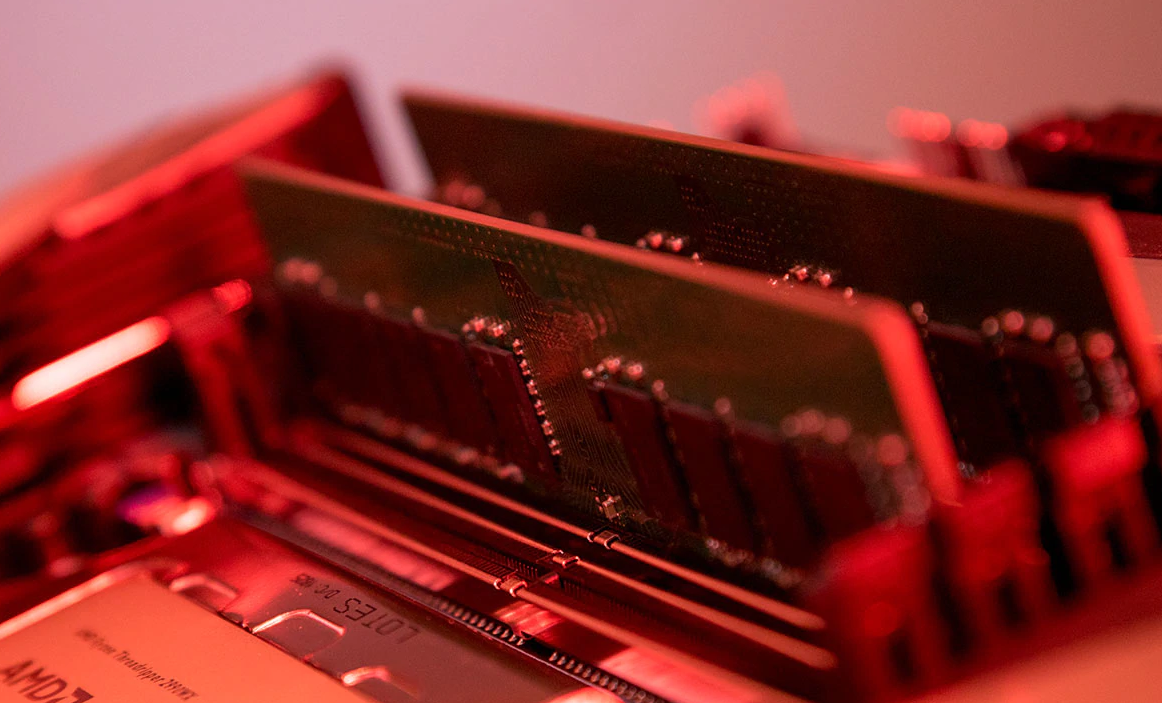
Samsung is considering adjusting its DRAM manufacturing strategy and plans to reduce 1a nm process general DRAM production capacity originally used to produce HBM3E memory by 30% to 40%.Subsequently, Samsung will expand its 1b nm process capacity suitable for standard memory products (such as DDR5 and LPDDR5x) through process conversion to maximize overall profits.
Due to the explosion of AI demand, HBM's seizure of core production capacity and limited short-term production expansion, the prices of general memory products such as DDR5, LPDDR5x and GDDR7 have surged rapidly recently.
For Samsung, the current production capacity of the 1b nm process has surpassed the 1a nm process, which is traditionally believed to benefit from the high price of HBM, in terms of profitability.
Although Samsung eventually succeeded in becoming NVIDIA's HBM3E supplier, its supply scale was relatively limited, and the average selling price of Samsung's HBM3E itself was 30% lower than its competitor SK Hynix.
Based on these factors, market participants analyze that if Samsung switches 30% to 40% of the production capacity of the 1a nm process and the production capacity of more mature processes such as 1z nm to 1b nm, the monthly wafer production volume of the 1b nm process is expected to expand by an additional 80,000 wafers, which will significantly help Samsung's overall profitability.