In the past few months, driven by the artificial intelligence (AI) industry, there has been a new wave of data center construction. Many technology giants have made announcements. In addition to establishing partnerships, they are building new AI infrastructure and deploying new computing power, with investment amounts reaching hundreds of billions of dollars.
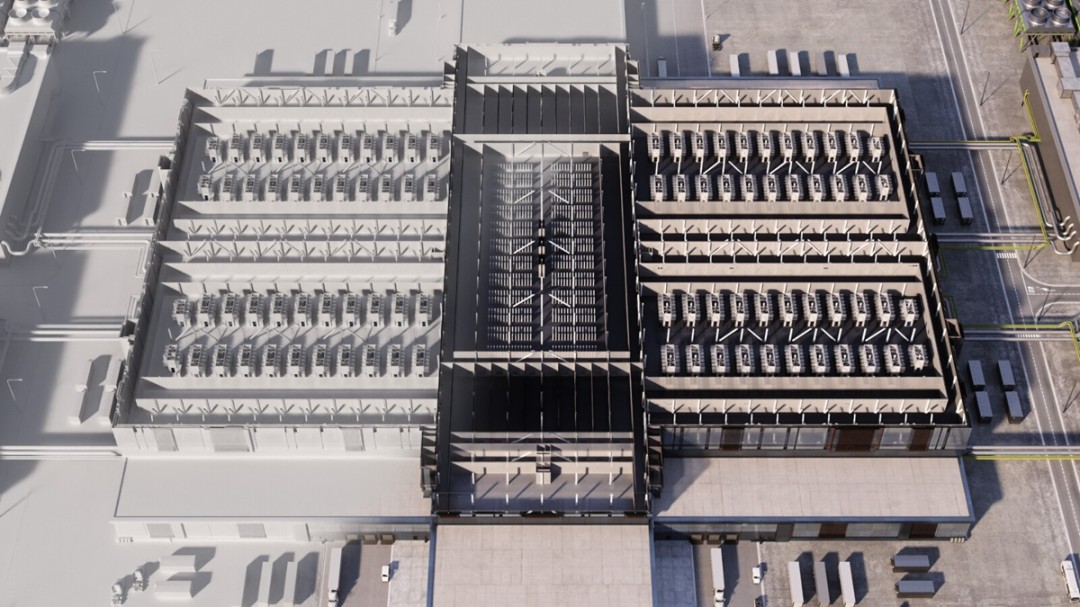
According to TomsHardware, IBM CEO Arvind Krishna recently accepted an interview with the media and questioned whether the capital expenditure currently used to pursue AGI can recover the cost. According to today’s data center construction costs, each gigawatt of computing power requires about US$8 billion in construction costs, and the relevant computing power committed globally is currently close to 100 gigawatts, which means that the investment amount has reached a staggering US$8 trillion. An investment of this magnitude would require approximately $800 billion in profits to cover interest payments, which is an almost impossible goal.
Arvind Krishna's claims relate directly to current hardware, depreciation and energy assumptions, rather than relying on any long-term forecasts. Arvind Krishna pointed out that the depreciation of hardware is the most underestimated part of computing by investors. Generally speaking, the general refresh cycle of these data centers is five years, when most of the hardware needs to be replaced, which will have a compounding effect on long-term capital expenditure needs.
Not only Arvind Krishna, but also investment institutions have recently raised similar concerns: When performance improvements and the expansion of AI model scale force the accelerated retirement of older GPUs, it is assumed that companies can continue to extend their service life. The speed of hardware replacement means that it must be replaced rather than expanded, which requires very high cost support.
Arvind Krishna said that it is expected that the current form of generative AI tools will eventually significantly improve enterprise productivity, but the problem lies in the relationship between the physical scale of the new generation of AI infrastructure and the economics of supporting its operation. Companies that invest heavily in building gigawatt-scale data centers and choose to compress refresh cycles must prove that their returns are sufficient to offset the unprecedented capital expenditures.