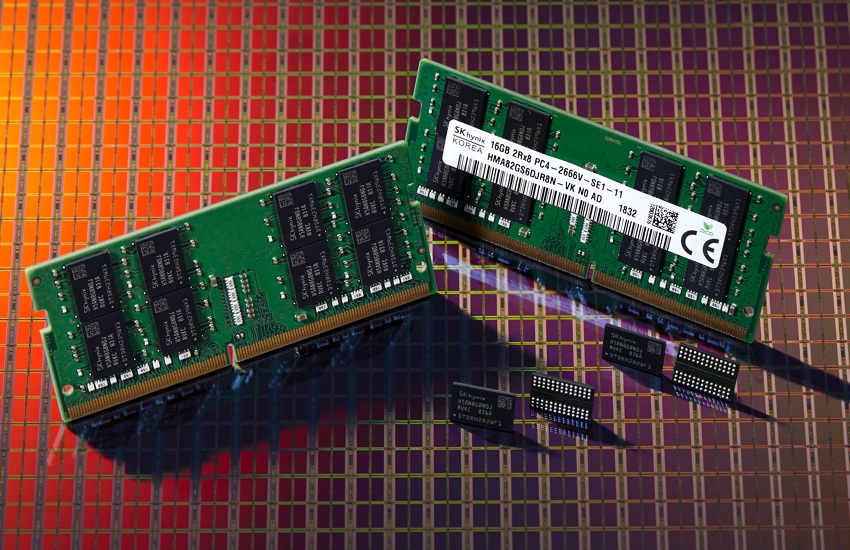
After the crazy price increase of memory, the disturbance to the price factors of consumer electronic products has begun to appear, which makes consumers very uncomfortable. Some consumers said that the price of the Lenovo PC they were interested in increased by a thousand yuan in just a few days after hesitating."The Lenovo laptop that I was interested in at the end of last year was only more than 6,000 yuan, and it rose to 7,500 yuan on January 7." A user told reporters that although he knew that memory prices continued to rise, his temporary hesitation caused him to miss out on the lower price.
By the end of 2025, mainstream brands such as Lenovo, Dell, and HP have released price increase signals. On January 12, 2026, sales staff at multi-brand stores stated that the prices of many PC models have indeed been increased. Among them, the price increase of Lenovo's entire series is about 15%.
In addition, the rising prices of core components such as memory modules and solid-state drives have also impacted the downstream computer assembly industry.
"In July and August last year, a set of domestic 32GB memory cost less than 600 yuan, but now it costs more than 2,000 yuan." said Boss Li, who has been running the computer installation business in Huaqiangbei for many years. Not only domestic chips, but also high-end memory using overseas chips have seen an even more astonishing increase, from more than 900 yuan in August and September last year to nearly 3,000 yuan.
Solid-state drives are also "rising," with the 512GB model rising from more than 170 yuan to more than 500 yuan.
The price increase of memory chips stems from the wave of storage demand triggered by AI. At present, technology giants such as Google, Microsoft, and Amazon are increasing the construction of AI data centers. This type of ultra-large-scale infrastructure directly promotes the surge in demand for high-capacity storage.
Counterpoint predicts that storage prices will surge by 40%–50% in the fourth quarter of 2025; they will rise by another 40%–50% in the first quarter of 2026, and they are expected to rise by another 20% in the second quarter of 2026.