While still strongly advocating artificial intelligence, Microsoft CEO Satya Nadella publicly admitted for the first time that currently hot AI technologies such as large models and chatbots have the risk of evolving into huge speculative bubbles. In a conversation with BlackRock CEO Larry Fink on the first day of the World Economic Forum in Davos, Switzerland, he said that the key for AI to avoid repeating the mistakes of the Internet bubble is to truly "go mainstream" instead of just staying within the technology giants and IT industry.
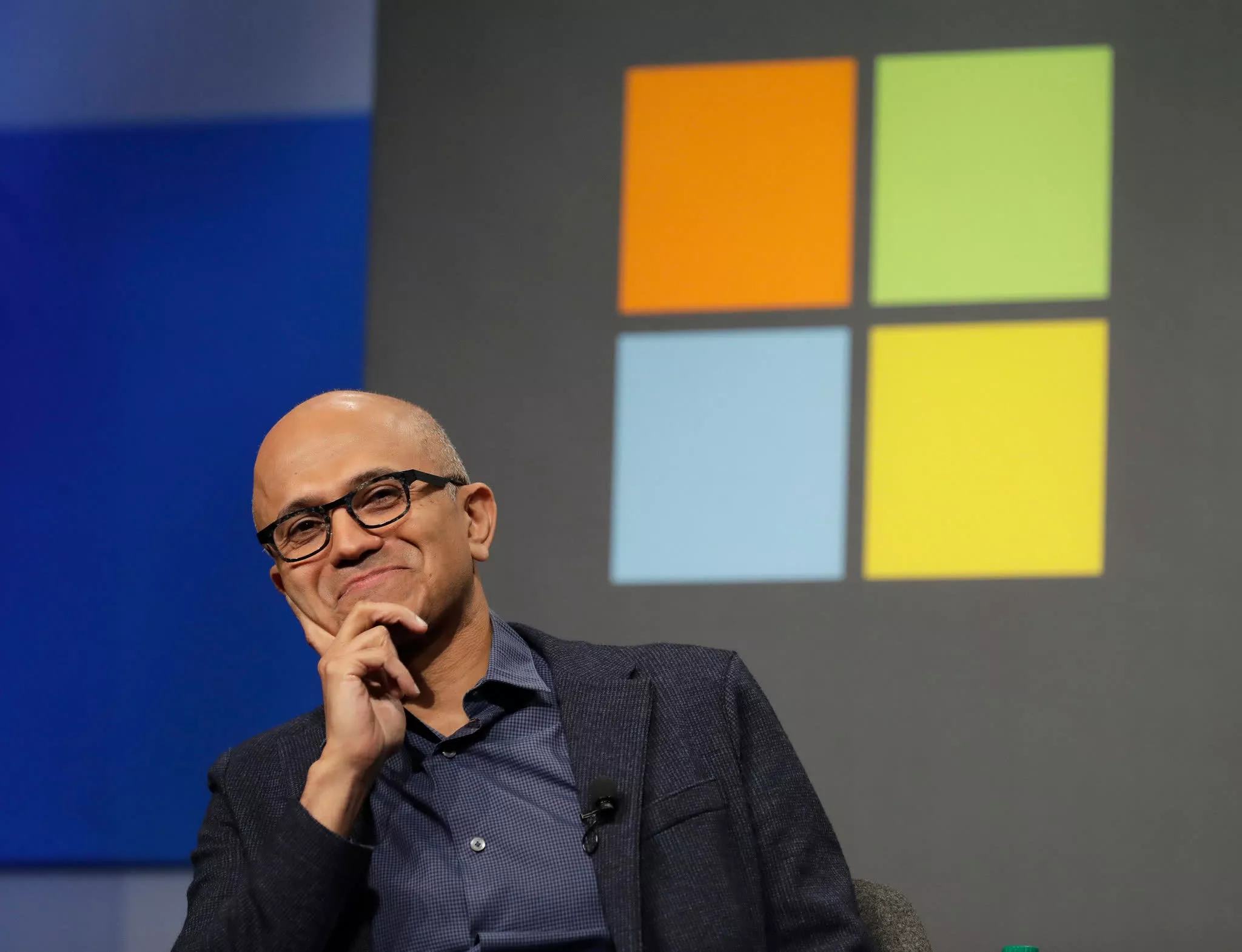
Nadella pointed out that the current scale of capital expenditures supporting the development of AI is unprecedented. Only when chatbots and large language models are widely embedded in multiple industries and countries, especially in markets outside developed economies, can a reasonable growth logic be found for this investment, otherwise it will be "close to a bubble by definition." He bluntly said that if only a few large technology companies actually use these technologies in the future without reflecting productivity improvements in the broader real economy, it means that AI is likely to be a financial bubble.
Despite the warning, Nadella remains optimistic about the transformative potential of AI, especially its application prospects in pharmaceuticals, new drug research and development and other fields. In his view, AI will continue to expand based on the foundation laid by cloud computing and mobile Internet, rapidly penetrate enterprise business processes, significantly improve production efficiency, and promote the simultaneous expansion of the global economy in developed countries and emerging markets.
When talking about intellectual property and trademark disputes, Nadella admitted that the current blurring of data usage boundaries in the training process of large models has triggered widespread concerns among content copyright owners and brand owners. He suggested that large enterprises should not rely entirely on a single "universal" model, but should "distill" on top of the basic model, use their own data and business scenarios for secondary training, and create a dedicated model that is highly consistent with their own industry, thereby reducing the risk of locking in a certain AI supplier while using open source or multiple models.
Nadella's statement in Davos, on the one hand, continued his usual "AI believer" position, emphasizing that this technology will continue to promote the structural upgrade of Microsoft and the wider industry; on the other hand, it also reflected the uneasiness within the industry about "whether AI is really useful." Multiple surveys show that many corporate executives have yet to see direct returns from AI in financial statements, and Microsoft also faces the challenge of how to get dissatisfied Windows users to no longer regard AI functions as simply "information garbage." Between bubbles and changes, how AI moves from concepts and demonstrations to large-scale, verifiable business value is becoming the focus of both industry and capital markets.