Affected by a cold and windy weather sweeping across Florida, the National Aeronautics and Space Administration (NASA) announced that it will adjust the "wet rehearsal" time of the Artemis II Space Launch System (SLS) rocket to February 2 (Monday) local time. NASA stated that the Artemis II launch date will be officially determined only after this key test is successfully completed.
Affected by this weather-related delay, the originally reserved launch windows of February 6 and 7 are "no longer feasible," and February 8 is currently regarded as the earliest possible launch date.
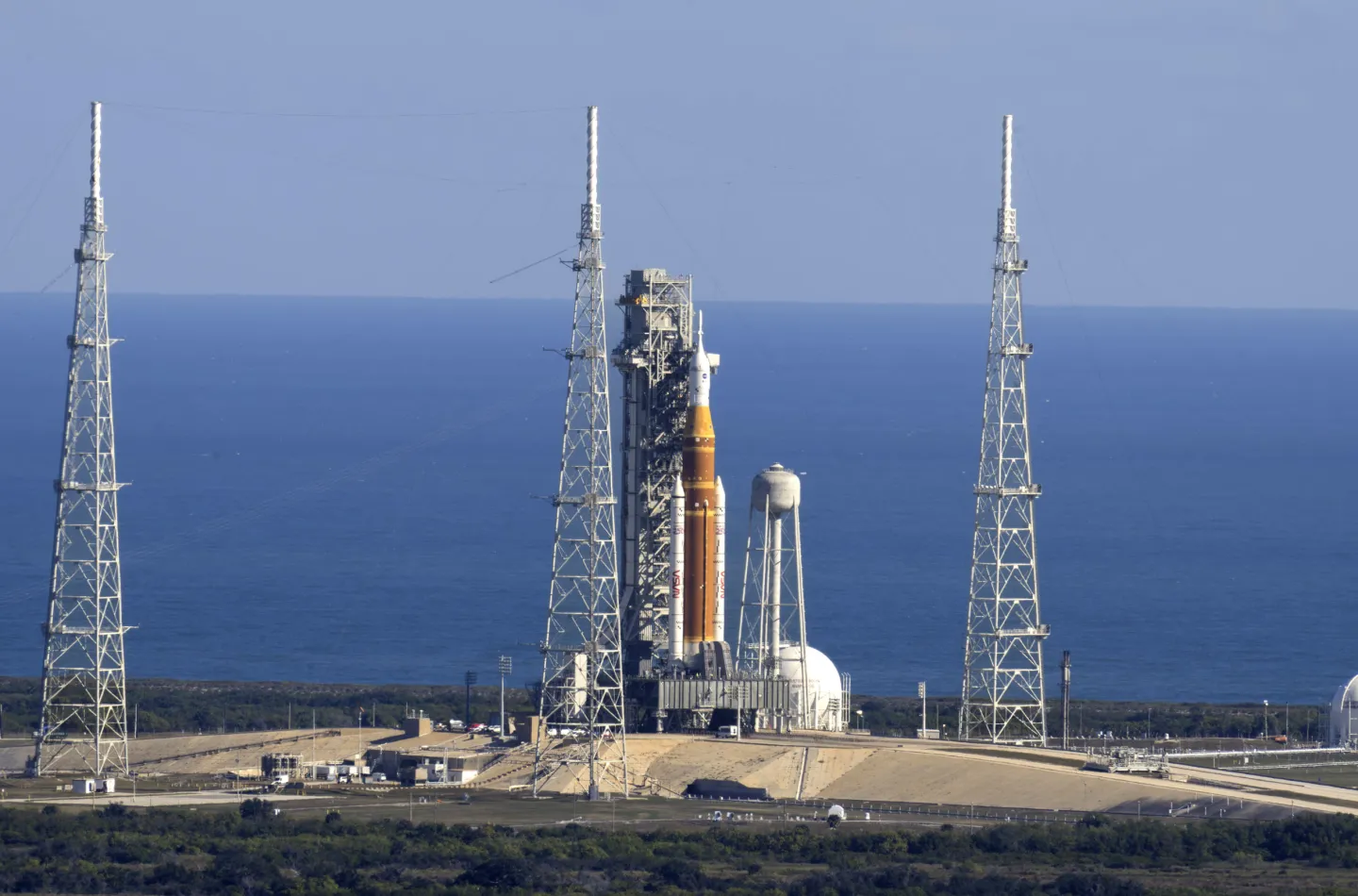
According to the original plan, this "wet rehearsal" should be held this weekend. The rocket is currently on standby with the "Orion" spacecraft at the 39B launch pad of the Kennedy Space Center. The approximately 49-hour rehearsal will include propellant filling of the rocket (hence the term "wet" rehearsal) and a simulated launch countdown that will end 33 seconds before scheduled launch. During the drill, the engineering team will test the emergency escape procedures at the launch site and collect operational data from each subsystem of the SLS. This complete test is regarded as a prerequisite for whether the mission can be officially launched next week.
The Artemis program is NASA's flagship project to return to the moon. Artemis I was successfully launched on November 16, 2022, and returned to Earth on December 11 of the same year after more than 25 days. This unmanned mission was originally planned to be implemented before the end of 2016, but was postponed many times. It was mainly used to verify the performance and safety of the SLS rocket and the "Orion" spacecraft in the deep space environment. In contrast, the upcoming Artemis II will be the first manned mission to orbit the moon, and is scheduled to carry four astronauts—Christina Koch, Jeremy Hansen, Victor Glover, and Reid Wiseman—on a 10-day flight around the moon.
NASA emphasized that although the current weather factors have delayed the process, it is a "conservative adjustment" under the premise of safety and will not change the strategic status of Artemis II as a key step for humans to return to the moon. After the "wet rehearsal" is completed and evaluated, the mission team will make a final decision based on the performance of the rocket and ground systems as to whether February 8 will be the starting point for Artemis II's actual journey to the moon.