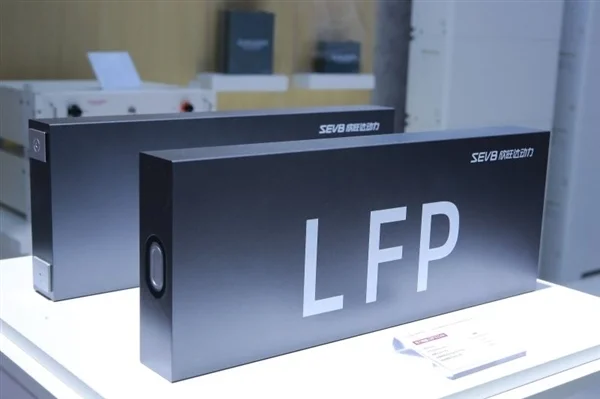
Geely's subsidiary Wei Rui Electric and Sunwanda reached a settlement in the dispute and paid 608 million yuan in compensation in installments. However, they are still in trouble. Recently, the Korea Trade Commission (KTC) officially accepted the patent infringement lawsuit filed by the patent alliance "Tulip Innovation" against Sunwoda.Accused that its lithium-ion battery cells and battery packs used in Geely cars infringe on key electrode separator technology patents. The model involved is Geely's best-selling hybrid SUV in the Korean market..
It is reported that "Tulip Innovation" was jointly established by South Korea's LG New Energy and Japan's Panasonic Energy, and is responsible for managing a patent pool of more than 5,000 battery patents.
The battery cells produced by Sunwanda and Geely Automobile's battery pack equipped with this battery cell (used in the popular hybrid SUV in the Korean market), patent number KR10-1089135, involves electrode and separator combination technology, which directly affects battery safety and energy density.
Tulip Innovation requires South Korea to ban the import and sale of batteries and complete vehicles involved in the case.If the KTC determines that the infringement is established, Geely's related models may be banned from sale in South Korea, which will impact its Korean market share of more than 20,000 vehicles.
This patent belongs to the same family as the European patent that Sunwanda lost in Germany, which had previously resulted in Sunwanda receiving three sales bans in Germany.
In 2025, Tulip Innovation sued Sunwanda three times in Germany with the same patent and won the case. The Munich court ruled to destroy the infringing products, pay compensation and execute a sales ban, which affected Renault Dacia Spring and other models.
Xinwanda responded that the lawsuit was against the "Shandong Geely Xinwanda Company", a joint venture between it and Geely, emphasizing that "it will not affect the main body of the listed company and its overseas layout."