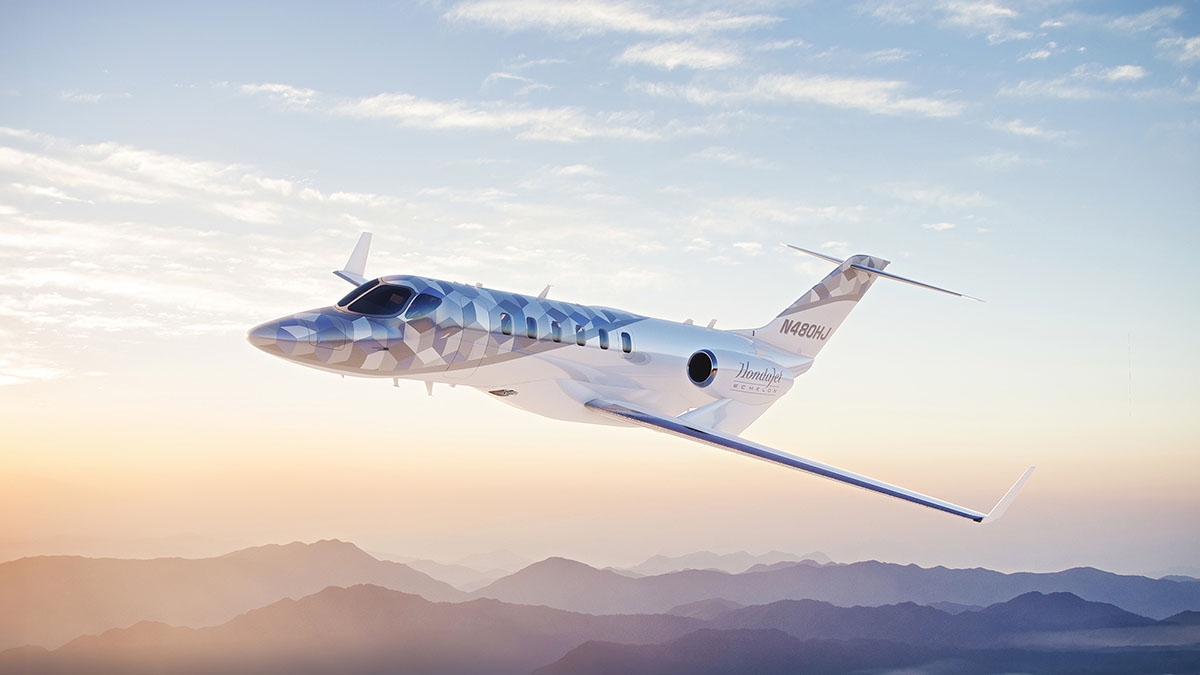
As a world-renowned car company, Honda has a wide range of business operations. In addition to cars and motorcycles, Honda also manufactures private jets.Honda plans to launch the Echelon, a new generation model of the HondaJet small aircraft, on the market in 2028.This aircraft is the first model among small aircraft that can fly across North America without refueling. It has already received 500 purchase intentions before its launch. However, including existing models, Honda can currently only produce about 50 aircraft per year, which means that the purchase intentions have reached 10 times the production capacity.
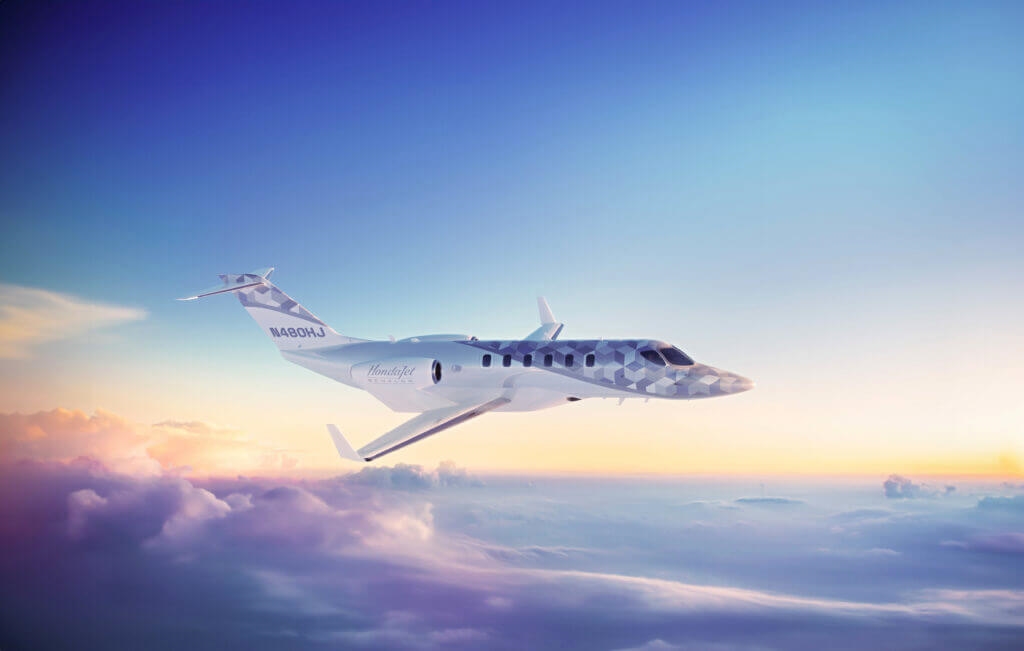
It is understood that Honda's small business aircraft HondaJet will celebrate its 10th anniversary at the end of 2025, with a total of 271 aircraft delivered.
HondaJet adopts an innovative and iconic on-wing engine layout. Two GE Honda HF120 turbofan engines are installed above the main wings instead of at the rear of the fuselage to maximize the passenger cabin and cargo space. At the same time, the optimized position reduces high-speed wave resistance. The direct benefits of this are fuel saving and noise reduction.
Traditional light business jets have rear-mounted engines. When flying at high speeds, the airflow on the upper surface of the main wings accelerates, easily forming strong shock waves (wave resistance), which greatly increases drag and fuel consumption. The HondaJet places the engine in the optimal aerodynamic position above the main wing. The airflow in front of the engine is decelerated, the shock wave is weakened, and the overall wave resistance is significantly reduced.
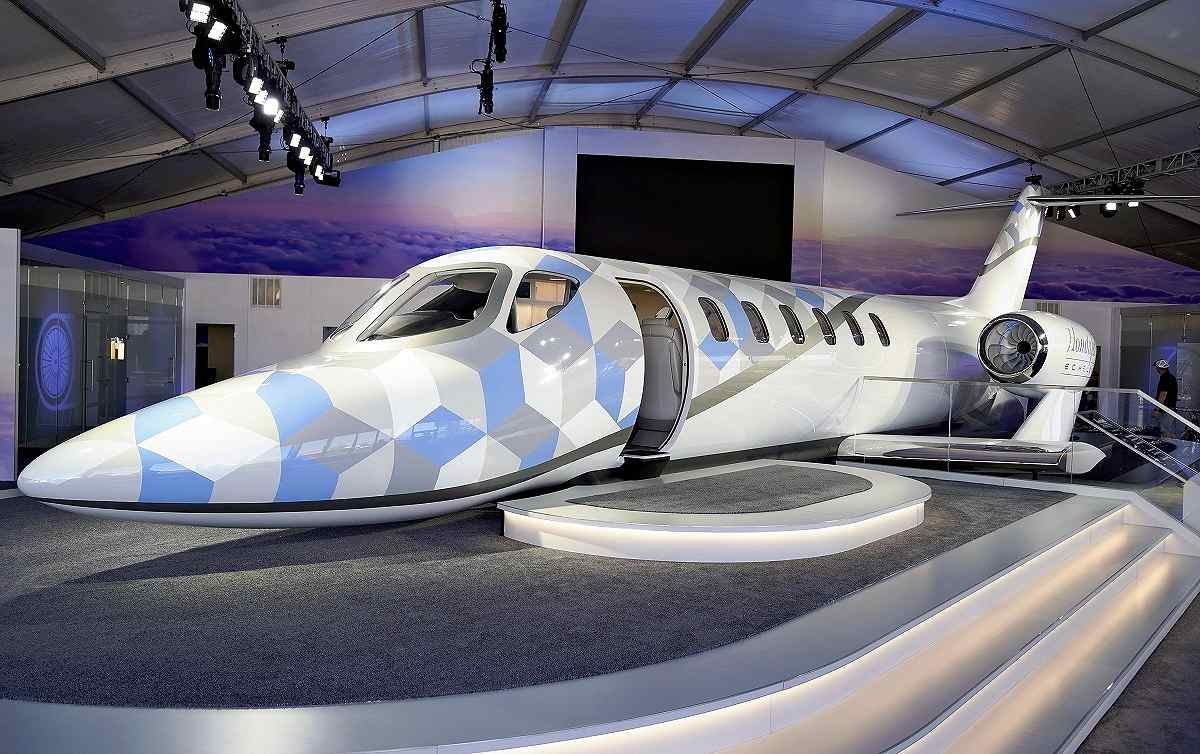
At the same time, the engine support structure at the rear of the fuselage is cancelled. The fuselage does not need to bear the engine load, and the structural weight is lighter, achieving the effect of lightweight and fuel saving.
In addition, the engine is no longer installed at the rear of the fuselage, but is "hanged" on the wing, away from the passenger cabin and fuselage, which also reduces interior noise during flight.
As for the new generation model Echelon launched by Honda, it retains the existing skeleton structure of HondaJet. The model is lengthened by about 5 meters and has a maximum seating capacity of 11 people, 3 more than the original one.
Moreover, Honda has also brought the fuel-saving features of cars to aircraft. Compared with competing models of the same level,Echelon can fly 0.44 nautical miles (about 800 meters) using 1 pound of fuel, and its fuel efficiency is 10% to 20% higher than competing models. It is expected to have the highest fuel efficiency among aircraft in its category.
It is understood that Echelon is equipped with two Williams International FJ44-4C turbofan engines, with a maximum cruising speed of 47,000 feet (14,326 meters) and a maximum cruising speed of 450 knots (834km/h). With a pilot and 4 passengers, the range is 2,625 nautical miles (4,862km) and can span North America on one tank of fuel.
The new model uses a maximum price of around US$20 million (about 3 billion yen) as a reference standard, and has already received orders for about 100 aircraft.Even if all production capacity is switched to new models, it will take two years to satisfy customers. Honda will launch promotions and strive to achieve a sales ratio of 50% for new models in the commercial field such as charter companies and in the personal holding field.