The U.S. Federal Aviation Administration (FAA) recently approved eight pilot projects, allowing companies including Archer Aviation, Beta Technologies, Joby Aviation and Wisk to test electric aircraft on a large scale across the United States starting as early as this summer. The three-year program will cover 26 states and is designed to ensure that U.S. companies stay ahead of the competition for next-generation aircraft for scenarios such as personal mobility, regional transportation, cargo logistics and emergency medical care.
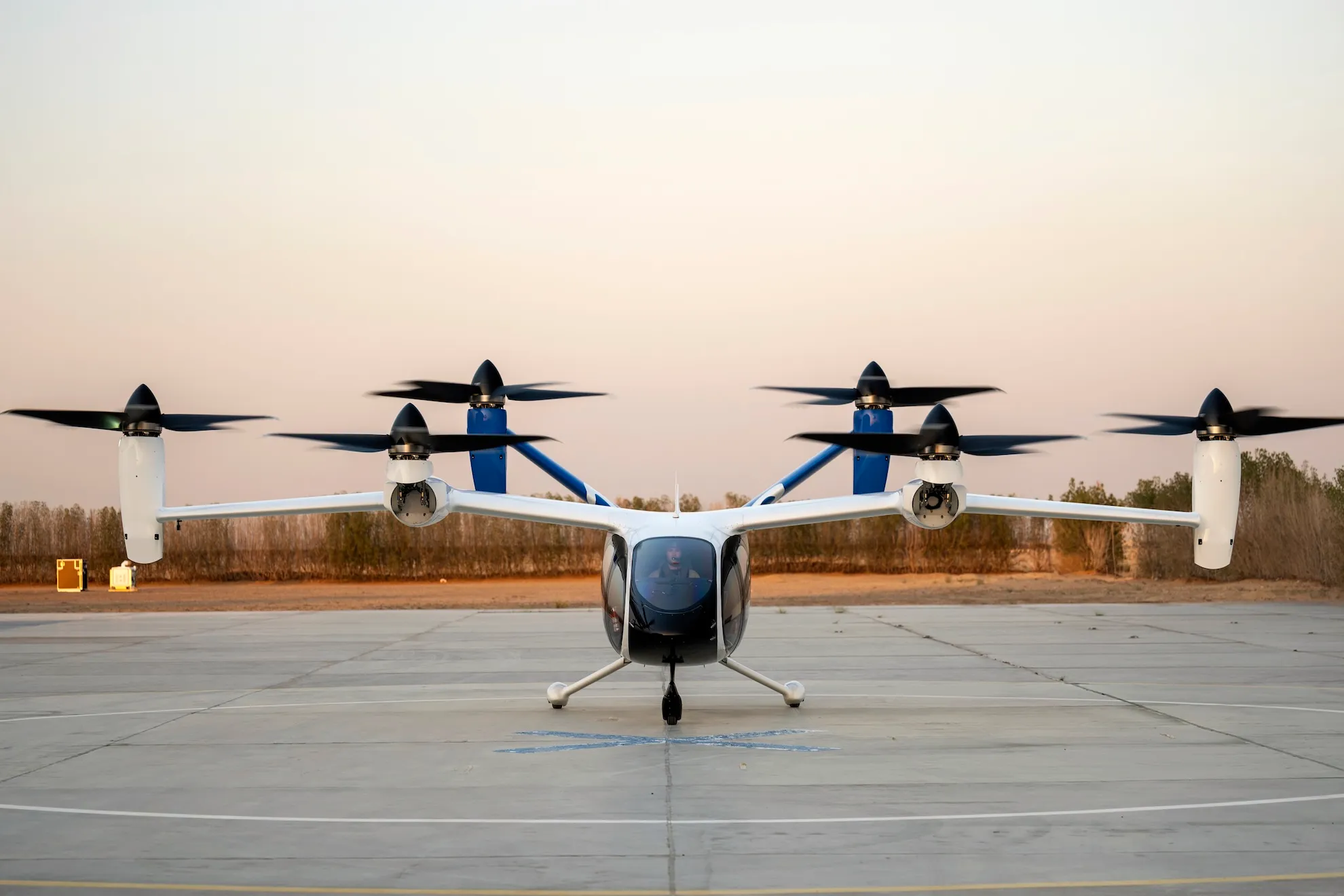
U.S. Department of Transportation Secretary Sean Duffy said in his speech that the project, called the Advanced Air Mobility and Electric Vertical Takeoff and Landing Integration Pilot Program (AAM eVTOL Pilot Program), was established based on the executive order signed by President Donald Trump last year and is intended to accelerate the development and implementation of this "futuristic" aircraft. In recent years, a large number of electric vertical take-off and landing (eVTOL) companies have emerged, proposing to open air taxis and other regional electric routes over cities. However, it often takes years and hundreds of millions of dollars to realize commercial operations, and the long process of FAA airworthiness certification must also be completed. The new pilot program will allow these companies to conduct a limited range of operational tests without obtaining full certification.
The accelerated testing schedule will not only help promote technology maturity, but is also believed to provide benefits to the stock prices of eVTOL companies such as Archer, Beta, and Joby that have been listed in recent years. Beta Technologies founder and CEO Kyle Clark said that being selected for the pilot program means that the company can start aircraft operations a year earlier than originally planned. Its stock price rose nearly 12% on Monday, and Archer and Joby's stock prices also recorded varying degrees of gains.
Archer compared this eVTOL pilot to the testing of autonomous taxis (robotaxi), believing that the project will help build public trust and form a set of safe operation "templates" for large-scale deployment of electric air taxis. The company is developing the Midnight, a pilot-controlled eVTOL model that can carry four passengers, and says the pilot program will also help it prepare for air taxi operations during the 2028 Los Angeles Olympics.
These collaborations "will help us better understand how to safely and efficiently integrate these aircraft into the national airspace system," FAA Deputy Administrator Chris Rocheleau said in a statement. He said that the pilot project will provide valuable operational experience and provide a basis for formulating relevant standards for the safe operation of advanced air traffic (AAM) in the future. The FAA said it received 30 project proposals and ultimately selected eight for advancement.
Under program requirements, participating companies must establish partnerships with state, local, tribal or territorial governments. The selected projects cover a wide range of application scenarios, including urban air taxis, regional flights, freight delivery, medical emergency and automated operations, etc. For example, the Port Authority of New York and New Jersey will work with Archer, Beta, Electra and Joby to test more than a dozen operational concepts at multiple locations, including a helipad in Manhattan.
In the southern U.S., the Texas Department of Transportation will team up with Archer, Beta, Joby and Wisk to pilot regional routes connecting Dallas, Austin, San Antonio and eventually to Houston. The project plans to build an air taxi network around major cities and then gradually extend outward to expand regional coverage.
Some projects have wider geographical significance. The Utah-led project will span the Pacific Northwest, Rocky Mountains and Oklahoma plains to test a variety of next-generation aircraft and operating modes. The Pennsylvania Department of Transportation is leading another project, bringing together 13 states, with the goal of revitalizing regional routes within the United States with new electric aircraft.
In the field of cargo and emergency response, companies such as Beta and Elroy Air will test cargo and personnel transportation missions to energy industry facilities along the Gulf Coast and in Louisiana, Texas, Mississippi and other places. The transportation departments of Florida, Louisiana, and North Carolina are also leading related projects respectively; the city of Albuquerque, New Mexico, is partnering with Reliable Robotics to focus on testing automated flight operations.
With these eight pilot projects being implemented in 26 states across the country, the U.S. electric air taxi and the broader electric aviation industry are moving from proof of concept to large-scale trial operation in real scenarios. In the next few years, the actual operating data and public feedback accumulated during the pilot will largely determine whether these "air-based ride-hailing services" can become part of daily travel and even the regional transportation system.