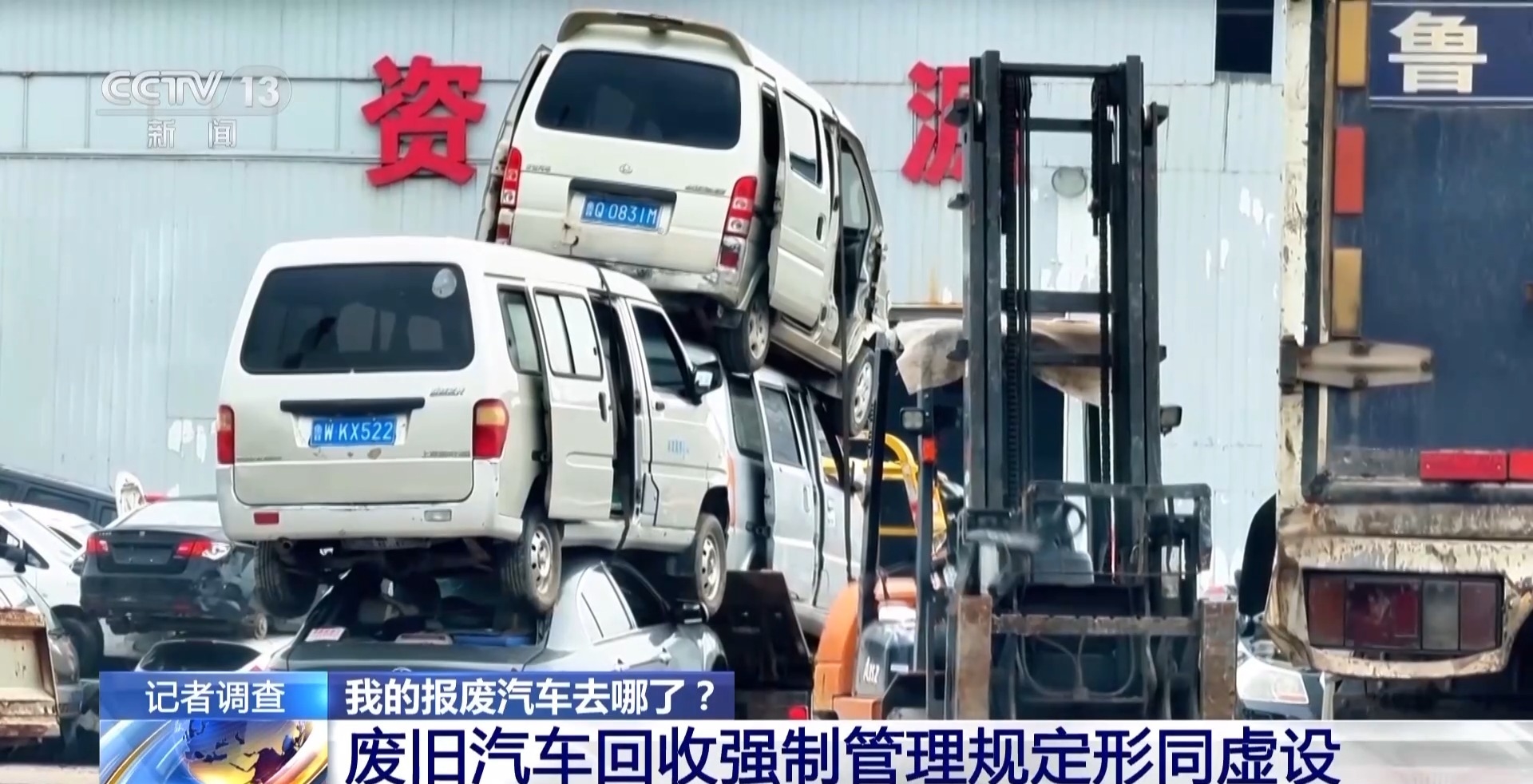
Today, CCTV News released a 3.15 investigative report. The reporter spent half a year secretly visiting Linyi, Rizhao and other places in Shandong Province and uncovered a black industry chain surrounding the illegal dismantling of scrapped cars. A large number of scrapped cars that should have been handed over to regular companies were intercepted and dismantled by illegal small workshops, and the core parts were refurbished and resold for profit.The remaining "car shells" were scrapped and canceled by some formal dismantling companies in violation of regulations, resulting in national environmental protection standards and hazardous waste disposal regulations becoming ineffective. Regular companies were in a dilemma of having no cars to dismantle, and bad money drove out good money.
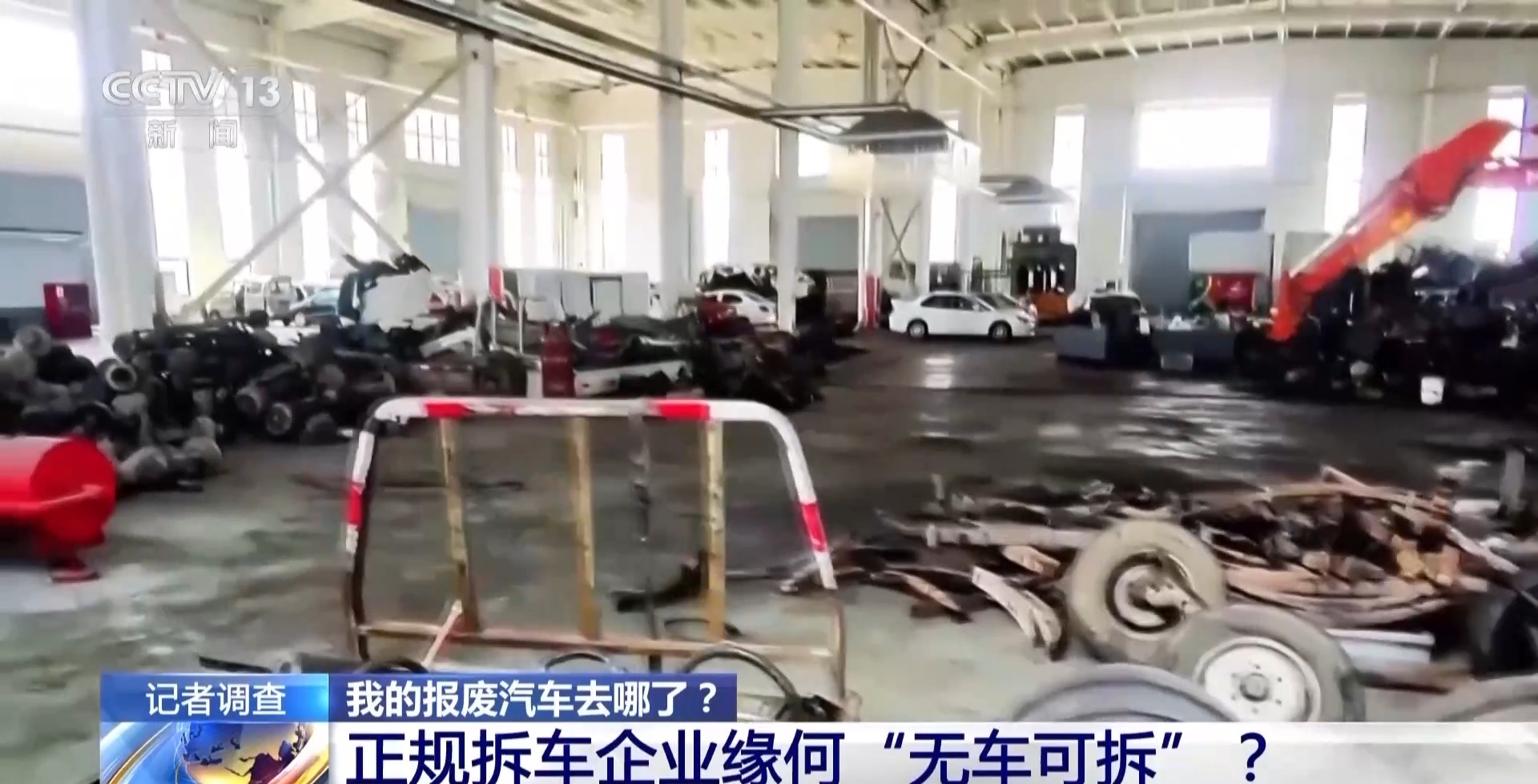
It is reported that nearly 10 million cars in my country reach scrapping standards every year. The state stipulates that scrapped cars must be professionally dismantled by qualified formal enterprises. However, formal car dismantling enterprises in Linyi, Shandong Province generally face the dilemma of having no cars to dismantle.
There are 22 formal local dismantling companies with a total annual dismantling capacity of 500,000 units, while the city's total annual scrapped vehicles are only about 100,000 units. Even so, some companies only recycle three or four scrapped vehicles per day, which is far from breaking even.
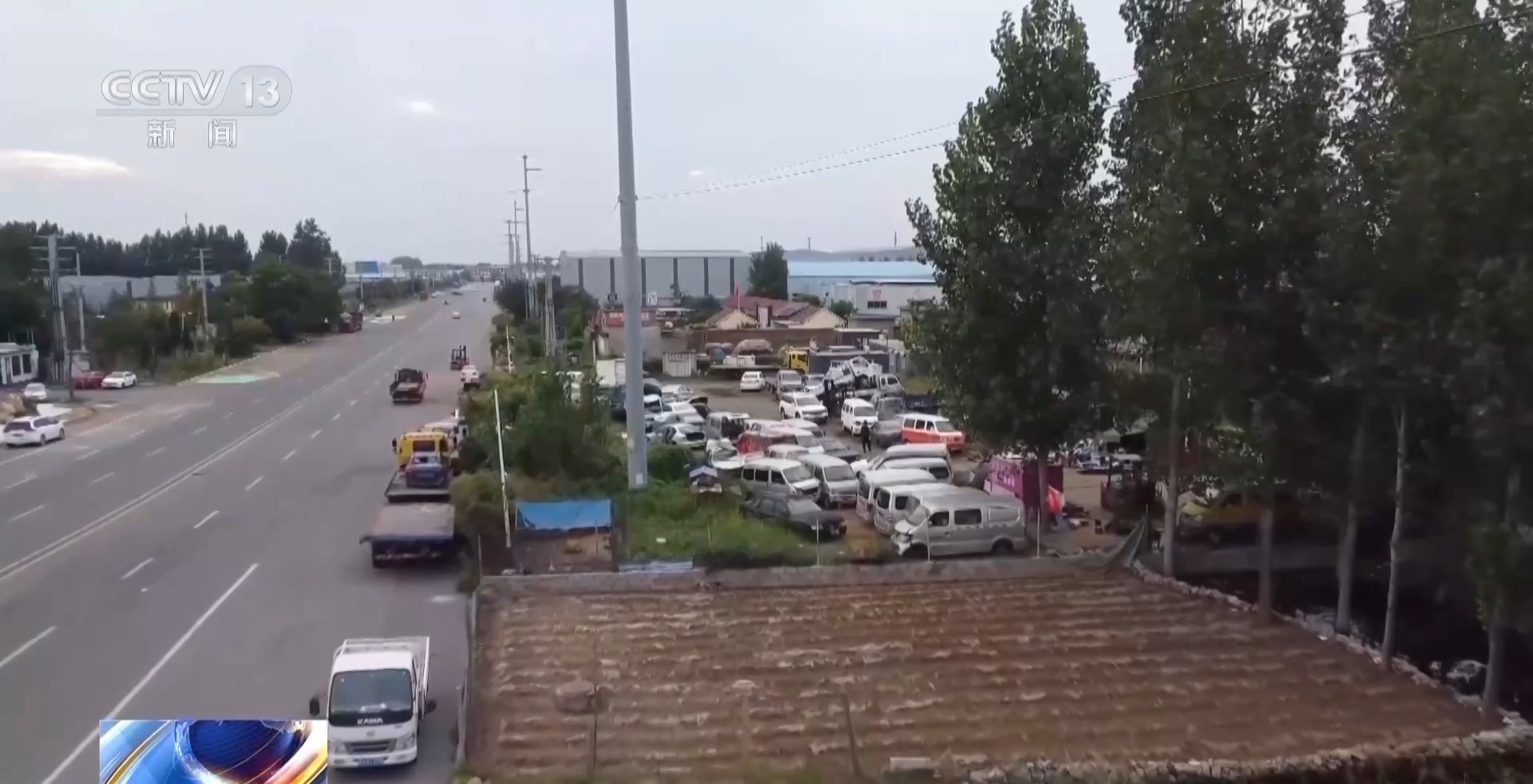
In stark contrast to the desolation of formal enterprises, there are a large number of small illegal car-breaking workshops hidden in rural woodlands and roadside farmland in Linyi, Rizhao and other places, and business is extremely booming.
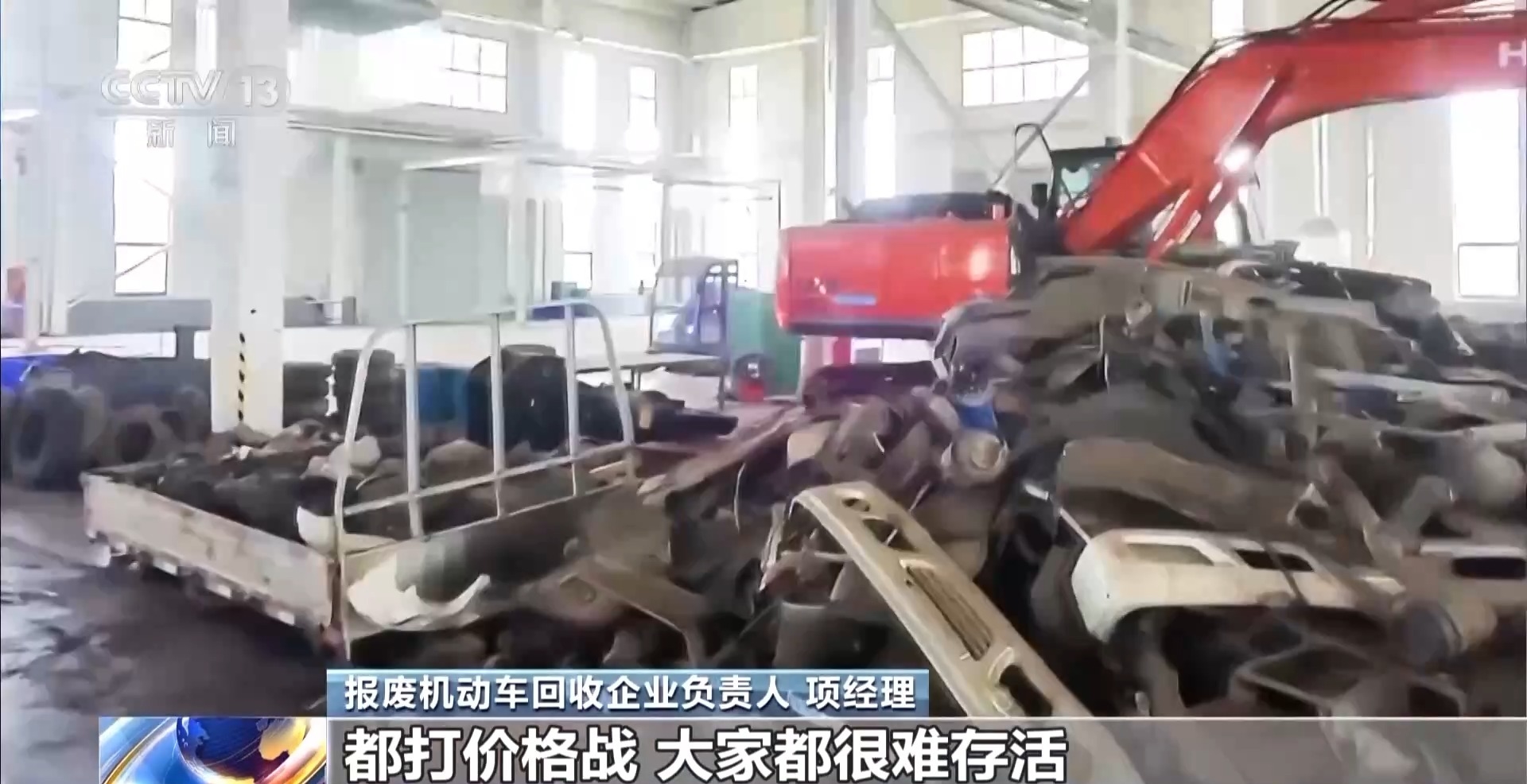
Most of these small workshops operate in the open air and dismantle them around the clock. Some of them are comparable in scale to large formal enterprises. One workshop under a high-voltage power tower has hundreds of scrapped vehicles. Workers said that "it can collect 20 to 30 vehicles a day, and up to 18,000 vehicles a year." The sources of scrapped vehicles cover all parts of the country, and even include a large number of foreign license plates.
These small workshops have no threshold for recycling vehicles. No matter whether the vehicle is missing parts or whether the procedures are complete, all comers are accepted. The recycling price is about 2800-2900 yuan/ton.The transaction process is simple and convenient, while formal companies have strict car collection standards and relatively fixed prices, making it difficult to compete.
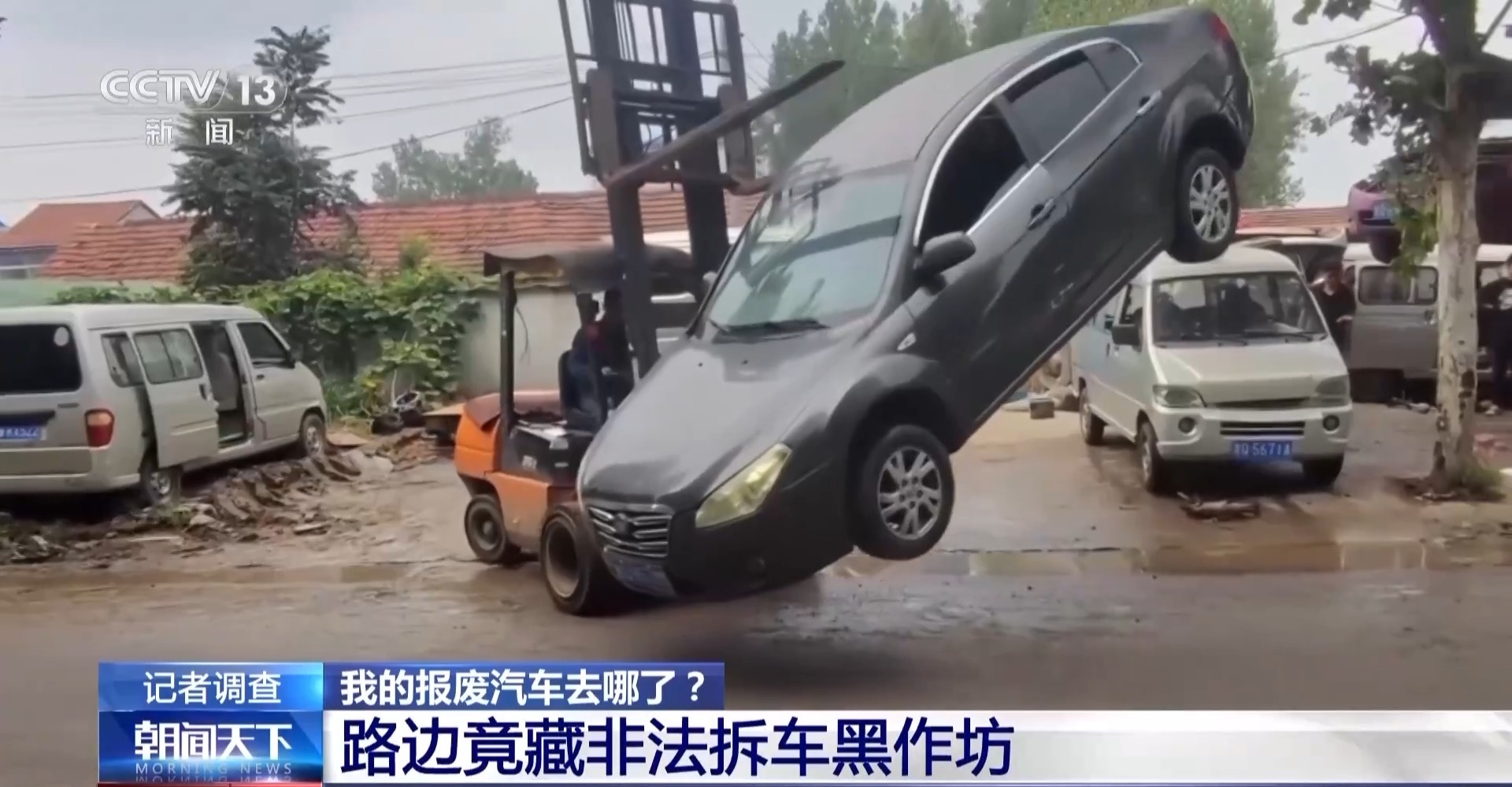
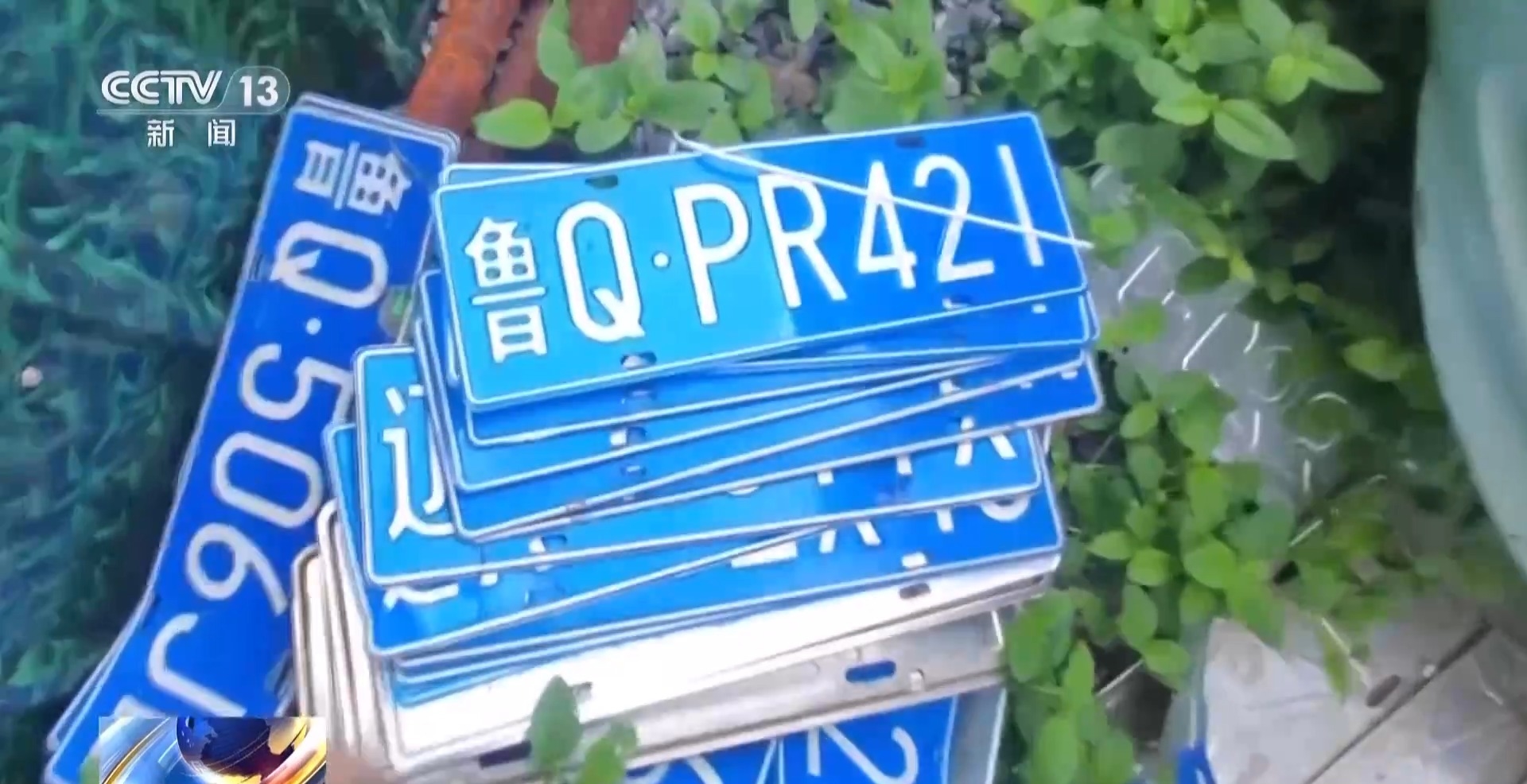
The dismantling process was extremely barbaric. Workers used high-temperature welding torches to cut the vehicles. Used parts were scattered on the ground. Vehicle license plates were discarded at will (suspected of violating regulations and may be used for license plates). The oil and waste generated by the disassembly directly polluted the soil and water sources.
According to CCTV, the core profit-making method of these small workshops is to dismantle and resell scrapped car parts, especially hazardous waste containing rare precious metals.
After dismantling, the car doors, tires, wheels, lights, gearboxes and other parts are sold directly. Among them, the three-way catalytic converter is the most valuable. A single scrapped three-way catalytic converter can be sold for 800 yuan, which is far more than part of the cost of closing the car.
A large number of core components are transported to the auto parts city processing point for refurbishment. Taking the three-way catalytic converter as an example, workers cut the original casing.The internal precious metal purification element is taken out and replaced with a cheap filter element without production marks. After re-welding, it is sold as an original part. The original filter element sells for 1,800 yuan, and the sub-factory filter element only costs 450 yuan. The price difference is huge.
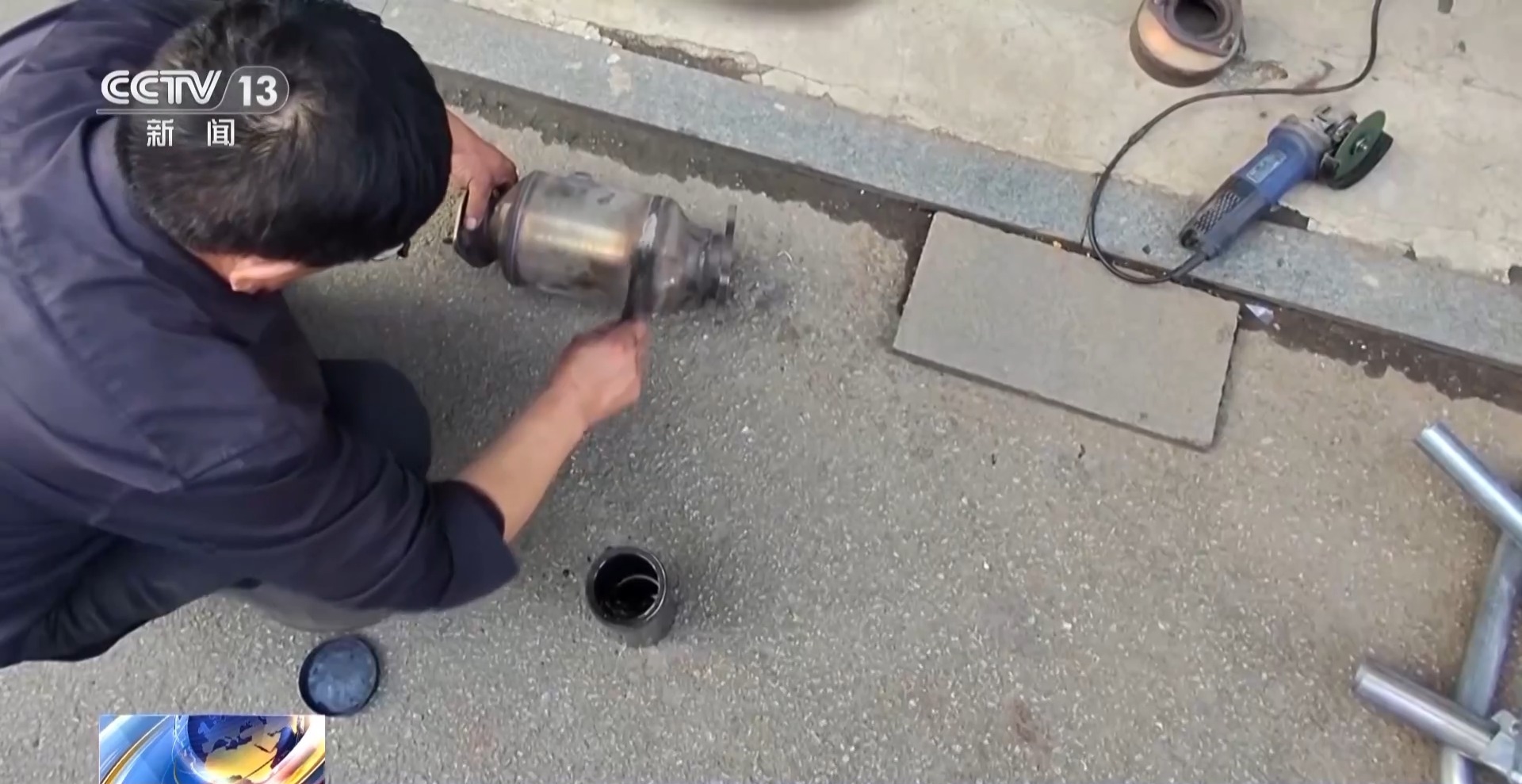
The appearance of these refurbished and inferior parts is difficult to distinguish. Not only do they have a short service life and substandard exhaust gas purification, they may also cause vehicle failure due to performance defects, threatening the safety of drivers and passengers. Privately dismantling and reselling three-way catalytic converters and other hazardous wastes are suspected of breaking the law and may face administrative penalties or even criminal liability.
In response to reported issues related to the illegal dismantling of scrapped vehicles, Linyi City quickly established a joint working group composed of commerce, market supervision, ecological environment, transportation, public security and other departments to carry out on-site inspections, seizures and other law enforcement measures against relevant business entities in accordance with laws and regulations. The illegal dismantling of vehicles will be resolutely and severely cracked down in accordance with the law. At the same time, special investigations and rectifications were carried out across Linyi city.