At the annual technology conference hosted by Nvidia, Samsung Electronics released its seventh generation of high-bandwidth memory (HBM), known as HBM4E. Nvidia highlighted its expanding partnership with the Korean chipmaker beyond memory chips at the conference. At the NVIDIA GTC 2026 conference, which opened in California on Monday (US time), Samsung Electronics demonstrated the latest progress of its HBM4E products and demonstrated its capabilities as an overall memory solution provider for the NVIDIA Vera Rubin AI platform.
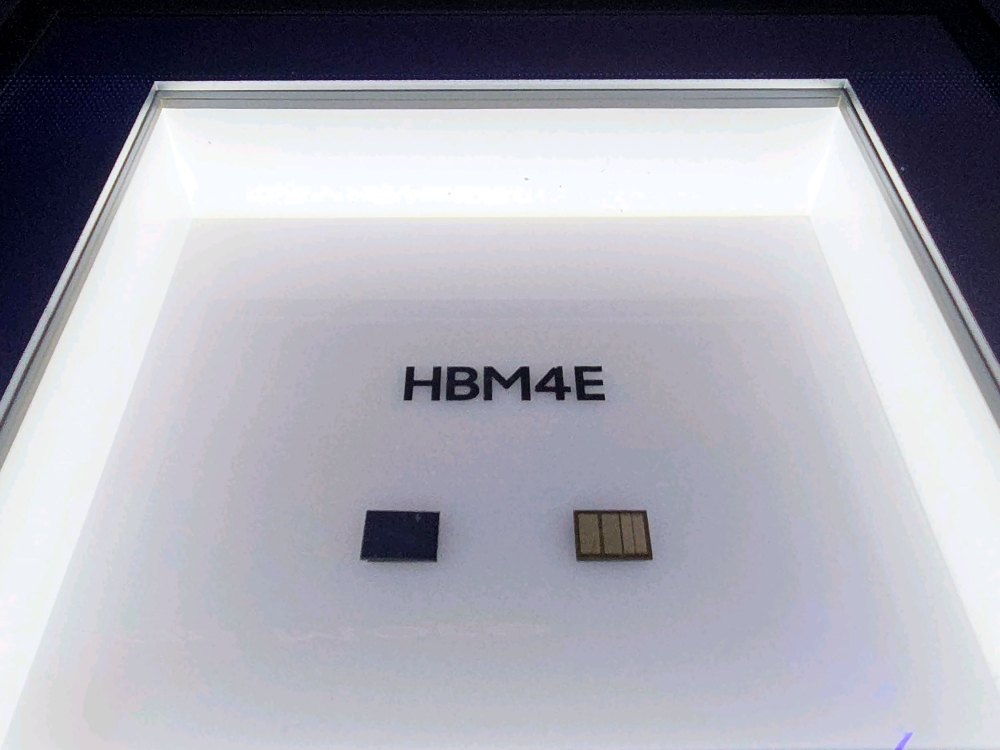
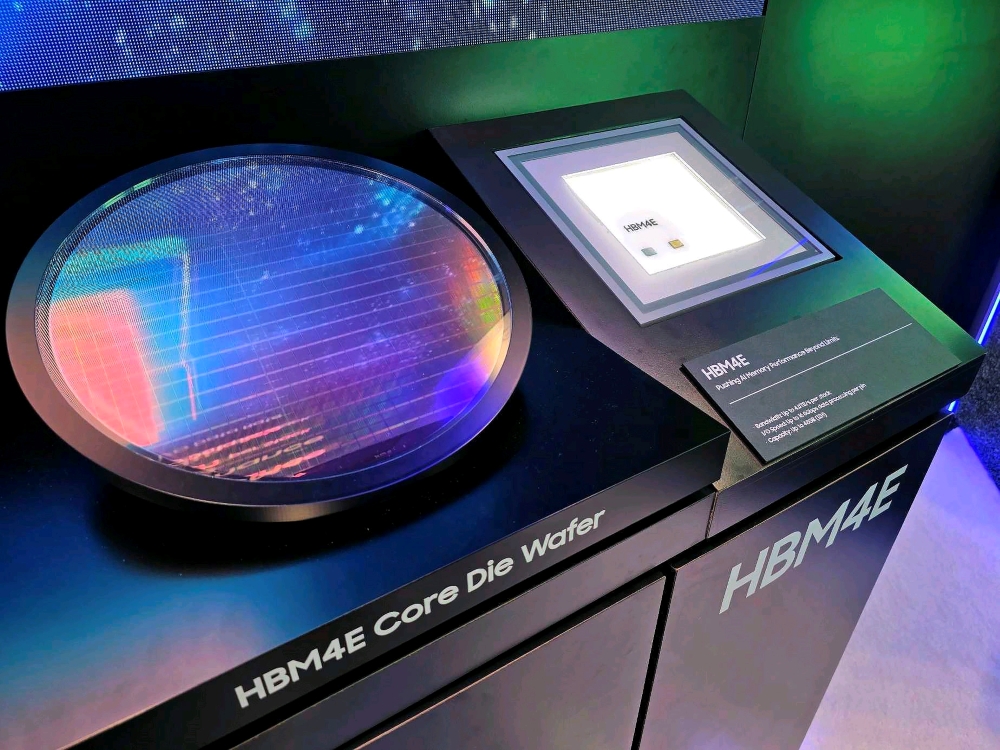
This is the first time that Samsung Electronics has publicly demonstrated a physical HBM4E chip. It is expected that its single-pin transmission speed can reach 16Gbps and its bandwidth is 4.0TB/x.
This performance is improved compared to HBM4, which has a single-pin transmission speed of 13Gbps and a bandwidth of 3.3TB/s.
In the keynote speech, Nvidia CEO Jensen Huang expressed his gratitude to Samsung Electronics for producing the Groq 3 language processing unit (LPU), which will be used in Nvidia's AI platform to improve its performance.
"I want to thank Samsung, they produce the Groq 3 LPU chip for us, they are working hard. I really appreciate you," Huang said, confirming that the chip is produced by Samsung Electronics' foundry unit.
Huang Renxun’s remarks indicate that Samsung Electronics and Nvidia have expanded their cooperation in the field of artificial intelligence to chip foundry business.
Last month, Samsung Electronics began mass shipments of its sixth-generation HBM chip, known as HBM4, which is designed for Nvidia's Vera Rubin platform and which Samsung says can provide "ultimate performance" for artificial intelligence computing.
Samsung Electronics also launched Hybrid Copper Bonding (HCB) technology, which can stack more than 16 layers of copper foil while reducing thermal resistance by 20% compared to thermal compression bonding (TCB), highlighting its strength in next-generation HBM packaging.
"To drive innovation in the AI industry, powerful AI systems, such as the Vera Rubin platform, are crucial," the South Korean tech giant said.
Samsung Electronics added: "The company plans to continue providing high-performance memory solutions powered by the Vera Rubin platform."
Samsung also stated that the two companies hope to use this partnership to lead the transformation of the global artificial intelligence infrastructure paradigm.
During the event, Samsung Electronics set up a booth divided into three areas - AI Factory, Local AI and Physical AI - showcasing the company's next-generation chips that address the needs of the AI industry.