Google announced at the 2026 Google I/O Developer Conference that it will launch its own version of the intelligent agent platform "Gemini Spark", a positive response to OpenClaw, which caused heated discussion in the technology circle earlier this year. As an "always-on" artificial intelligence agent, Gemini Spark can continuously run in the background to compose emails for users, automatically update study notes, monitor hidden subscription fees in credit card bills, etc., allowing users to hand over these repetitive tasks to the system while handling other work.
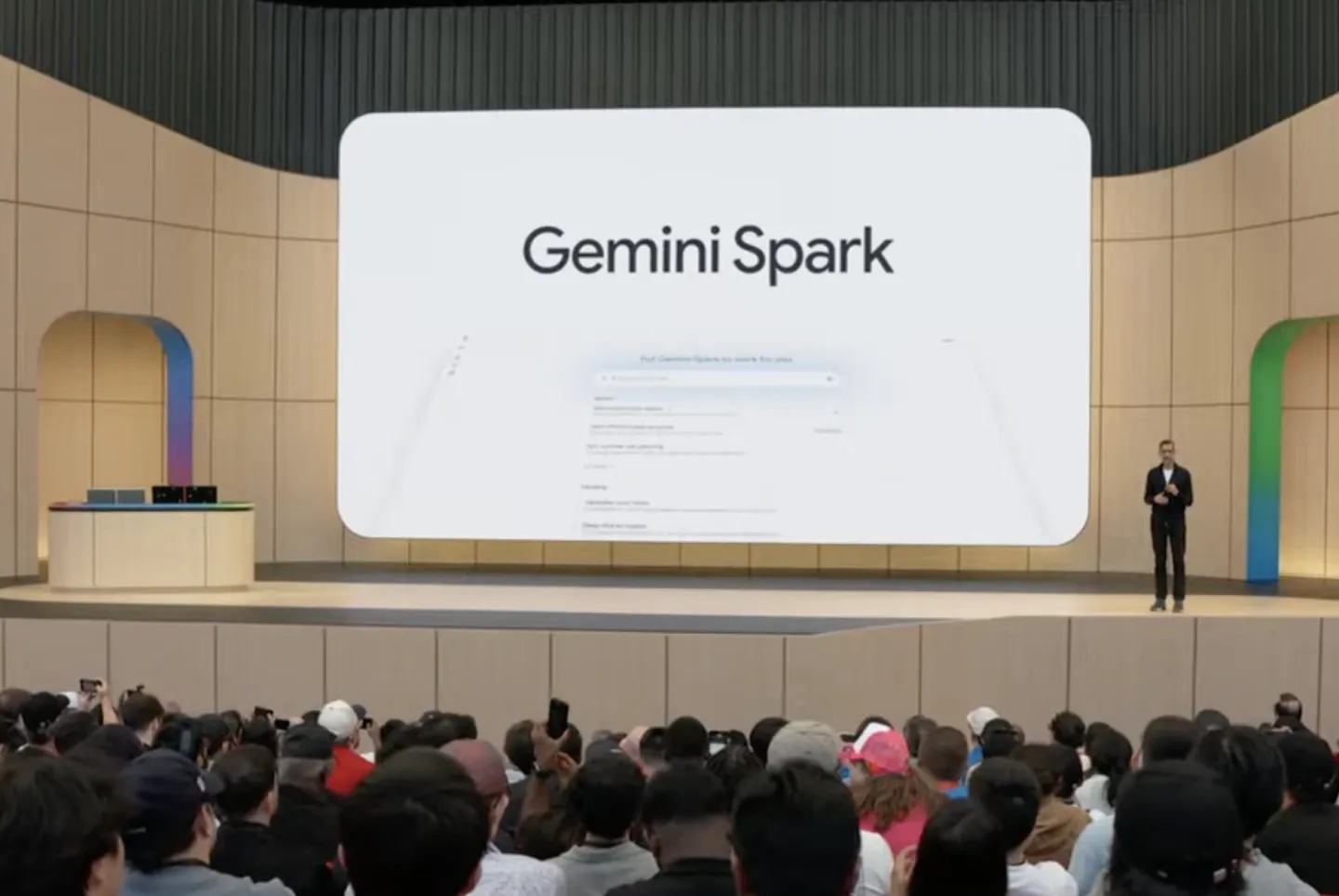
Gemini Spark is built based on Google's newly released Gemini 3.5 Flash model and runs 24 hours a day through a virtual machine on Google Cloud. Google said that Spark will be deeply integrated into Workspace applications such as Gmail, Docs, Sheets and Slides, and will also be extended to third-party services through the open standard Model Context Protocol (MCP), allowing artificial intelligence models to securely access external systems and data. The first batch of third-party platforms to be connected include Canva, OpenTable and Instacart, etc., aiming to allow users to call automated services through Spark in more daily scenarios.
Google plans to allow Spark to access local files through the Gemini application on macOS this summer, allowing it to continuously perform tasks such as file organization and document generation in the desktop environment. Josh Woodward, vice president of Google Labs, Gemini and AI Studio, described in media communications before the launch that the experience of using Spark is like "throwing things behind you, Spark will catch it and complete it for you", and emphasized that even if the user closes the laptop or turns off the phone, Spark can still continue to work in the background.
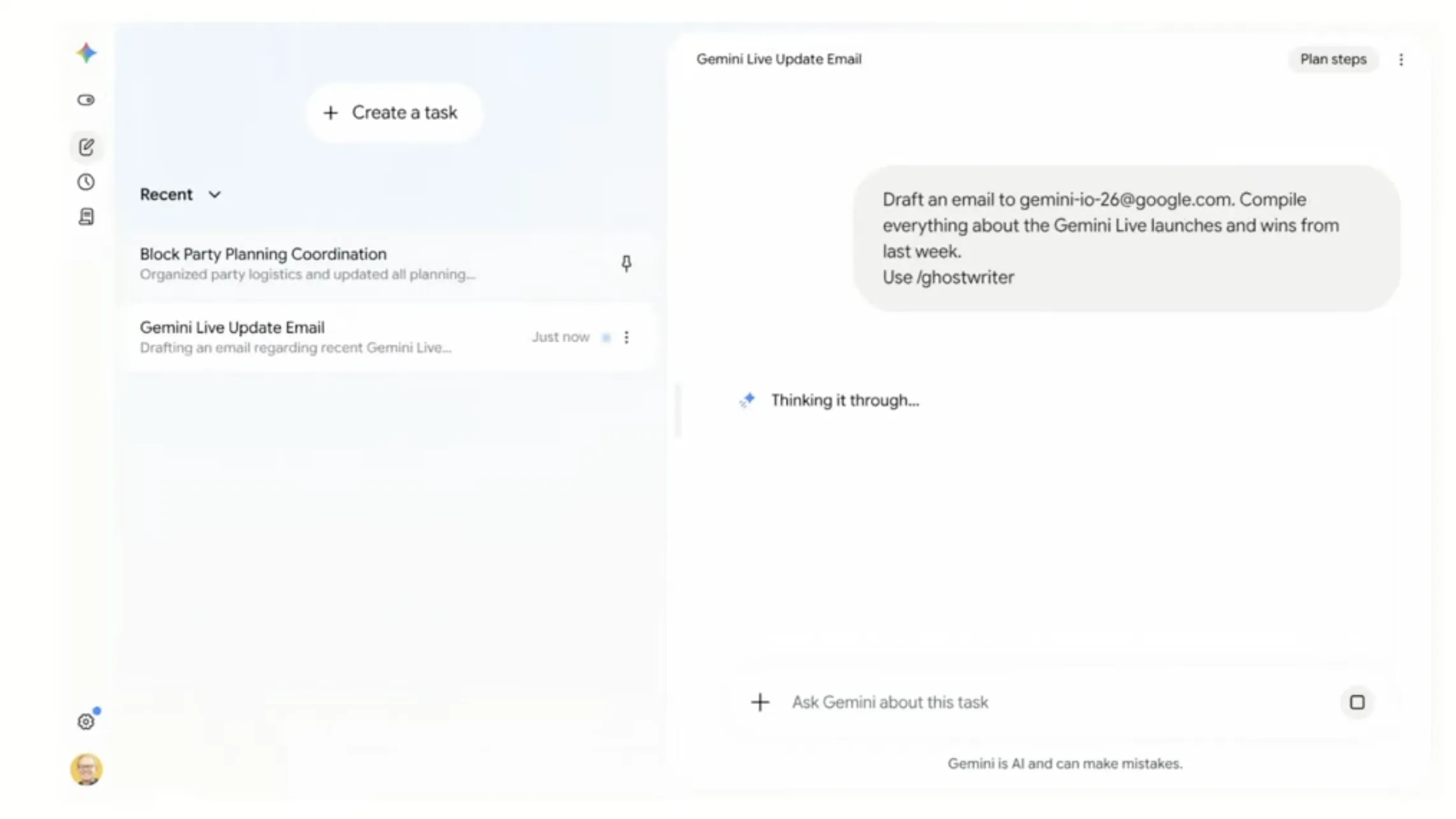
In interactive mode, Google also plans to allow users to talk to Spark directly through text messages and emails, similar to how OpenClaw users stay in touch with personal agents through messaging applications. In addition, Spark will be connected to the Chrome browser in the future and display task status and real-time updates in a new interface space called "Android Halo", allowing users to uniformly view various intelligent agent activities from the system level.
Google emphasized that Spark will run "under user instructions" and users can decide which services the system connects to and when to start or shut down. For "high-risk operations" such as payment and email sending, the system will proactively seek user confirmation before execution to avoid misuse or security risks caused by automation. Currently, Gemini Spark will be available to "trusted test users" this week, and plans to launch a beta version in the United States next week to users who subscribe to Google AI Ultra.
Also updated simultaneously with Spark is Google’s AI coding tool Antigravity, which has also been integrated into the new generation agent system. Google has launched a new Antigravity desktop application for this purpose, which serves as a central interface for unified management of various AI agents and their tasks, making it convenient for developers and advanced users to configure and schedule different agents. At the same time, Google also released a new Antigravity command line interface and software development kit (SDK) to help developers build their own AI tools and agents and deploy them in Spark and the wider Gemini ecosystem.